
When looking for ways to support early literacy, Alphabet Guided Practice For Preschool Worksheets can be a useful option. These worksheets are designed to help young learners build familiarity with letters and sounds in a structured manner. They provide a variety of engaging activities that not only promote recognition but also encourage fine motor skills through writing and tracing.
Understanding the Importance of Alphabet Guided Practice
Alphabet practice is crucial for preschoolers as it lays the foundation for future reading and writing skills. At this age, children are typically between 3 to 5 years old, and they are learning to identify letters, associate them with sounds, and develop their writing abilities. Worksheets specifically tailored for this purpose can effectively reinforce these skills.
By using guided practice worksheets, teachers and parents can monitor progress closely. You’ll be able to see which letters a child recognizes quickly, which ones they struggle with, and whether they can write them accurately. This immediate feedback allows for targeted instruction and practice.
Types of Activities Included in Worksheets
Most Alphabet Guided Practice For Preschool Worksheets feature a variety of activities that cater to different learning styles. Here are some common types of activities you might find:
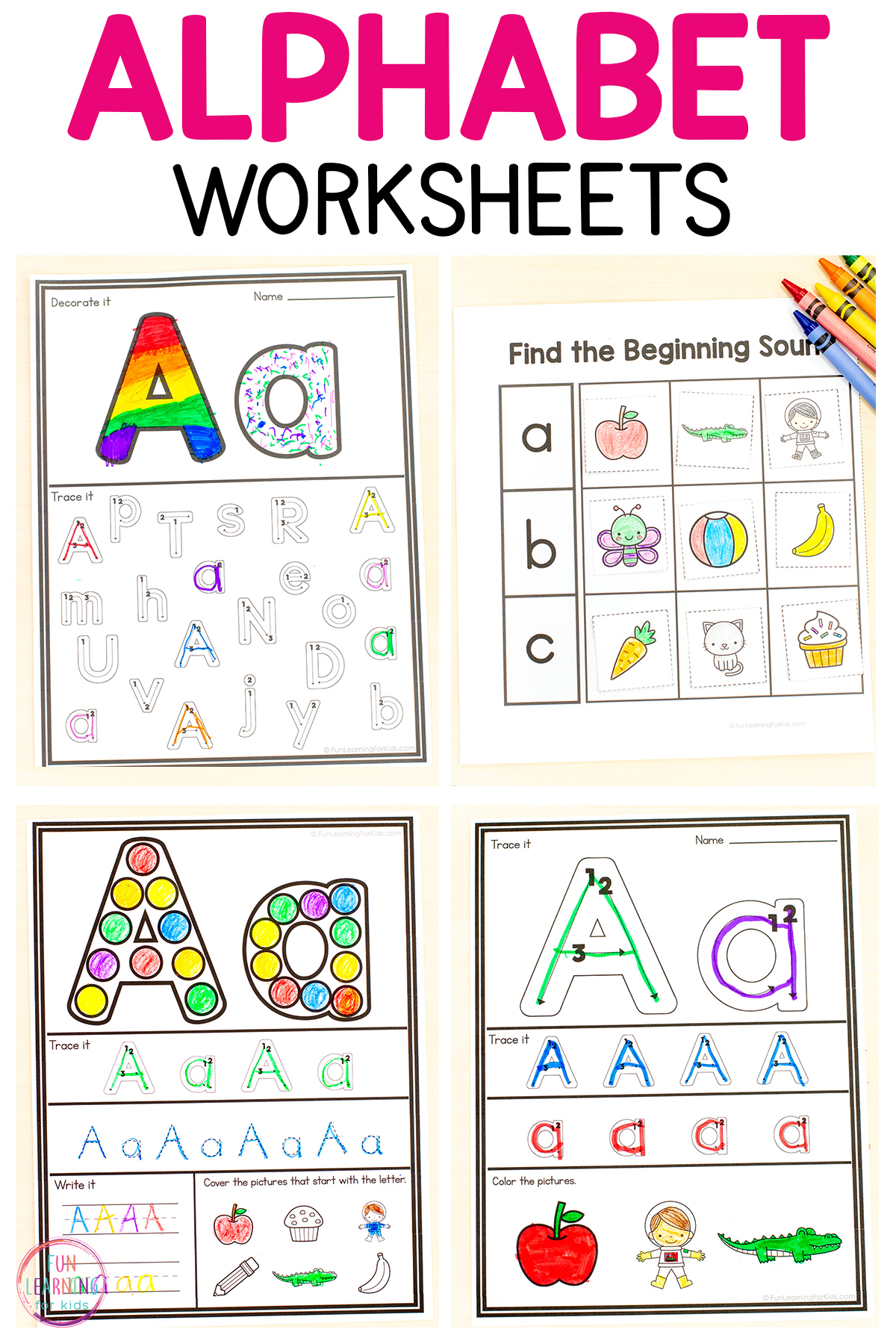
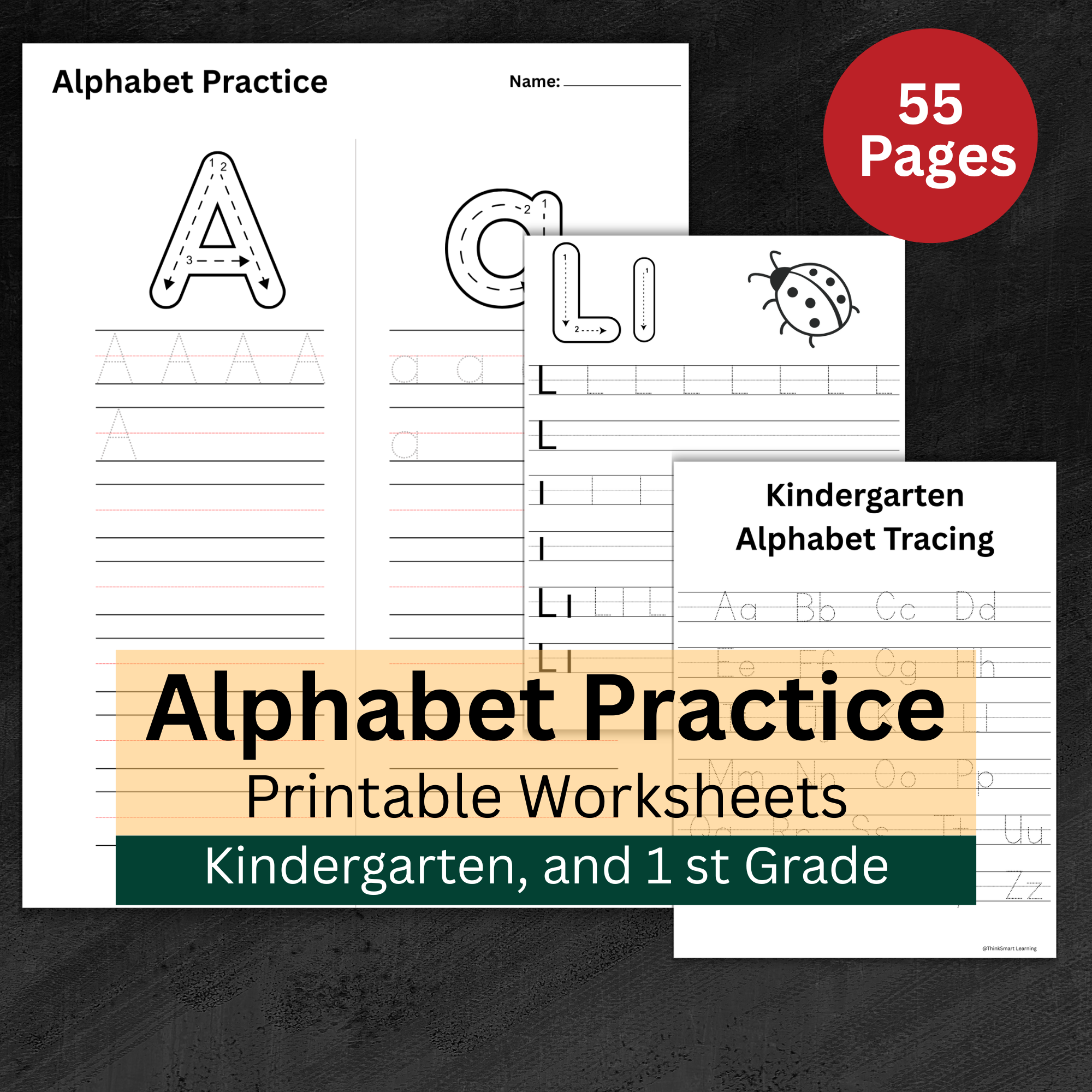
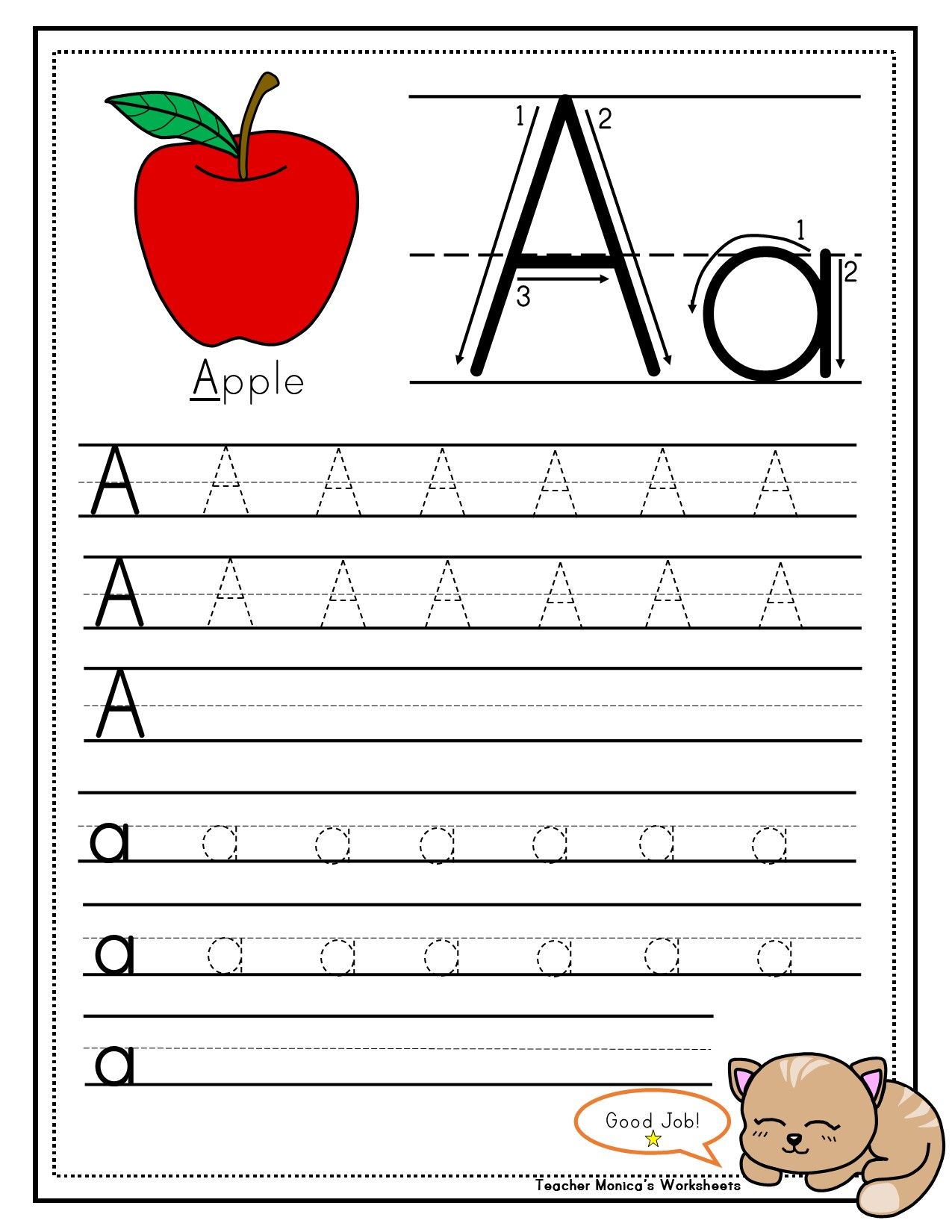
- Letter Tracing: Children trace letters to improve their writing skills. This is often combined with visual aids, such as pictures of items that start with the corresponding letter.
- Letter Recognition: Activities that require children to identify letters among a mix of other letters or images help reinforce their recognition skills.
- Matching Games: Matching letters with pictures or other letters encourages cognitive association.
- Coloring Activities: These can be both fun and educational, allowing children to engage creatively while learning.
Each of these activities contributes to a well-rounded approach to learning the alphabet, and they can be adapted for various levels of proficiency.
How to Use Worksheets Effectively
When utilizing Alphabet Guided Practice For Preschool Worksheets, consider the following practical tips for optimal use:
- Customize to Your Needs: Depending on the child’s current level, select worksheets that match their abilities. Some may need more hands-on activities, while others might excel with independent practice.
- Incorporate Multi-Sensory Approaches: Use manipulatives like letter blocks or flashcards alongside the worksheets. This can cater to different learning styles and make the experience more engaging.
- Regular Assessment: Use the worksheets as a tool for assessment. Track their progress over time to identify areas that need more focus. This can be done through informal assessments or by keeping a record of completed worksheets.
- Create a Routine: Establishing a consistent time for alphabet practice can help children anticipate and look forward to learning. This could be a daily or weekly routine, depending on what fits your schedule best.
- Provide Positive Feedback: Celebrate successes, no matter how small. Positive reinforcement can motivate children to keep trying and learning.
Monitoring Progress: What Mastery Looks Like
As you work through the Alphabet Guided Practice For Preschool Worksheets, it’s essential to know what mastery looks like. Here are some indicators to watch for:
- Letter Recognition: By the end of the practice, children should be able to recognize all uppercase and lowercase letters consistently.
- Phonetic Awareness: They should start associating letters with their corresponding sounds. This can be assessed through simple activities where they identify the sound a letter makes.
- Writing Skills: Children should be able to write letters with increasing accuracy. Look for proper formation and the ability to write letters independently.
If you notice that a child is consistently struggling with certain letters or sounds, it may be beneficial to revisit those specific worksheets or activities. Adapting the pace of learning to fit each child’s needs is crucial for their development.
Downloading and Printing Tips
When preparing to use Alphabet Guided Practice For Preschool Worksheets, here are some practical tips for downloading and printing:
- PDF Format: Look for worksheets available in PDF format to avoid formatting issues when printing. PDFs generally maintain their layout across different devices.
- Paper Type: Using cardstock can enhance durability, especially if the worksheets will be reused or if you plan to laminate them for multiple uses.
- Printer Settings: Set your printer to ‘fit to page’ for best results, ensuring that all elements are clearly visible and included on the printed sheet.
- Color vs. Black and White: While color prints can be more engaging, black and white prints are often more economical and can still be effective, especially when paired with coloring activities.
By following these guidelines, you can ensure that the worksheets are ready for immediate use, making your teaching or home practice more effective.