
In a cozy kindergarten classroom, Ms. Taylor watches as her students excitedly gather around their tables, ready to look at a new lesson on letters. She knows that mastering the alphabet is crucial for their literacy development. To reinforce this learning, she pulls out her trusty set of Alphabet Data Sheets For Kindergarteners. These sheets serve as a fantastic resource for practicing letter recognition and phonics, and Ms. Taylor is eager to share how they can be effectively utilized in the classroom and at home.
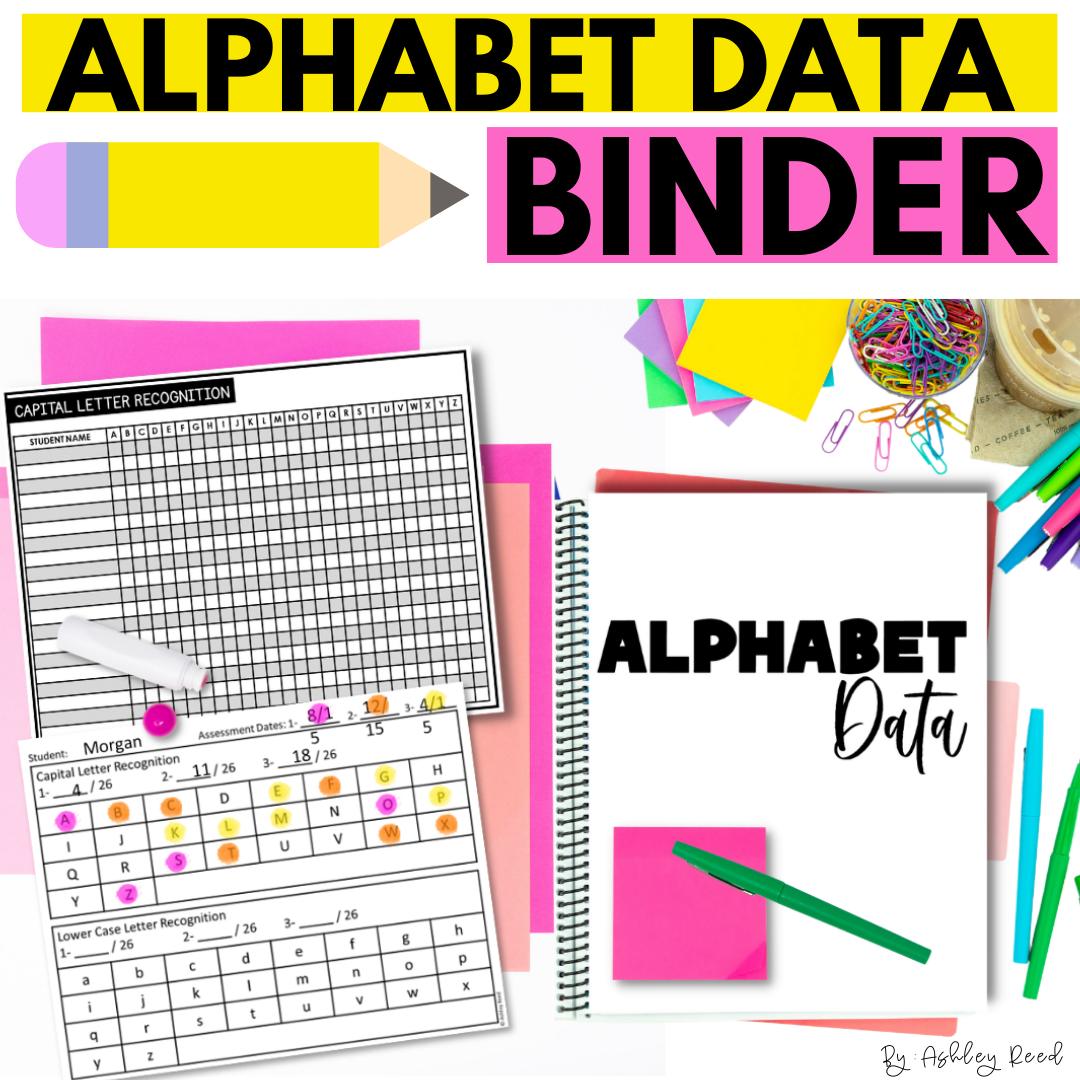
Understanding the Purpose of Alphabet Data Sheets
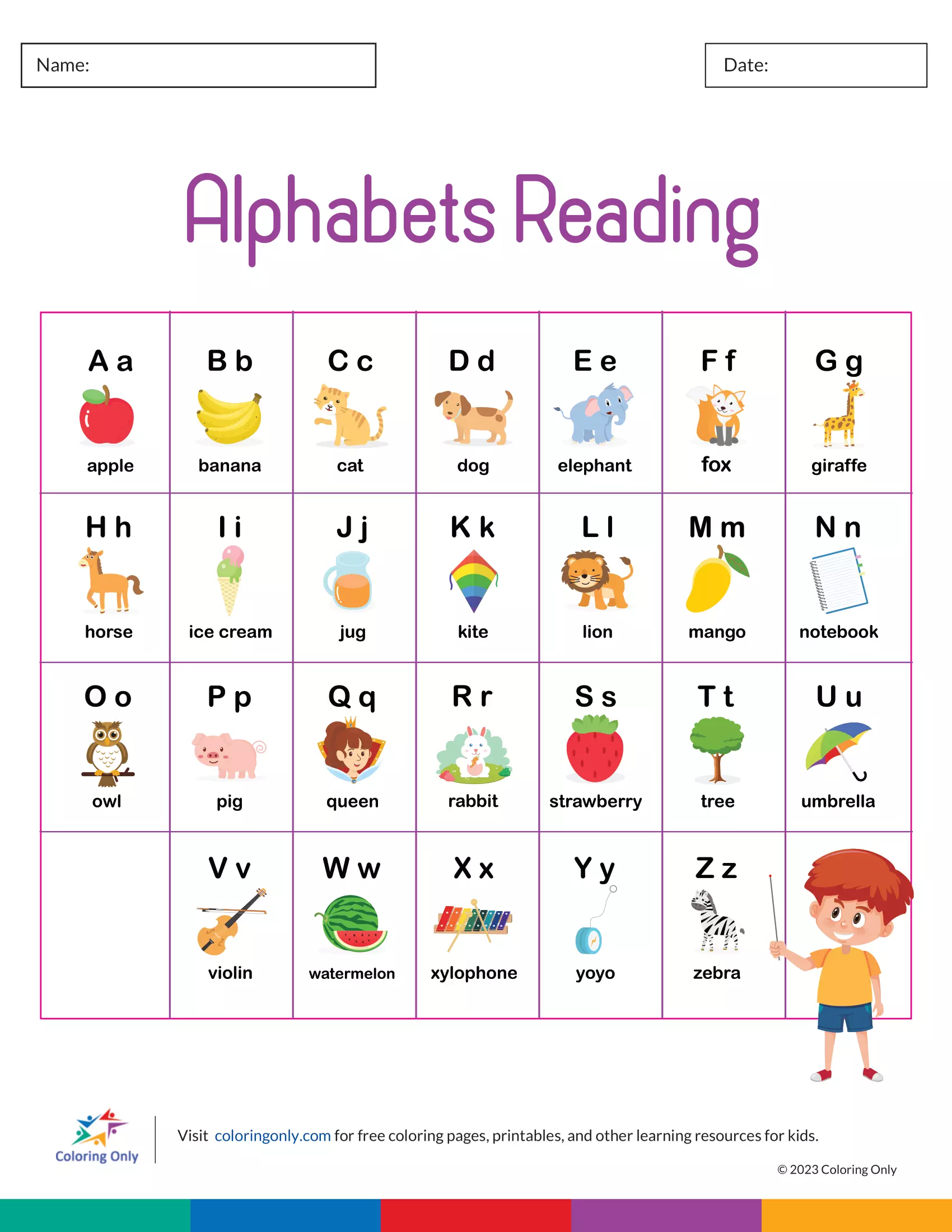
Alphabet Data Sheets are designed to help young learners identify, write, and use letters in context. They often include various activities such as tracing, matching, and coloring, all tailored to engage kindergarteners. These resources are particularly beneficial for hands-on practice, which is essential for this age group.
When using these sheets, you can expect to see your students not only recognize letters but also understand their sounds and uses in words. This combination of visual, auditory, and kinesthetic learning strengthens their foundational skills.
Types of Activities Included in Alphabet Data Sheets
Alphabet Data Sheets typically feature a variety of activities. Here are some common types you might encounter:
- Tracing Letters: Children can practice writing both uppercase and lowercase letters, enhancing their fine motor skills.
- Letter Matching: Activities that involve matching letters to corresponding pictures help reinforce letter-sound associations.
- Coloring Pages: Fun coloring activities featuring letters and related images can make learning enjoyable and creative.
- Fill-in-the-Blank Exercises: These sheets often include simple sentences with missing letters, encouraging kids to think critically about letter placement.
Incorporating these diverse activities into your lesson plans can keep students engaged and attentive, making the learning process more effective.
Implementing Alphabet Data Sheets in a Weekly Plan
To maximize the benefits of Alphabet Data Sheets, consider spreading their use across the week rather than cramming all activities into a single day. Here’s a sample weekly plan you might follow:
- Monday: Introduce the letter of the week with a tracing activity. Allow students to practice writing the letter multiple times.
- Tuesday: Use matching activities to help students connect letters with images and sounds.
- Wednesday: Incorporate coloring pages that feature the letter and relevant words or objects. This visual reinforcement can solidify their understanding.
- Thursday: Conduct fill-in-the-blank exercises during a group activity. This encourages teamwork and discussion about letter sounds and words.
- Friday: Review the week’s activities through a fun game or a letter hunt in the classroom.
By breaking the activities into smaller chunks, you can help prevent your students from feeling overwhelmed and allow them to absorb the material more effectively.
Tips for Using Alphabet Data Sheets at Home
Parents can also play a key role in reinforcing the skills learned in the classroom. Here are some practical tips for using Alphabet Data Sheets at home:
- Create a Learning Space: Set up a dedicated area for learning with all necessary materials, including crayons, scissors, and your Alphabet Data Sheets. A quiet, organized space can encourage focus.
- Incorporate Play: Turn learning into a game. For instance, after completing a tracing sheet, have your child write letters in sand or use playdough to form letters. This tactile experience can make learning more memorable.
- Daily Practice: Aim for short practice sessions each day, rather than long, infrequent ones. Consistent repetition helps solidify their learning.
- Be Supportive: Engage with your child during their practice. Ask questions about the activities they’re doing, such as “What sound does this letter make?” This interaction can enhance their learning experience.
- Celebrate Progress: Acknowledge the effort your child puts into their learning. Celebrate completed sheets with stickers or a small reward to encourage continued practice.
Finding Quality Alphabet Data Sheets
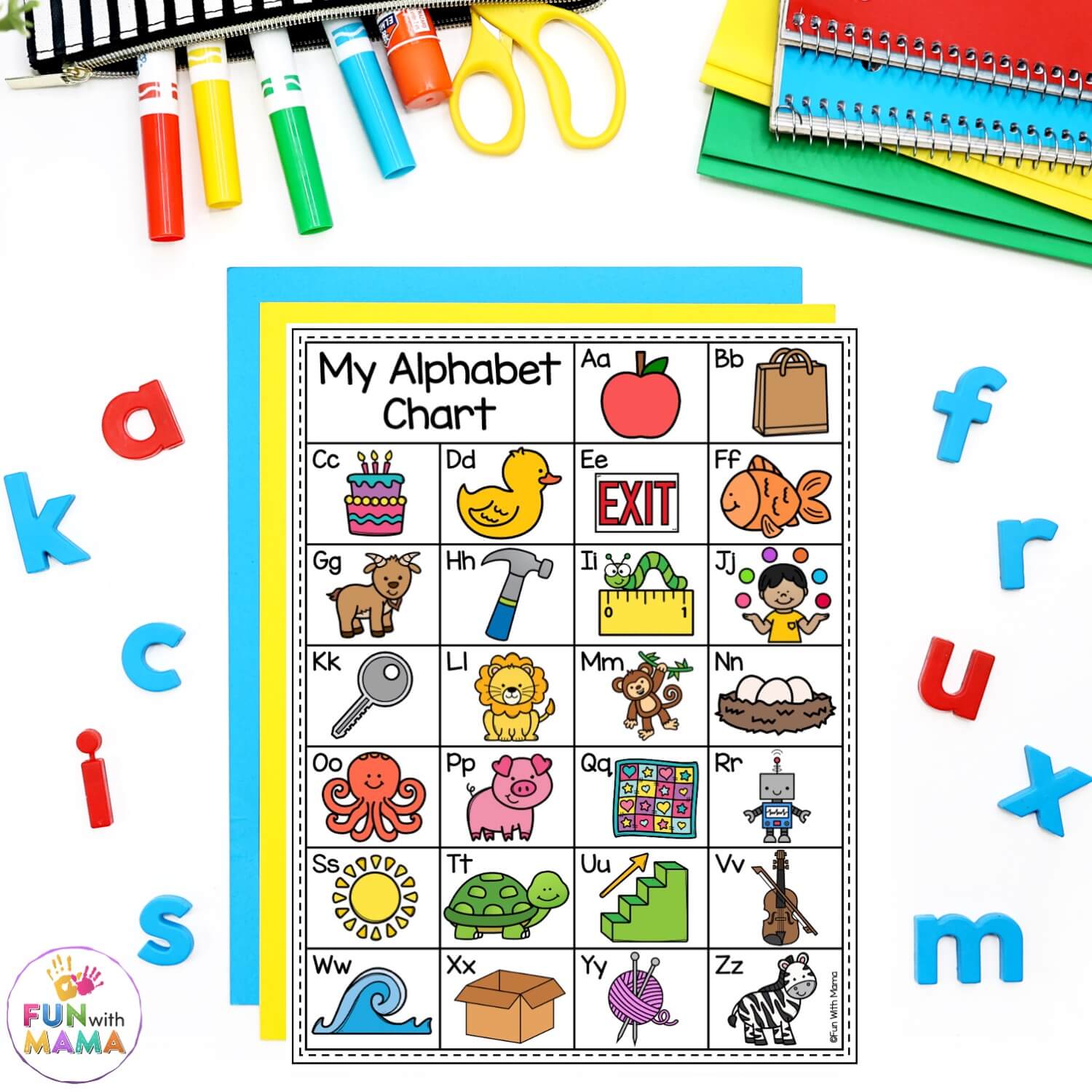
When searching for Alphabet Data Sheets For Kindergarteners, ensure that you choose resources that are age-appropriate and engaging. Look for sheets that have:
- Clear Instructions: Easy-to-follow directions can help both teachers and parents facilitate learning without confusion.
- Varied Activities: A mix of tracing, matching, and coloring will keep the experience fresh and interesting.
- Visual Appeal: Bright colors and engaging designs can draw children’s attention and make learning feel like play.
Many educational websites offer free or low-cost printable resources. It’s worth exploring these options to find the best fit for your classroom or home.