
Using Alphabet Craft Templates For Printing can transform the learning experience for young children, making it both enjoyable and effective. These templates provide a hands-on approach to learning the alphabet, which is crucial for early literacy development. In this article, we’ll explore how to effectively use these templates in your classroom or home setting.
Understanding Alphabet Craft Templates
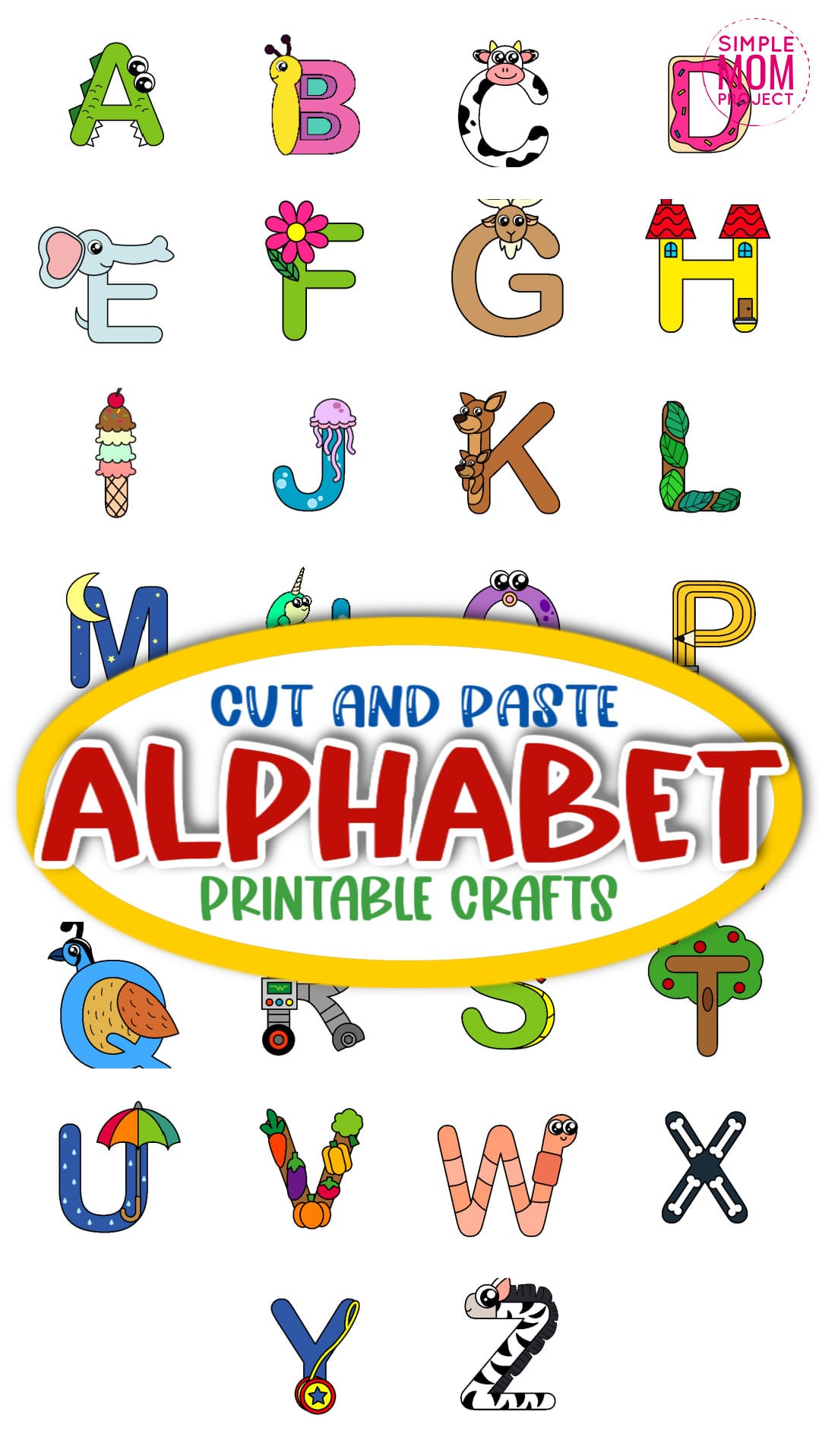
Alphabet craft templates are printable resources designed to help children learn letters through engaging activities. They often include various designs for each letter, enabling kids to create crafts that reinforce letter recognition and phonetic sounds. These activities are suitable for preschool and early elementary grades, typically ages 3 to 7.
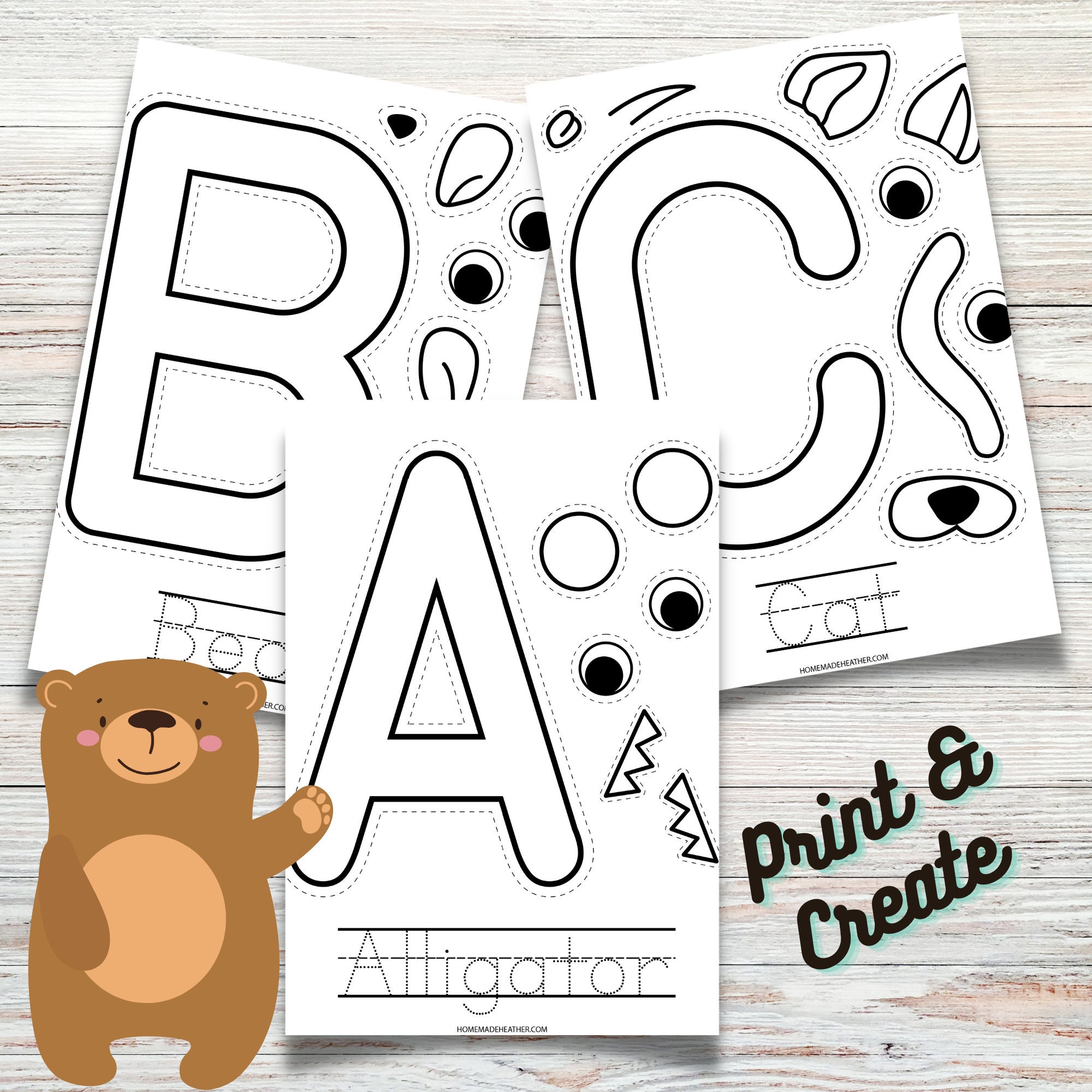
When using Alphabet Craft Templates, you can expect activities that involve cutting, coloring, and assembling. This tactile experience not only aids in letter recognition but also enhances fine motor skills.
Choosing the Right Templates
Selecting the right templates is crucial to ensure they meet your educational goals. Here are some tips to guide your selection:
- Age Appropriateness: Ensure the complexity of the templates matches the skill level of your students. Younger children may benefit from simpler designs, while older kids can handle more intricate templates.
- Theme Relevance: Consider the seasonal or thematic context of your lessons. For example, templates featuring animals or seasonal elements can enrich your curriculum.
- Activity Type: Decide if you want a craft for a single letter, a full alphabet project, or a themed set (like holidays). This will guide your purchase or download options.
Downloading and Printing Templates
Once you’ve selected your templates, the next step is downloading and printing them. Here’s a straightforward process to follow:
- Access the Resource: Navigate to a reputable site that offers Alphabet Craft Templates For Printing. Look for user-friendly platforms that allow easy downloads.
- Choose Format: Ensure the templates are available in a PDF format, as this prevents reformatting issues that can arise with image files.
- Print Settings: Set your printer to the correct paper size, commonly 8.5 x 11 inches for standard printing. Portrait layout works best for most templates.
- Paper Type: Use cardstock for durability, especially if the crafts will be handled frequently or displayed. For coloring pages, regular printer paper suffices.
Preparing for Classroom Use
When using Alphabet Craft Templates in a classroom setting, organization is key. Here’s how to prepare effectively:
- Print in Bulk: If teaching a full class, consider printing multiple copies of each template. This ensures every child has access to the same resources.
- Organize by Letter: Keep templates sorted by letter or theme in folders or bins. This reduces confusion during activities.
- Supply Station: Set up a dedicated craft station with scissors, glue, and coloring materials. This promotes a smooth workflow during craft time.
Implementing the Activities
Now it’s time to put the templates to use in your lessons. Here are some engaging activity ideas:
Individual Letter Crafts
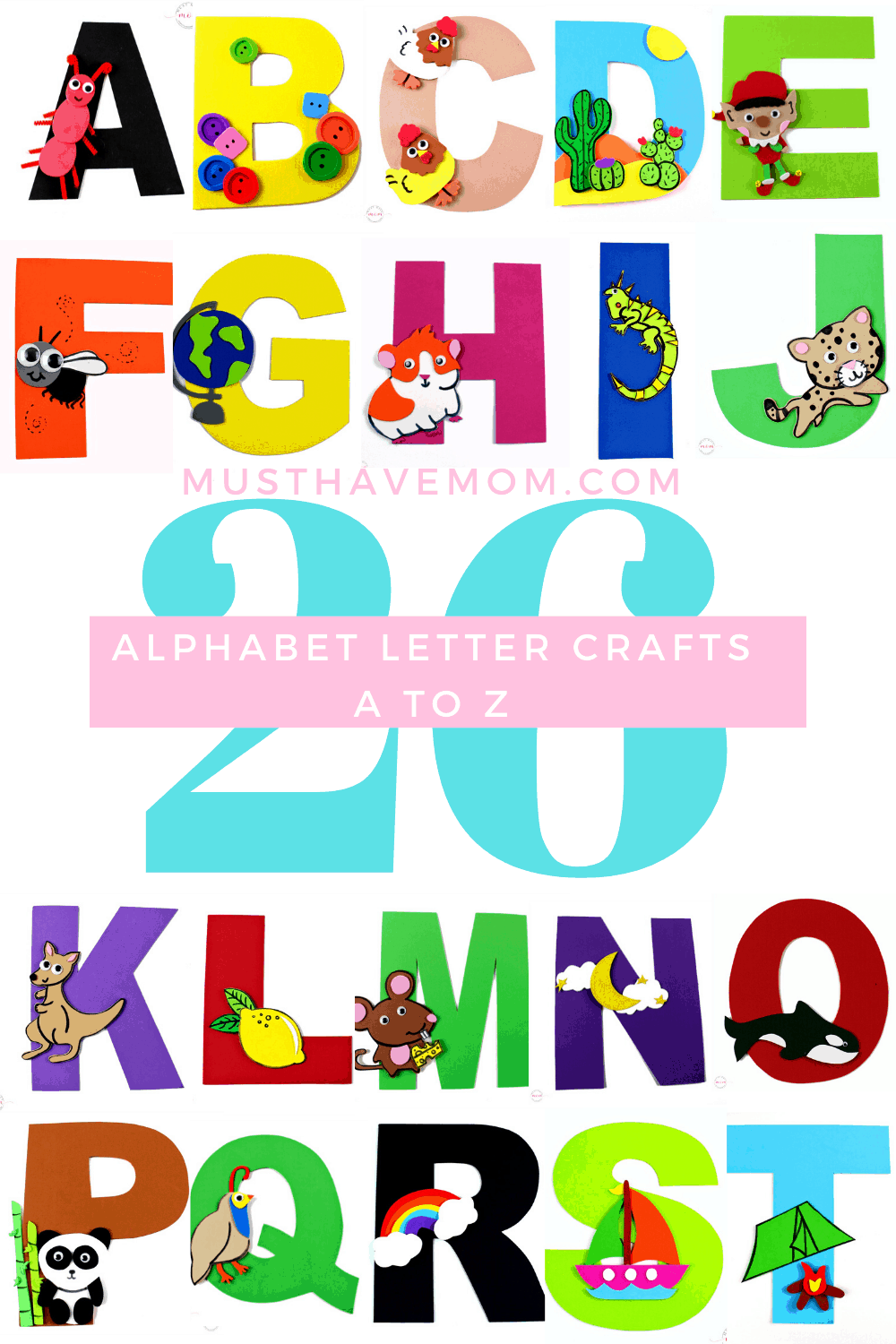
For each letter, guide students through creating a craft that represents that letter. For example:
- A for Apple: Students can cut out an apple shape and decorate it with red or green crayons.
- B for Butterfly: Use the butterfly template for students to color and assemble, discussing the letter’s sound as they work.
Group Projects
Encourage collaboration by assigning group projects where students create a large alphabet collage. Each child can work on a different letter, and together they can display their work around the classroom.
Thematic Units
Integrate alphabet crafts into thematic units. For instance, during a “Farm” theme, use templates related to farm animals for letters like “C” for Cow or “H” for Horse. This reinforces vocabulary while teaching the alphabet.
Managing Grading and Feedback
While these activities are fun, they also need assessment. Here’s how to manage grading and provide feedback effectively:
- Observation: Take notes on each child’s participation and engagement during the crafting process. This can provide valuable insights into their understanding and skills.
- Display Work: Create a display area for completed crafts. This not only boosts students’ confidence but allows for peer review and discussion.
- Provide Constructive Feedback: Offer specific feedback on their crafts, focusing on creativity and effort rather than perfection. Encourage them to express their thoughts about their work.
Engaging Parents With Alphabet Crafts
Involving parents can enhance the learning experience. Here are ways to engage them:
- Send Templates Home: Provide parents with copies of the templates for home use. This encourages continued learning outside the classroom.
- Showcase Projects: Organize an event where students can show their crafts to their parents. This can foster a sense of community and pride in their work.
- Encourage Home Activities: Suggest parents use the templates for family craft nights, reinforcing letter learning in a fun setting.
Final Tips for Success
Using Alphabet Craft Templates For Printing can make a significant impact in teaching young children their letters. To maximize your success:
- Adapt Activities: Be flexible and adapt activities to suit your students’ needs and interests.
- Incorporate Technology: Consider using digital templates for remote learning or as an additional resource during in-person classes.
- Celebrate Progress: Regularly celebrate the progress of your students. Recognition can motivate them to engage further with their learning.
By following these steps and utilizing the resources available, you can create a dynamic and effective learning environment that fosters early literacy through creativity and fun.