
When it comes to teaching letters and sounds, nothing captures a child’s imagination quite like Alphabet Coloring Sheets With Pictures. These resources are designed not only to entertain but also to educate. With vibrant illustrations accompanying each letter, they help kids connect letters with words and images, reinforcing their understanding in a fun way. If you’ve been searching for effective tools to engage your students or children at home, these coloring sheets are a great choice.
Understanding the Layout of Alphabet Coloring Sheets
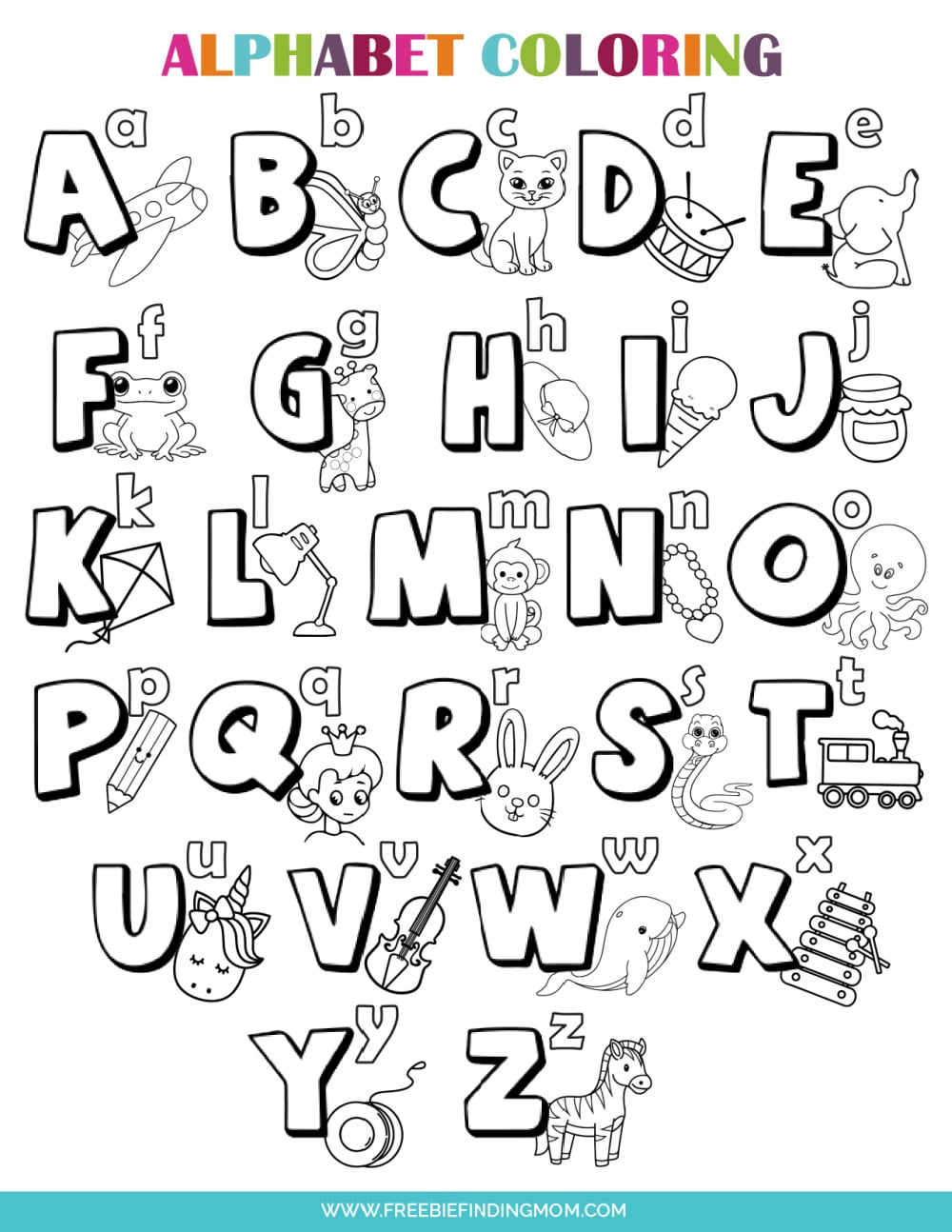
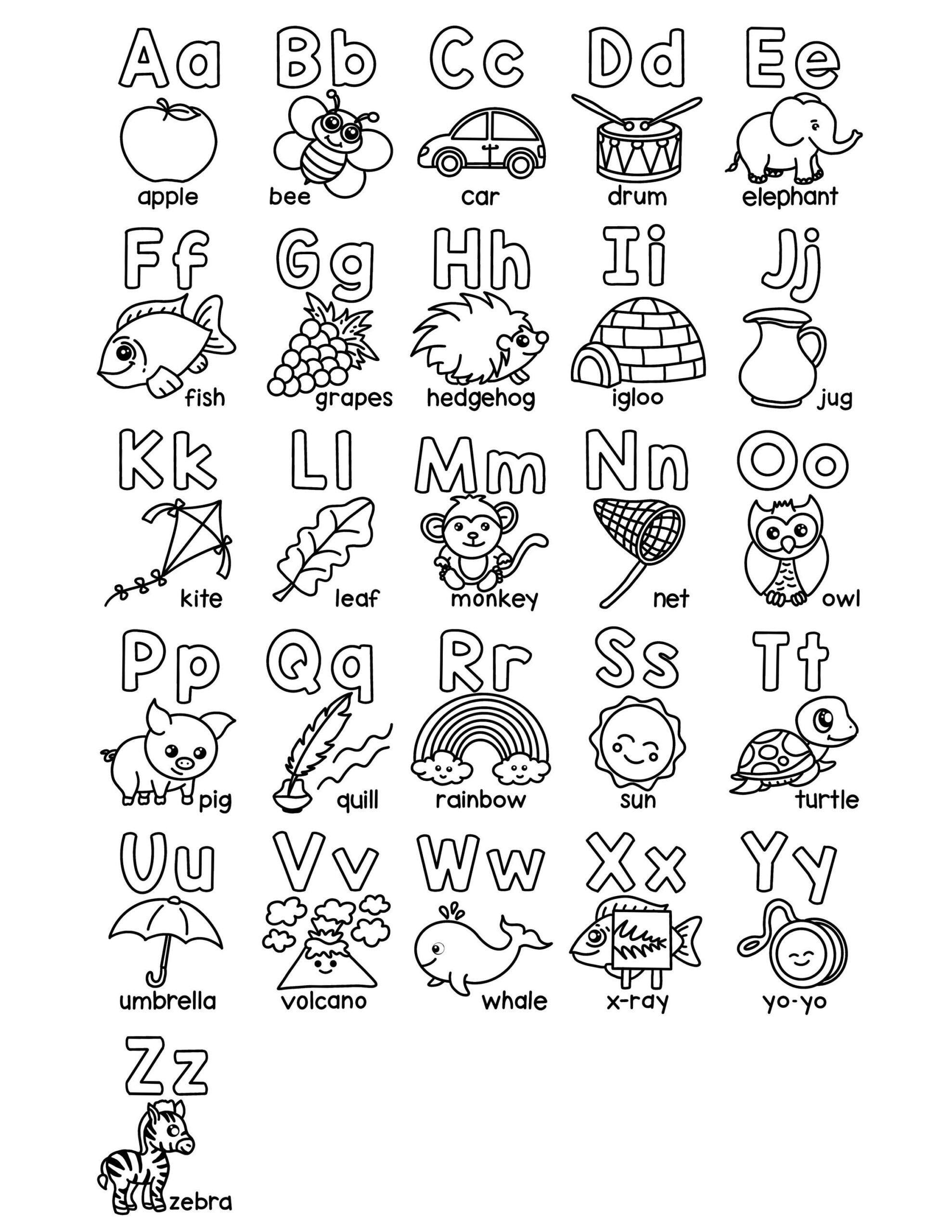
Alphabet coloring sheets typically feature one letter per page, accompanied by a corresponding picture that starts with that letter. For instance, an ‘A’ page might include an apple, while ‘B’ could showcase a butterfly. This design choice serves a dual purpose: it provides a visual reference for the letter and encourages kids to think of words that start with that letter.
The layout is straightforward, often with the letter prominently displayed at the top or center of the page, followed by a large outline of the image to color. This format allows for easy printing and is suitable for various age groups, typically ranging from preschool to early elementary grades. The simplicity of the design ensures that children can focus on coloring while also practicing letter recognition.
How to Use Alphabet Coloring Sheets Effectively
Using these coloring sheets in a classroom or at home can be both educational and enjoyable. Here are a few practical ways to incorporate them into your teaching routine:
- Letter of the Day: Choose a letter each day and have students color the corresponding sheet. This daily practice reinforces letter recognition and helps children associate letters with their sounds.
- Group Activities: Divide students into small groups and assign each group different letters. They can present their colored sheets to the class, sharing words that start with their assigned letters.
- Art Integration: Encourage creativity by allowing students to add their own illustrations or decorations to the coloring sheets. This not only makes the activity more engaging but also promotes fine motor skills.
- Home Learning: For parents, these sheets can be a fantastic resource for reinforcing letter learning at home. Set aside time for coloring and discussing the letters together, making it a bonding experience.
Mastery and Progress Tracking
One of the key aspects of using Alphabet Coloring Sheets With Pictures is monitoring a child’s progress. Here’s what mastery might look like:
- Recognition: A child should be able to identify the letter and its corresponding sound after completing a few coloring sheets. You can ask them to name the letter and the picture as they color.
- Vocabulary Expansion: As kids color, encourage them to come up with additional words that begin with that letter. This exercise helps expand their vocabulary and builds connections between letters and words.
- Fine Motor Skills: Coloring helps improve fine motor skills, which are crucial for writing. Look for neatness and control in how they color within the lines, as this reflects their developing dexterity.
To track progress, consider keeping a portfolio of their completed sheets. This not only provides a visual record of their learning journey but also gives children a sense of achievement as they see how many letters they’ve mastered.
Customization Options for Enhanced Learning
Many printable resources offer customization options for Alphabet Coloring Sheets With Pictures. Here are a couple of ways to tailor these sheets to better fit your educational needs:
- Personalized Worksheets: Some platforms allow you to create personalized sheets that may include a child’s name or favorite characters alongside the letters. This can make the learning experience more relatable and fun.
- Different Skill Levels: Look for sheets that cater to various skill levels. For instance, some might have dotted lines for tracing the letters, while others may simply have the letter and picture for coloring. This differentiation helps cater to the diverse needs of your students.
Choosing the Right Paper and Printing Tips
When it comes to printing these coloring sheets, consider the following tips to enhance the experience:
- Paper Type: Using thicker paper, like cardstock, can improve the coloring experience, especially if kids are using markers or paint. Thicker sheets prevent bleed-through and can withstand more vigorous coloring.
- Print Settings: Ensure your printer settings are adjusted for high-quality printing. Portrait layout generally works better for most home printers, and selecting a higher DPI (dots per inch) can yield sharper images.
- Coloring Tools: Provide a variety of coloring tools, such as crayons, colored pencils, or markers. Each tool can produce different effects, and children often enjoy experimenting with different media.
By taking these considerations into account, you can create a more engaging and effective learning environment for children.