
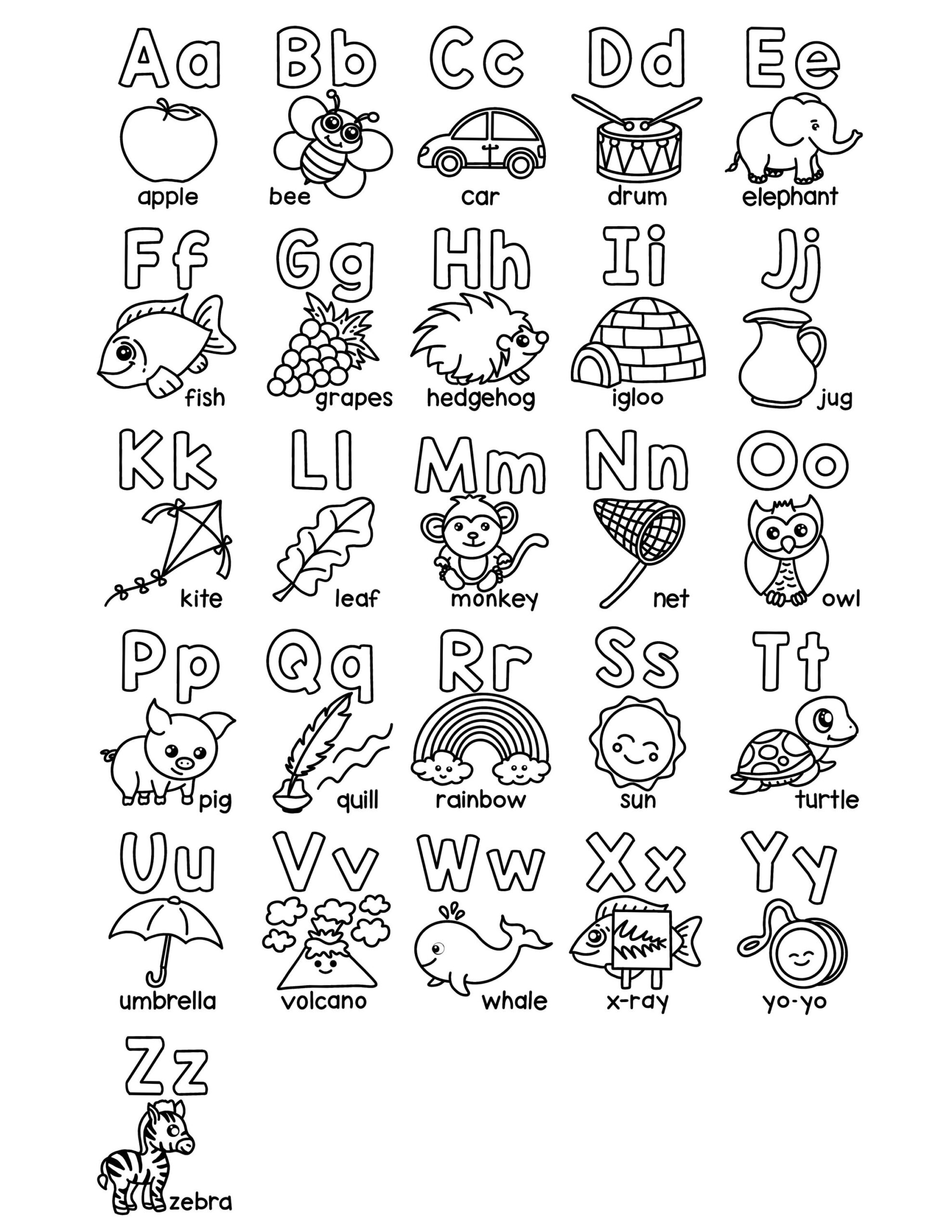
Using an Alphabet Coloring Sheet Full Alphabet can be a wonderful resource for teachers and caregivers looking to engage young learners in a fun and educational way. This activity not only enhances creativity but also reinforces letter recognition and phonics skills. In this guide, we’ll explore practical uses for this printable resource, ideal age levels, and tips on integrating it into your teaching routine.
Understanding the Benefits of Alphabet Coloring Sheets
Coloring sheets serve multiple educational purposes. First and foremost, they help children recognize letters and begin associating them with sounds. An Alphabet Coloring Sheet Full Alphabet provides a visual and tactile way for kids to interact with the letters of the alphabet, making learning enjoyable.
This resource is suitable for preschool and early elementary students, typically ranging from ages 3 to 7. As children color each letter, they can also practice saying the letter names and sounds, which reinforces their phonetic awareness. Plus, coloring activities can improve fine motor skills, as children learn to control their coloring tools.
How to Introduce the Alphabet Coloring Sheet
When introducing an Alphabet Coloring Sheet Full Alphabet to your classroom or home, consider the following steps:
- Gather Supplies: You’ll need the coloring sheets, crayons or markers, and possibly some fun stickers or stamps for added engagement.
- Set Up a Comfortable Workspace: Ensure that there is enough space for each child to work comfortably. A table with good lighting is ideal. If you’re using these at home, a kitchen table or a designated craft area works well.
- Explain the Activity: Start by showing the sheet and explaining that each letter of the alphabet is represented. Encourage children to say the letters aloud as they color.
- Demonstrate: Show them how to color within the lines and encourage them to use different colors for each letter. This not only makes the activity visually appealing but also keeps it engaging.
- Incorporate Learning: As children work, walk around and ask them about the letters they are coloring. For example, ask questions like, “What letter is this?” or “Can you think of a word that starts with this letter?” This interaction promotes language skills and reinforces their learning.
Creative Variations for Using the Coloring Sheets
While the primary use of the Alphabet Coloring Sheet Full Alphabet is straightforward coloring, there are several creative variations to keep the activity fresh and exciting:
Letter Matching
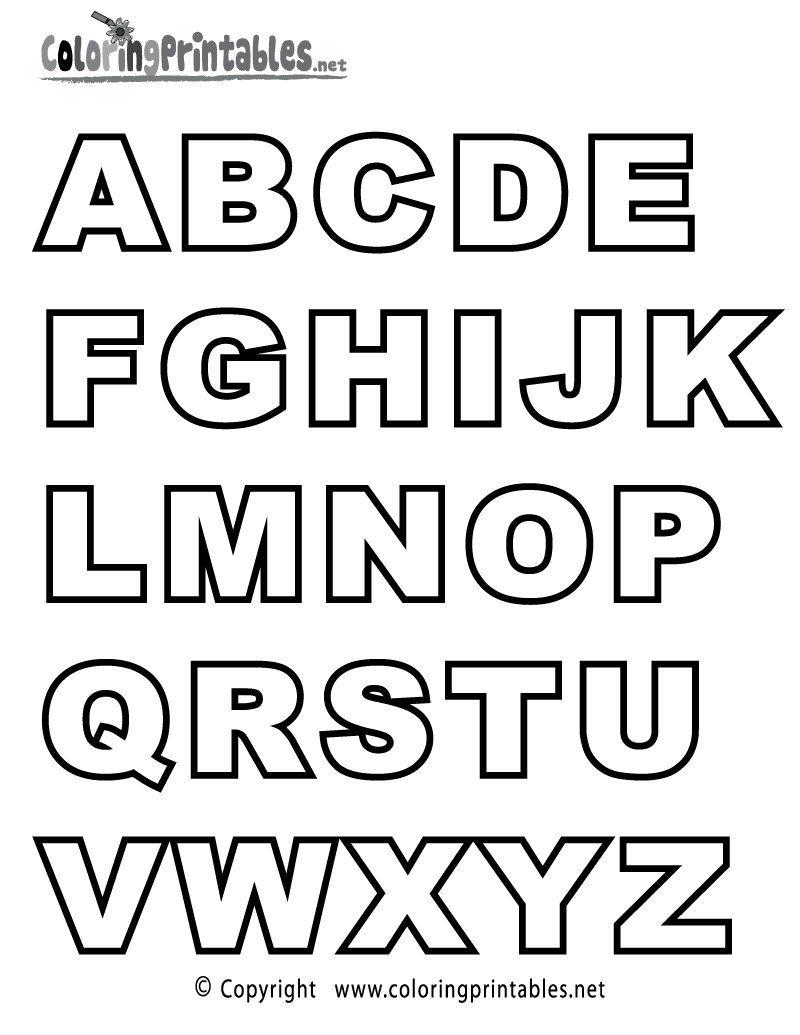
After children color a letter, provide them with small objects or pictures that begin with that letter. For instance, after coloring the letter ‘A’, show them an apple or an alligator. This reinforces the connection between letters and their sounds.
Alphabet Games
Turn the coloring activity into a game. For example, after coloring a letter, challenge the children to find items in the classroom or at home that begin with that letter. This not only reinforces letter recognition but also encourages exploration.
Collaborative Projects
Consider turning the alphabet coloring sheets into a class book. After each child colors their letters, compile the sheets into a binder or scrapbook. This not only celebrates their work but can also serve as a reference for future lessons.
Tips for Printing and Preparing the Sheets
Before you print and distribute your Alphabet Coloring Sheet Full Alphabet, here are a few practical tips:
- Paper Choice: For best results, print on heavier paper or cardstock. This helps prevent tearing and allows for better coloring results. If you plan to laminate the sheets for repeated use, cardstock is the best choice.
- Printer Settings: Use a standard letter-size (8.5 x 11 inches) setting for easy printing. If you’re using a color printer, ensure the settings are adjusted to print in high quality for vibrant colors.
- Accessibility: If you’re working in a classroom, consider providing crayons or markers in a variety of colors for students to choose from. This encourages creativity and allows for personal expression.
Integrating Alphabet Coloring Sheets Into a Lesson Plan
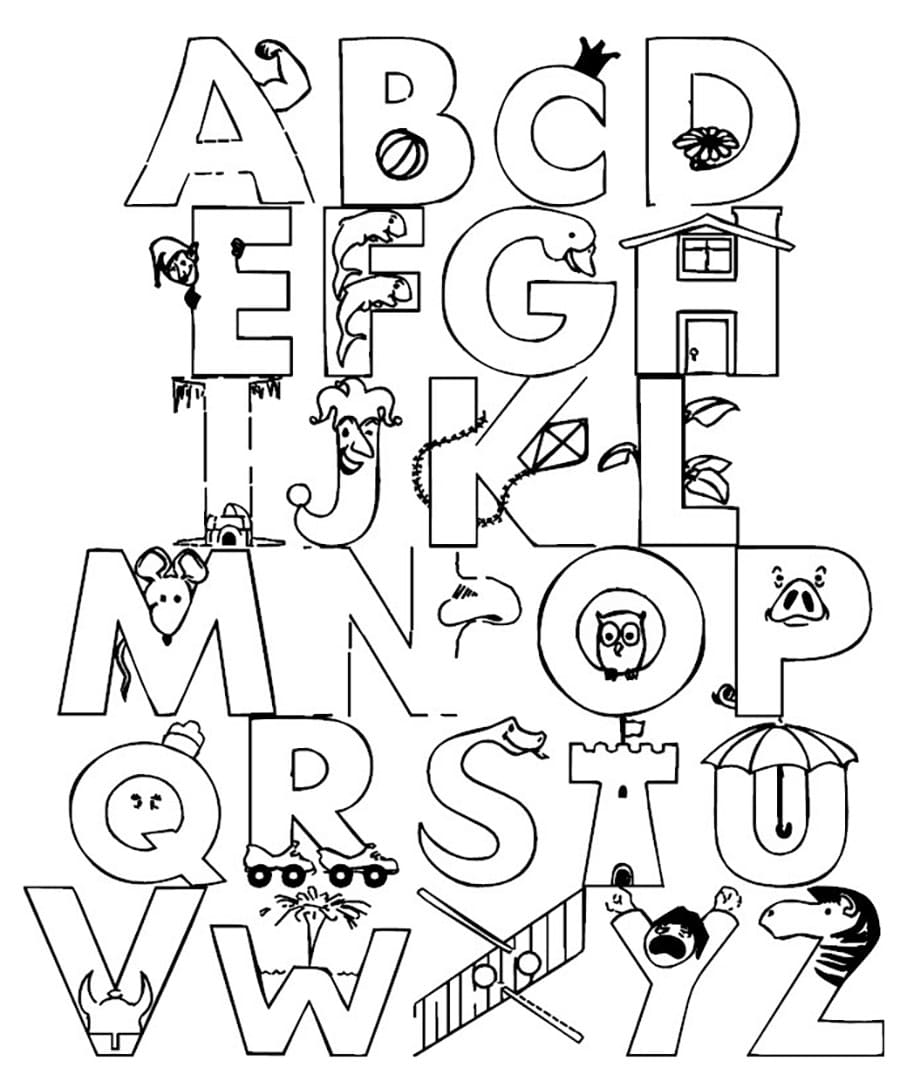
To effectively incorporate the Alphabet Coloring Sheet Full Alphabet into your lesson plans, consider the following structure:
- Introduction (10-15 minutes): Begin with a brief discussion about the alphabet. Use songs or videos to grab attention and introduce the letters.
- Coloring Activity (20-30 minutes): Distribute the coloring sheets and materials. Allow ample time for children to color while engaging them in discussions about the letters they are working on.
- Letter Recognition Games (15-20 minutes): After coloring, play games that reinforce their learning. Use flashcards or interactive group activities to make it fun.
- Wrap-Up (5-10 minutes): Conclude by reviewing what they learned. Ask each child to share their favorite letter and what sound it makes.