
Learning the alphabet is a foundational skill for children, and using resources like Alphabet Coloring Pages Upper And Lowercase can make this process both enjoyable and effective. These unique coloring pages not only serve as a fun activity but also reinforce letter recognition, phonics, and fine motor skills. In this article, I’ll walk you through the key features of these coloring pages and how to effectively incorporate them into your lessons or home activities.
Understanding the Layout of Alphabet Coloring Pages
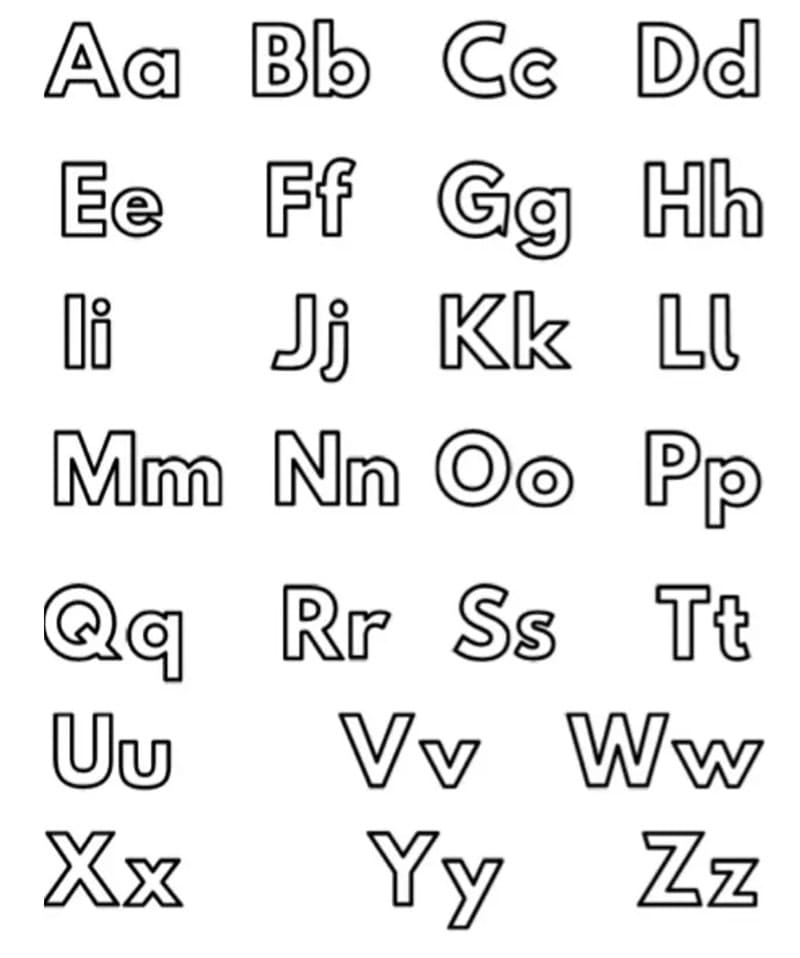
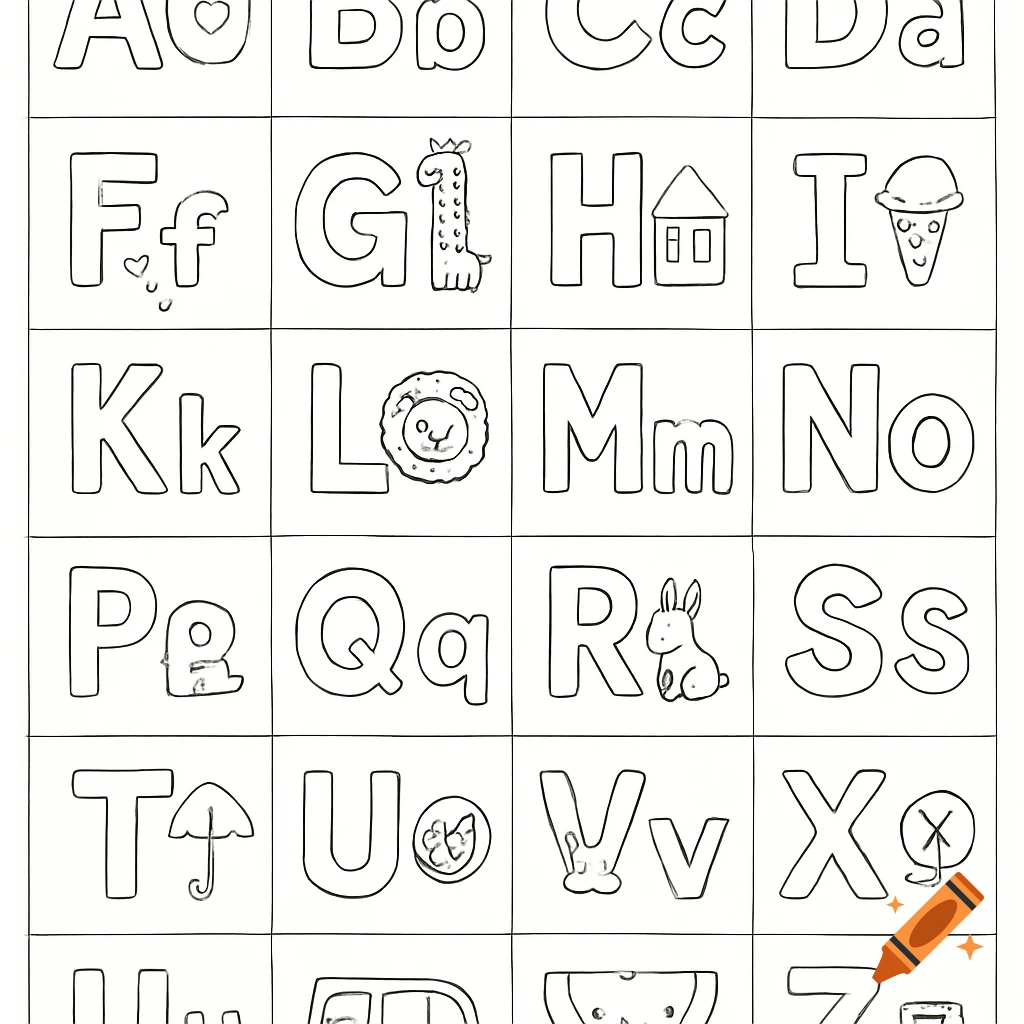
The layout of Alphabet Coloring Pages is designed with both aesthetics and educational value in mind. Typically, each page features a large letter—both uppercase and lowercase—centered prominently. Around these letters, there are often illustrations of objects that start with the corresponding letter. For instance, the letter “A” might be accompanied by an apple or an alligator, providing visual cues that help children make connections between the letter and its sound.
The choice of layout is crucial. The bold, clear fonts used for the letters ensure that they are easily recognizable, while the accompanying images stimulate interest and engagement. This dual approach caters to different learning styles, allowing visual learners to thrive alongside those who benefit from tactile activities like coloring.
Skill Reinforcement Through Coloring
Coloring is not just a pastime; it’s a skill-building activity. As children color the letters, they practice their fine motor skills, which are essential for writing. The act of holding crayons or markers helps strengthen the muscles in their hands, preparing them for future tasks such as penmanship.
Incorporating Alphabet Coloring Pages into your teaching can be done in several ways. You might start a lesson by introducing a letter, discussing its sound and associated words, and then transition into a coloring activity. This method reinforces the letter’s shape and sound through both auditory and kinesthetic learning.
Age Appropriateness and Classroom Use
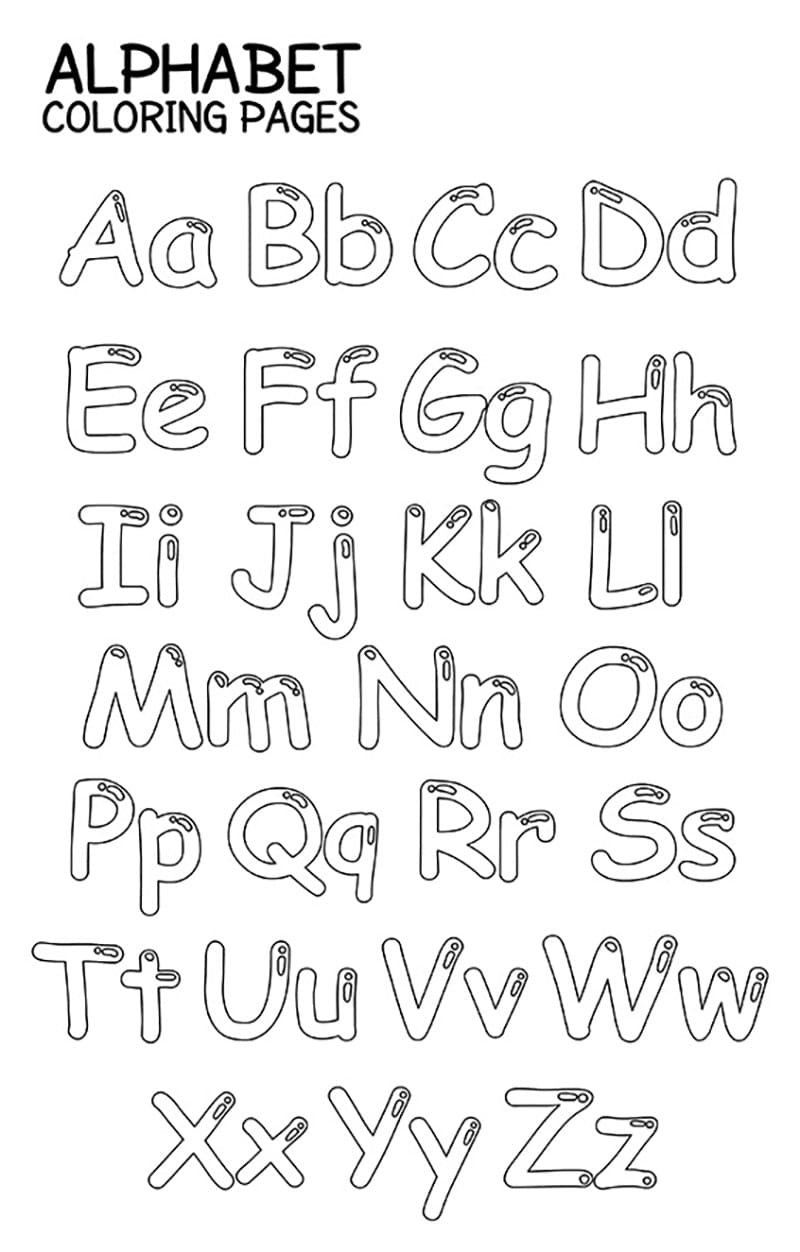
These pages are suitable for preschool and kindergarten-aged children, typically ranging from 3 to 6 years old. In a classroom setting, you can use them as part of a larger unit on letters or phonics. They work particularly well during circle time or as a station activity where children can work independently or in small groups.
For homeschooling parents, Alphabet Coloring Pages can be an effective tool for daily lessons. You might schedule a specific time each day for coloring, allowing your child to explore letters at their own pace while enjoying the process.
Enhancing Engagement With Thematic Elements
To make the most of Alphabet Coloring Pages, consider incorporating thematic elements related to holidays or seasons. For example, during the autumn, you could focus on letters associated with fall items (like “F” for “fall” or “P” for “pumpkin”). This approach not only keeps the activity fresh and exciting but also helps children make connections between letters and real-world concepts.
Additionally, you can create a themed coloring book by compiling pages that fit a specific season or theme. This can serve as a fun keepsake for children to reflect on their learning throughout the year.
Variations and Extensions
To further enhance the learning experience, consider variations on the coloring activity. Here are a few ideas:
- Letter Tracing: Encourage children to trace the letters with their fingers before coloring them. This adds an extra layer of kinesthetic learning.
- Sound Games: After coloring, play games where children identify words that start with the letters they’ve colored. This reinforces phonetic awareness.
- Art Integration: Let children decorate their letters with stickers or collage materials, encouraging creativity while still focusing on the alphabet.
Practical Tips for Printing and Usage
When it comes to printing Alphabet Coloring Pages, there are a few practical considerations to keep in mind:
- Paper Type: Use standard printer paper for casual coloring sessions, but if you anticipate kids using markers, consider cardstock. It holds up better and prevents bleeding through.
- Size Matters: Most coloring pages are formatted for standard letter-sized paper (8.5 x 11 inches), which is widely compatible with home printers. Ensure your printer settings are adjusted to avoid any cropping.
- PDF Format: Opt for printable PDF files whenever possible. They maintain the layout and quality better than image files, ensuring a crisp, clear design for your students.