
Coloring pages are a fantastic resource for engaging children while helping them learn the alphabet. Alphabet Coloring Pages Printable For Kids provide a fun way to reinforce letter recognition and phonetic sounds. These pages help young learners develop fine motor skills and foster creativity, all while they color and play. In this guide, you’ll discover how to utilize these resources effectively in various settings, from classrooms to homeschools and even at home.
Understanding the Importance of Coloring Pages
Coloring is not just an enjoyable pastime; it’s an essential activity for children, particularly those in preschool and early elementary grades. When children color, they engage multiple skills:
- Fine Motor Skills: Holding crayons or markers helps develop hand-eye coordination.
- Creativity: Choosing colors and making artistic decisions fosters creative thinking.
- Cognitive Development: Associating letters with images aids memory retention.
By providing Alphabet Coloring Pages Printable For Kids, you create an interactive learning experience that keeps children entertained while they absorb essential literacy concepts.
Choosing the Right Printable Coloring Pages
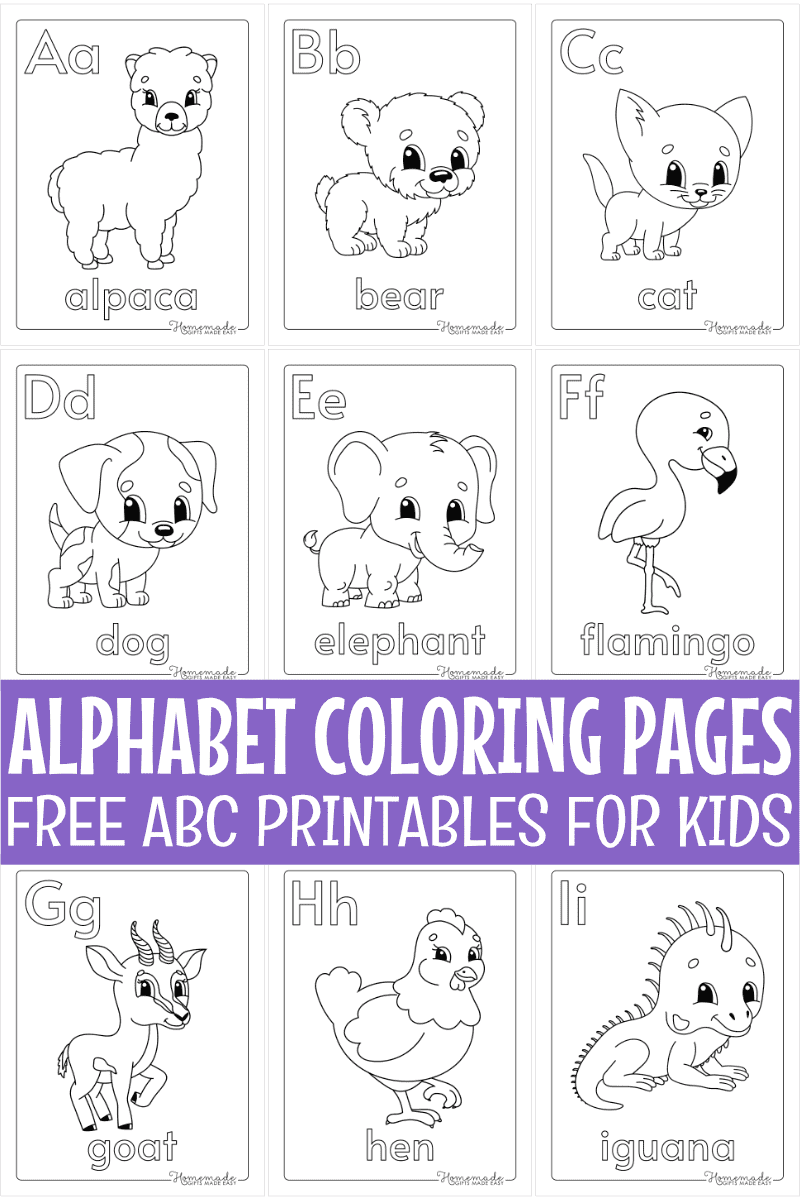
When selecting coloring pages, consider the age and skill level of your learners. For preschoolers, look for pages that feature large, simple letters and corresponding images. For slightly older children, you might choose pages with more intricate designs or letters combined with words.
Here are a few tips for selecting the right printable resources:
- Age Appropriateness: Ensure the complexity of the images matches the children’s motor skills.
- Theme Relevance: Look for pages that connect letters to themes your students are learning about, such as animals or food.
- Visual Appeal: Bright and engaging illustrations can motivate children to color and learn.
Downloading and Printing Your Coloring Pages
Once you’ve selected the Alphabet Coloring Pages Printable For Kids that suit your needs, it’s time to download and print them. Here’s how to do that effectively:
- Locate a Reliable Source: Use reputable educational websites or platforms offering free or affordable printable resources.
- Download the PDF: Opt for PDF format when available, as it preserves the layout and quality of the images.
- Check Printer Settings: Adjust your printer settings to ensure the pages print correctly. Typically, a portrait layout works best for coloring pages.
- Paper Selection: Use standard letter-sized paper (8.5” x 11”) for easy handling. If you plan to laminate the pages, consider using cardstock for durability.
Setting Up the Activity for Kids
Creating an inviting atmosphere for coloring can enhance the experience. Here’s how to set up the activity:
- Create a Comfortable Workspace: Set up a table with ample lighting and easy access to coloring materials.
- Provide a Variety of Coloring Tools: Offer crayons, colored pencils, or markers to let children choose their preferred medium.
- Incorporate Learning: While children color, engage them in discussions about the letters they are working on. Ask questions like, “What sound does this letter make?” or “Can you think of a word that starts with this letter?”
Monitoring Progress and Mastery
As children color their pages, it’s essential to monitor their progress not just in the activity, but in their understanding of the alphabet. Here are some strategies to assess their mastery:
- Observe Engagement: Notice if they show excitement about the letters and images. This can indicate their interest and understanding.
- Check Letter Recognition: After coloring, ask them to identify letters or relate them to words. For example, “What letter is this? Can you find something in the room that starts with this letter?”
- Encourage Sharing: Ask children to share their completed pages with others, explaining what they learned about each letter. This encourages verbal skills and reinforces their learning.
Enhancing the Learning Experience
To further enrich the experience, consider integrating additional activities that complement the coloring pages:
- Letter Crafts: After coloring, create crafts that involve the letters. For example, cut out the letter and decorate it with various materials.
- Storytime Connection: Read books that emphasize letters and sounds related to the coloring pages. This reinforces connections between visual and auditory learning.
- Games and Songs: Incorporate educational games or songs that focus on the alphabet. Singing the alphabet song while coloring can make the learning process more enjoyable.
By using these approaches, you can create a dynamic learning environment that keeps children engaged and enhances their understanding of the alphabet.
Tips for Successful Use of Coloring Pages
Here are some practical tips to ensure a successful experience with Alphabet Coloring Pages Printable For Kids:
- Rotate Resources: Regularly introduce new coloring pages to maintain interest. Children appreciate variety and new challenges.
- Customize for Individual Needs: If a child struggles with certain letters, provide additional pages focusing specifically on those letters.
- Laminating for Reuse: If you want to use the pages multiple times, consider laminating them. This allows children to use dry-erase markers for coloring, which can be wiped clean for reuse.
By incorporating these tips, you create a flexible learning tool that adapts to your classroom or home needs.