
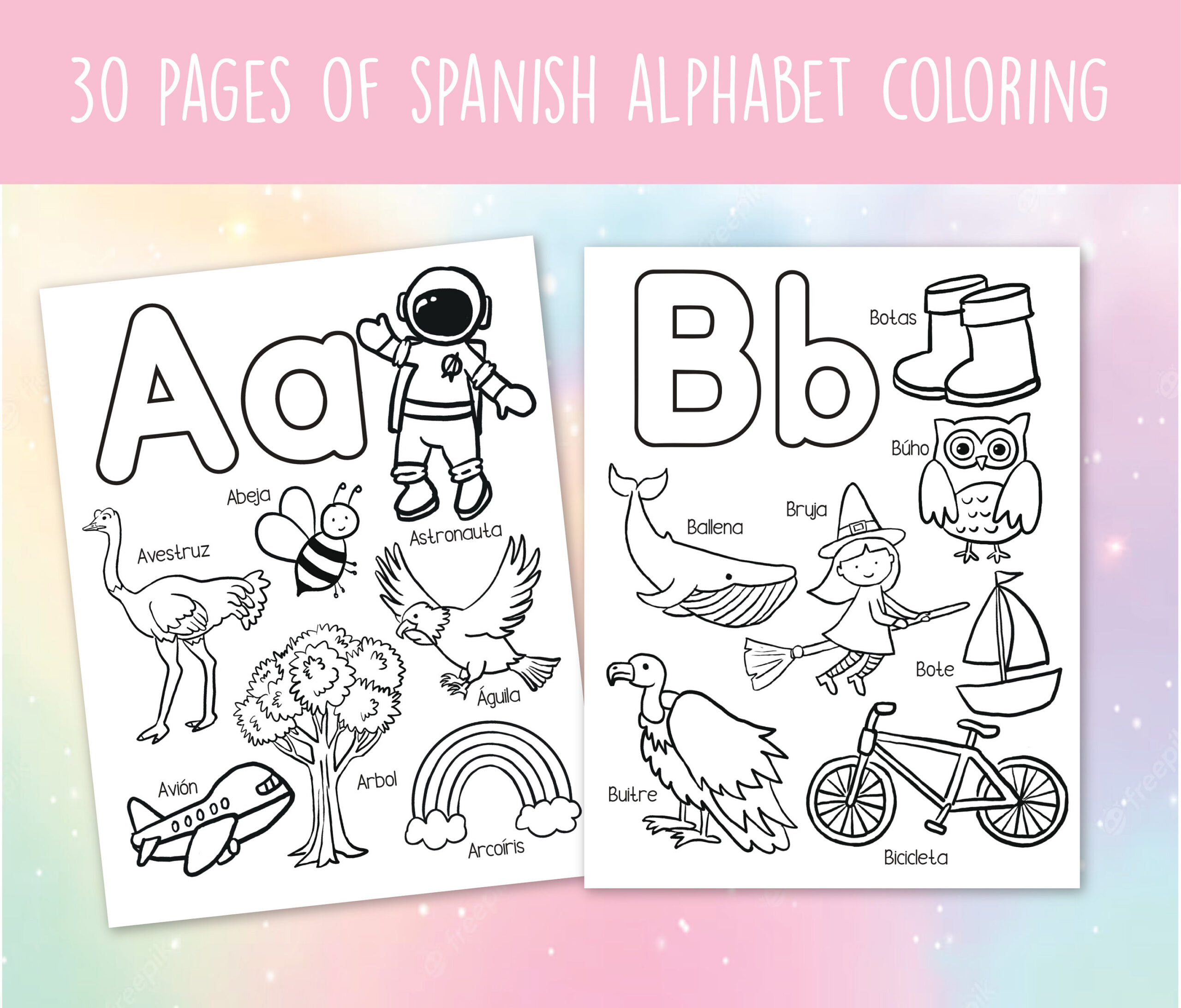
When it comes to early childhood education, finding resources that combine fun and learning can be a challenge. Alphabet Coloring Pages Preschool Spanish English offer a vibrant way to engage young learners in both language and creativity. These coloring pages serve as an excellent tool for teachers and parents looking to reinforce letter recognition and phonetic sounds in a playful environment.
The Importance of Alphabet Coloring Pages
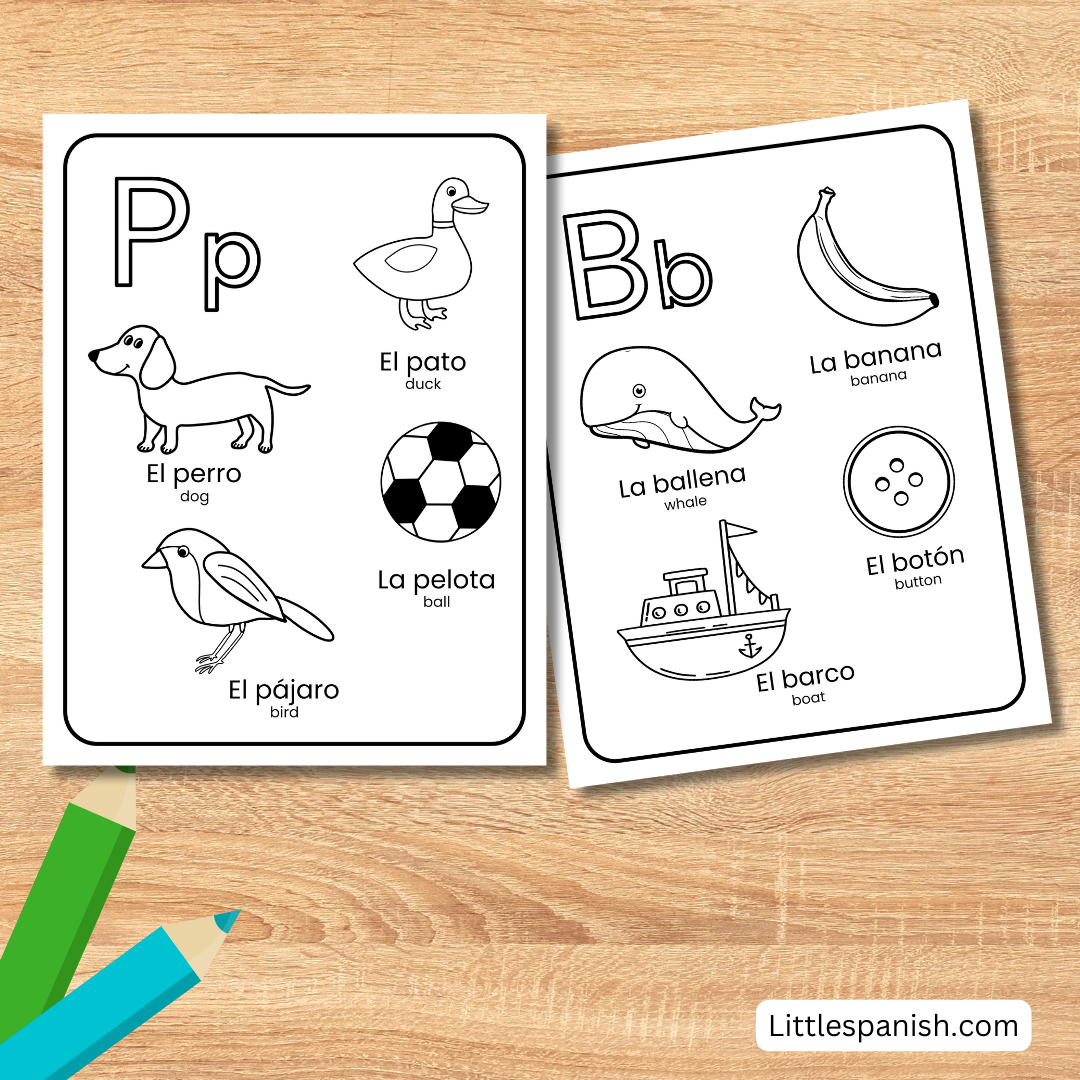
Coloring pages are more than just a fun activity; they play a crucial role in early literacy development. For preschoolers, engaging with Alphabet Coloring Pages not only enhances fine motor skills but also aids in letter recognition. When children color letters, they become familiar with their shapes and sounds, reinforcing their connection to the alphabet.
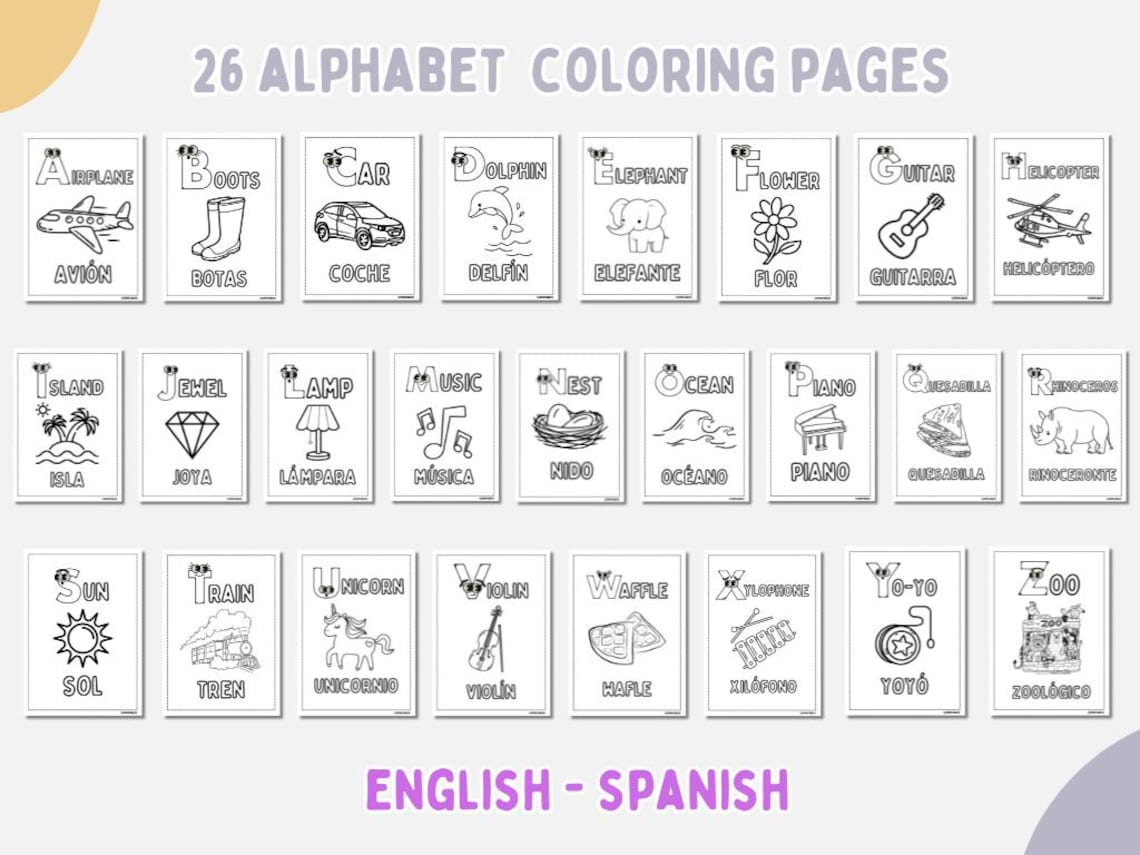
Incorporating both Spanish and English into these coloring pages broadens the educational experience. Bilingual exposure is particularly beneficial, as it helps children develop cognitive skills and cultural awareness from a young age. You can use these pages to teach letter sounds in both languages, making the learning experience richer and more diverse.
How to Use Alphabet Coloring Pages in the Classroom
Integrating Alphabet Coloring Pages into your lesson plans can be straightforward and effective. Here’s how you can make the most of them:
- Warm-Up Activity: Start your day with a fun coloring session. Distribute the coloring pages and allow children to freely color while discussing the letters. Ask questions like, “What letter is this?” or “Can you think of a word that starts with this letter?”
- Phonics Connection: Pair coloring with phonics lessons. For example, when focusing on the letter ‘A’, you can include images of an apple or an ant on the coloring page. This visual association helps reinforce the sound of the letter.
- Bilingual Learning: Use the Spanish versions of the coloring pages to introduce or reinforce vocabulary. For instance, while coloring the letter ‘A’, you might teach “manzana” (apple) in Spanish. This dual approach fosters language skills and encourages curiosity about different cultures.
- Group Activities: Organize group coloring sessions. This not only makes learning social but also allows children to share their work and discuss their thoughts on the letters they are coloring.
- Take-Home Projects: Encourage parents to participate in their child’s learning by sending home coloring pages. This not only reinforces what they learned in class but also allows parents to engage in the educational process.
Selecting the Right Materials
When preparing to use Alphabet Coloring Pages, consider the materials that will enhance the experience. Here are some recommendations:
- Paper Type: Use standard A4 or letter-sized paper for easy printing. If you plan to have students use markers or watercolors, opt for heavier cardstock to prevent bleeding.
- Printing Tips: Portrait orientation often works best for coloring pages. Make sure to check your printer settings to ensure the pages print in their intended format.
- Coloring Tools: Provide a variety of coloring tools, such as crayons, colored pencils, and markers. Each tool offers a different texture and can inspire creativity in coloring.
Ideas for Enhancing the Experience
To create a more engaging learning environment, consider these additional ideas:
- Interactive Storytime: After coloring, host a storytime session that features books focusing on the alphabet. Choose bilingual books to reinforce the connection between the letters and their sounds in both languages.
- Letter of the Day: Establish a routine where each day focuses on a different letter. Use the corresponding coloring page as a primary resource for activities throughout the day, including songs, games, and crafts.
- Create a Display: After completing the coloring pages, encourage students to display their work. This not only boosts their confidence but also creates a visually engaging classroom environment.
- Incorporate Technology: If you have access to tablets or computers, there are numerous online resources where children can color alphabet letters digitally. This can be a fun alternative that still emphasizes the same skills.
Where to Find Quality Resources
There are many places to find high-quality Alphabet Coloring Pages Preschool Spanish English. Here are a few tips on sourcing these materials:
- Printable Resource Websites: Sites dedicated to educational resources often have a variety of coloring pages available for download. Look for those that offer bilingual options to cater to both English and Spanish speakers.
- Educational Publishers: Many educational publishers create coloring pages that align with their phonics programs. These can be particularly useful if you’re following a specific curriculum.
- Teacher Blogs and Forums: Educators often share their resources online. Check out teacher blogs and forums where you can find free downloads and ideas on how to use them in your classroom.
- Social Media Groups: Join Facebook groups or Pinterest boards focused on teaching resources. These communities frequently share links to printable resources, including bilingual coloring pages.
Making the Most of Your Coloring Pages
As you implement Alphabet Coloring Pages into your teaching strategy, consider how these pages can be a springboard for a variety of learning activities. For instance, after coloring, you could ask children to write a sentence using a word that starts with the letter they just colored. This not only reinforces their writing skills but also provides an opportunity for them to connect the visual aspect of the letter with written language.
You can also create themed weeks around specific letters, where each day children engage with activities related to that letter’s sound, shape, and associated vocabulary. This can help solidify their understanding and make learning feel cohesive and engaging.
Alphabet Coloring Pages Preschool Spanish English are a fantastic resource for early education. They promote creativity while reinforcing essential literacy skills in both languages. By thoughtfully integrating these resources into your teaching, you can foster an enriching, bilingual learning environment that your students will love.