
Coloring is more than just a fun activity for young children; it serves as a vital stepping stone in their educational journey. For preschoolers, Alphabet Coloring Pages Pre K provide an interactive way to blend creativity with learning the alphabet. These resources not only encourage artistic expression but also help young learners recognize letters and associate them with corresponding words and images. By incorporating these pages into your home or homeschool routine, you can foster a love of learning in a relaxed and enjoyable way.
Choosing the Right Alphabet Coloring Pages
When selecting Alphabet Coloring Pages for Pre K, consider the following aspects to ensure they meet your child’s needs:
- Age Appropriateness: Ensure the coloring pages are designed for preschoolers, featuring simple designs that aren’t overwhelming.
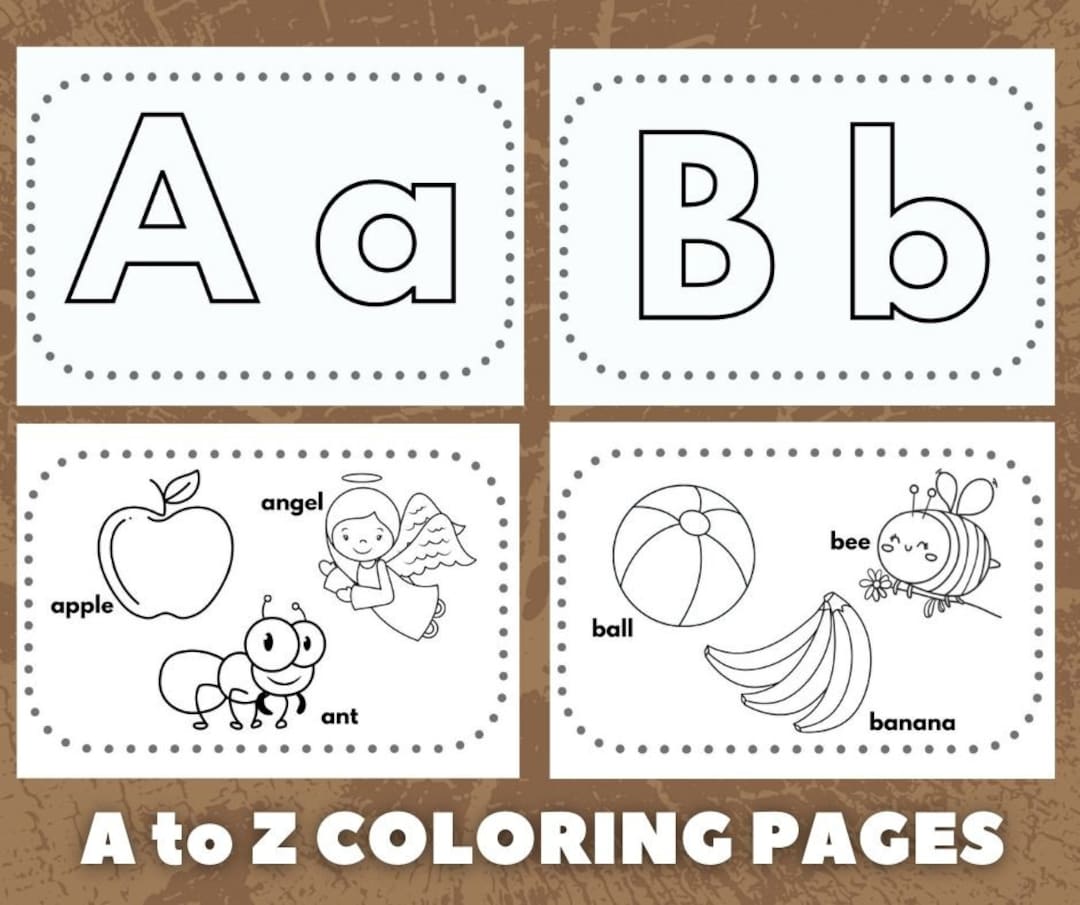
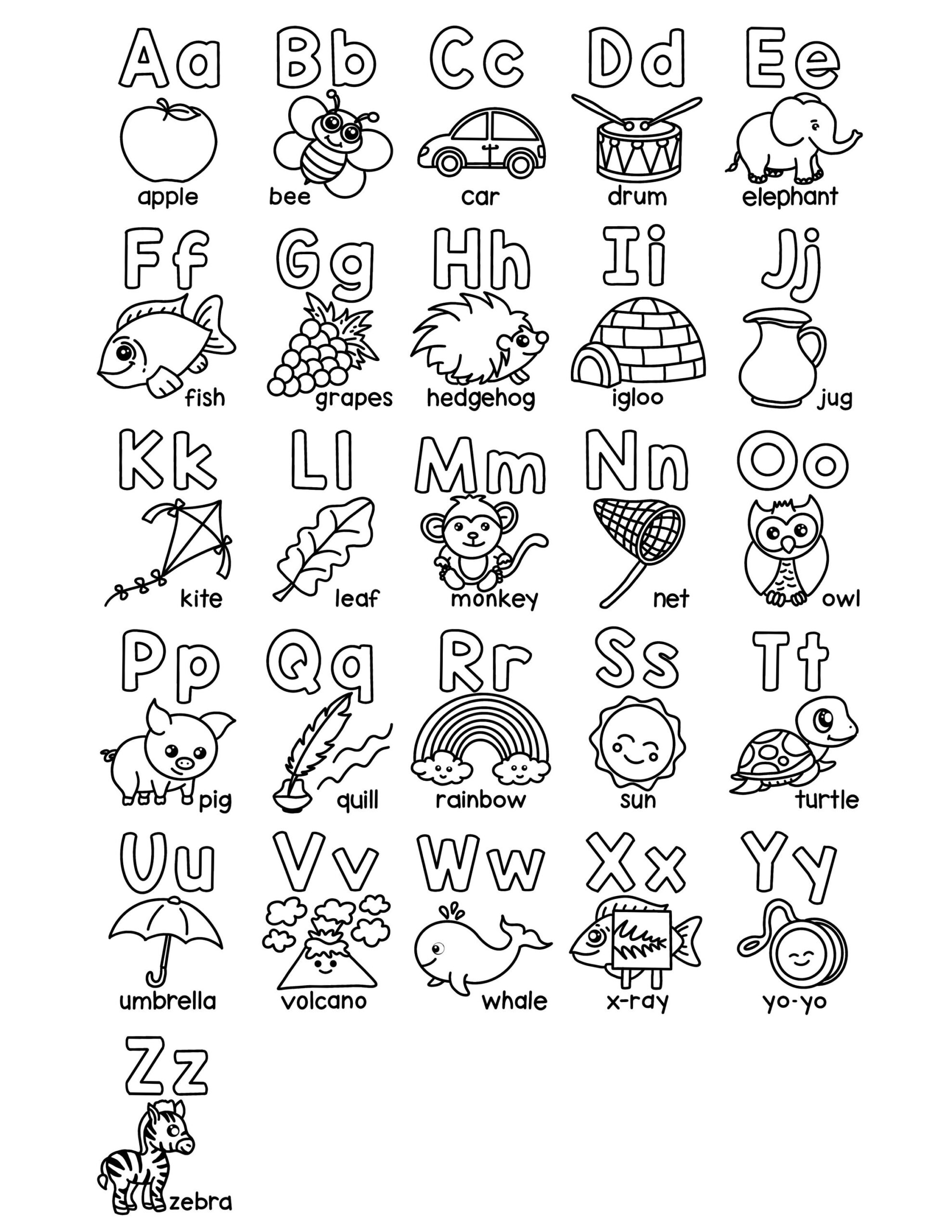
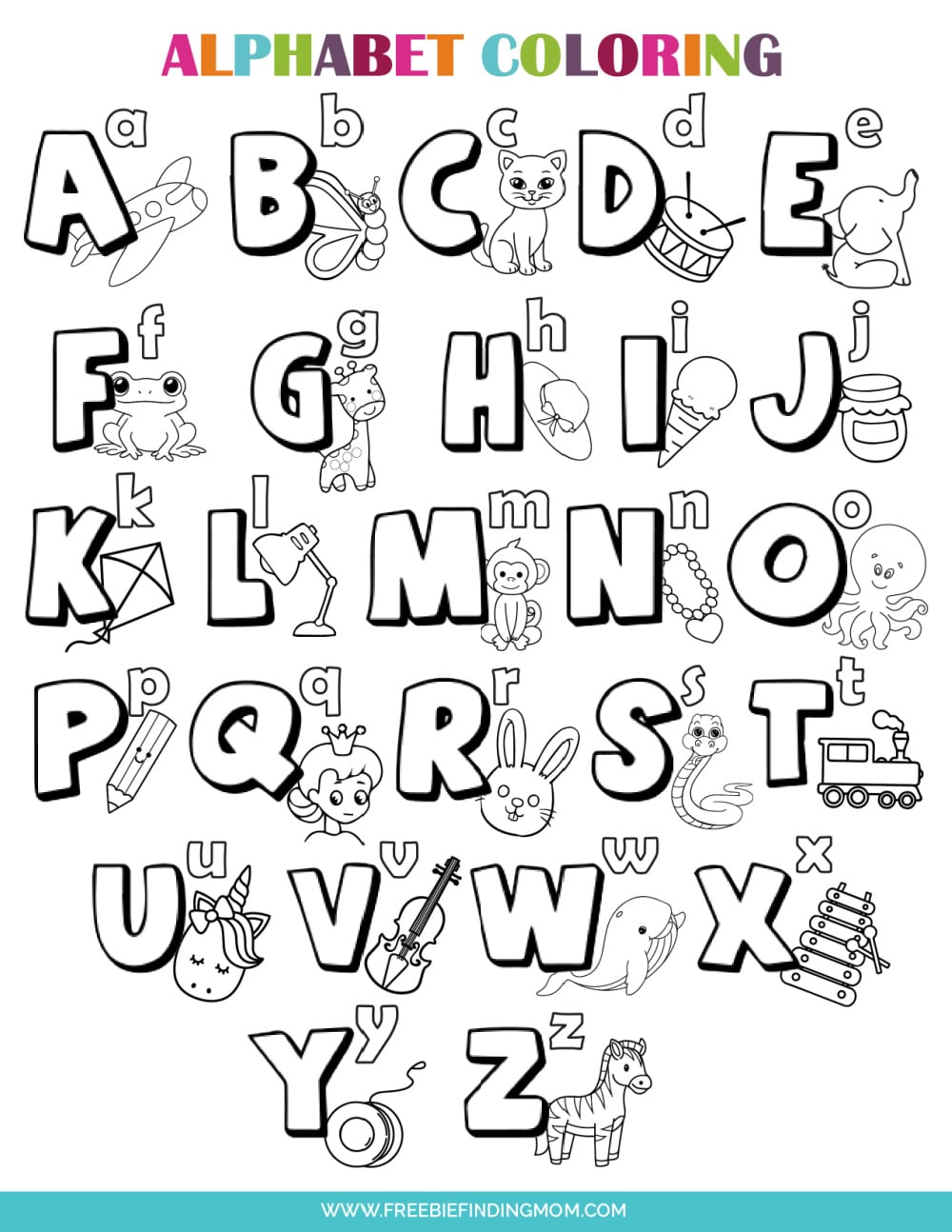
- Variety of Letters: Look for resources that cover all 26 letters of the alphabet, ideally with associated images (like ‘A’ for apple, ‘B’ for ball) to enhance learning.
- Engaging Designs: Choose pages that are visually appealing and offer a mix of outline and patterned designs. This variety can keep children engaged longer.
- Printable Quality: Ensure the pages are high-resolution PDFs for clear printing without pixelation.
You can find many free and paid resources online that cater to these criteria. Spend a little time browsing to find the best fit for your child’s interests.
Downloading and Printing Your Coloring Pages
Once you’ve selected the perfect Alphabet Coloring Pages, the next step is downloading and printing them. Here’s how to do it effectively:
- Download the Files: After choosing your pages, click the download button. Most sites will offer PDF formats, which are ideal for printing.
- Check the Layout: Open the file to ensure that the layout is correct. Look for any instructions regarding print settings, such as orientation (landscape or portrait).
- Select Paper Type: For best results, use cardstock or thicker paper. It holds up better against coloring materials and can withstand repeated use.
- Print Settings: Set your printer to the highest quality for best results. If you’re using a color printer, ensure your ink levels are sufficient to avoid streaks or faded colors.
Remember, if you plan to laminate your coloring pages for repeated use, printing on cardstock will provide the durability needed.
Setting Up a Coloring Session
Creating a productive and enjoyable coloring session can make a significant difference in your child’s engagement. Here are some practical tips for setting up:
- Create a Comfortable Space: Set up a quiet and well-lit area with enough space for your child to spread out their materials.
- Gather Supplies: Have a variety of coloring tools handy, such as crayons, colored pencils, and markers. Offering different types of coloring materials can enhance creativity.
- Incorporate Learning: As your child colors, engage them in conversation about the letters. Ask them what letter they are coloring and what words start with that letter. This reinforces letter recognition and phonemic awareness.
- Encourage Creativity: Allow your child to color outside the lines or use colors of their choice. This fosters creativity and makes the experience more personal.
By combining a structured environment with creative freedom, you can help your child learn while having fun.
Making the Most of Alphabet Coloring Pages
To maximize the educational benefits of Alphabet Coloring Pages, consider integrating additional activities that can enhance the learning experience:
- Letter Sounds: As your child colors each letter, help them learn the sound it makes. For example, say “A is for apple” and emphasize the ‘A’ sound.
- Story Time: After coloring, read a story that includes words starting with the letters they just colored. This reinforces the connection between letters and vocabulary.
- Craft Projects: Use the completed coloring pages to create a letter collage or a mini-book. This adds an element of crafting to the learning process.
- Interactive Games: Turn the coloring experience into a game. For instance, you can play a matching game with letters and objects around the house that start with those letters.
These activities not only reinforce letter recognition but also make learning holistic and enjoyable.
Tips for Using Alphabet Coloring Pages at Home
Using Alphabet Coloring Pages in a home or homeschool setting can be straightforward and rewarding. Here are some additional tips to keep the process smooth:
- Routine Integration: Incorporate coloring into your daily routine, perhaps as a wind-down activity after lunch or a calm start to the day.
- Peer Interaction: If possible, arrange playdates where children can color together. This encourages social interaction while learning.
- Progress Tracking: Keep a portfolio of your child’s work. As they progress, you can look back and see how their skills have developed over time.
- Adaptation for Skill Levels: If your child finds coloring challenging, start with simple letters and gradually introduce more complex designs as their skills improve.
By applying these strategies, you can ensure that Alphabet Coloring Pages are not just a fun activity but also a valuable educational tool.
Using Alphabet Coloring Pages Pre K can significantly enhance your child’s early literacy skills while allowing them to express themselves creatively. By choosing the right pages, setting up engaging sessions, and incorporating additional activities, you can create a rich learning environment that lays a strong foundation for future educational success.