
Learning the alphabet is a crucial step for kindergarteners, and using Alphabet Coloring Pages For Kindergarten is an effective way to make this learning process enjoyable. These coloring pages not only provide a creative outlet but also help young children develop essential skills like letter recognition, fine motor abilities, and hand-eye coordination. Here’s a practical guide on how to integrate these resources into your home or homeschool routine.
Benefits of Using Alphabet Coloring Pages
Coloring is more than just a fun activity; it plays a significant role in early childhood education. Here are some benefits of using alphabet coloring pages:
- Letter Recognition: As children color each letter, they become more familiar with its shape and sound. This hands-on approach reinforces their understanding of the alphabet.
- Fine Motor Skills: Holding crayons or colored pencils helps strengthen the small muscles in their hands, which are necessary for writing later on.
- Creativity and Expression: Coloring allows children to express themselves artistically, encouraging creativity and imagination.
- Focus and Patience: Completing a coloring page teaches children to focus on a task and practice patience, essential skills for their educational journey.
Choosing the Right Alphabet Coloring Pages
When selecting alphabet coloring pages, consider the following factors to ensure they are suitable for your kindergarteners:
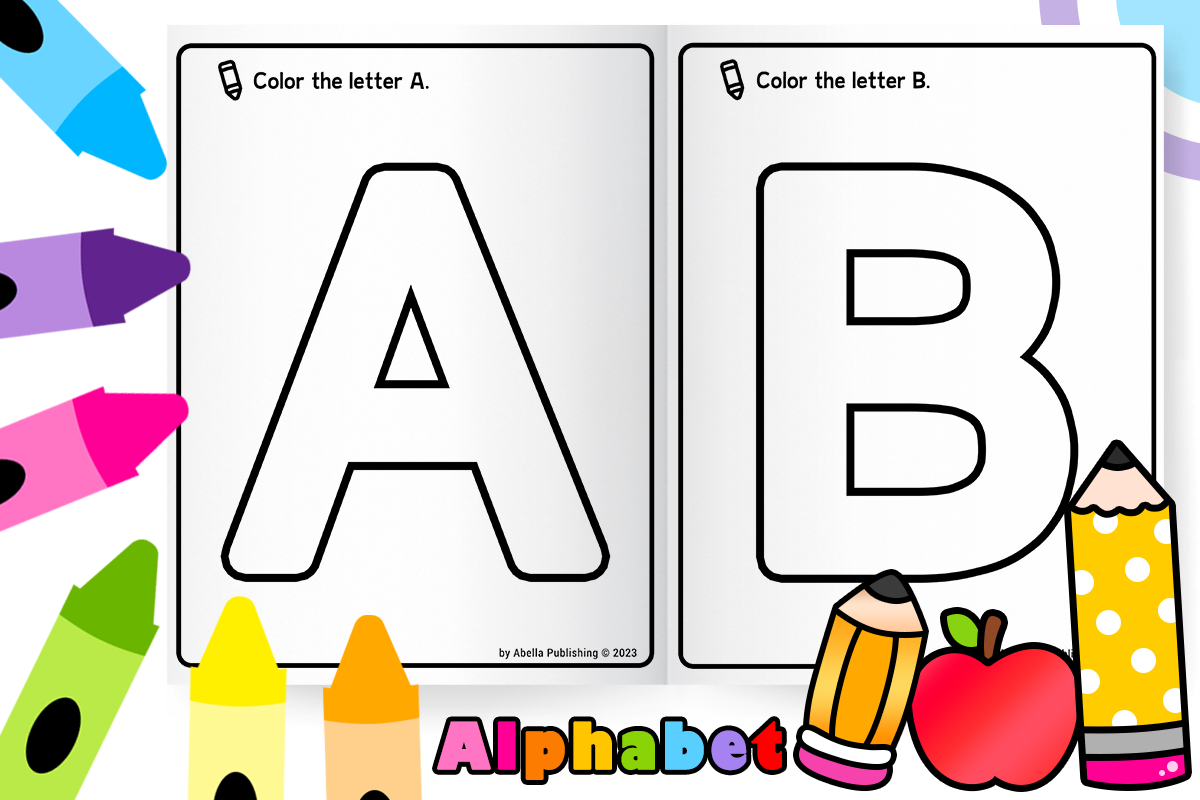
- Simplicity: Choose pages with clear, simple designs that are easy for young children to color. Complex images can be frustrating for beginners.
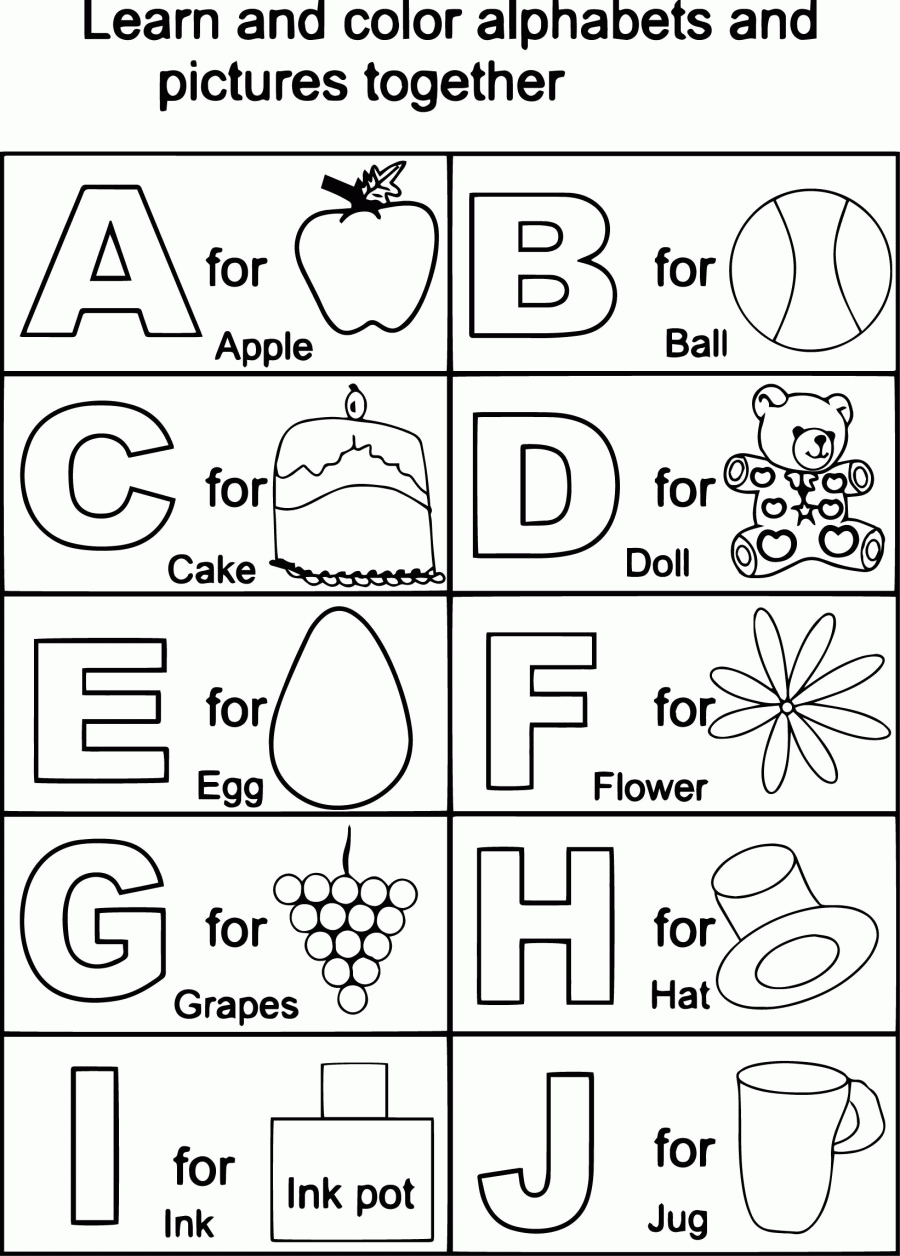
- Educational Value: Look for pages that include the letter’s name and sound, possibly with accompanying images (e.g., A for Apple) to reinforce learning.
- Variety: Ensure there’s a mix of styles and themes. Some children may prefer cartoonish designs, while others might like more realistic images.
- Print Quality: Opt for downloadable resources that are high-quality PDF files to avoid any issues with pixelation when printing.
How to Use Alphabet Coloring Pages at Home
Integrating alphabet coloring pages into your daily routine can be seamless and effective. Here are some practical suggestions:
- Daily Coloring Time: Set aside a specific time each day for coloring. This could be part of a morning routine or a quiet time after lunch.
- Combine with Reading: Pair coloring activities with storytime. Read a book that features letters and have the children color the corresponding pages afterward.
- Create a Learning Station: Designate a space in your home for coloring and other educational activities. Stock it with crayons, markers, and the coloring pages, making it accessible for your children.
- Interactive Learning: Encourage children to talk about the letters while they color. Ask questions like, “What sound does this letter make?” or “Can you think of a word that starts with this letter?”
Tips for Printing and Preparing Coloring Pages
To ensure the best experience with your alphabet coloring pages, follow these tips:
- Print on Cardstock: Using cardstock instead of regular paper can prevent tearing and allows for easier coloring. It also holds up better if you plan to display the completed pages.
- Use Portrait Orientation: Most coloring pages are designed for portrait layout, which tends to work better with standard home printers. Adjust your printer settings accordingly.
- Consider Laminating: If you want to reuse the coloring pages, consider laminating them. Children can color on the laminated pages with dry-erase markers and easily wipe them clean for repeated use.
- Check for Size: Ensure that the pages are formatted for standard paper sizes (like A4 or letter size) to avoid issues with printing. PDFs typically maintain the correct dimensions.
Engaging Activities With Completed Coloring Pages
Once your children have finished coloring, there are several ways to use the completed pages to reinforce learning:
- Create a Learning Book: Compile their finished coloring pages into a scrapbook or binder. This can serve as a personalized alphabet book that they can refer to for practice.
- Display Their Art: Hang the colored pages on the fridge or a bulletin board. This not only showcases their work but also serves as a visual reminder of their learning.
- Incorporate into Games: Use the colored letters for fun games. For instance, you can hide the pages around the house and have a scavenger hunt, asking them to find specific letters.
- Share with Family: Encourage children to give their colored pages to family members. This can boost their confidence and allow them to share what they’ve learned.
Resources for Downloading Alphabet Coloring Pages
There are many online resources where you can find high-quality, free, or affordable alphabet coloring pages. Here are a few reputable websites to consider:
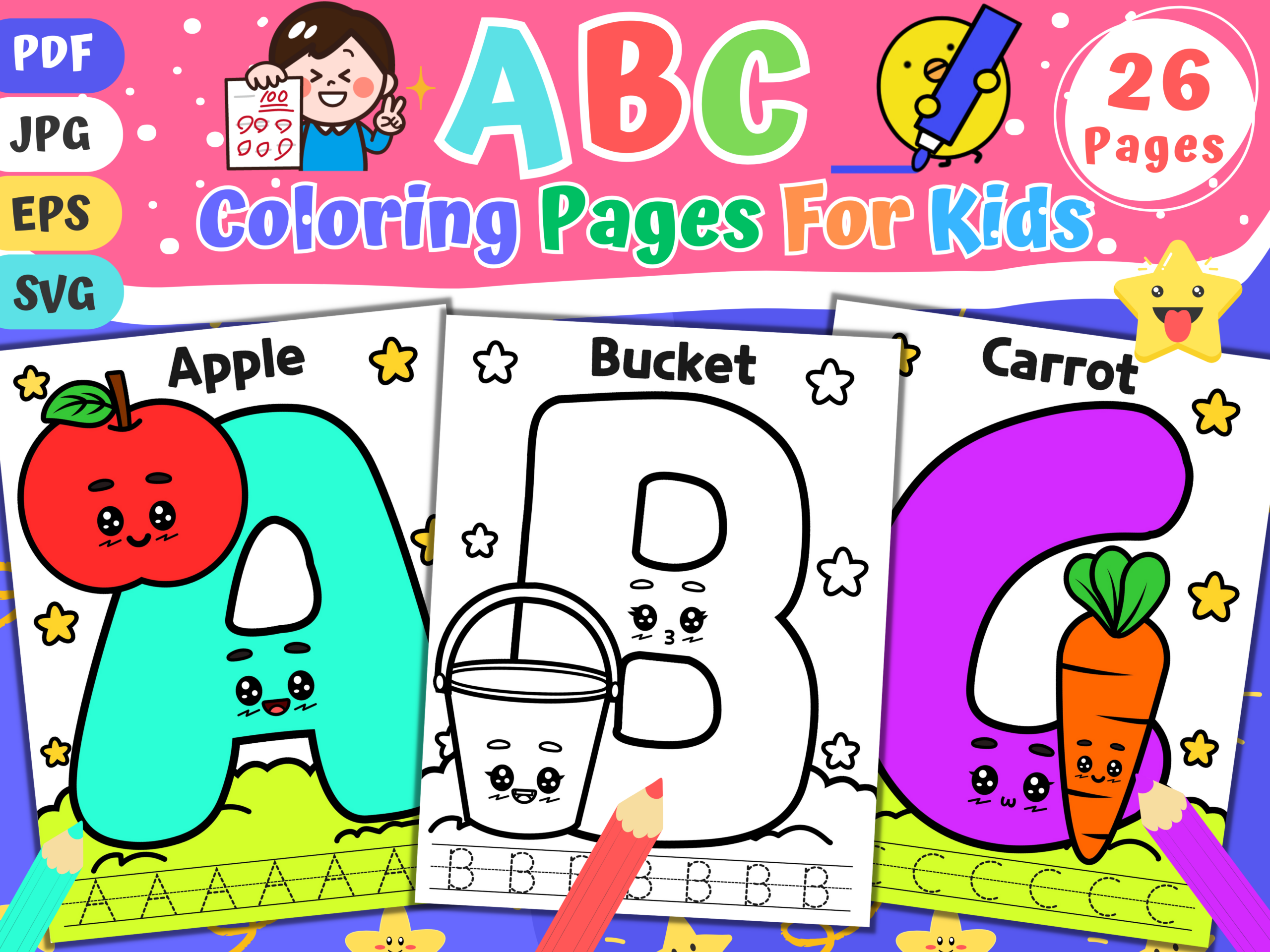
- Education.com: Offers a variety of educational coloring pages that include letters and corresponding images.
- Teachers Pay Teachers: A marketplace for educators where you can find unique and creative alphabet coloring resources, often designed by fellow teachers.
- Crayola.com: Provides a selection of coloring pages that are engaging and colorful, ideal for young learners.
Make sure to review the terms of use for each site, as some may require attribution or have specific guidelines for sharing.
Using Alphabet Coloring Pages For Kindergarten can transform the way children learn their letters. By integrating these pages into your home routine, you create an environment that fosters both creativity and education. As children engage with these resources, they develop essential skills that will serve them well in their academic journey.