
Coloring pages are more than just a fun activity; they serve as a powerful educational tool. When it comes to teaching young learners, Alphabet Coloring Pages Bubble Letter combines creativity with letter recognition. These resources can significantly enhance a child’s understanding of the alphabet while making the learning process enjoyable. In this guide, we’ll explore how to effectively use these coloring pages, what age groups they suit best, and how you can check for mastery in letter recognition.
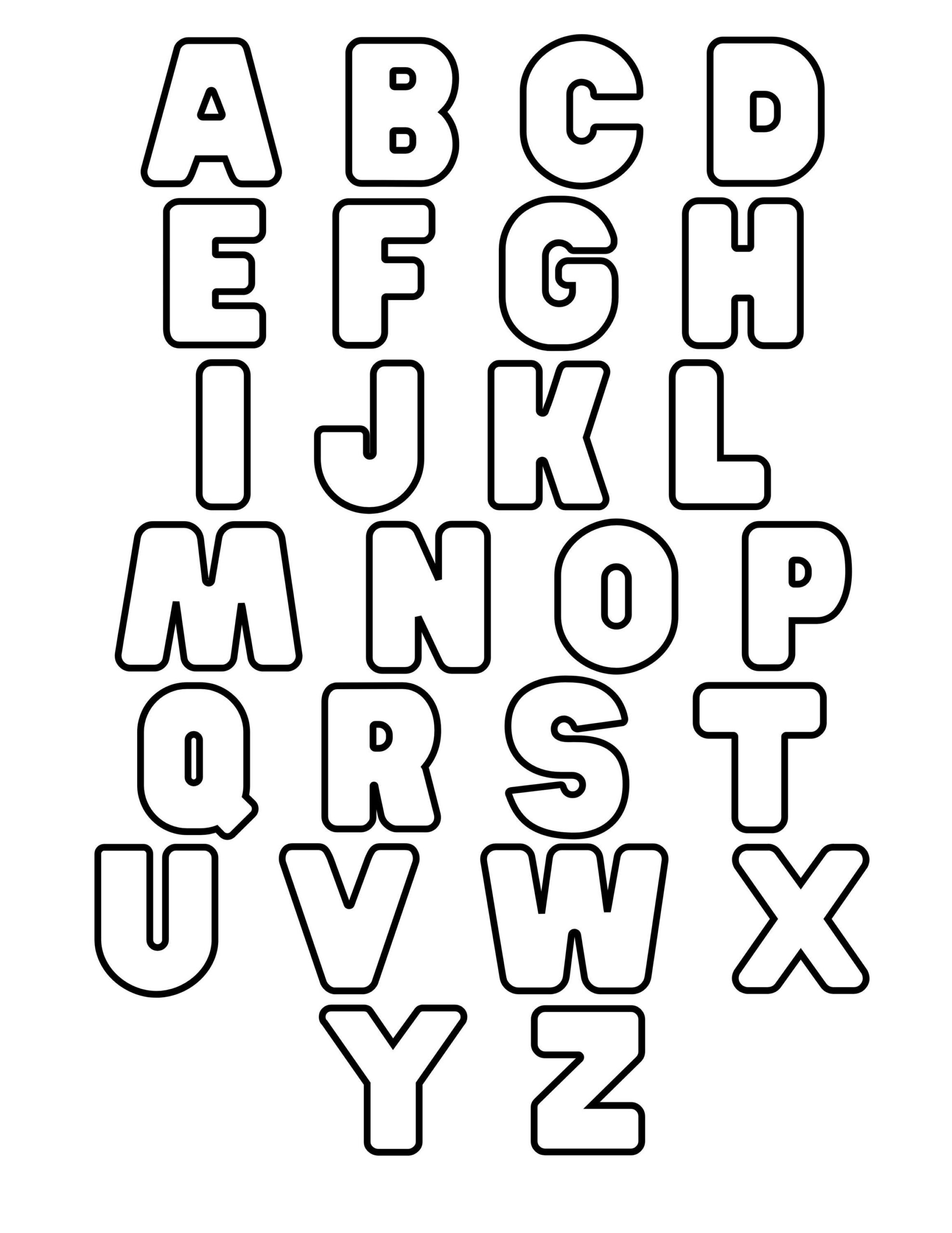
Understanding the Benefits of Alphabet Coloring Pages Bubble Letter
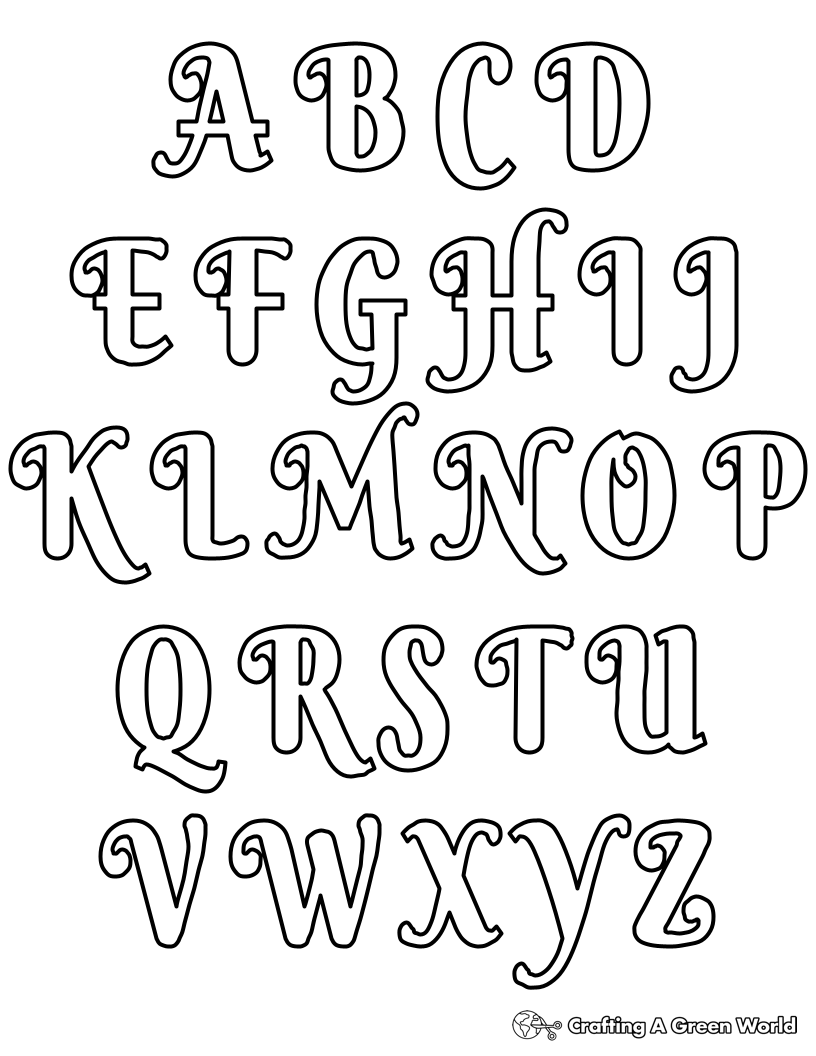
Using Alphabet Coloring Pages Bubble Letter provides multiple benefits for children. First and foremost, they foster creativity. Kids can choose colors and patterns, allowing them to express themselves while learning. Additionally, these pages help improve fine motor skills as children practice coloring within the lines.
Moreover, engaging with these pages can enhance letter recognition. As children color each letter, they reinforce their knowledge of the alphabet, which is crucial for their reading and writing development. The playful nature of bubble letters, often larger and bolder than standard fonts, captures children’s interest and keeps them engaged.
Choosing the Right Resources for Your Classroom or Home
When selecting Alphabet Coloring Pages Bubble Letter, consider the age and skill level of the children who will be using them. For preschoolers and kindergarteners, look for pages that feature simple, bold letters that are easy to color. As children progress, you can introduce more complex designs that include additional elements, like animals or objects that start with each letter.
You may find these coloring pages in various formats, including PDF downloads, which are ideal for printing. When printing, consider using cardstock; it holds up better than regular paper, especially if you plan to display the finished work. Portrait layout works best for most home printers, ensuring that the letters fit well on the page.
Effective Strategies for Using Alphabet Coloring Pages Bubble Letter
Using these coloring pages effectively requires a bit of planning. Here are several strategies to maximize their educational value:
- Incorporate into Daily Lessons: Use the coloring pages as part of your lesson plans. For instance, if you are focusing on the letter “A,” have students color the “A” page while discussing words that start with that letter.
- Create a Letter of the Week: Designate a letter each week and provide corresponding coloring pages. This approach reinforces learning and helps children associate each letter with its sound and usage.
- Pair with Other Activities: Combine coloring with other activities such as singing the alphabet song or playing letter recognition games. This multi-sensory approach solidifies their understanding.
- Check Progress: After completing the coloring page, ask children to name the letter and provide examples of words that begin with it. This can help you assess their understanding and retention.
Mastering Letter Recognition With Coloring Pages
To ensure children are mastering letter recognition through Alphabet Coloring Pages Bubble Letter, you should observe certain indicators. Here are a few ways to check their progress:
- Verbal Identification: After coloring, ask the child to say the letter out loud. Can they identify it correctly?
- Word Association: Encourage them to come up with words that start with the letter they just colored. This reinforces their connection between the letter and its phonetic sound.
- Visual Recognition: Create a simple quiz where you show them different letters and ask them to point out the ones they colored.
- Consistency: Regularly check for consistent performance. If they struggle with certain letters over time, it may indicate a need for additional practice.
Additional Activities to Enhance Learning
While coloring is a fantastic way to engage children, consider adding a few complementary activities to reinforce what they learn:
- Cut and Paste: Provide images of objects that start with the letters they’ve colored. Have them cut out and paste these images next to their coloring pages.
- Story Time: Read books that focus on the alphabet or specific letters. This can deepen their understanding and make connections between letters and words.
- Crafts: Encourage children to create their own bubble letters from construction paper. They can decorate these letters and display their work.
- Flashcards: Make flashcards using the same bubble letters. Use these for quick review sessions to reinforce recognition.
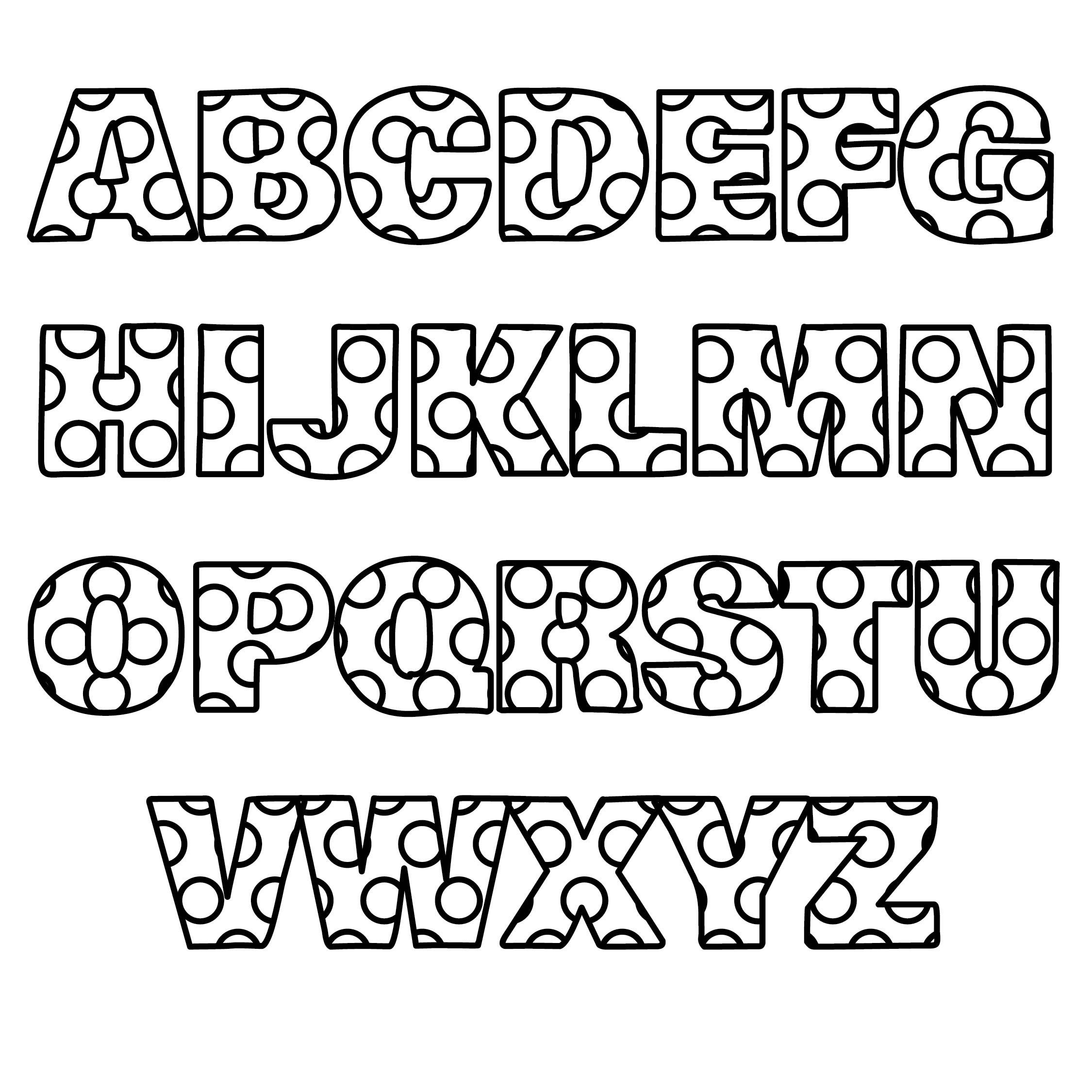
Practical Tips for Downloading and Printing
When downloading Alphabet Coloring Pages Bubble Letter, keep these practical tips in mind:
- File Format: Opt for PDF versions when available. They maintain the original formatting and avoid reformatting issues that image files sometimes have.
- Print Settings: Check your printer settings before printing. Use high-quality settings to ensure the colors are vibrant and the outlines are clear.
- Paper Type: If you plan to laminate the pages for reuse, choose a thicker paper or cardstock. This will ensure durability, especially in a classroom setting.
- Coloring Tools: Provide various coloring tools—crayons, colored pencils, or markers—so children can experiment with different techniques.
By integrating Alphabet Coloring Pages Bubble Letter into your teaching methods, you can create a dynamic and engaging learning environment. These resources not only aid in letter recognition but also inspire creativity and enjoyment in learning. Remember to regularly assess children’s progress and adjust your approach as needed.
One actionable tip: Start with a simple letter-themed project this week, like the letter “B” for a bubble-themed day, including bubble letter coloring pages, songs, and even bubble-making activities. This will create a cohesive and memorable learning experience for your students.