
Coloring pages are a fantastic way to engage children while reinforcing essential skills. Alphabet Coloring Pages Block Letters offer a unique blend of creativity and education, making them an invaluable resource for teachers and parents alike. These pages not only keep children entertained but also help them learn the alphabet in a fun and interactive way.
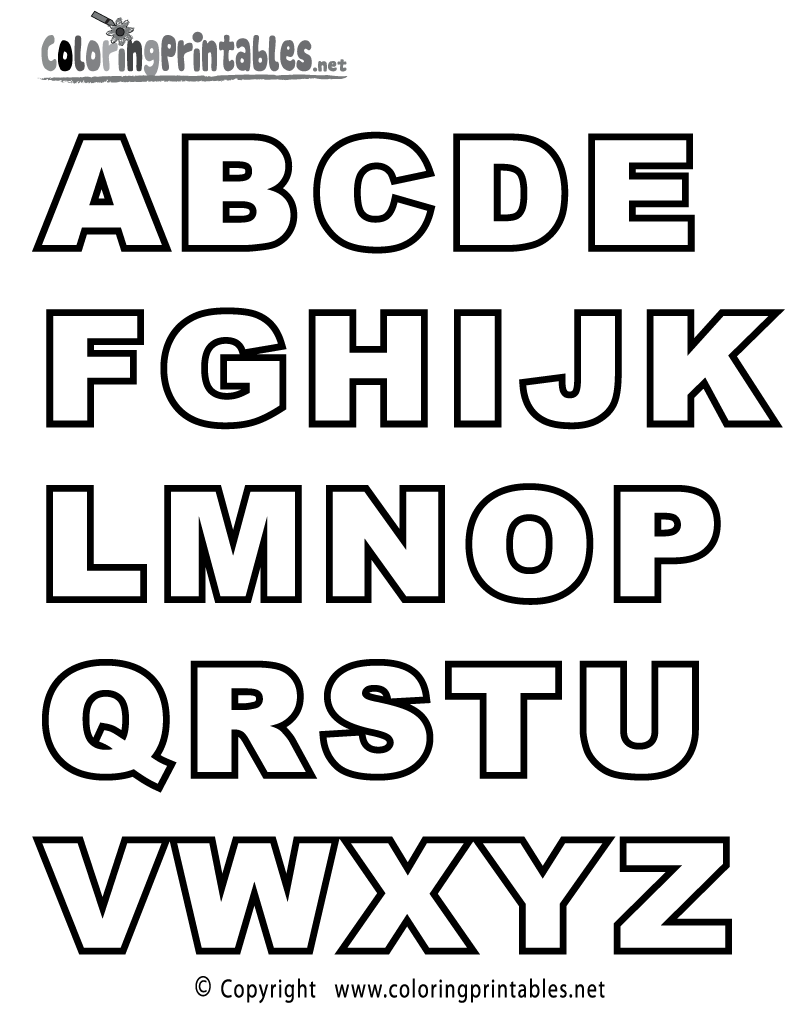
Understanding the Importance of Alphabet Coloring Pages
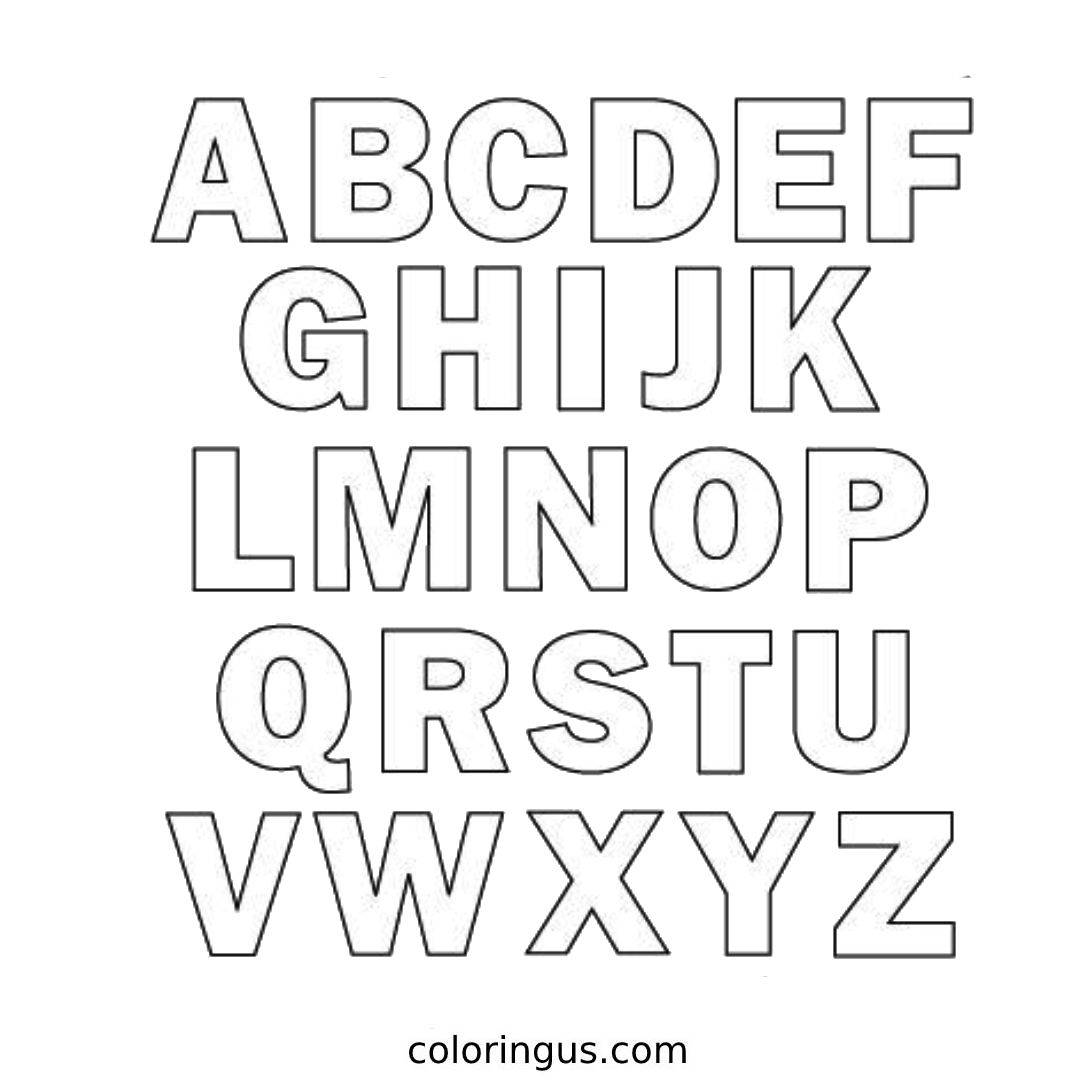
Using Alphabet Coloring Pages Block Letters can significantly improve literacy skills in young learners. These pages encourage children to recognize letters while also developing their fine motor skills as they color. The act of coloring helps enhance hand-eye coordination and concentration, vital skills for future learning.
Typically suited for preschool and kindergarten students, these resources can be integrated into various educational settings. Whether at home or in a classroom, you can create a vibrant learning environment that fosters creativity and learning simultaneously.
Incorporating Coloring Pages Into Your Curriculum
One of the best aspects of Alphabet Coloring Pages Block Letters is their versatility. You can easily incorporate these pages into your lesson plans. Here are a few practical ideas:
- Morning Work: Start the day with a coloring activity that focuses on a specific letter. For example, if the letter of the week is “A,” provide coloring pages that feature the letter “A” in block form. This helps reinforce recognition while allowing children to express their creativity.
- Letter Recognition Games: Use the coloring pages for interactive games. Have students color the letter and then identify words that start with that letter. This not only reinforces letter sounds but also enhances vocabulary.
- Art Projects: Combine coloring pages with art projects. Have students color the letters and then cut them out to create a letter collage. This engages them in both coloring and crafting, reinforcing their learning through multiple mediums.
Choosing the Right Resources
When selecting Alphabet Coloring Pages Block Letters, consider a few key factors to ensure they fit your classroom or home needs:
- Age Appropriateness: The complexity of the coloring pages should match the skill levels of your students. For younger children, opt for simpler designs that are easy to color. Older children may benefit from more intricate designs that challenge their coloring skills.
- Printable Formats: Many coloring pages are available in PDF format, which is ideal for printing. PDFs maintain their formatting, ensuring that the pages look great no matter what printer you use. Portrait layout generally works better for most home printers, but landscape layouts can be fun for larger designs.
- Quality of Designs: Look for pages that are engaging and visually appealing. Simple block letters with fun designs or characters can keep children motivated to color and learn.
Practical Tips for Using Coloring Pages
To maximize the benefits of Alphabet Coloring Pages Block Letters, consider these practical tips:
- Use Quality Paper: For best results, print on heavier cardstock. This helps the pages withstand repeated coloring and can be easily laminated for durability, especially if you plan to reuse them.
- Set Clear Expectations: When introducing coloring pages, explain the activity clearly. Encourage students to color within the lines and use a variety of colors. This not only makes the activity more enjoyable but also encourages attention to detail.
- Integrate with Other Subjects: Combine coloring activities with subjects like science or art. For example, if you’re teaching about animals that begin with the letter “B,” provide a coloring page with “B” and images of animals like bears or birds.
Engaging Parents With Home Activities
For parents homeschooling or supplementing their child’s education, Alphabet Coloring Pages Block Letters can be a wonderful tool. Here are a couple of ways to engage parents:
- Homework Assignments: Send home coloring pages as homework. This allows parents to participate in their child’s learning while providing additional practice outside of school hours.
- Family Coloring Nights: Encourage families to set aside time for coloring. This not only helps reinforce letter recognition but also fosters family bonding over a shared activity.