
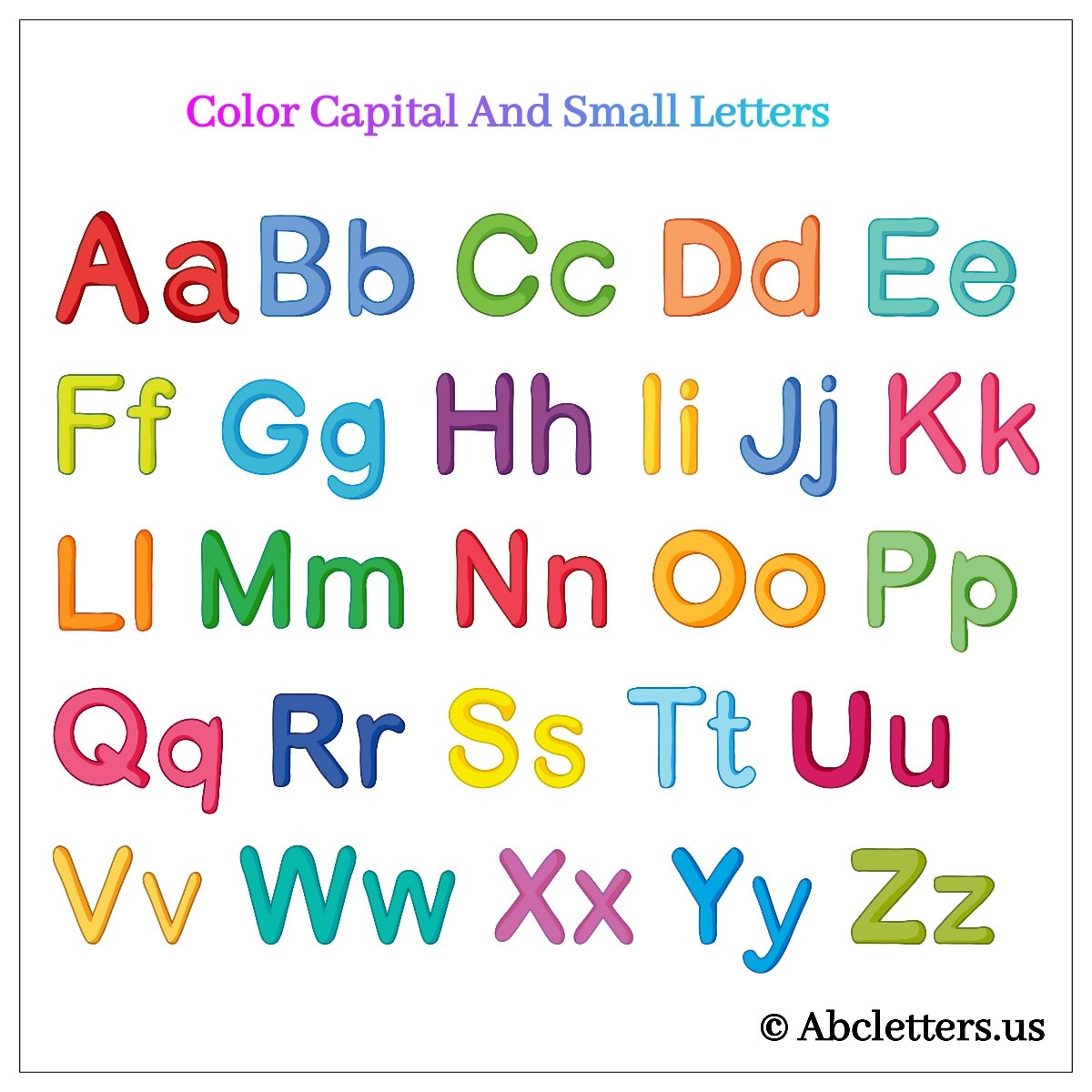
When it comes to teaching young learners the foundations of writing, having quality resources is essential. The Alphabet Capital And Small Letters Printable worksheets provide a structured approach to help children understand letter formation, both uppercase and lowercase. These printables can be a fantastic addition to your teaching toolkit, making it easy to engage students in learning their letters.
Understanding the Importance of Letter Recognition
Letter recognition is a crucial skill for early literacy development. By being able to identify both capital and small letters, children build the groundwork for reading and writing. These printables serve as an effective way to reinforce this skill in a fun and interactive manner. Typically aimed at preschool and kindergarten students, these worksheets cater to various learning styles and can be adapted for different teaching environments, whether in a classroom or at home.
Features of the Alphabet Capital And Small Letters Printable
The Alphabet Capital And Small Letters Printable worksheets usually come in a user-friendly format that includes:
- Clear, bold letters for easy visibility.
- A combination of tracing and writing sections to enhance motor skills.
- Fun illustrations or themes that keep kids engaged.
- Space for children to practice writing both uppercase and lowercase letters.
These features not only make the learning process enjoyable but also encourage children to practice repeatedly, which is essential for mastery.
How to Use the Printables Effectively
To get the most out of the Alphabet Capital And Small Letters Printable worksheets, consider the following strategies:
1. Introduce the Letters
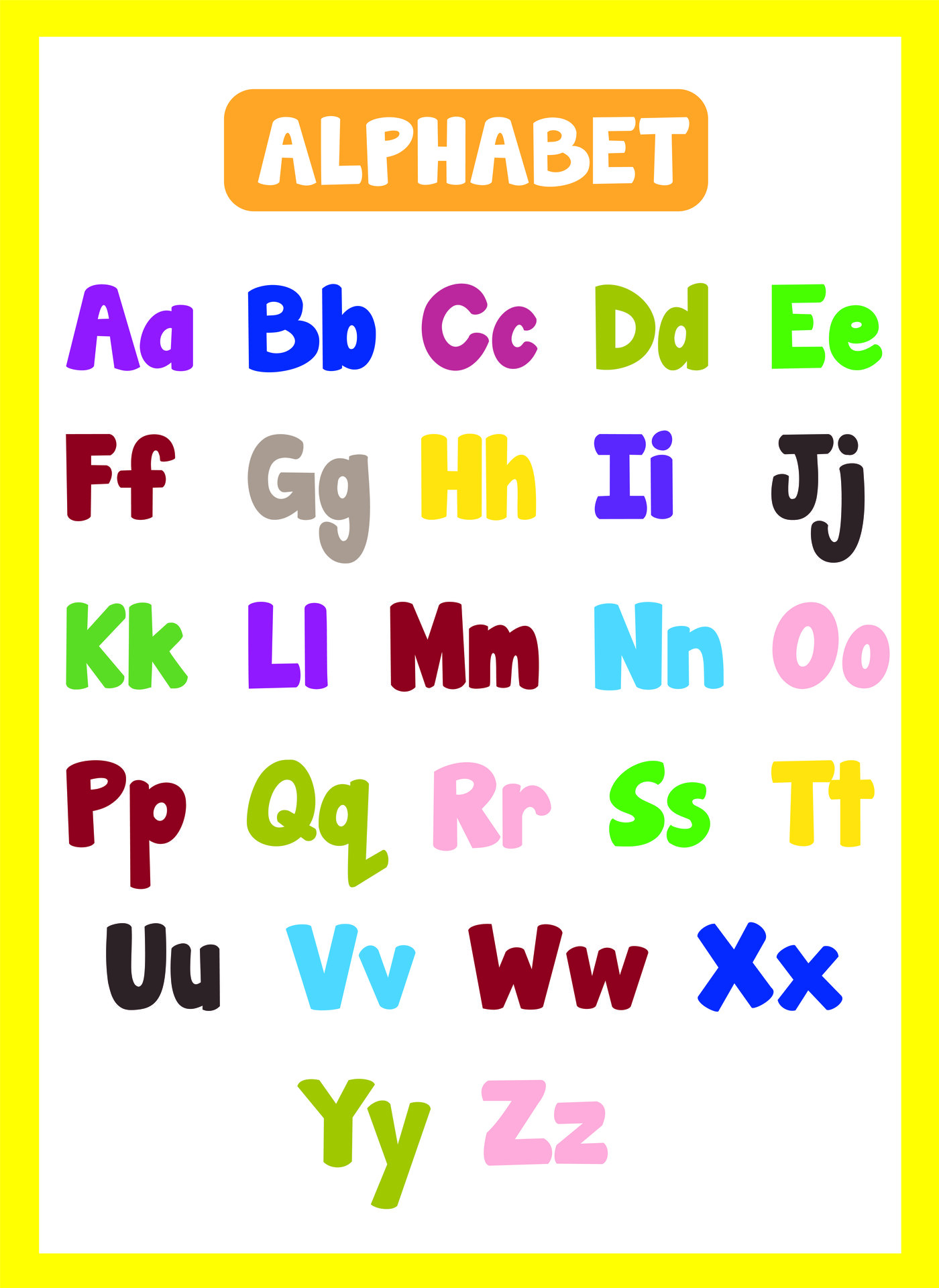
Start by introducing a letter of the week. Use the printable to show both the capital and small letter. Discuss the letter’s sound and have children think of words that begin with that letter. This contextual understanding helps solidify their learning.
2. Tracing and Writing Practice
Encourage students to trace the letters first. This helps them learn the correct formation. After tracing, have them practice writing the letters independently. Be sure to provide feedback on their technique, focusing on how they hold their pencil and the direction of their strokes.
3. Incorporate Fun Activities
To make learning even more enjoyable, pair the worksheets with fun activities. For example, after practicing the letter “A,” you could have a mini scavenger hunt where students find objects that start with “A.” This reinforces their learning in a practical way.
4. Use in Different Settings
These printables are versatile. Use them in various educational settings, such as:
- Classroom: As part of your daily literacy routine.
- Homeschooling: Incorporate into your curriculum for a structured approach.
- At Home: Provide as extra practice for children who need reinforcement.
Printable Variations for Different Learning Needs
The Alphabet Capital And Small Letters Printable worksheets come in various designs and formats. Depending on your students’ needs, you may prefer:
- Color-Coded Worksheets: These can help visual learners identify letters more easily.
- Themed Worksheets: Incorporating themes, such as animals or seasons, can make learning more relatable and enjoyable.
- Blank Templates: For those who want to create their own activities, blank letter templates can be a handy resource.
Tips for Printing and Preparation
Before you print your Alphabet Capital And Small Letters Printable worksheets, consider the following tips to ensure the best results:
- Paper Type: Use a heavier cardstock for durability, especially if the worksheets will be used repeatedly.
- Size and Layout: Most printables are designed for standard letter size (8.5 x 11 inches) and should print well on both portrait and landscape layouts. Portrait layout often works better for worksheets.
- Printing Quality: Ensure your printer settings are adjusted for optimal quality. A higher DPI (dots per inch) setting will produce clearer images and text.
Engaging Students Beyond the Worksheet
While worksheets are a valuable tool, consider integrating other resources to enhance the learning experience:
- Interactive Games: Online games or apps that focus on letter recognition can complement worksheet activities.
- Storytime: Reading books that emphasize specific letters can reinforce learning. After reading, discuss the letters found in the book.
- Craft Projects: Engage students in craft projects where they create letter collages using magazines or stickers. This hands-on approach can help solidify their understanding of letters.
Tracking Progress and Encouragement
As students work through the Alphabet Capital And Small Letters Printable worksheets, it’s important to track their progress. Create a simple checklist or chart to note which letters they have mastered. Celebrate their achievements to keep motivation high; even small successes should be recognized.