
Understanding the sequence of letters in the alphabet is crucial for early literacy development. Students often struggle with identifying which letters come before and after a given letter. Alphabet Before And After Letter Worksheets provide an engaging way for young learners to practice this essential skill. These worksheets are perfect for teachers, homeschoolers, or parents looking to reinforce letter recognition in a fun, structured manner.
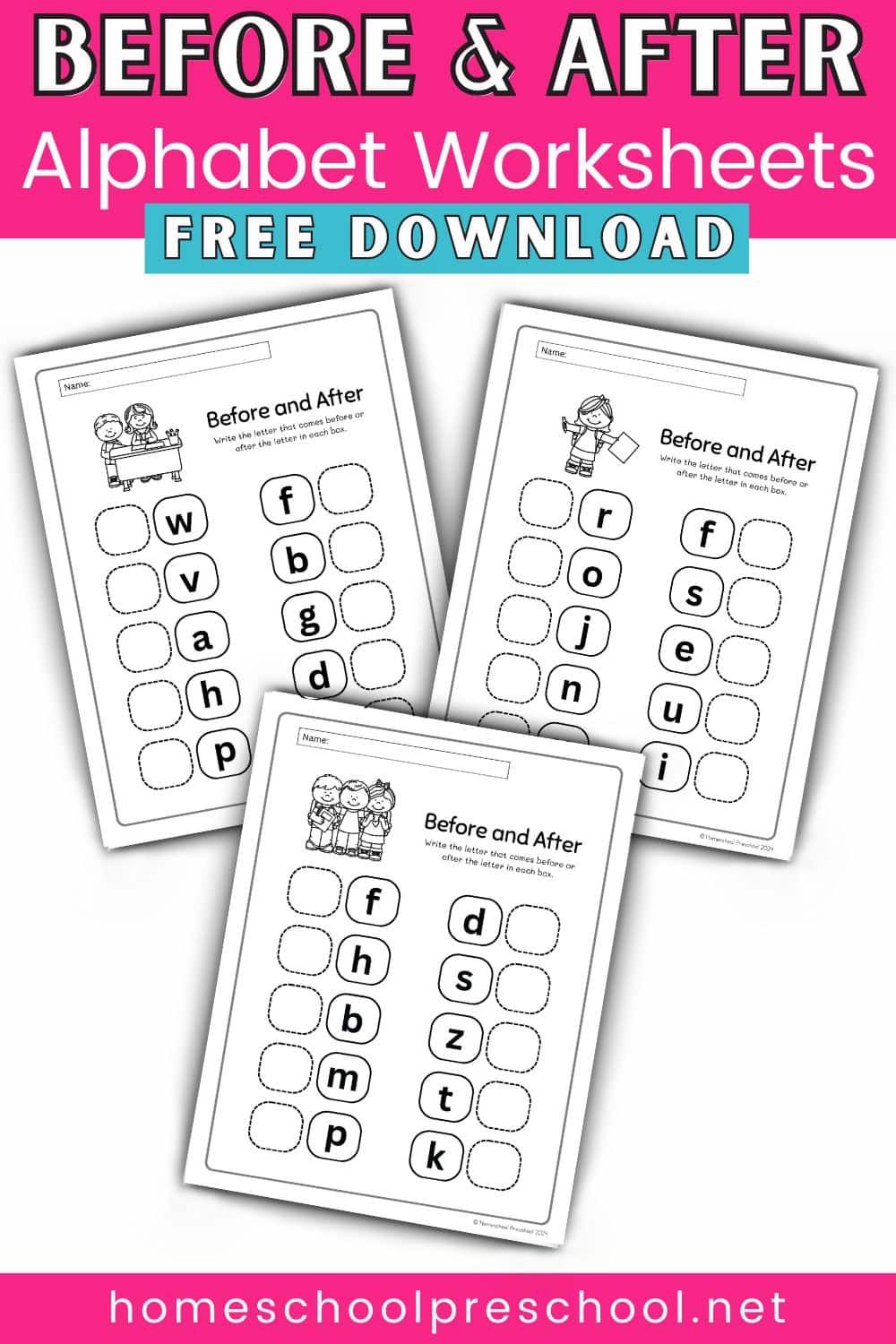
Why Alphabet Before And After Letter Worksheets Matter
The ability to recognize the sequence of letters lays the foundation for phonics, spelling, and reading. When students can identify the letters that come before and after a specific letter, they gain confidence in their literacy skills. This skill is particularly important for children in preschool and kindergarten, as they are often just beginning their journey into reading and writing.
Using Alphabet Before And After Letter Worksheets regularly can help solidify this skill. By engaging with these worksheets, children not only learn the letters but also improve their overall letter recognition and phonemic awareness.
How to Use Alphabet Before And After Letter Worksheets Effectively
To make the most of these worksheets, follow a simple yet effective workflow:
- Choose the Right Worksheet: Select worksheets that match your students’ skill levels. For beginners, consider worksheets focusing on a few letters at a time. For more advanced learners, worksheets that cover the entire alphabet may be more beneficial.
- Download and Print: After selecting the appropriate worksheets, download and print them. Most printable resources come in PDF format, which ensures that the layout remains consistent when printed. If you’re using a home printer, standard letter size (8.5 x 11 inches) typically works best.
- Set Up a Routine: Incorporate these worksheets into your daily or weekly lesson plans. Consistency is key in reinforcing skills. For example, consider dedicating a few minutes each day to practice, or set aside specific days of the week for worksheet activities.
- Provide Guidance: As students work through the worksheets, offer support and encouragement. Explain the importance of understanding letter sequences and how this knowledge will assist them in reading and writing.
- Review and Discuss: After completing the worksheets, take time to review the answers together. Discuss the letters and their positions in the alphabet. This reinforcement helps solidify their understanding.
Tips for Enhancing Engagement
To keep your students engaged, consider these practical strategies:
- Incorporate Games: Turn the worksheet activities into games. For instance, you can create a matching game where students match letters to their corresponding “before” and “after” letters.
- Use Visual Aids: Hang an alphabet chart in your classroom or learning space. This chart can serve as a reference point for students as they work through the worksheets.
- Offer Rewards: Recognize students’ efforts with small rewards for completing worksheets. Simple stickers or certificates can motivate them to engage more with the material.
- Mix it Up: Combine worksheets with other activities, such as coloring pages that feature letters. This variety keeps the learning process enjoyable and helps cater to different learning styles.
Adapting Worksheets for Different Learning Environments
Whether you are in a classroom setting or teaching at home, these worksheets can be adapted to fit various learning environments:
Classroom Use
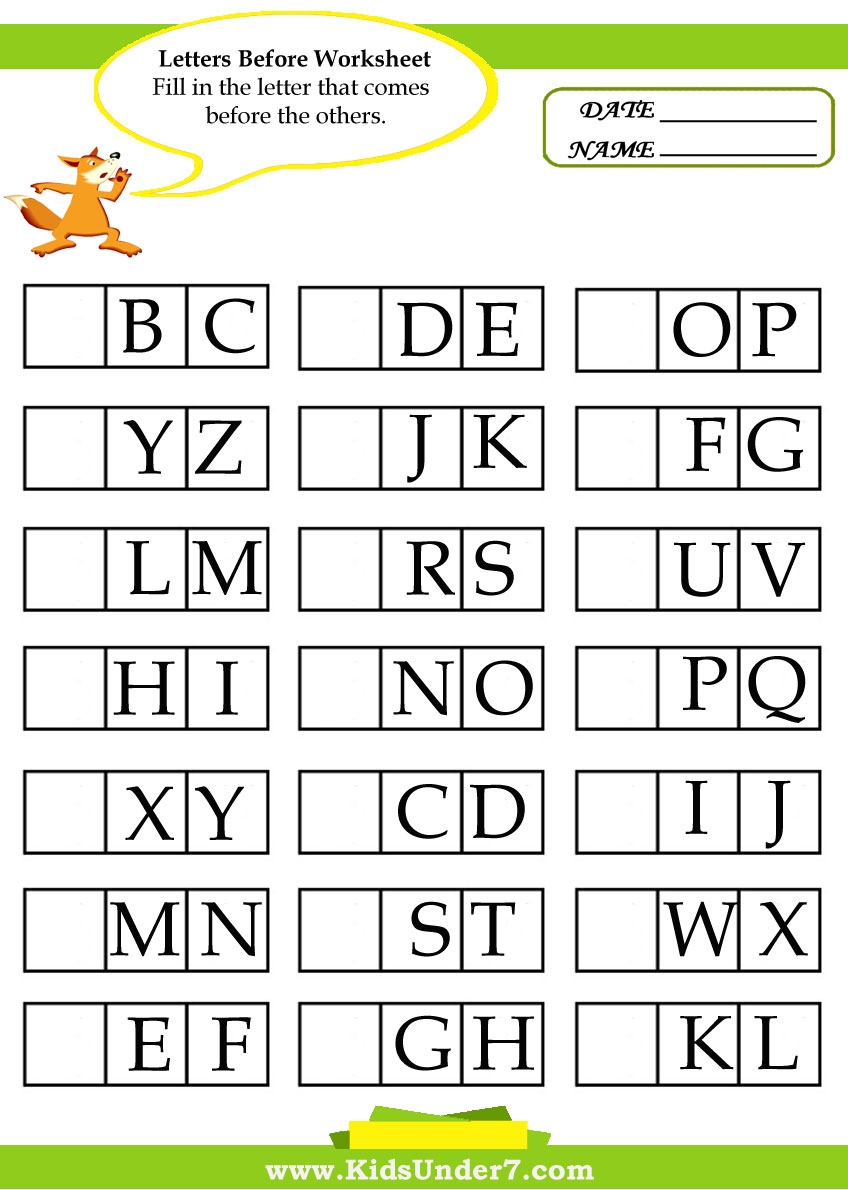
In a classroom, consider grouping students based on their skill levels. Struggling students may benefit from more guided practice, while advanced learners can work independently on challenging worksheets. Collaborative activities, like partner work, can also encourage peer learning.
Homeschooling
For homeschoolers, Alphabet Before And After Letter Worksheets can be integrated into a broader curriculum. Pair these worksheets with storytelling or reading sessions where students identify letters in books. This cross-curricular approach enhances understanding and makes learning more meaningful.
At-Home Practice
For parents, these worksheets can be an excellent tool for at-home learning. Set aside a specific time each day for worksheet practice, and make it part of your child’s routine. Use everyday items, like fridge magnets or letter blocks, to reinforce the concepts learned in the worksheets.
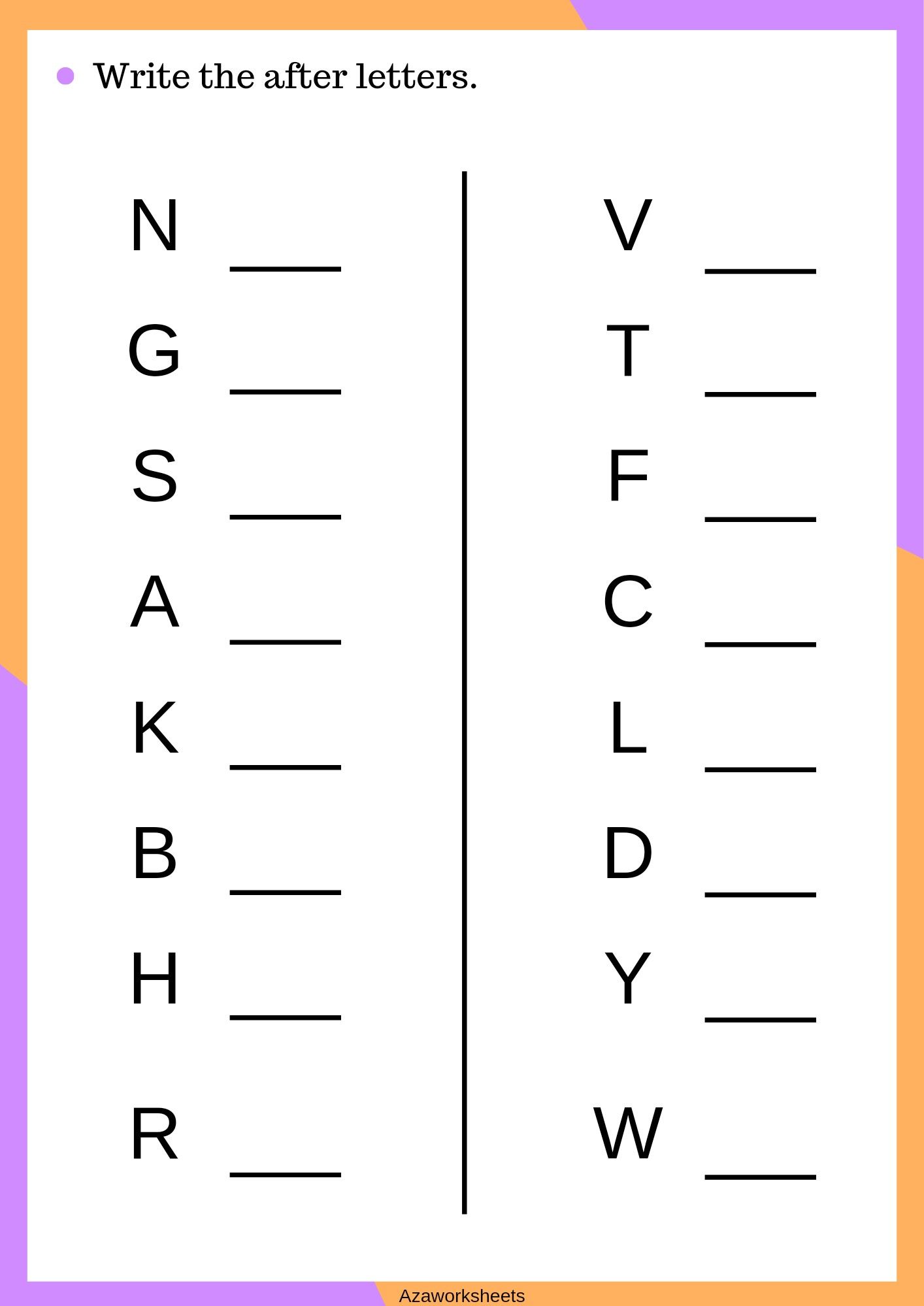
Tracking Progress and Celebrating Success
Monitoring your students’ progress is essential to ensure they are mastering the concepts. Keep track of completed worksheets and assess their performance. You can also create a progress chart to visually represent their achievements.
Celebrating successes, no matter how small, can boost confidence. Consider having a special “letter day” where students can showcase what they’ve learned, share their favorite letters, or even create a short presentation. This not only reinforces their learning but also builds their public speaking skills.
Start using Alphabet Before And After Letter Worksheets today to help your students master letter sequences and boost their literacy skills. They are a valuable addition to any educational toolkit, providing both structure and fun in the learning process. Remember, consistent practice and positive reinforcement are key to nurturing young learners in their journey toward reading success.