
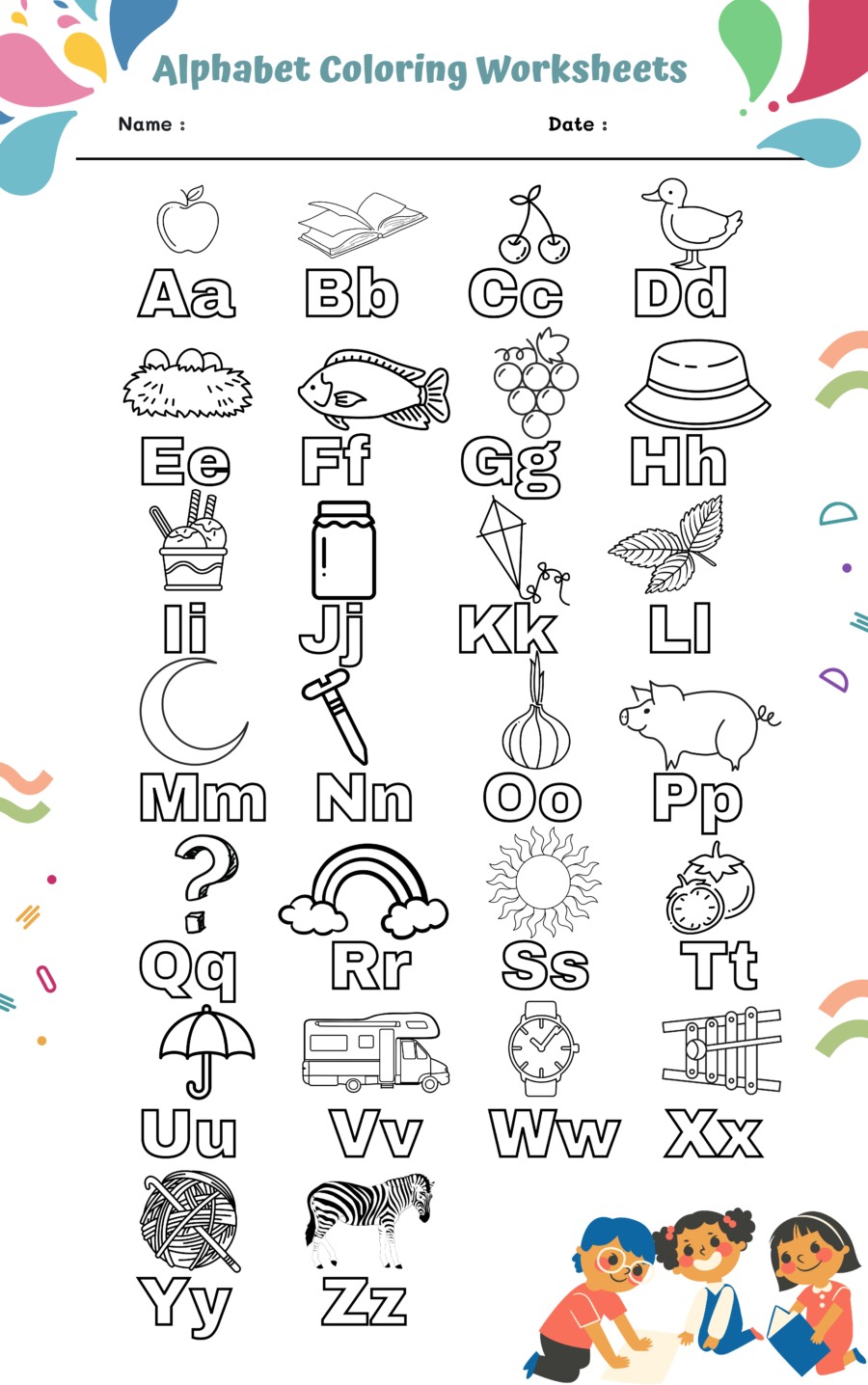
Engaging toddlers in learning can be a delightful experience, especially when it involves creative activities like coloring. Alphabet Activities For Toddlers Coloring not only spark interest but also aid in the development of early literacy skills. These activities typically come in a variety of formats, including printable worksheets and coloring pages, designed to make learning both fun and educational.
Understanding the Importance of Alphabet Activities
Coloring is more than just a fun pastime for toddlers; it plays a crucial role in their development. Through Alphabet Activities, children can enhance their fine motor skills, improve hand-eye coordination, and learn letter recognition—all while enjoying the creative process. By incorporating these activities into your daily routine, you can create a nurturing environment that encourages language development.
Key Benefits of Coloring for Toddlers
- Fine Motor Skill Development: Holding crayons and coloring requires dexterity, which helps toddlers develop the small muscles in their hands.
- Letter Recognition: Associating letters with images and colors reinforces memory and recognition.
- Creativity and Expression: Coloring allows toddlers to express themselves, fostering creativity and confidence.
- Focus and Concentration: Engaging in coloring activities can help toddlers practice patience and improve their attention spans.
Choosing the Right Printable Resources
When selecting printable Alphabet Activities for toddlers, consider the age and developmental level of your child. Most resources are designed for children aged 2-5 years. Look for materials that feature large, clear letters and simple images that relate to each letter’s sound.
Types of Printable Activities
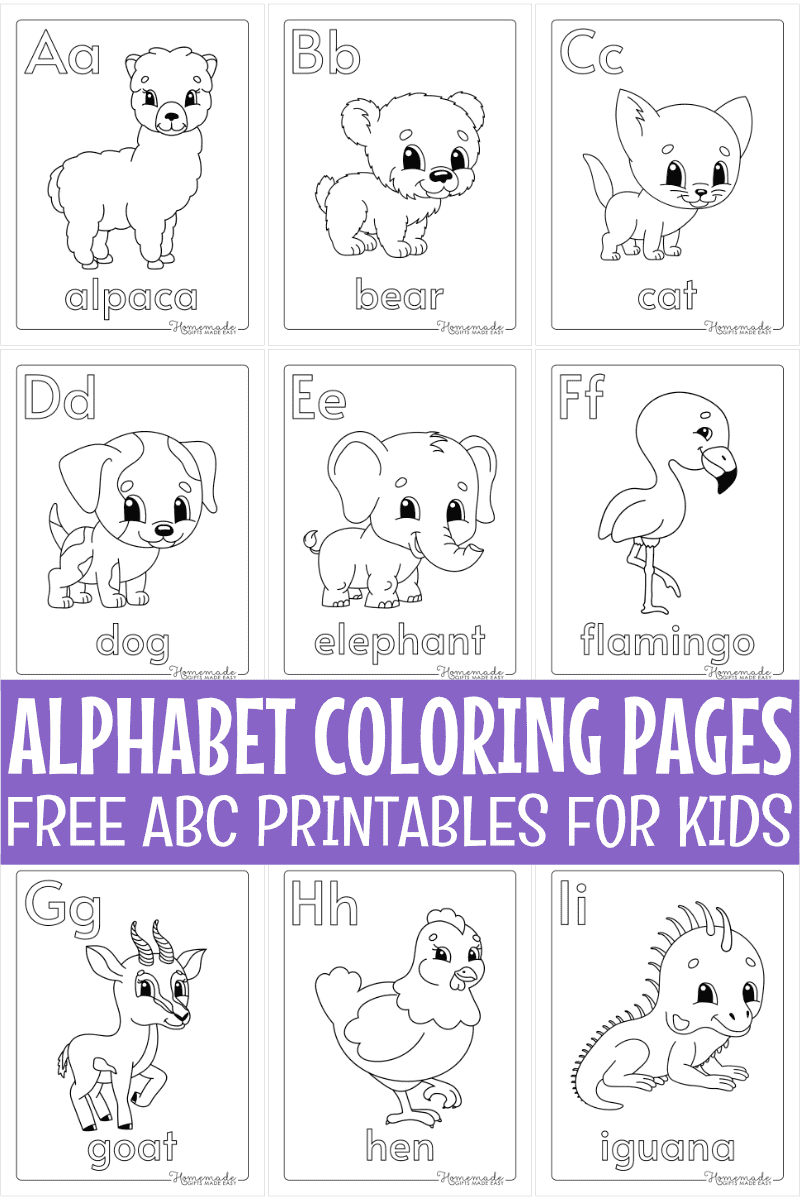
- Coloring Pages: These pages typically feature a letter alongside an associated image (e.g., “A” for apple) that toddlers can color in.
- Worksheets: Some worksheets combine coloring with tracing letters, offering a multi-faceted approach to learning.
- Flashcards: While not coloring activities per se, flashcards can be a complementary resource, reinforcing letter recognition through visual aids.
- Activity Books: These often include a variety of activities, providing a more extensive resource for parents and teachers.
Tips for Effective Use of Coloring Activities
Incorporating Alphabet Activities For Toddlers Coloring into a daily routine can be simple and effective. Here are some practical tips to maximize the benefits of these activities:
Create a Learning Environment
Set up a designated space for coloring activities. Ensure it is well-lit and stocked with various coloring materials like crayons, markers, and colored pencils. This area should be inviting and free from distractions, allowing your toddler to focus on their work.
Integrate With Daily Activities
Incorporate coloring into your toddler’s daily routine. For instance, after a meal or during quiet time, you can introduce a new coloring page. This helps to establish a consistent learning schedule.
Encourage Discussion
As your toddler colors, engage them in conversation about the letters and images. Ask questions like, “What letter is this?” or “Can you tell me what sound this letter makes?” This dialogue reinforces learning and encourages verbal skills.
Use Positive Reinforcement
Celebrate your toddler’s efforts and achievements in coloring. Positive reinforcement can be as simple as praising their work or displaying their finished pages on the fridge. This builds confidence and motivates them to continue learning.
Engaging Themes for Alphabet Coloring Activities
Themed coloring pages can make Alphabet Activities even more engaging. Here are some ideas for themes that can be integrated into your coloring resources:
Animal Alphabet
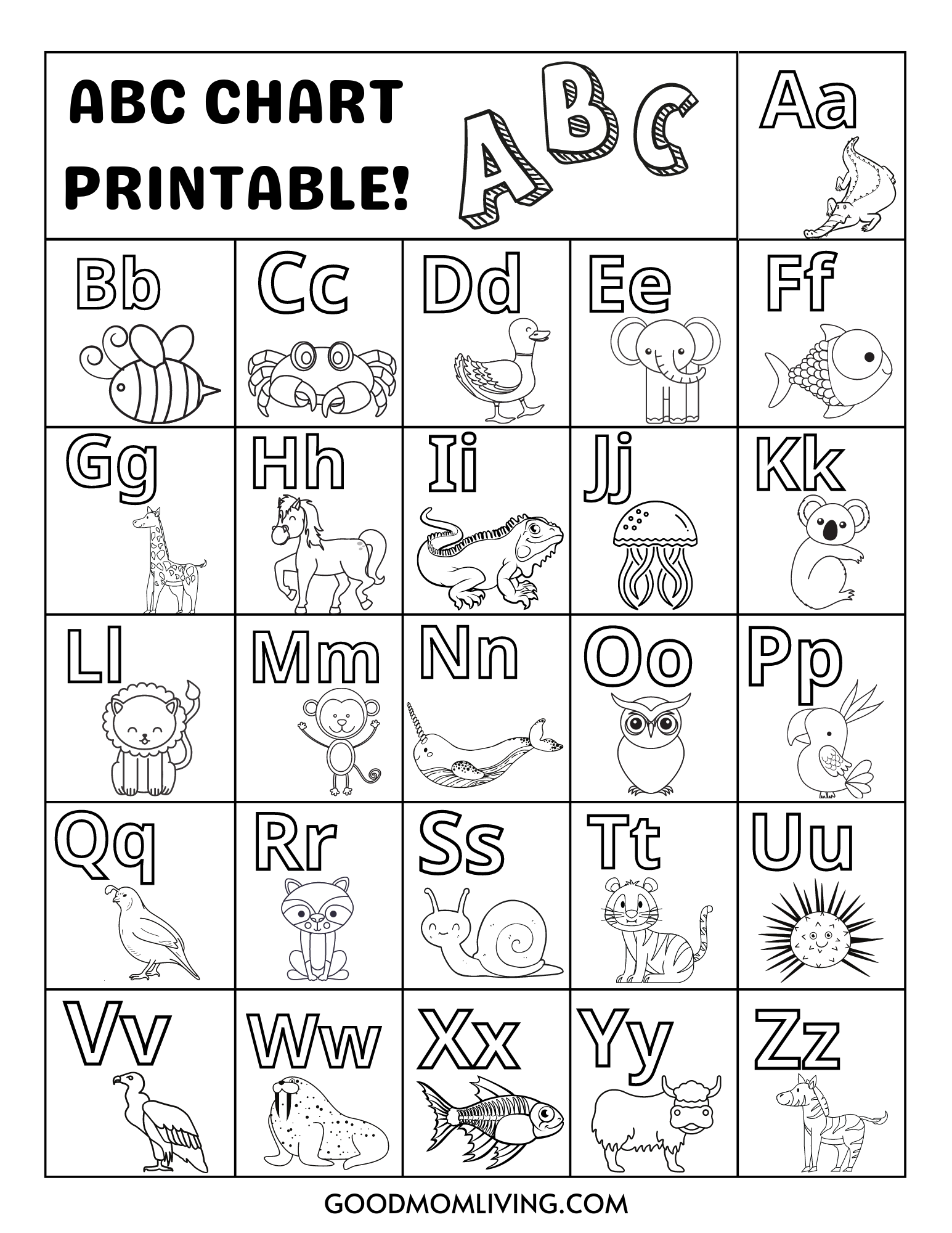
Create coloring pages featuring animals for each letter. For example, “B” for bear or “C” for cat. This not only captures their interest but also introduces them to various animal names.
Seasonal Themes
Tailor your coloring activities to the seasons. For instance, use “F” for fall with images of leaves and pumpkins, or “S” for summer with sun and beach themes.
Holiday Themes
Incorporate holidays into your coloring activities. For example, have pages with letters associated with Christmas (like “T” for tree) or Halloween (like “P” for pumpkin).
Downloading and Printing Your Resources
When you’re ready to access printable Alphabet Activities For Toddlers Coloring, ensure you have a good quality printer. Here are some important considerations:
- Paper Size: Standard letter size (8.5 x 11 inches) works best for most home printers. Portrait orientation is typically preferred for coloring pages.
- Print Quality: Use high-quality settings to ensure that the lines are clear and distinct, making it easier for toddlers to color within the lines.
- Cardstock vs. Regular Paper: If you plan to laminate the pages for repeated use, opt for cardstock, which is sturdier and holds up better over time.
Encouraging Multi-Sensory Learning
While coloring is a fantastic way to engage toddlers, consider incorporating other activities to create a multi-sensory learning experience. This can include:
- Using Textures: Introduce textured materials like sandpaper or fabric that correspond with the letter being learned. For example, “F” for fuzzy fabric can enhance the learning experience.
- Sound Associations: Play sounds that relate to the letter (like a dog barking for “D”) while your child colors, creating a more immersive experience.
- Movement Activities: Incorporate movement by having toddlers jump or dance when they hear a letter sound, reinforcing their connection to the alphabet in a physical way.
By utilizing these strategies, you can make Alphabet Activities For Toddlers Coloring a fun and integral part of your child’s learning journey. The key is to keep the activities light-hearted and enjoyable, ensuring your toddler develops a love for learning that lasts a lifetime.