
The Alphabet A To Z Number Worksheets are a versatile resource designed to enhance children’s literacy and numeracy skills, making them ideal for teachers and parents alike. With engaging activities that combine letters and numbers, these worksheets can cater to various learning styles and age groups, primarily focusing on preschool and early elementary students. In this guide, I’ll walk you through how to effectively use these worksheets, from selection to implementation, ensuring you get the most out of this educational tool.
Selecting the Right Worksheets
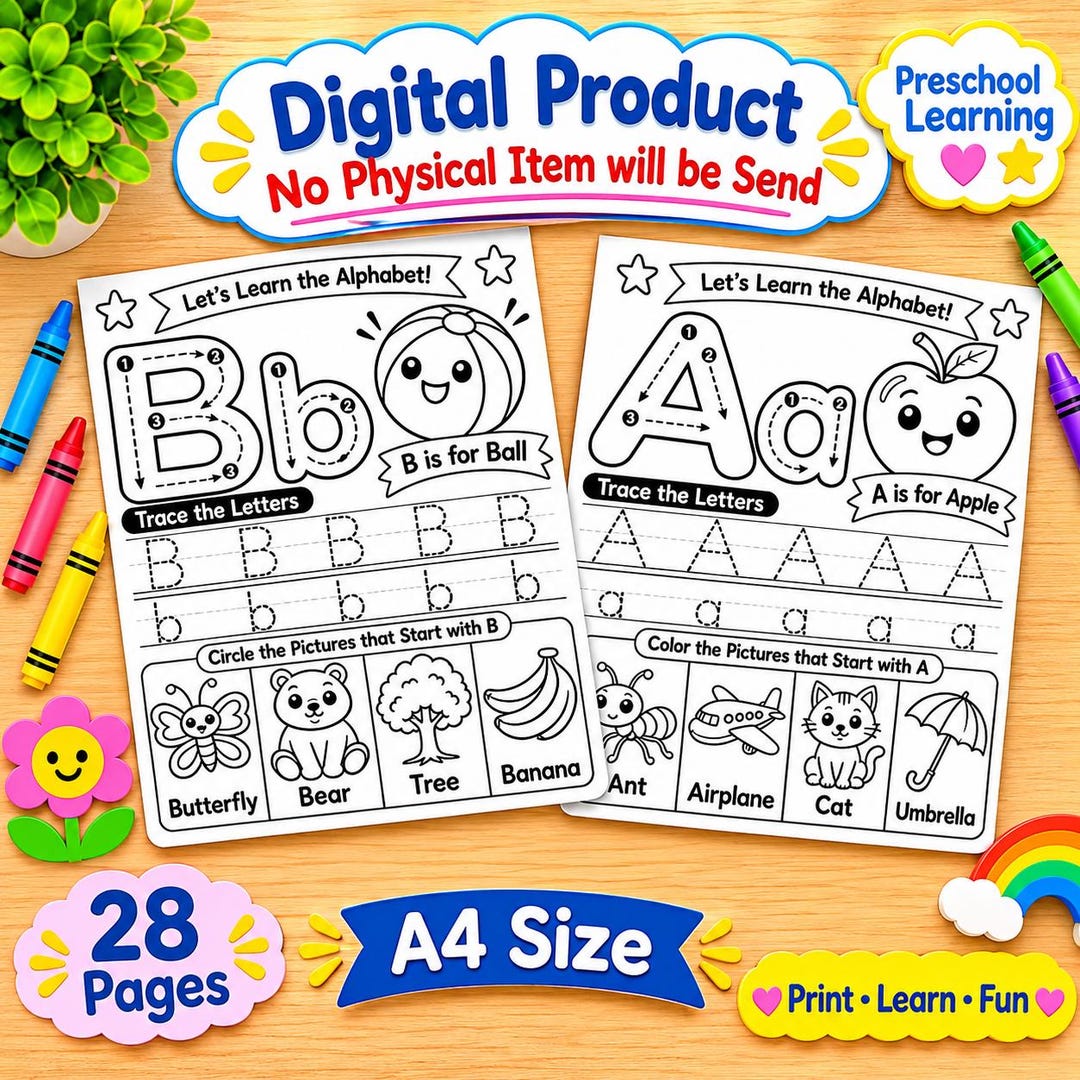
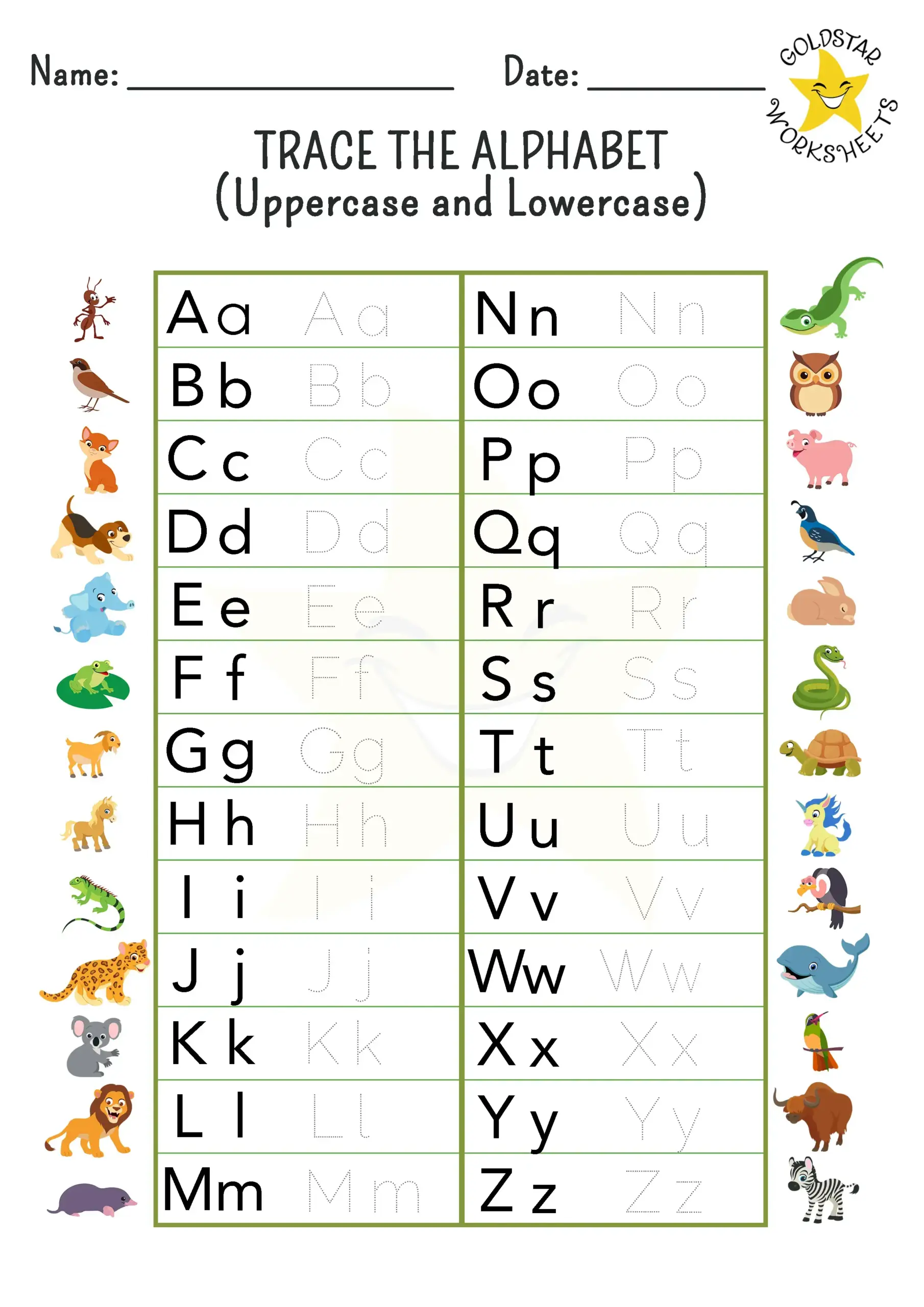
When it comes to Alphabet A To Z Number Worksheets, the first step is selecting the right set for your classroom or home. Look for worksheets that align with your educational goals. Here are some considerations to keep in mind:
- Age Appropriateness: Ensure that the worksheets are suitable for the age group you’re working with. Worksheets for preschoolers should emphasize basic recognition of letters and numbers, while those for kindergarteners can introduce simple counting and letter sounds.
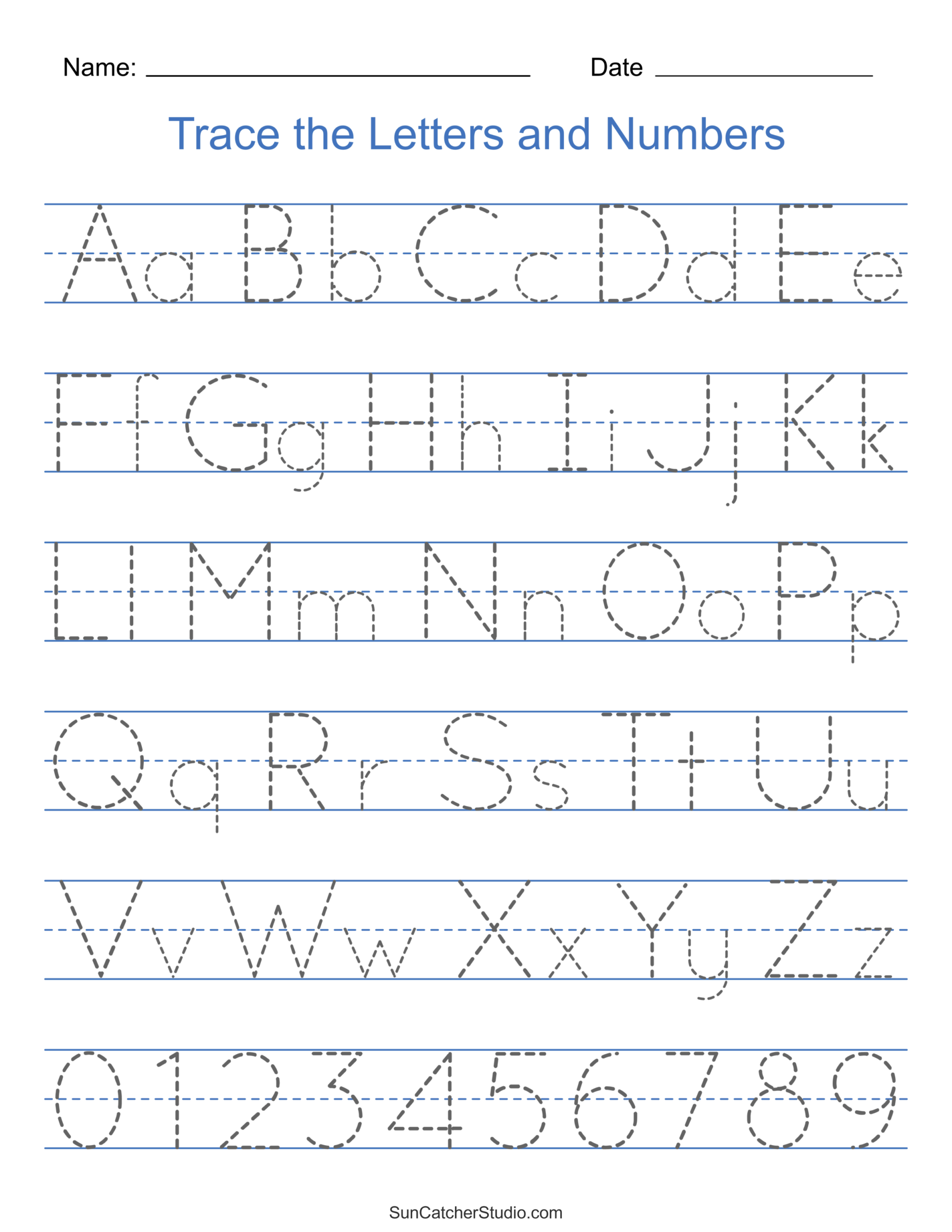
- Variety of Activities: Choose worksheets that offer a mix of activities, such as tracing letters and numbers, matching exercises, and coloring pages. This variety keeps students engaged and caters to different learning preferences.
- Clear Instructions: Opt for resources with clear, concise instructions. This is especially important if you’re handing them out for independent work.
By taking these factors into account, you’ll be able to select worksheets that best fit your teaching objectives.
Downloading and Printing Your Worksheets
Once you’ve chosen the appropriate worksheets, the next step is downloading and printing them. Here’s how to do it efficiently:
- Download the Files: Most printable resources are available in PDF format. This format is preferred as it maintains the layout across different devices and printers. Look for a download button or link on the resource website and save it to your computer.
- Check Your Printer Settings: Before printing, make sure your printer is set to the correct paper size (typically 8.5 x 11 inches for standard worksheets). If you’re printing multiple copies for a large class, consider adjusting the settings to print multiple pages per sheet to save paper.
- Use Quality Paper: For worksheets that involve coloring or tracing, using heavier paper, like cardstock, will hold up better, especially if you plan to laminate them for repeated use.
- Print a Test Page: Always print one test page to ensure everything appears correctly. This helps avoid wasting paper if there’s an issue with formatting.
These steps will help you streamline the process, ensuring that you have the materials ready for your students without unnecessary delays.
Setting Up for Classroom Use
With your worksheets printed, it’s time to prepare them for classroom use. Here’s a step-by-step approach:
- Organize the Worksheets: Sort the worksheets by activity type or difficulty level. This makes it easier for you to distribute them based on your lesson plan or students’ skill levels.
- Create a Student Folder: For activities that require more than one worksheet, consider creating folders for each student. This keeps materials organized and allows students to work at their own pace.
- Provide an Answer Key: If your worksheets include exercises that can be graded, print an answer key for yourself. This will simplify the grading process and ensure consistency in how you evaluate student responses.
- Incorporate Group Activities: Use the worksheets as a basis for group activities. For example, you might have students work together on a large poster combining letters and numbers or create a classroom display showcasing their completed worksheets.
By setting up your classroom effectively, you’ll foster a more productive learning environment that encourages collaboration and engagement.
Engaging Students With the Worksheets
To maximize the impact of your Alphabet A To Z Number Worksheets, consider these engaging strategies:
- Interactive Learning: Combine worksheet activities with interactive games. For instance, you might have a “number scavenger hunt” where students find and write down objects corresponding to the numbers on their worksheets.
- Art Integration: Encourage creativity by allowing students to illustrate their worksheets. For example, after completing a worksheet focusing on the letter ‘A’, they could draw an apple or an alligator next to it.
- Assessment and Feedback: Regularly assess student progress through informal quizzes or discussions based on the worksheets. Providing constructive feedback helps students improve and stay motivated.
- Parent Involvement: Send copies home for parents to use with their children. This reinforces the skills learned in class and allows parents to engage in their child’s education.
These strategies will not only make the learning process fun but also enhance retention and understanding of the material.
Finalizing the Learning Experience
Once the worksheets have been completed, it’s essential to wrap up the learning experience effectively. Here’s how to do that:
- Review Concepts: Spend time going over the completed worksheets as a class. Discuss any common mistakes or interesting answers that came up. This reinforces learning and clarifies any misunderstandings.
- Celebrate Achievements: Recognizing students’ efforts, whether through simple praise or rewards, can boost their confidence and encourage them to engage in future activities.
- Reflect and Adapt: After the lesson, take some time to reflect on what worked well and what could be improved. This will help you adapt future lessons to better meet your students’ needs.
- Store Worksheets for Future Use: If the worksheets are reusable (like laminated ones), store them properly for future classes. This not only saves resources but also allows you to track student progress over time.
By following these steps, you’ll create a comprehensive learning experience that utilizes the Alphabet A To Z Number Worksheets effectively.
In summary, the effective use of Alphabet A To Z Number Worksheets involves careful selection, efficient printing, organized classroom setup, engaging teaching strategies, and thorough follow-up. By implementing these practical steps, you can create a dynamic learning environment that supports young learners in developing essential literacy and numeracy skills. One last tip: consider incorporating technology by using tablets or computers for digital versions of these worksheets, which can further enhance engagement.