
Age 3 Alphabet Preschool Worksheets are essential tools for fostering early literacy skills in young learners. These worksheets provide engaging activities that help preschoolers recognize and practice the alphabet, laying a strong foundation for reading and writing. For teachers and homeschool parents, navigating the available resources can be overwhelming. This guide will highlight key considerations when selecting and utilizing these worksheets effectively in your educational setting.
Understanding the Importance of Alphabet Recognition
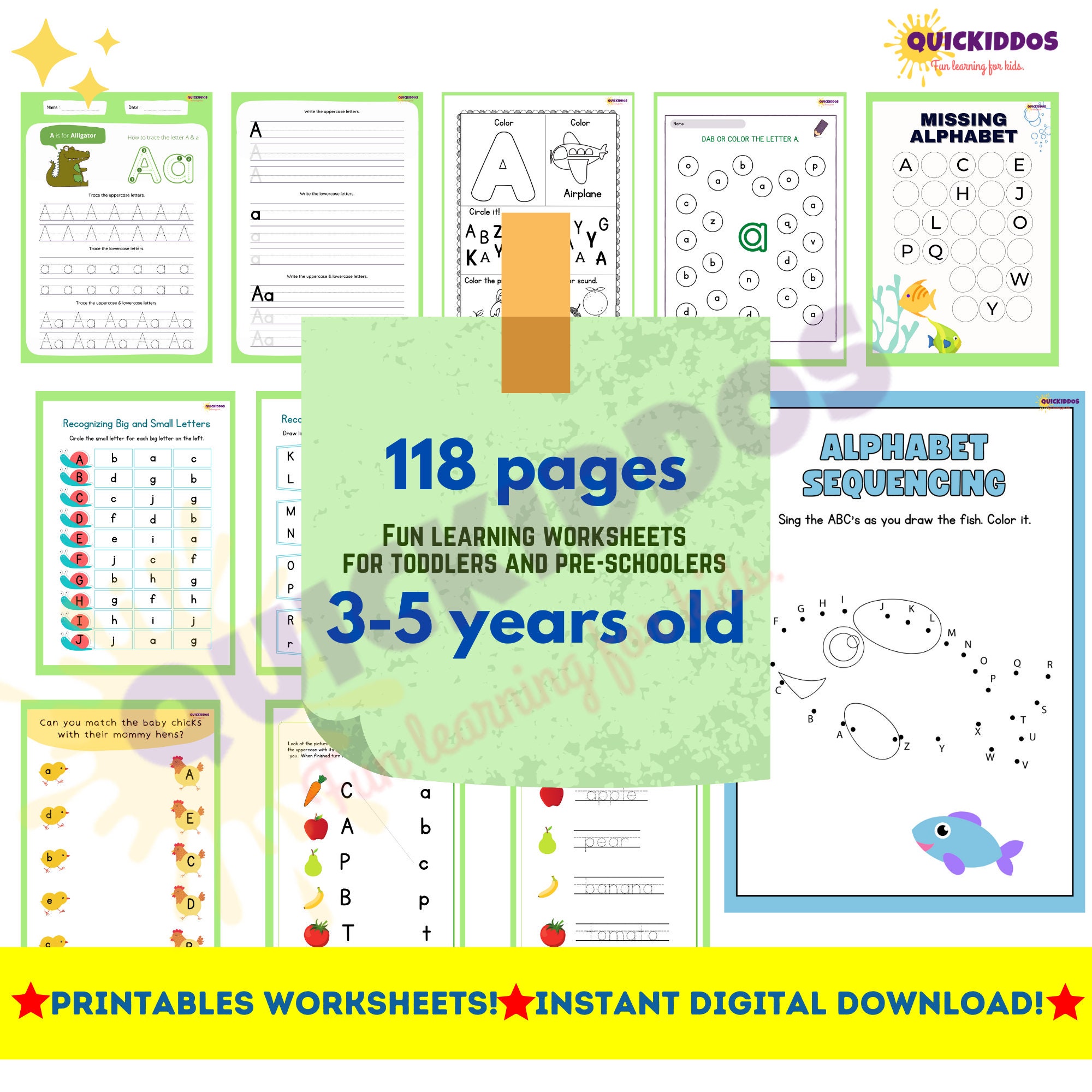
At age 3, children are typically beginning to understand the concept of letters and their sounds. Alphabet recognition is crucial because it not only aids in reading fluency but also enhances vocabulary and writing skills. Worksheets designed for this age group often feature a combination of letter tracing, matching, and creative activities that make learning enjoyable.
When choosing Age 3 Alphabet Preschool Worksheets, look for those that incorporate visual aids, such as images or drawings related to each letter. This approach helps children associate letters with words, making the learning process more relatable and memorable.
Types of Activities in Alphabet Worksheets
Alphabet worksheets can vary widely in format and activity type. Understanding the different types available will help you select the best options for your classroom or home. Some common activities include:
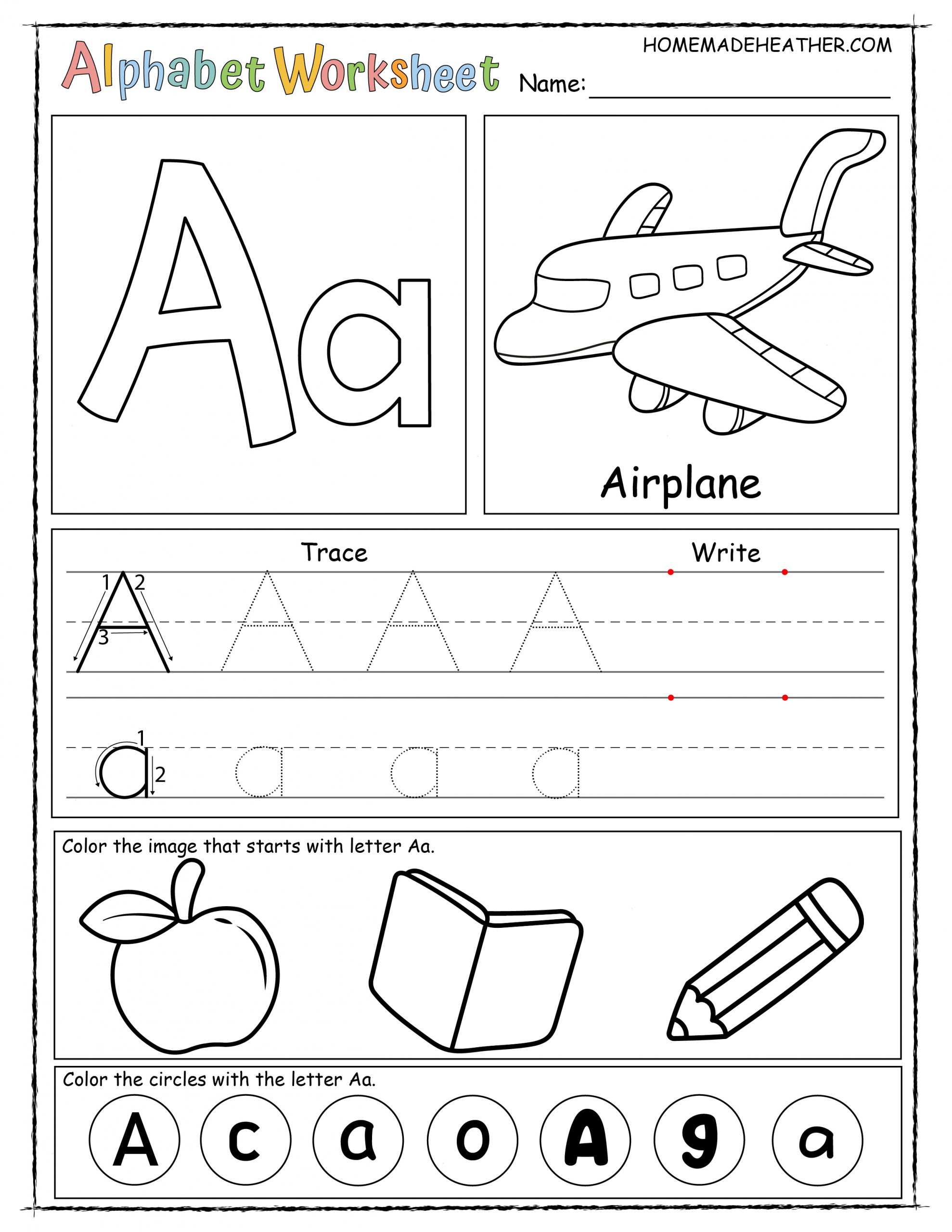
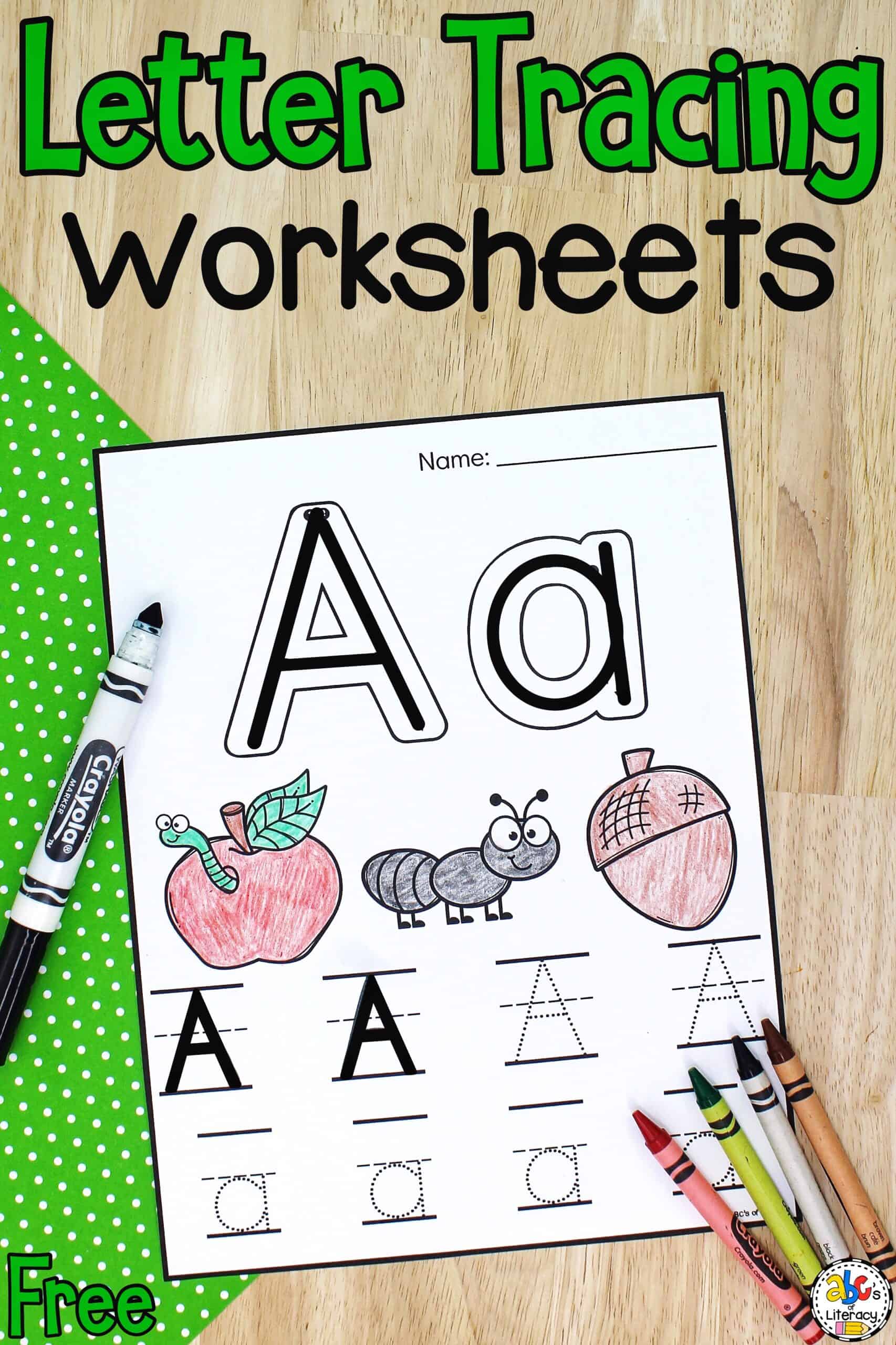
- Letter Tracing: These worksheets often feature dotted letters that children can trace over. Tracing helps develop fine motor skills while familiarizing kids with letter shapes.
- Matching Exercises: Activities where children match letters to corresponding images or words can reinforce letter recognition through visual association.
- Coloring Pages: Incorporating coloring activities allows children to express creativity while learning. For example, a worksheet might feature the letter ‘A’ with an apple to color, reinforcing the sound ‘A’ makes.
- Cut and Paste: Some worksheets encourage hands-on learning by having children cut out letters or pictures and paste them onto a designated area. This tactile engagement can enhance memory retention.
Spacing Practice Over Time
When utilizing Age 3 Alphabet Preschool Worksheets, spacing out activities throughout the week is vital. This repetition is essential for young learners as it helps solidify their understanding and retention of the alphabet. Instead of overwhelming them with multiple worksheets in one sitting, consider a structured approach:
- Daily Practice: Introduce one letter each day, using a worksheet that focuses specifically on that letter. This method allows children to concentrate on mastering one letter at a time.
- Review Days: Allocate specific days for review. For instance, after covering five letters, spend a day revisiting those letters through various activities.
- Integration with Other Subjects: Incorporate the alphabet into other learning areas, such as art or music, to create a more holistic educational experience.
By employing this spaced repetition method, children will have the opportunity to absorb and apply their knowledge effectively.
Choosing the Right Format for Printing
When selecting Age 3 Alphabet Preschool Worksheets, consider the format in which they are available. Most resources come in PDF format, which is generally preferred for printing due to its stability across different devices and printers. Here are some practical tips for printing:
- Paper Size: Standard letter size (8.5 x 11 inches) works best for most home printers. Ensure your printer settings are adjusted accordingly to avoid any scaling issues.
- Cardstock vs. Regular Paper: If the worksheets will be used repeatedly or if you plan to laminate them for durability, opt for cardstock. It holds up better than regular paper and can withstand frequent handling.
- Color vs. Black and White: While colorful worksheets can be more engaging, black and white versions are often easier to print and can be colored in by the children, adding an element of interactivity.
Engaging Parents in the Learning Process
For preschool educators and homeschool parents, engaging parents in their child’s learning journey can enhance the effectiveness of worksheets. Providing parents with tips on how to supplement worksheets at home can lead to a more enriching experience. Suggestions may include:
- Reading Together: Encourage parents to read alphabet-themed books at home, reinforcing the letters and sounds learned in worksheets.
- Everyday Learning: Suggest activities that incorporate letters into daily life, such as identifying letters on cereal boxes or road signs during car rides.
- Creating a Learning Environment: Advise parents to create a dedicated learning space at home where children can focus on their worksheets and other educational activities.
By fostering a collaborative approach between educators and parents, children are more likely to thrive in their alphabet learning journey.
Final Tips for Using Alphabet Worksheets Effectively
When implementing Age 3 Alphabet Preschool Worksheets, keep in mind a few final tips to maximize their effectiveness:
- Be Patient: Children develop at different paces. If a child struggles with a specific letter, provide additional support and practice without pressure.
- Celebrate Progress: Acknowledge achievements, no matter how small. Simple praise can motivate children to continue learning.
- Adapt to Interests: Tailor worksheets to align with a child’s interests. If a child loves animals, use animal-themed worksheets that highlight the corresponding letters.
Utilizing Age 3 Alphabet Preschool Worksheets effectively can significantly enhance a child’s early literacy skills. By choosing the right formats, spacing practice over time, and engaging parents, educators can create a supportive and stimulating learning environment. Start by selecting a worksheet today and incorporate a letter into your next learning session!