
When it comes to teaching young children the alphabet, visual and hands-on activities can make a significant difference. Activity Village Alphabet Coloring Pages are an excellent resource for educators and parents looking to reinforce letter recognition and fine motor skills. These coloring pages not only provide a fun and creative outlet but also serve as an effective tool for learning the alphabet in a structured way.
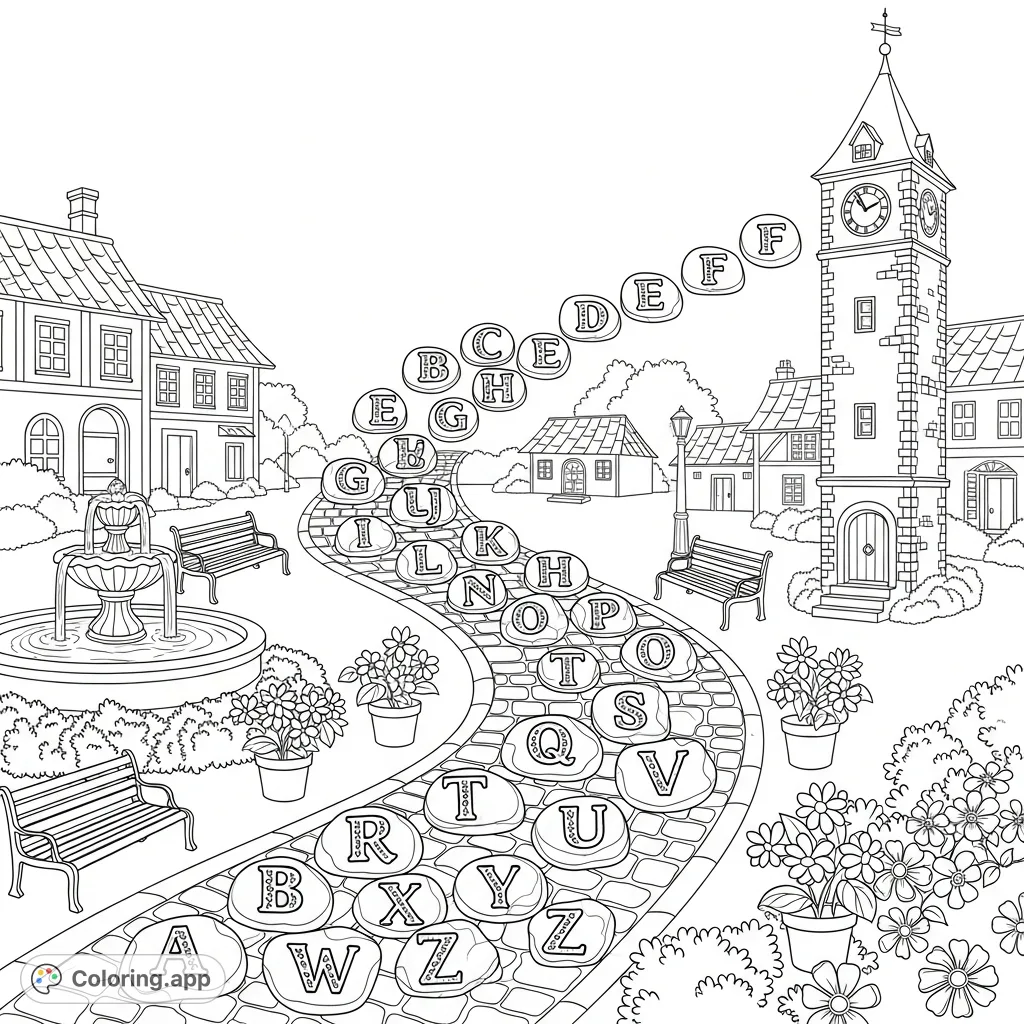
Understanding the Activity Village Alphabet Coloring Pages
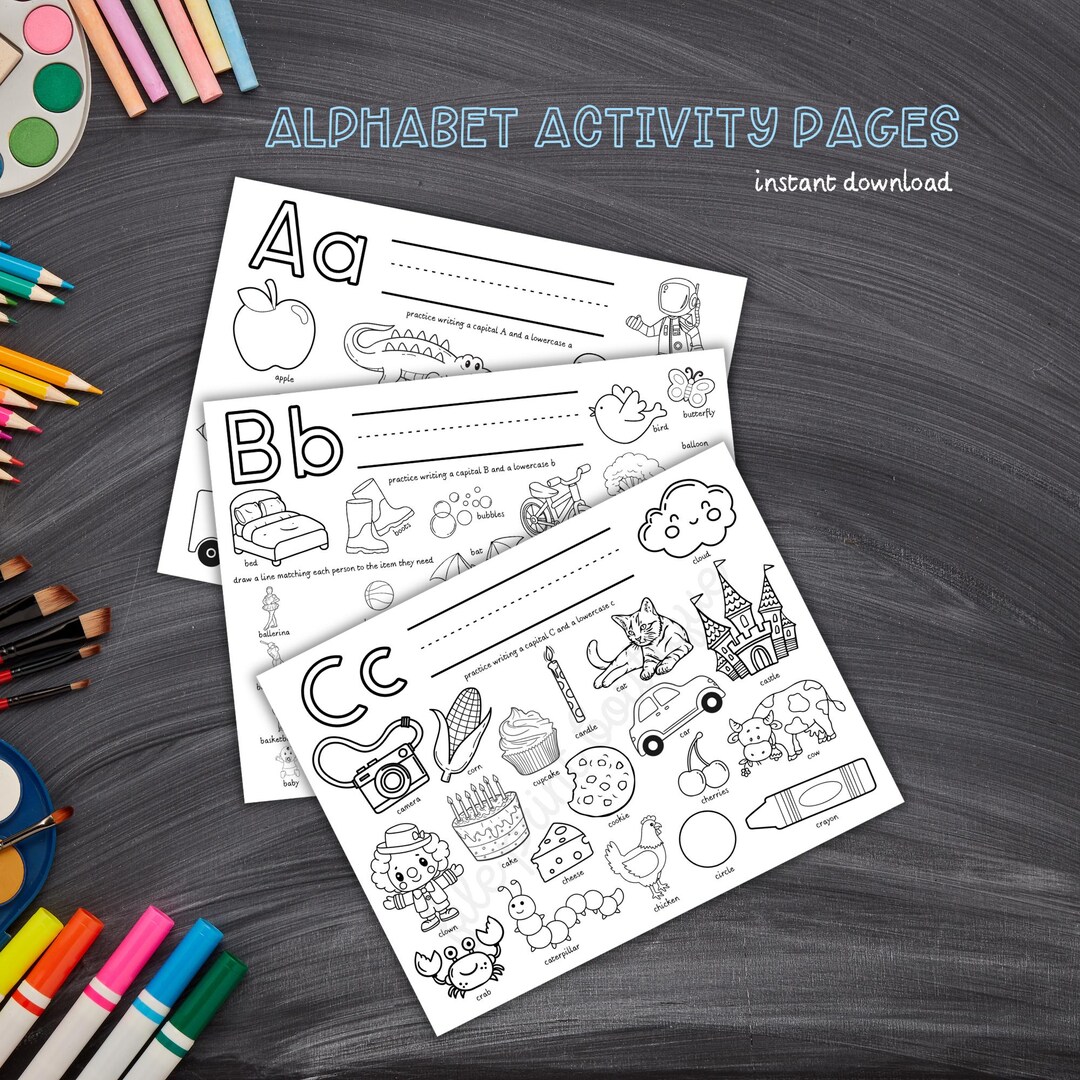
The Activity Village Alphabet Coloring Pages feature each letter of the English alphabet, accompanied by illustrations that correspond to words starting with each letter. This approach helps children associate letters with sounds and meanings, making the learning process more engaging. Each page typically includes a large, outlined letter and colorful images that can be colored in, allowing for creativity while learning.
These coloring pages are designed for children in preschool through early elementary grades, typically ages 3 to 7. However, they can be adapted for various learning environments, including classrooms, homeschools, and even at home for extra practice.
How to Use Alphabet Coloring Pages in Your Lessons
Integrating Activity Village Alphabet Coloring Pages into your teaching practice can be simple and effective. Here are some practical ways to use these resources:
- Focused Letter Practice: Assign a letter for the day and have students color the corresponding page. This can be part of a morning routine or a dedicated literacy block.
- Group Activities: Use the coloring pages for group activities where students can work together. This encourages collaboration and discussion about letters and words.
- Storytime Connections: After reading a story that features specific letters or words, hand out the corresponding coloring pages to reinforce the concepts discussed.
- Art Integration: Combine art lessons with literacy by allowing students to create a collage using their colored pages. They can cut out their letters and images and assemble them into a larger project.
- Assessment Tool: Use the completed coloring pages as a form of assessment. You can observe how well students can identify letters and their creativity in coloring.
Downloading and Printing Tips
When downloading and printing Activity Village Alphabet Coloring Pages, consider the following tips to ensure the best results:
- Paper Type: For coloring pages, standard printer paper works fine, but using cardstock can provide a sturdier surface for coloring and prevent tearing.
- Print Settings: Make sure your printer settings are adjusted for high-quality printing. Use the portrait layout for most coloring pages, as it typically suits home printers better.
- Size Considerations: Most coloring pages are designed for standard letter size (8.5 x 11 inches), which should be compatible with most printers. Check for any specific size recommendations on the download page.
- Coloring Tools: Provide a variety of coloring tools, such as crayons, colored pencils, and markers. Each tool offers a different coloring experience, which can enhance engagement.
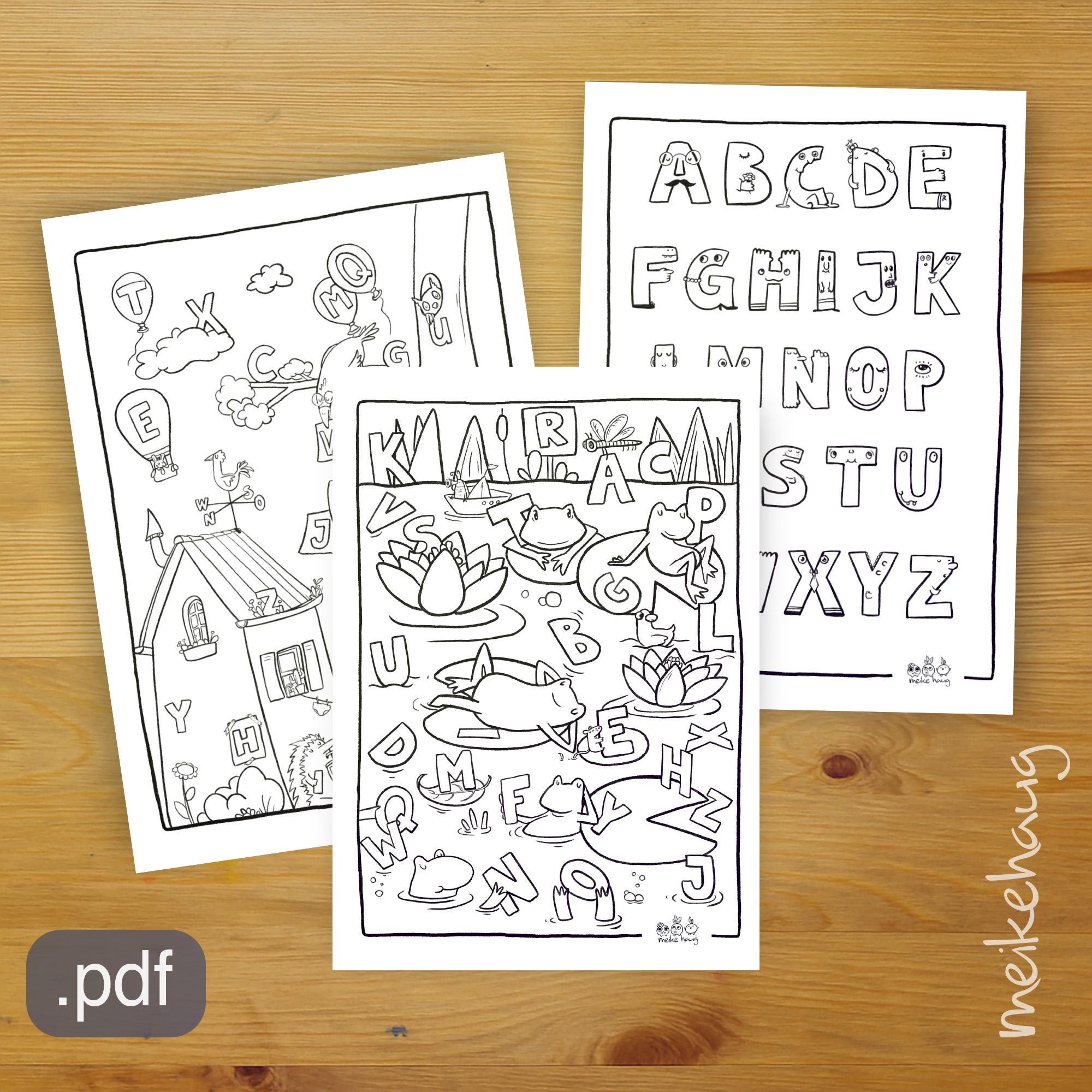
Enhancing Learning With Alphabet Coloring Pages
The Activity Village Alphabet Coloring Pages can be more than just a fun activity. Here are some ideas to enhance the learning experience:
- Letter Sounds: As children color, encourage them to say the letter’s name and sound. This phonetic practice reinforces their understanding of letter-sound relationships.
- Word Association: Discuss the pictures associated with each letter. For example, ask what other words start with that letter, fostering vocabulary development.
- Creative Writing Prompts: After coloring, prompt students to write a sentence or two about their favorite picture on the page. This can bridge the gap between visual arts and literacy.
- Parent Involvement: Send coloring pages home as part of a homework assignment. This encourages parental involvement in their child’s learning and allows for practice outside the classroom.
- Classroom Displays: Create a classroom display showcasing students’ completed coloring pages. This not only boosts their confidence but also reinforces their learning in a visible and celebratory way.