
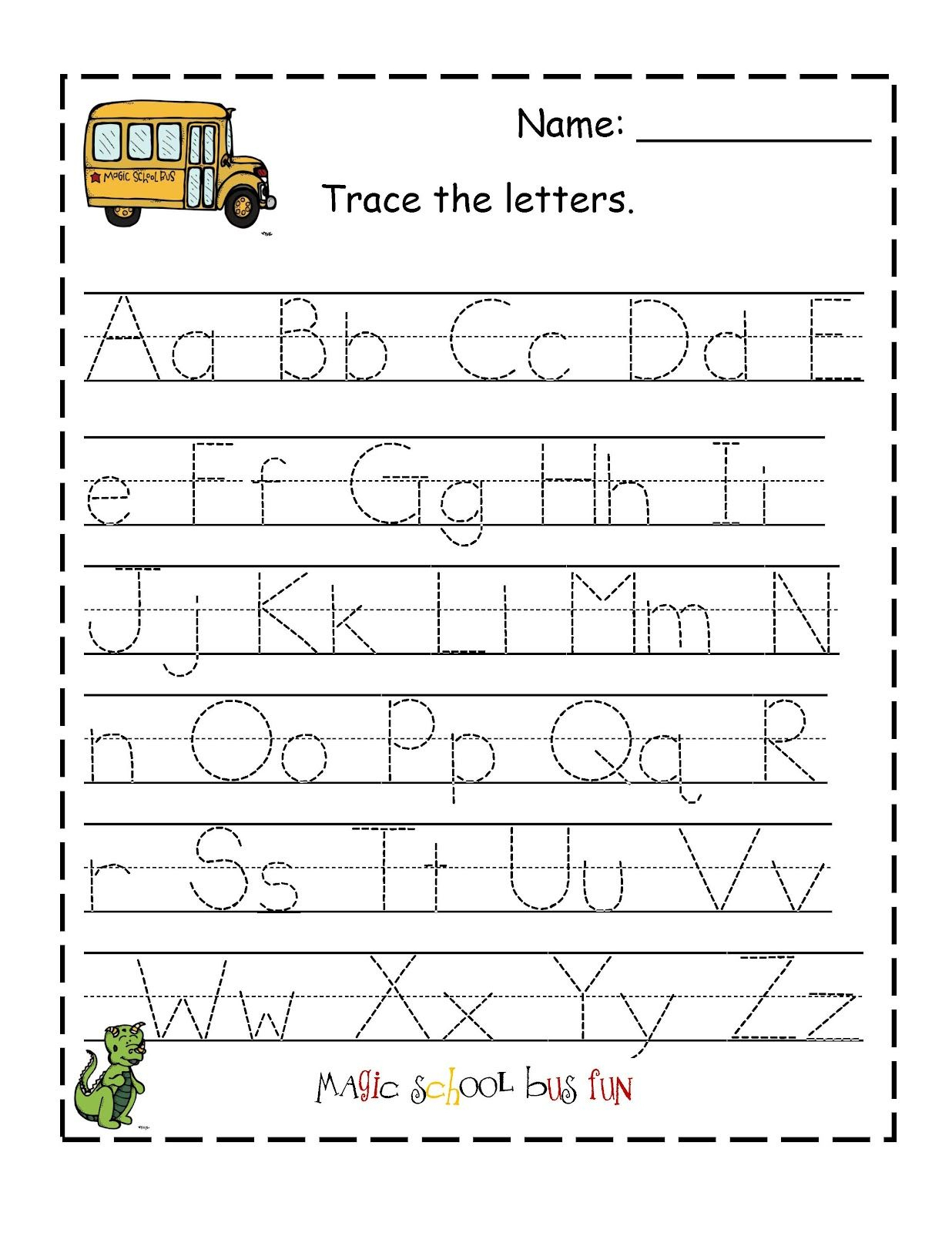
Learning the alphabet is a foundational skill for preschoolers, and using engaging resources can make the process enjoyable. ABC worksheets for Pre K are a fantastic way to help young learners recognize letters, associate them with sounds, and practice writing. These worksheets often come in various formats, including tracing, coloring, and matching activities, all designed to cater to different learning styles.
Why Use ABC Worksheets in Pre K?
ABC worksheets serve multiple purposes in early childhood education. They help children develop fine motor skills through tracing and writing, enhance their cognitive abilities through matching and identification tasks, and promote creativity with coloring sections. Here’s how these worksheets fit into your teaching strategy:
- Fine Motor Skill Development: Tracing letters helps strengthen hand muscles, improving grip and control, which are crucial for later writing skills.
- Letter Recognition: Worksheets often include images and words that start with each letter, reinforcing recognition and sound association.
- Engagement and Fun: Coloring activities keep children engaged, making learning feel like play rather than a chore.
These aspects make ABC worksheets an essential tool in both classroom and home settings.
Types of ABC Worksheets for Pre K
When selecting ABC worksheets, consider the following types, each serving a specific educational purpose:
Tracing Worksheets
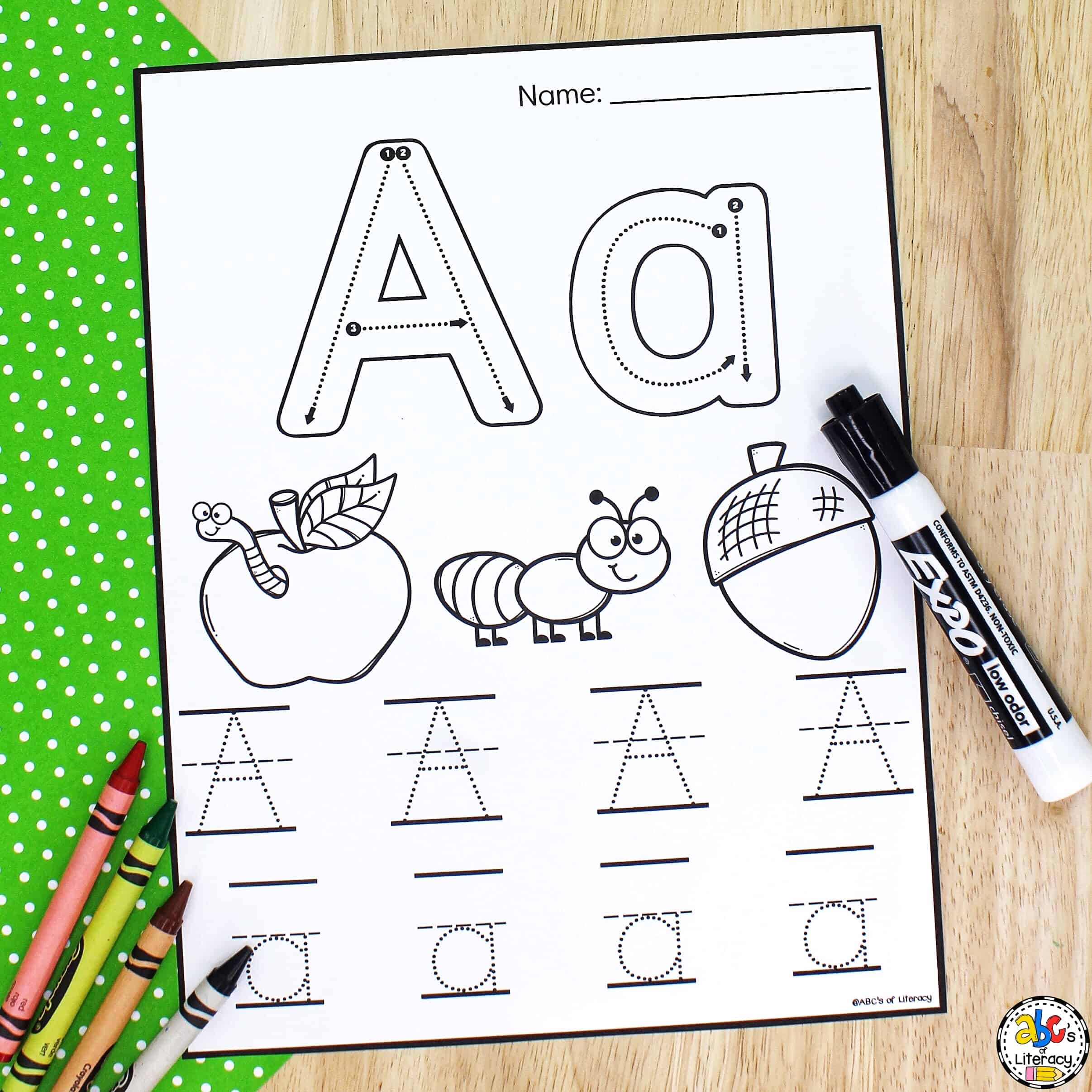
Tracing worksheets are great for practicing letter formation. They typically feature dotted outlines of letters along with arrows indicating the correct stroke order. This format not only helps children learn how to write each letter but also builds confidence in their writing abilities.
Coloring Worksheets
Coloring worksheets incorporate fun illustrations that correspond with each letter. For instance, an “A” worksheet might include an apple that children can color. This approach reinforces letter recognition while allowing for creative expression.
Matching Worksheets
Matching worksheets challenge children to connect letters with corresponding pictures or words. For example, a child might draw a line from the letter “B” to an image of a ball. This type of activity enhances cognitive skills by encouraging children to make associations between letters and sounds.
Cut-and-Paste Worksheets
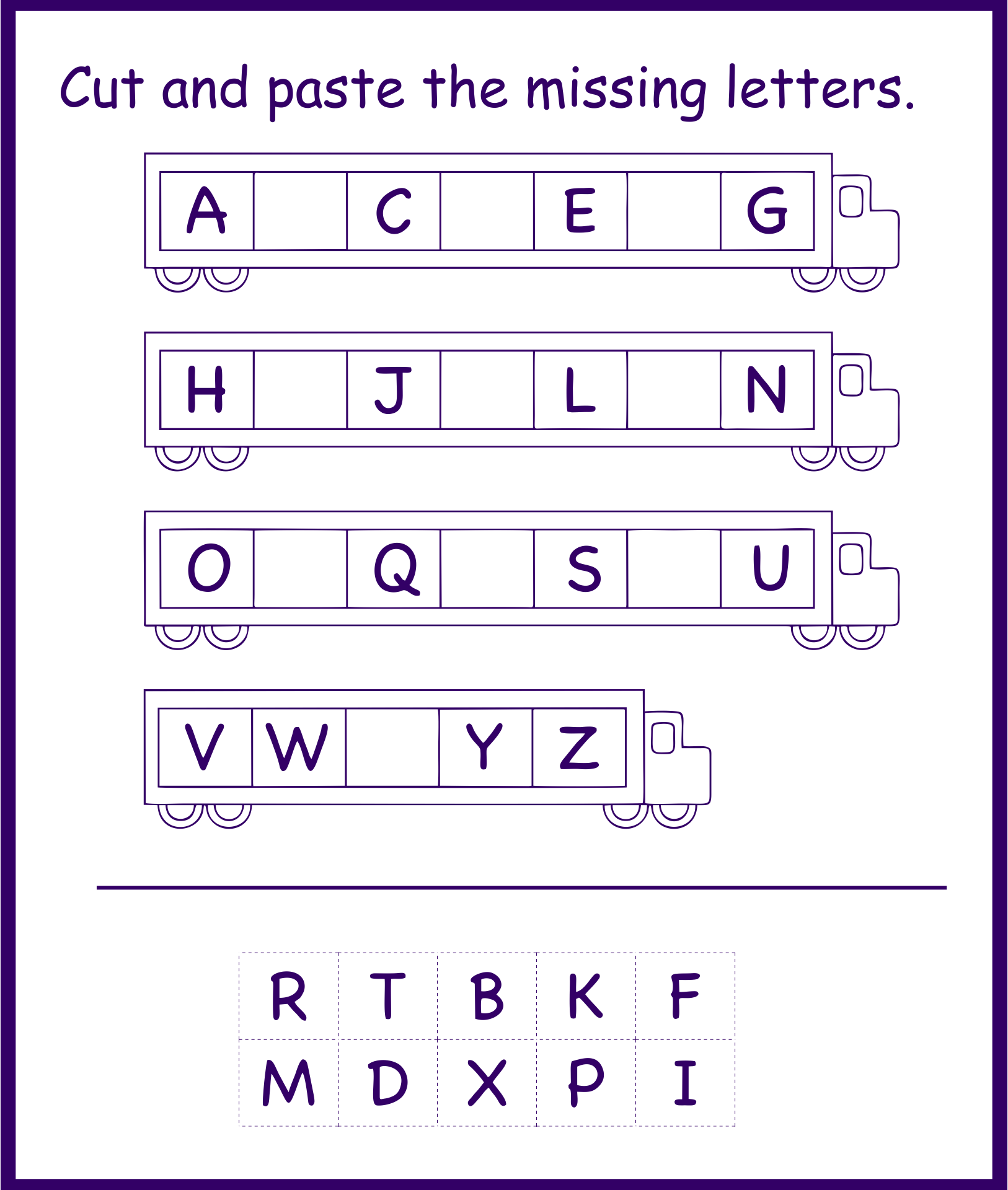
Cut-and-paste activities engage children in a hands-on manner. These worksheets usually involve cutting out letters or pictures and pasting them onto a designated area. This tactile experience can enhance memory retention and make learning more interactive.
How to Integrate ABC Worksheets Into Your Lessons
Incorporating ABC worksheets into your lesson plans can be seamless. Here are some practical strategies:
- Daily Letter Focus: Dedicate each day to a specific letter. Use a tracing worksheet on the first day, follow with a coloring worksheet the next day, and conclude the week with a matching activity. This repetition reinforces learning.
- Group Activities: Use worksheets in small groups to foster collaboration. Children can share ideas and help one another while working on similar tasks, creating a supportive learning environment.
- At-Home Practice: Encourage parents to use these worksheets at home. Provide a set of printable worksheets that parents can download and print, allowing for continued practice outside of school.
Best Practices for Using ABC Worksheets
Here are some tips to maximize the effectiveness of ABC worksheets in your teaching:
- Choose Age-Appropriate Worksheets: Ensure the difficulty level matches your students’ skills. Worksheets that are too challenging can lead to frustration, while those that are too easy may not engage them.
- Print Quality Matters: Use high-quality paper for printing worksheets. Cardstock is a great choice as it holds up well to repeated use and can be laminated for durability if you plan to reuse them.
- Provide Clear Instructions: When introducing a new worksheet, walk your students through the instructions. Demonstrating how to complete the tasks can significantly boost their confidence.
Accessibility and Variety of ABC Worksheets
A variety of ABC worksheets for Pre K are available online, often as free or low-cost downloads. These resources can typically be found in PDF format, making them easy to print and distribute. Look for websites that offer:
- Diverse Designs: Engaging images and themes that appeal to young learners. Worksheets with animals, colors, and familiar objects can be particularly effective.
- Adjustable Difficulty Levels: Worksheets that offer different levels of complexity within the same theme allow you to cater to the varied abilities in your classroom.
- Printable Resources: Ensure that the worksheets are available in a printer-friendly format to avoid any layout issues when printed.
Encouraging Parental Involvement
Involving parents in their child’s learning process can significantly enhance their educational experience. Consider these approaches:
- Send Worksheets Home: Provide worksheets for parents to use during family time. This not only reinforces what children learn in school but also fosters a connection between home and school learning.
- Parent Workshops: Offer workshops that educate parents on how to use these resources effectively, emphasizing the importance of letter recognition and early literacy skills.
- Feedback Loop: Encourage parents to share their experiences with the worksheets. This feedback can help you assess which materials resonate most with students and their families.
ABC worksheets for Pre K are not just educational tools; they are gateways to fostering a love for learning in young children. By thoughtfully integrating these resources into your teaching practice, you can create a vibrant and engaging learning environment that supports early literacy development.
One specific detail to consider when printing worksheets is that using a portrait layout generally works better for most home printers, ensuring that the entire worksheet fits well on the page without cutting off any important elements.