
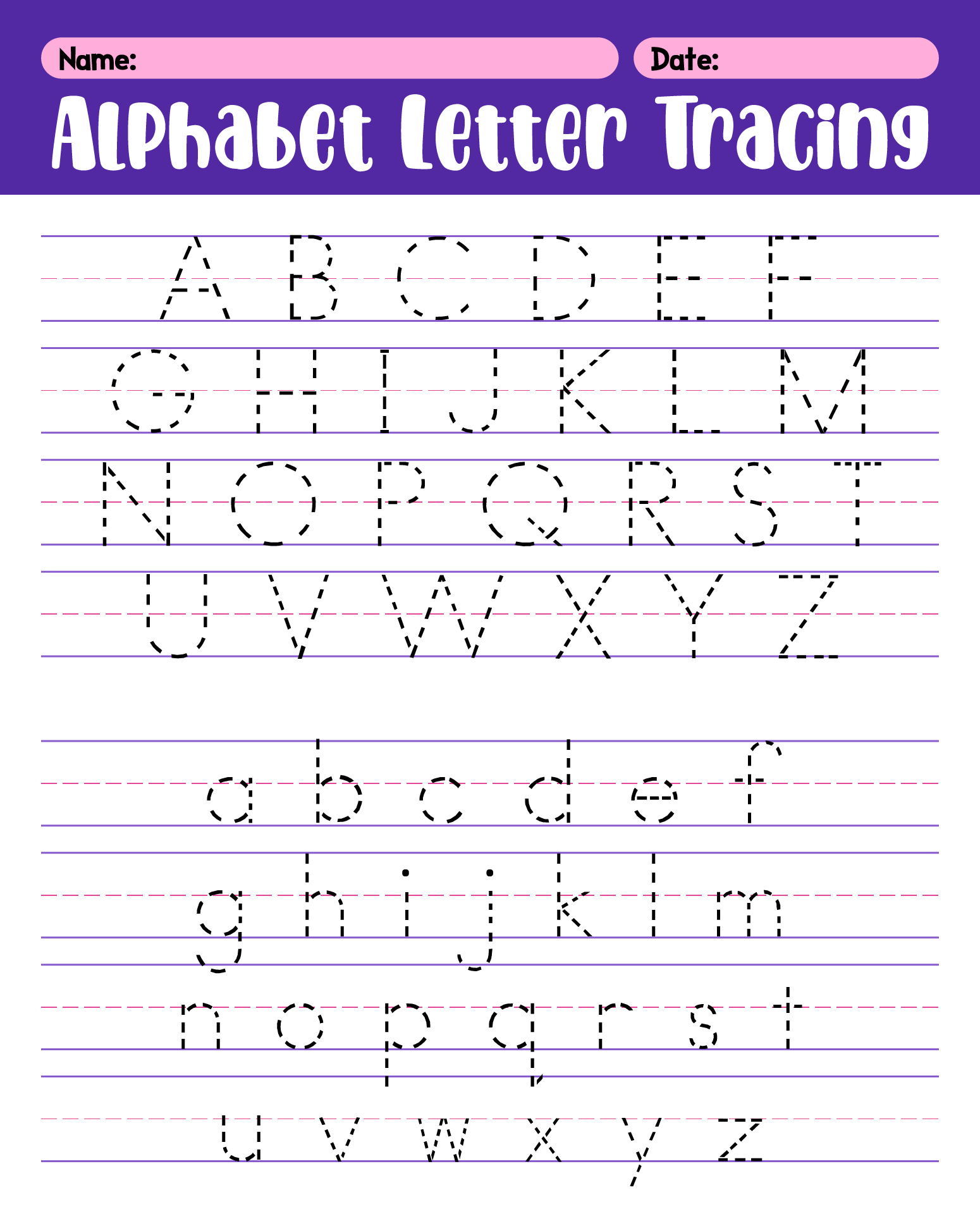
The A-Z Alphabet Letter Tracing Worksheet serves as an essential tool for teaching young children letter recognition and formation. This resource allows children to practice their handwriting while becoming familiar with the entire alphabet, making it suitable for preschool and early elementary students. Through guided tracing, children can develop fine motor skills and build confidence in their writing abilities.
Understanding the Importance of Letter Tracing
Letter tracing worksheets are not just fun activities; they play a crucial role in early literacy development. By tracing letters, children learn the correct strokes for each letter, which is foundational for writing. This method reinforces muscle memory, helping kids remember how to form letters independently over time. The A-Z Alphabet Letter Tracing Worksheet can be seamlessly integrated into daily routines, whether during a dedicated learning session or as part of a playful afternoon activity.
Features of the A-Z Alphabet Letter Tracing Worksheet
The A-Z Alphabet Letter Tracing Worksheet typically includes:
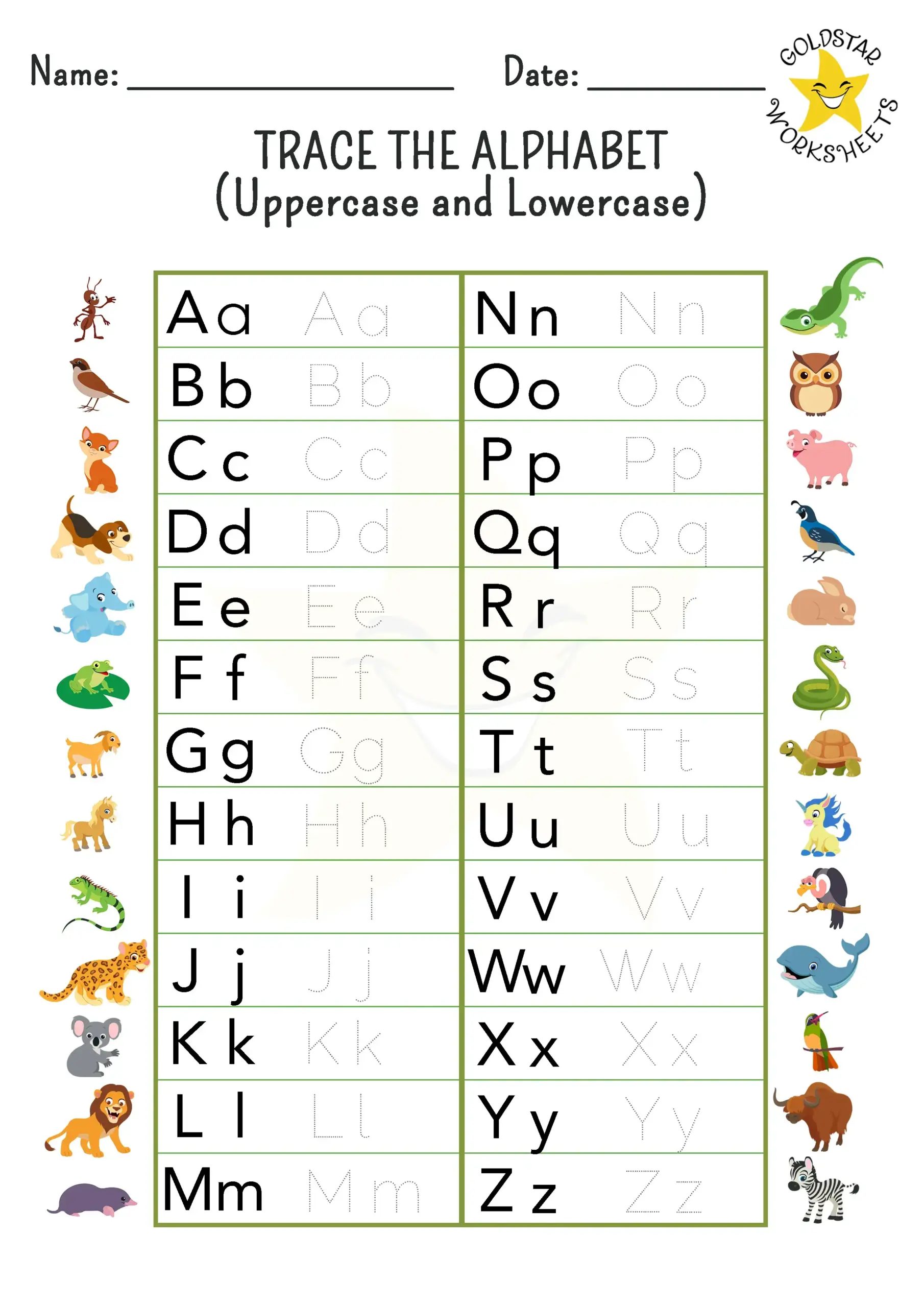
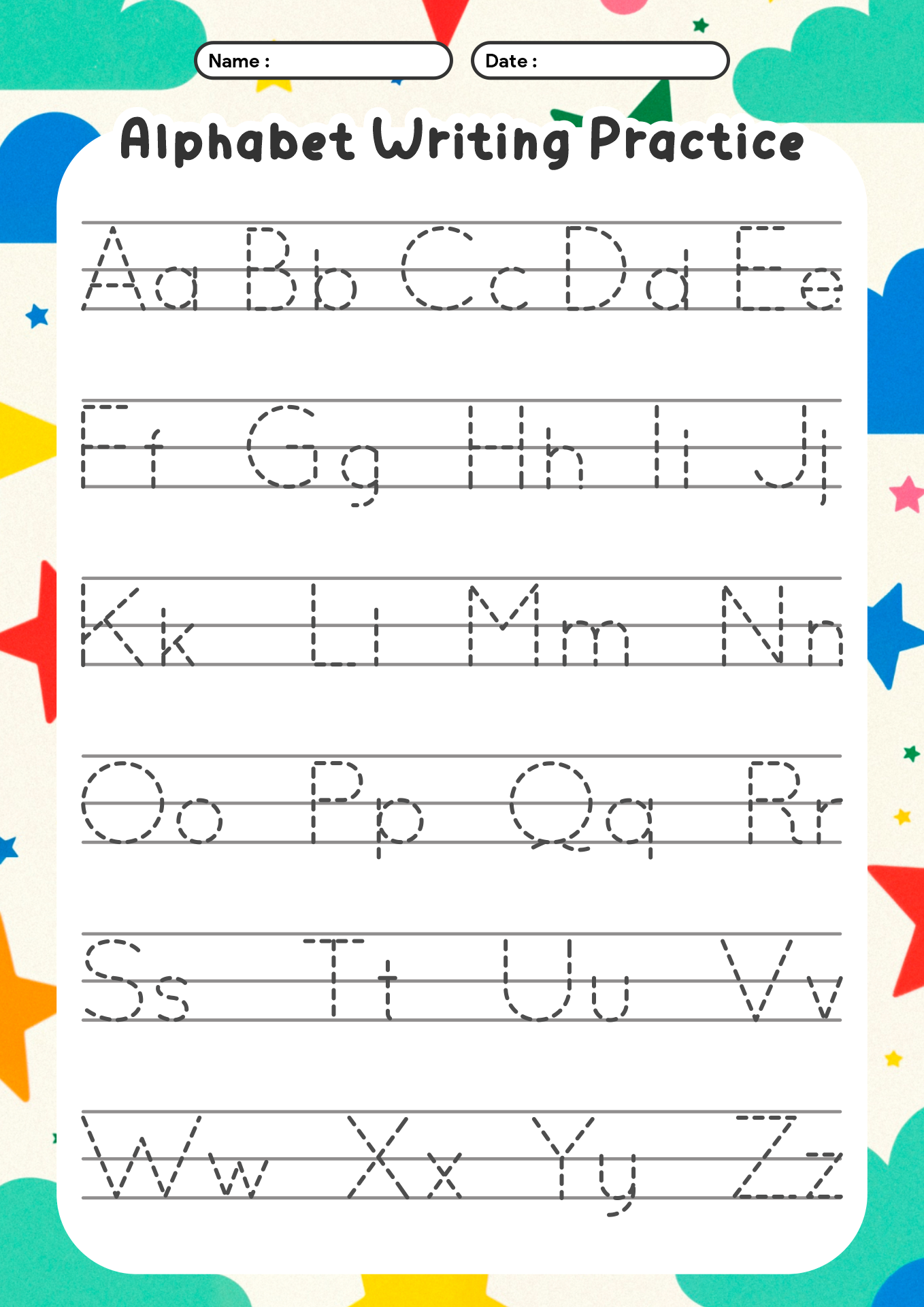
- Uppercase and Lowercase Letters: Each letter is presented in both forms, allowing children to understand the difference and practice accordingly.
- Guided Tracing Lines: Dotted lines guide children on how to trace each letter, ensuring they learn proper formation.
- Visuals and Themes: Many worksheets incorporate fun graphics or themes that make tracing more engaging for children. For example, the letter ‘A’ might be accompanied by an apple illustration.
These features support various learning styles, making the worksheet a versatile resource for both teachers and parents.
How to Use the A-Z Alphabet Letter Tracing Worksheet
Using the A-Z Alphabet Letter Tracing Worksheet effectively can enhance the learning experience. Here are practical strategies for its use:
- Daily Practice: Set aside a few minutes each day for tracing letters. Consistency is key in helping children retain what they learn.
- Incorporate Fun Activities: Turn tracing into a game. For instance, challenge your child to trace all the letters in a certain time frame or reward them with stickers for each completed section.
- Use Different Writing Tools: Encourage children to use various writing instruments, such as crayons, markers, or even finger tracing in sand or on a tablet. This variation keeps the activity fresh and engaging.
- Parental Involvement: Parents can sit with their child and provide support, offering guidance on letter formation and praising their efforts, which boosts confidence.
Choosing the Right Format for Your Needs
When selecting the A-Z Alphabet Letter Tracing Worksheet for your use, consider the following:
- PDF vs. Image Format: PDF versions are generally preferred because they maintain formatting across different devices and printers. Image files may result in resizing issues when printed.
- Paper Size: Standard sizes like Letter (8.5 x 11 inches) or A4 work best for most home printers. Ensure your printer settings are adjusted to match the paper size to avoid cutting off parts of the worksheet.
- Color vs. Black and White: Color worksheets can be more engaging for children but consider printing in black and white to save on ink if necessary. You can always add color later with crayons or markers.
Tips for Enhancing Learning With Tracing Worksheets
To maximize the effectiveness of the A-Z Alphabet Letter Tracing Worksheet, consider integrating additional educational resources:
- Phonics Activities: Pair tracing exercises with phonics activities to reinforce letter sounds. For instance, after tracing the letter ‘B’, discuss words that start with ‘B’, like “ball” or “bat.”
- Crafts and Art Projects: Incorporate crafts that align with the letters. For instance, create a collage of items that start with the letter ‘C’ after tracing it.
- Storytime Connection: Read books that feature the letters being traced. This can help children connect written letters with spoken language and storytelling.
Using these strategies can deepen the learning experience and make it more holistic and enjoyable.