
In a cozy corner of a bustling kitchen, a parent sits with their child, a stack of colorful papers at hand. The child is eagerly choosing the next activity to work on, flipping through a collection of printouts designed to make learning fun. Among these resources, the A B C D Print Out stands out, offering a structured yet engaging way to reinforce foundational skills at home or in a homeschool setting.
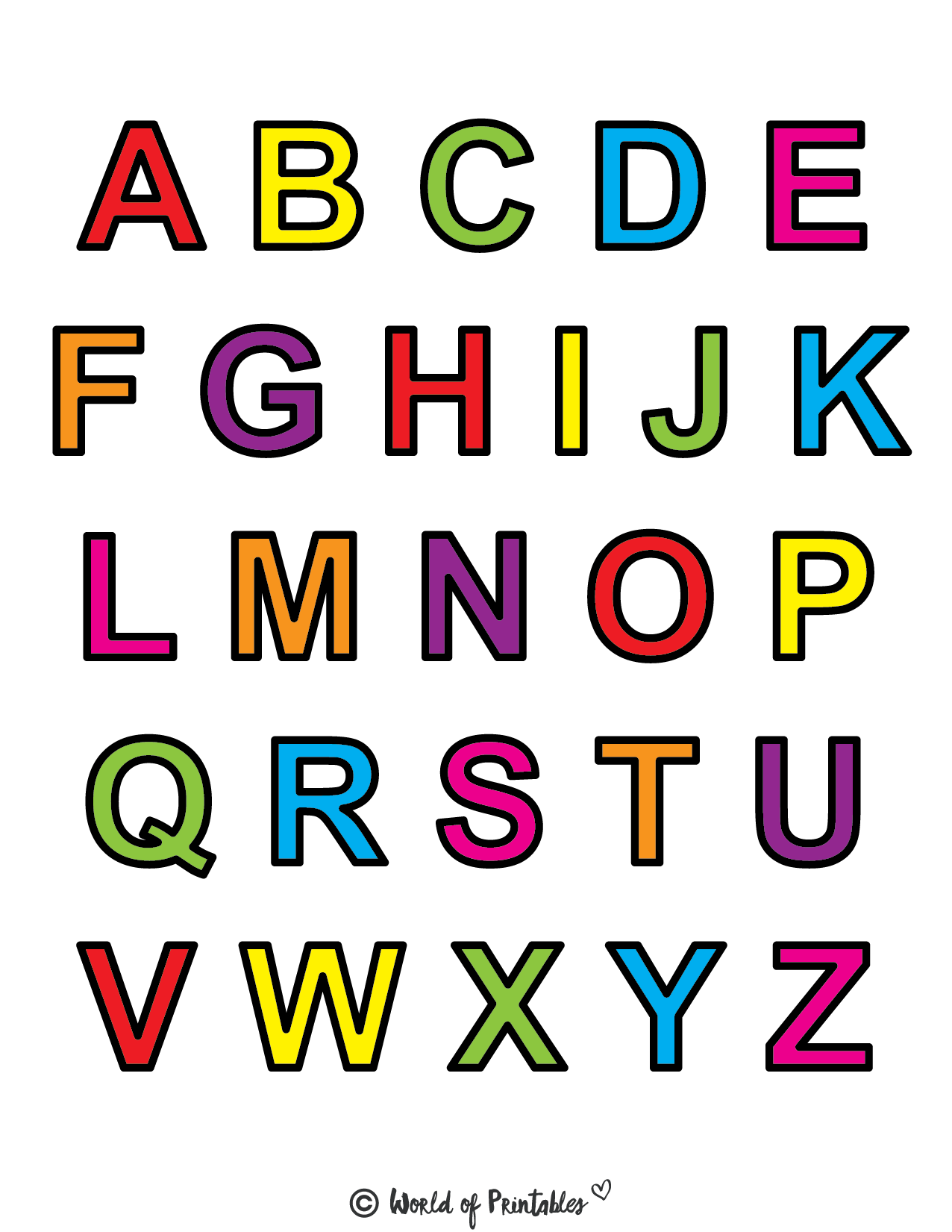
Understanding the A B C D Print Out
The A B C D Print Out is a versatile educational resource that includes a variety of printable worksheets, worksheets, and activities tailored for early learners. This resource typically encompasses activities focusing on the alphabet, numbers, colors, and shapes, making it an ideal choice for preschool and kindergarten students. It’s designed to be user-friendly, allowing parents and teachers to easily print and utilize the materials without needing extensive preparation or specialized knowledge.
Key Features of the A B C D Print Out
Using the A B C D Print Out means accessing a wealth of educational activities that cater to various learning styles. Here are some key features:
- Diverse Activities: The printouts include coloring pages, tracing worksheets, and simple games that help children practice their motor skills and cognitive abilities.
- Age Appropriateness: Designed primarily for children ages 3 to 6, the activities align well with developmental milestones typical for this age group.
- Easy to Use: The user-friendly format allows for straightforward printing on standard letter-sized paper (8.5″ x 11″). Most home printers handle this size well, ensuring easy access to the materials without complicated setup.
Engaging Ways to Use the A B C D Print Out
Incorporating the A B C D Print Out into daily routines can make learning enjoyable and effective. Here are some practical ways to use these resources:
Morning Learning Sessions
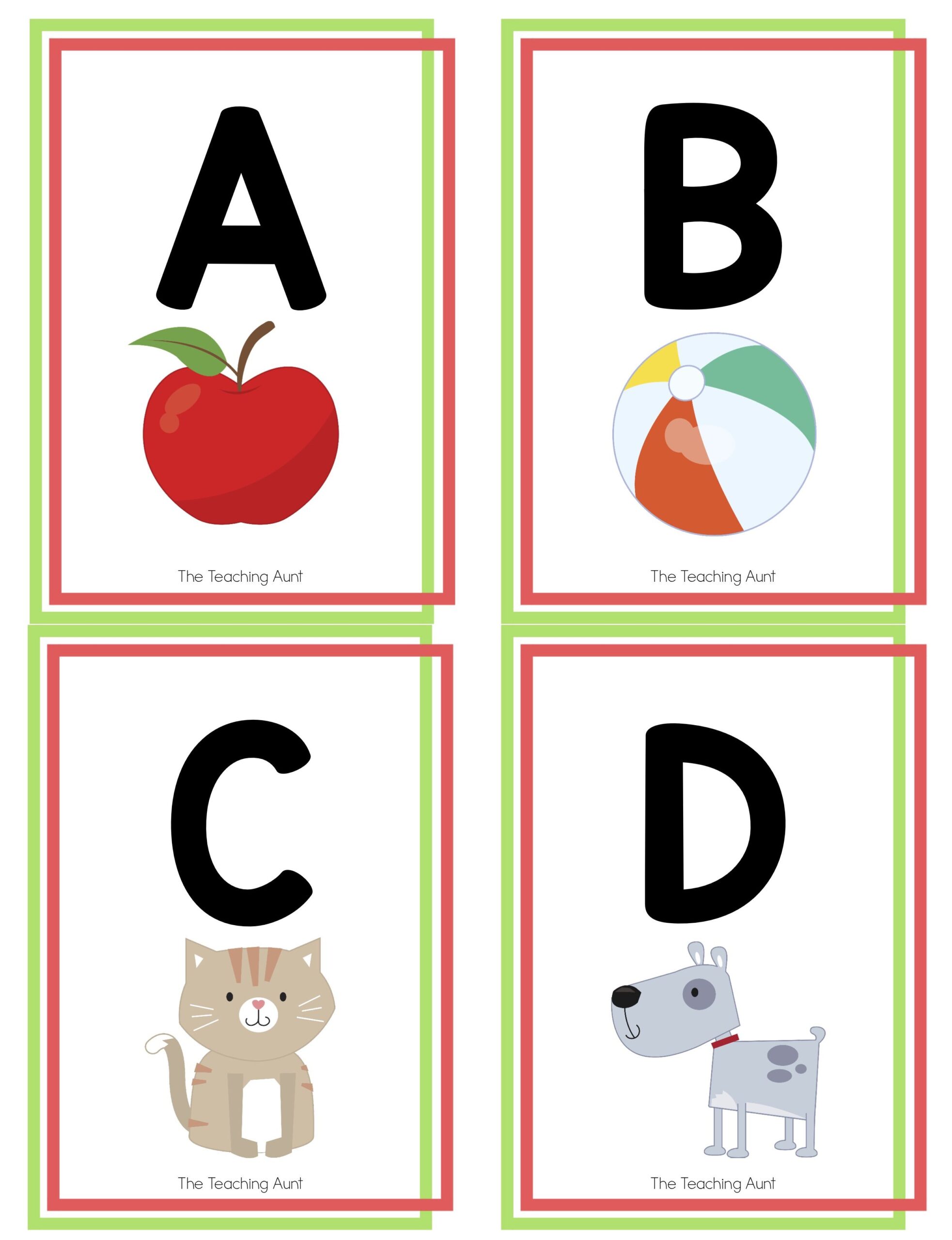
Setting aside a 15-20 minute session in the morning can set a positive tone for the day. Choose a worksheet focused on the alphabet or numbers, and work on it together. This not only enhances learning but also creates bonding time. For instance, using a tracing worksheet helps develop fine motor skills while reinforcing letter recognition.
Themed Learning Days
Consider designating specific days for themes. For example, “Alphabet Day” can involve printing out activities centered around a particular letter. You can encourage your child to find objects around the house that start with that letter, deepening their understanding and engagement. This method also provides a hands-on approach to learning that can be both fun and educational.
Incorporating Playtime
Combine learning with play by using coloring pages from the A B C D Print Out. After completing a worksheet, let your child color a related picture. This reinforces the concepts learned while allowing for creative expression. You can also create a game by cutting out letters and hiding them around the house for a scavenger hunt, encouraging active learning.
Tips for Printing and Usage
To ensure the best experience with the A B C D Print Out, consider the following tips:
- Paper Quality: Using cardstock can enhance durability, especially if the printouts will be reused or if younger children are using them. Cardstock holds up better to coloring and erasing.
- Printer Settings: Adjust your printer settings to ‘Best Quality’ for a clearer print, especially for coloring pages where details matter.
- Organization: Keep the printed materials organized in a binder or folder. This makes it easy to access the worksheets and keeps everything tidy, ready for use whenever you need them.
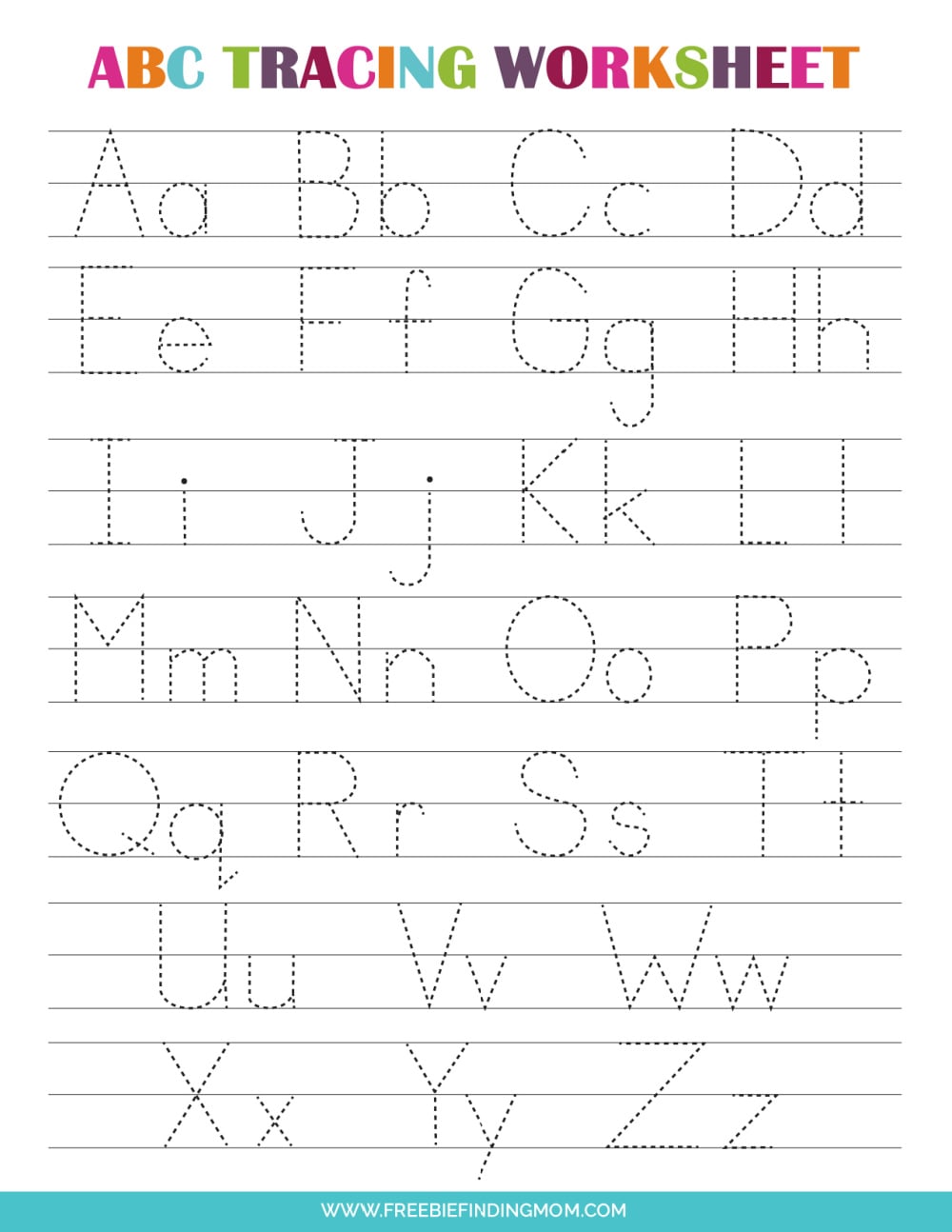
Adapting the A B C D Print Out for Different Learning Levels
While the A B C D Print Out primarily targets early learners, it can be adapted for various skill levels. For instance, older preschoolers can work on more complex tasks like simple math problems or letter-sound recognition. Additionally, incorporating these printouts into group settings—such as playdates or small homeschool groups—can foster collaboration and social skills among children.
Multi-Sensory Activities
To further enhance learning, parents and teachers can introduce multi-sensory activities alongside the printouts. For example, after completing a worksheet, children could use playdough to form letters or numbers, reinforcing their learning through tactile experience.