
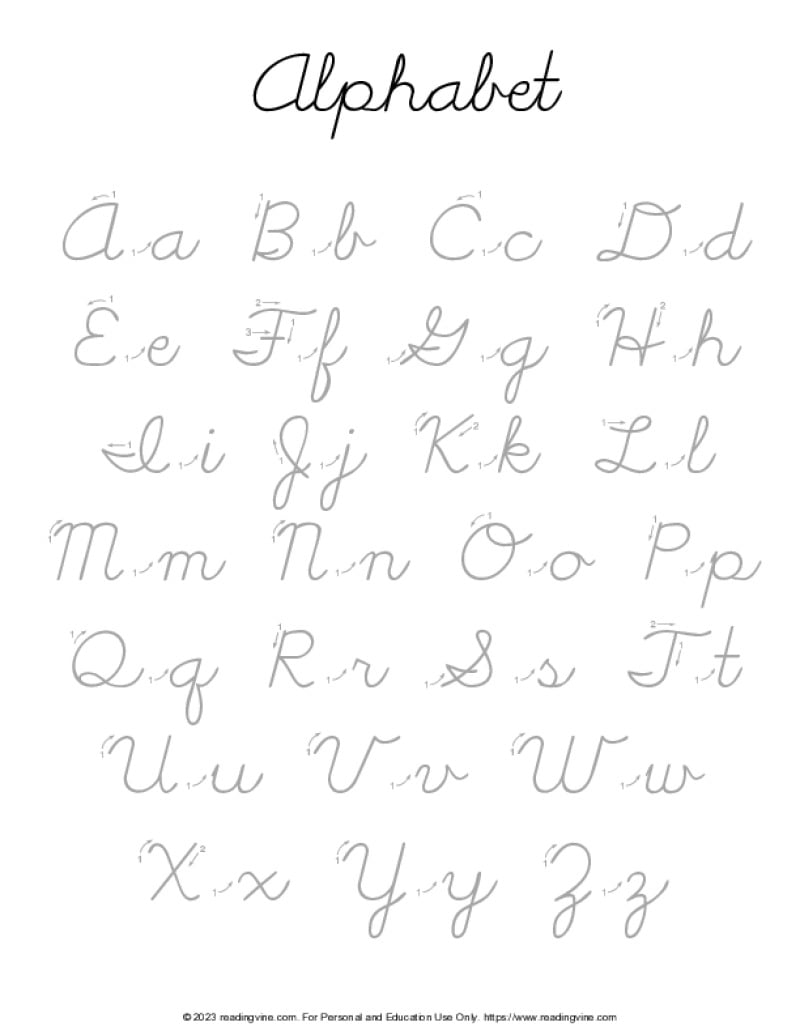
For teachers and parents looking to support children’s writing skills, Print And Cursive Alphabet Handwriting Worksheets are a fantastic tool. These worksheets are designed to help students practice their letters in both print and cursive formats, making them versatile resources for different learning styles and needs. With these worksheets, educators can effectively guide students through mastering their alphabet writing, ensuring they build a strong foundation in handwriting.
Understanding the Importance of Handwriting Practice
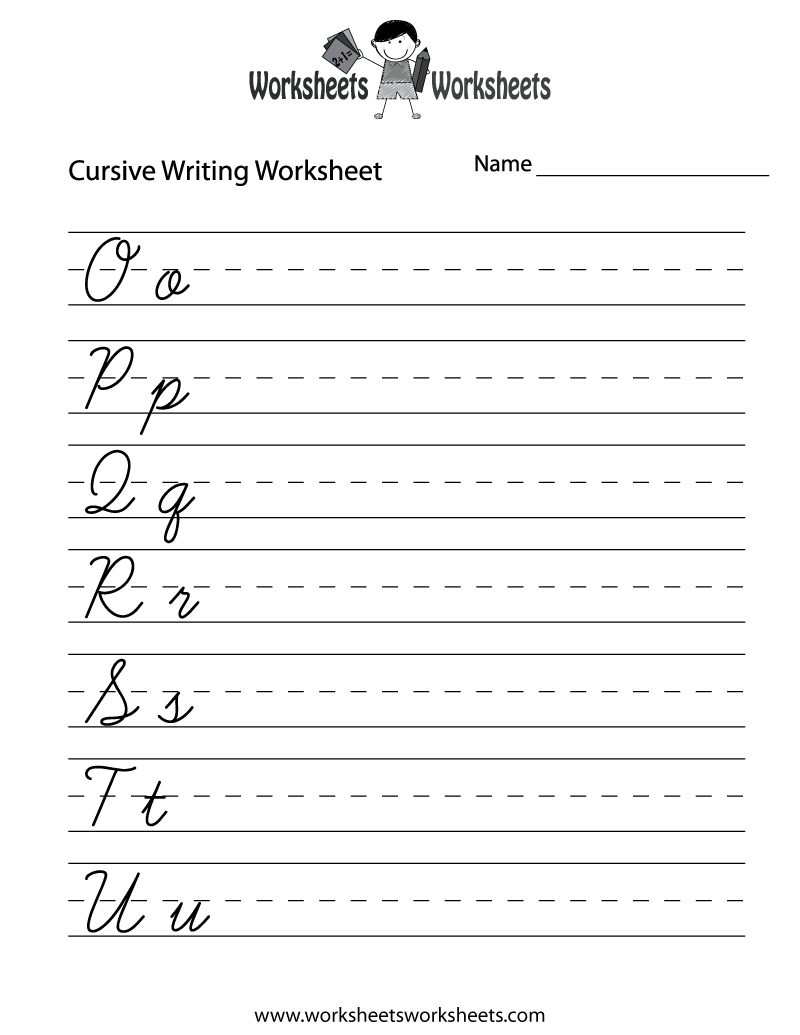
Handwriting is more than just putting pen to paper; it’s a vital skill that contributes to a child’s overall literacy development. Children typically begin learning to write their letters around preschool or kindergarten, and practice continues through the early elementary grades. Mastering print and cursive writing can improve fine motor skills, boost confidence, and enhance cognitive development.
When students have consistent practice with Print And Cursive Alphabet Handwriting Worksheets, they can better understand letter formation, spacing, and alignment. This practice is crucial for their readiness to write sentences and eventually paragraphs, as it lays the groundwork for efficient and legible writing.
Choosing the Right Worksheets
When selecting Print And Cursive Alphabet Handwriting Worksheets for your classroom or homeschool, consider the following factors:
- Age Appropriateness: Tailor your choice based on the child’s age and skill level. Worksheets designed for preschoolers will differ from those intended for second or third graders.
- Worksheet Format: Look for worksheets that clearly differentiate between print and cursive letters. This will help students transition between the two styles smoothly.
- Visual Appeal: Worksheets that are visually engaging can keep students motivated. Consider those with fun designs or themes that resonate with young learners.
- Downloadable Format: Ensure the worksheets are available in a format that’s easy to print, such as PDF, to avoid formatting issues that can arise with image files.
How to Use Print And Cursive Alphabet Handwriting Worksheets
Once you have chosen the right worksheets, the next step is to implement them effectively. Here’s a simple workflow to help you get started:
- Download and Print: Make sure to download the worksheets in high-quality PDF format. Print them on standard letter-size (8.5 x 11 inches) paper for the best results. If possible, consider using cardstock for durability, especially if you plan to laminate them for repeated use.
- Create a Routine: Establish a regular handwriting practice schedule. Consistency is key, so whether it’s daily or a few times a week, make it part of your learning routine.
- Demonstrate First: Before handing out the worksheets, demonstrate how to write each letter. Show students the correct strokes and the direction they should follow when forming letters. This is particularly important for cursive writing, where the flow of letters is crucial.
- Encourage Self-Correction: As students work through the worksheets, encourage them to check their work. Reinforce the importance of neatness and proper letter formation, and provide guidance on how to make corrections if necessary.
- Assess Progress: After students have completed a set of worksheets, take time to assess their progress. Look for improvements in letter formation, consistency in size, and overall neatness. This will help you identify areas that may need additional focus.
Mastery Indicators for Handwriting Skills
Recognizing when a student has mastered the skills taught in the Print And Cursive Alphabet Handwriting Worksheets is essential for their progress. Here are some indicators to look for:
- Consistent Letter Formation: Students should be able to write each letter with the correct shape and size, both in print and cursive.
- Proper Spacing: They should demonstrate appropriate spacing between letters and words, which is critical for readability.
- Legibility: The written work should be easily readable by others, indicating effective mastery of handwriting skills.
- Speed and Comfort: As students practice, they should become more comfortable and quicker in their writing, reflecting their growing confidence and proficiency.
Additional Tips for Effective Handwriting Practice
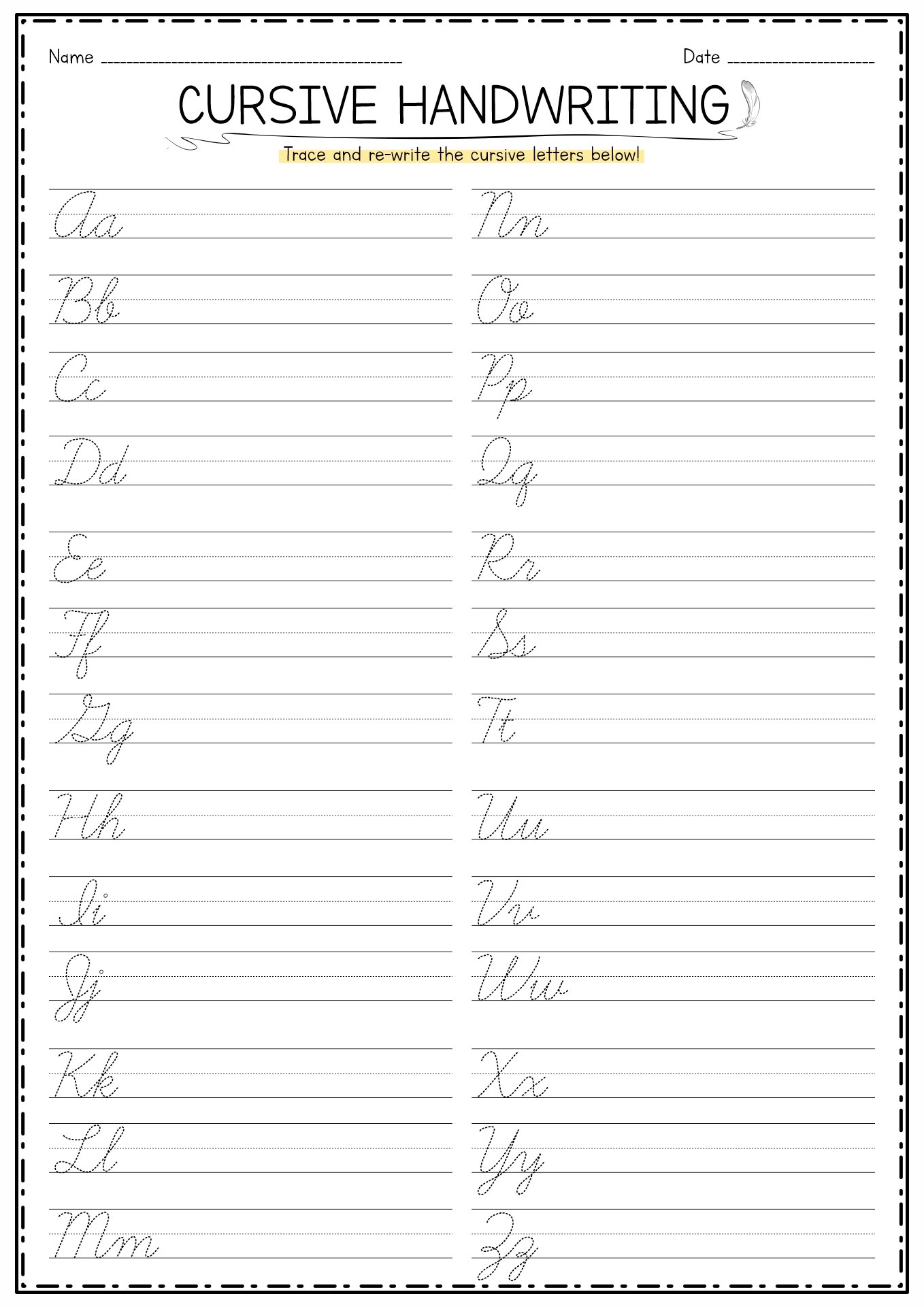
To maximize the effectiveness of Print And Cursive Alphabet Handwriting Worksheets, consider incorporating these additional strategies:
- Use a Variety of Resources: Supplement worksheets with other activities such as tracing letters in sand, forming letters with play dough, or using digital handwriting apps. This multi-sensory approach can reinforce learning.
- Incorporate Fun: Turn handwriting practice into a game. For instance, have students race against a timer to see how many letters they can write correctly in a minute.
- Provide Positive Feedback: Celebrate students’ achievements, no matter how small. Positive reinforcement can encourage them to keep practicing and improving.
Handwriting is a foundational skill that will serve students throughout their educational journey. By utilizing Print And Cursive Alphabet Handwriting Worksheets effectively, you can provide the guidance and support they need to become confident writers.
Remember, the most significant detail in teaching handwriting is patience. Each child develops at their own pace, and consistent practice will lead to improvement over time.