
Teaching young children the alphabet can be a challenge, especially when you’re looking for effective resources to make the learning process enjoyable. Preschool Alphabet Tracing Worksheets Childcareland provides an engaging way to help kids develop their letter recognition and writing skills. These worksheets not only reinforce letter shapes but also encourage fine motor skills as children practice tracing letters.
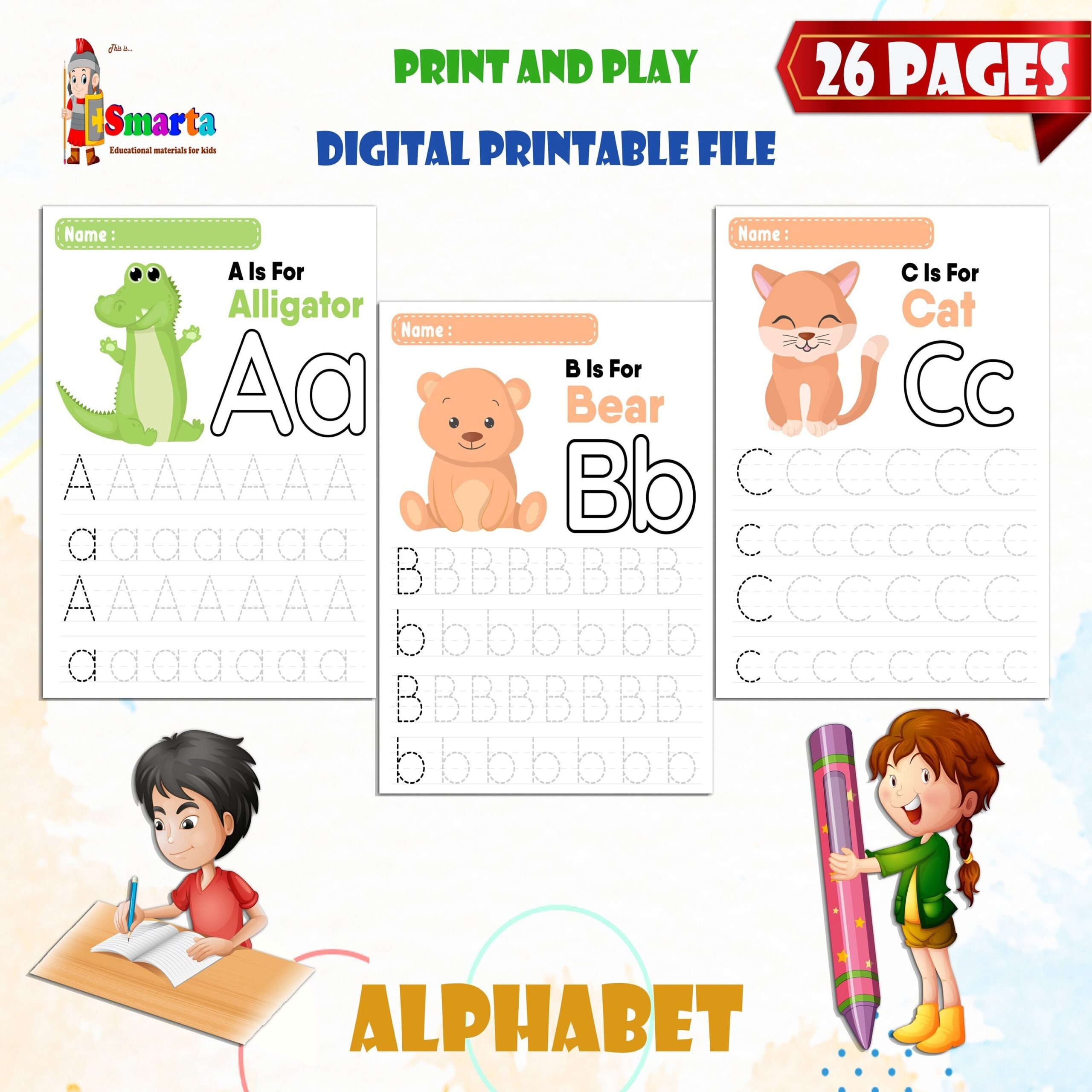
Understanding the Importance of Tracing Worksheets
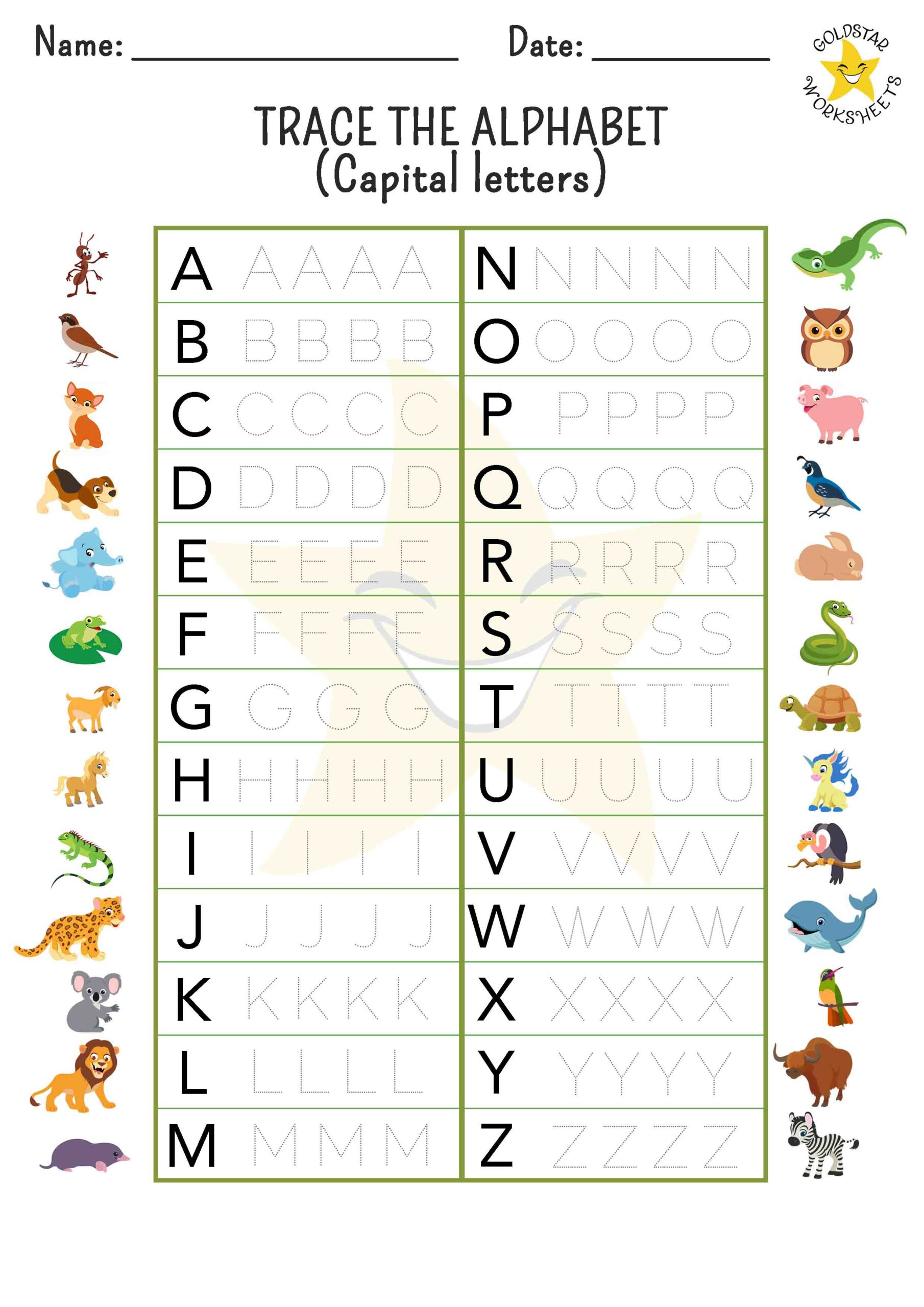
Tracing worksheets play a crucial role in early childhood education. They help children learn to recognize letters and understand the shapes they will need to form later on. This foundational skill is essential for writing, reading, and even spelling. By using the Preschool Alphabet Tracing Worksheets Childcareland, you can ensure that your child is practicing these vital skills in a structured and fun manner.
These worksheets are designed for preschoolers, typically aged 3 to 5 years. At this stage, children are developing their hand-eye coordination and fine motor skills. Providing them with tracing activities helps reinforce these skills, making it easier for them to control writing instruments in the future.
How to Use Preschool Alphabet Tracing Worksheets
Using the Preschool Alphabet Tracing Worksheets Childcareland is straightforward. Here’s a step-by-step guide to help you get started:
- Choose the Right Worksheets: Select the worksheets that match the letters your child is currently learning. You can find resources for both uppercase and lowercase letters. This helps in reinforcing their understanding of letter forms.
- Download and Print: Once you’ve chosen the appropriate worksheets, download the PDF files. Printing on standard letter-sized paper (8.5” x 11”) works best. If you have access to a color printer, this can make the worksheets more visually appealing for your child.
- Set Up a Comfortable Workspace: Create a calm and inviting space for your child to work. Ensure they have enough light and a suitable chair and table. A quiet environment can help them focus better on the task.
- Introduce the Worksheets: Before your child starts tracing, take a moment to explain what they will be doing. Show them the letters they’ll be tracing and discuss the sounds each letter makes. This helps connect the visual aspect of writing with phonics.
- Practice Together: Sit with your child as they begin tracing. Encourage them to say the letter names out loud as they trace. This reinforces both their writing and verbal skills.
- Use Reusable Options: If you want to make the worksheets last longer, consider laminating them. This allows your child to use dry-erase markers, enabling them to practice multiple times without wasting paper.
Tips for Enhancing the Tracing Experience
To make the tracing activity more engaging, here are some practical tips:
- Add Creative Elements: After tracing, encourage your child to color in pictures that start with the letter they just traced. For example, if they’re tracing the letter “A,” they could color an apple.
- Incorporate Games: Turn tracing into a game. For example, you could set a timer and see how many letters they can trace in a minute. This adds a fun competitive element to the learning process.
- Provide Positive Reinforcement: Celebrate small achievements. If your child successfully traces a letter, offer praise or a small sticker. This builds their confidence and encourages them to keep practicing.
- Integrate with Daily Life: Encourage your child to find letters in their environment. You could go on a letter hunt around the house or outside, pointing out letters on signs or in books.
Where to Find More Resources
In addition to the Preschool Alphabet Tracing Worksheets Childcareland, numerous other printable resources can complement your child’s learning. Look for:
- Coloring Pages: These can be themed around letters or words starting with specific letters, reinforcing their knowledge through art.
- Flashcards: Useful for letter recognition, flashcards can be a fun way to quiz your child on their letter knowledge.
- Worksheets for Numbers: As your child progresses, consider adding number tracing worksheets to build their math skills alongside literacy.
- Printable Games: Look for games that incorporate letters, such as bingo or matching games. These can make learning more dynamic and enjoyable.
Making Tracing a Daily Routine
Incorporating tracing into your daily routine can significantly enhance your child’s learning. Set aside a specific time each day for tracing activities. This could be part of your morning routine or a wind-down activity before bedtime. Consistency is key to helping children retain what they learn.
Make sure to keep the sessions short and fun. Young children have limited attention spans, so aim for 15-20 minutes of focused tracing time. If your child becomes frustrated, take a break and return to it later.
Finally, remember to mix it up. Introduce new letters gradually and revisit previously learned letters to reinforce their memory. The goal is to create a positive learning experience that fosters a love for learning.
By following these guidelines and utilizing the Preschool Alphabet Tracing Worksheets Childcareland, you can create a supportive learning environment that encourages your child to thrive in their early education journey. Start today by downloading and printing your first set of worksheets, and watch your child’s skills blossom!