
For young learners, mastering the alphabet is a crucial step in their educational journey. Pre-K Worksheets Alphabet Tracing Melody is designed to make this process engaging and effective. These worksheets provide an excellent way for children to practice their letter formation while also reinforcing their phonetic skills. In this guide, we’ll explore how to utilize these worksheets effectively in both classroom and home settings.
Understanding the Importance of Alphabet Tracing
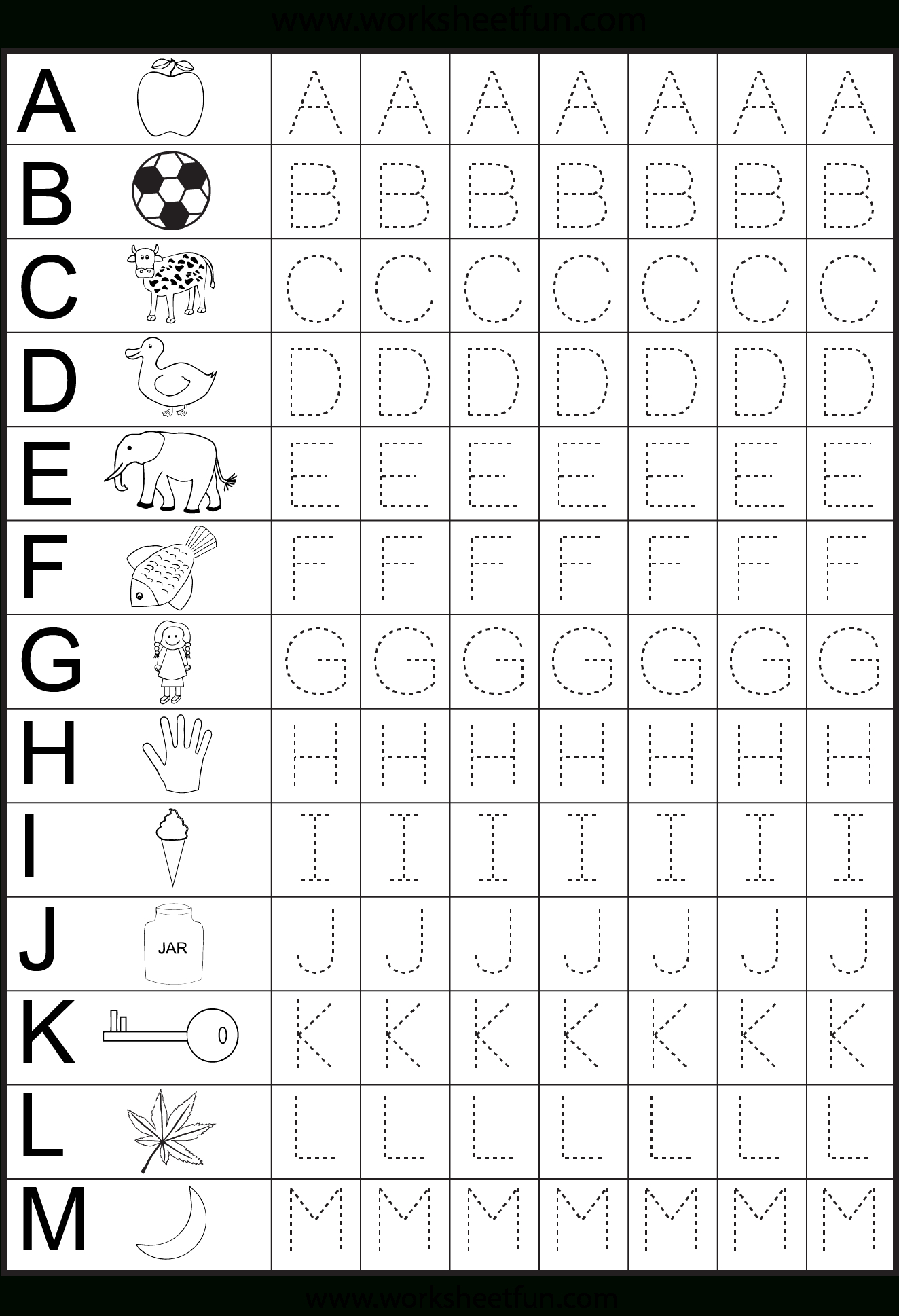
Alphabet tracing worksheets serve a dual purpose: they help children learn letter shapes and enhance their fine motor skills. When children trace letters, they develop the muscle memory needed for writing. This foundational skill is essential for their later academic success. In Pre-K, students typically range from ages 4 to 5, making this an ideal time to introduce tracing activities.
Using these worksheets, children can practice uppercase and lowercase letters at their own pace. The repetitive nature of tracing helps reinforce recognition and recall of letter shapes, which is vital for early literacy development. Additionally, incorporating melody into the tracing activity can enhance engagement; using a simple song or rhythm while tracing can make learning fun and memorable.
How to Use Pre-K Worksheets Alphabet Tracing Melody
Step 1: Prepare Your Materials
Before starting the tracing activity, ensure you have the right materials ready. Here’s what you’ll need:
- Printouts of the worksheets: Use quality paper for durability. Cardstock is a great option if you plan to reuse them.
- Writing tools: Crayons, markers, or pencils can all work well. For younger children, thick crayons or markers are easier to hold.
- A clean workspace: Ensure that the area is clutter-free to keep distractions at bay.
Step 2: Introduce the Activity
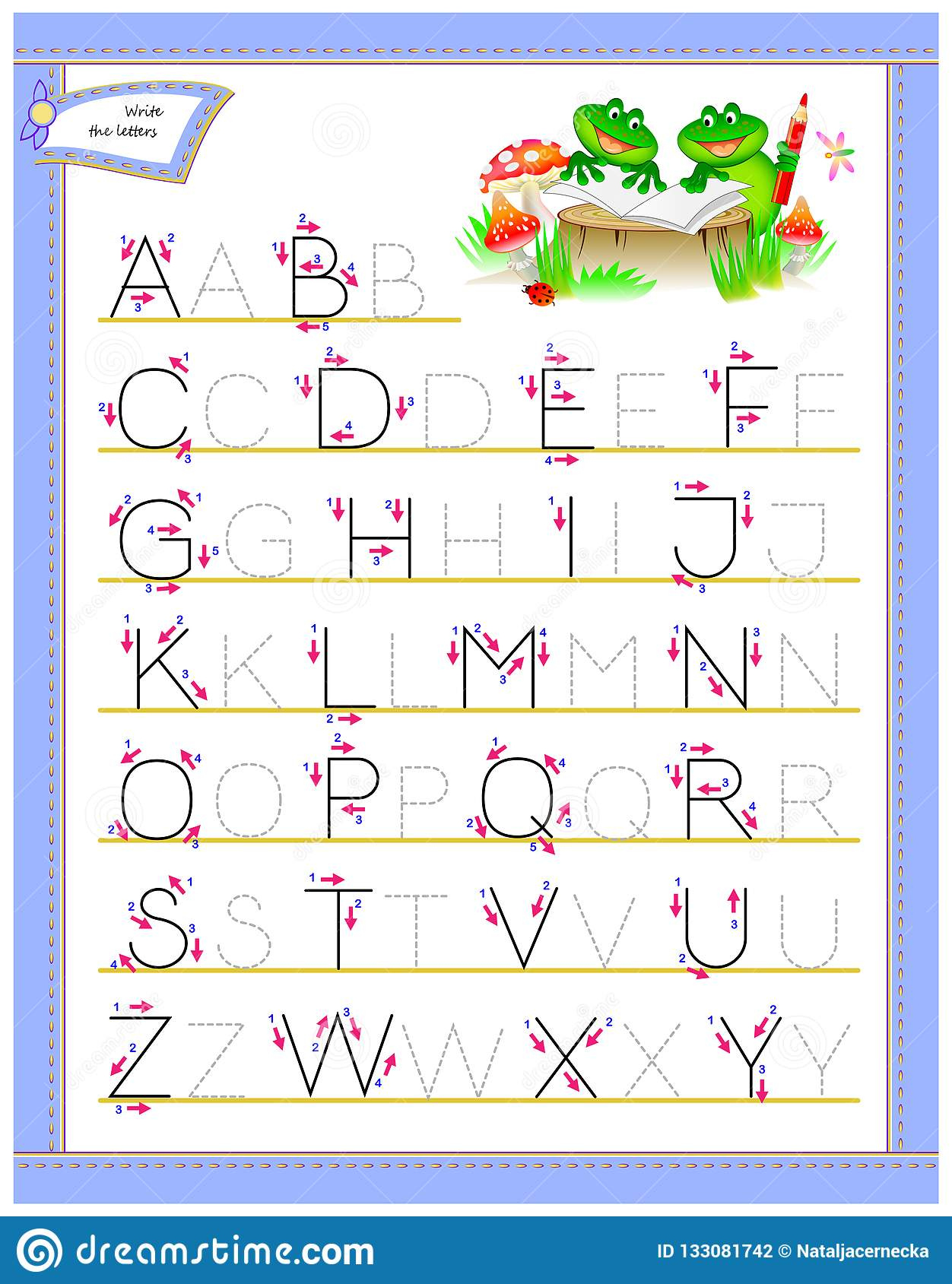
Begin by explaining the purpose of the tracing worksheets. Show the children how to trace the letters, emphasizing the correct starting points and movements. You might say, “We will trace the letter ‘A’ starting from the top, down to the bottom, and across.” Modeling the activity helps them understand what is expected.
Step 3: Incorporate Melody and Movement
To keep the children engaged, introduce a melody or song related to the letters. For example, you could sing the alphabet song while they trace, or create a simple rhyme that includes the letter they are working on. This strategy not only makes the activity enjoyable but also reinforces phonetic sounds associated with each letter.
Step 4: Monitor and Assist
As the children begin tracing, walk around to offer guidance and support. Encourage them to say the letter out loud as they trace it. This reinforces auditory learning alongside the visual and kinesthetic aspects of the activity. If a child struggles, gently correct their hand positioning or demonstrate again.
Step 5: Review and Reinforce
After the tracing activity, take a few moments to review what they have learned. Ask questions like, “What letter did we trace today?” or “Can anyone tell me a word that starts with that letter?” This reinforces their learning and encourages them to think critically about what they’ve practiced.
Adapting the Worksheets for Different Skill Levels
While Pre-K Worksheets Alphabet Tracing Melody are designed for early learners, you can easily adapt them based on individual student needs. Here are a few strategies:
- For beginners: Use worksheets with dotted lines for tracing. This provides a clear guide for their hands.
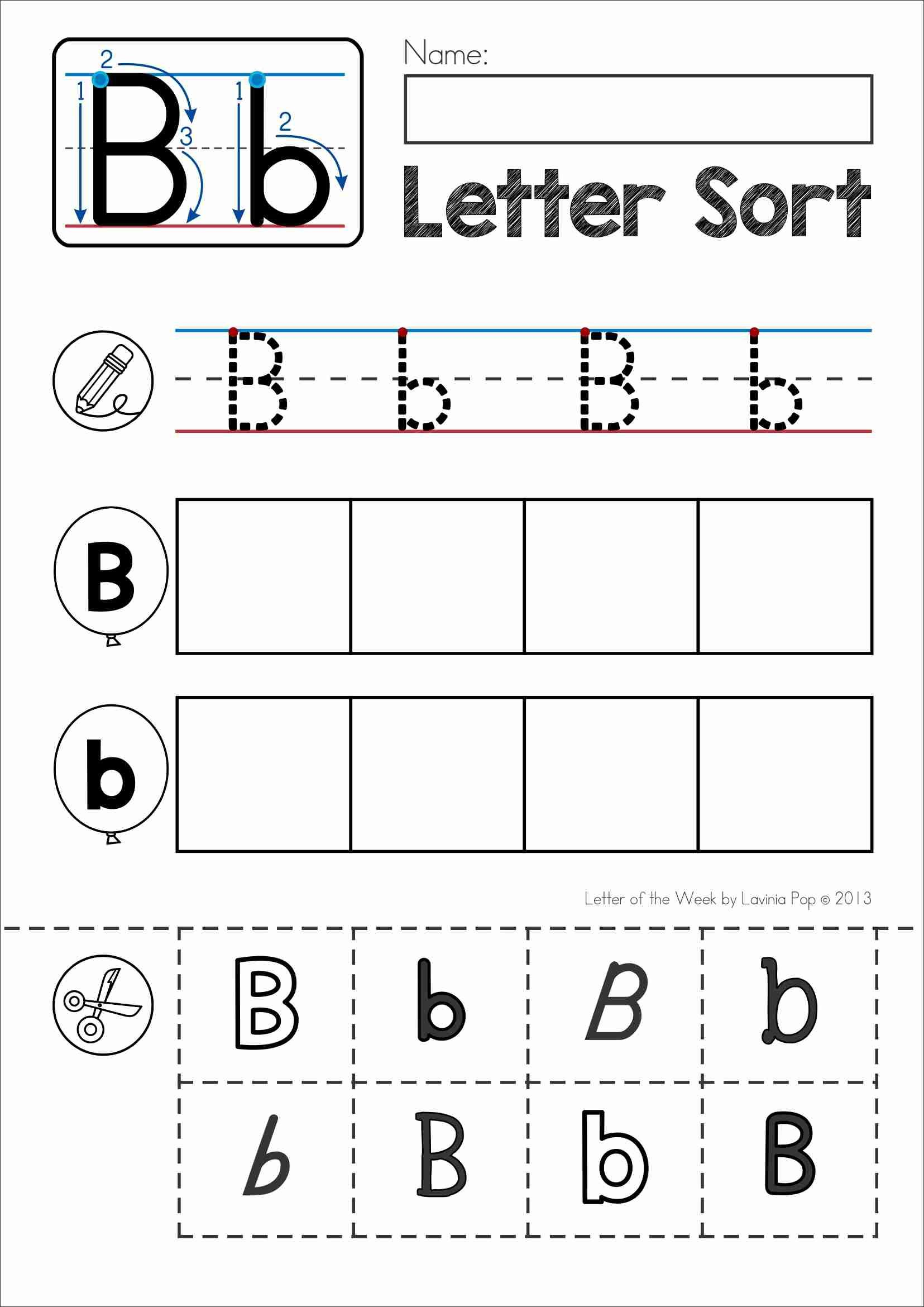
- For advanced learners: Provide worksheets that include additional activities, such as pictures that start with the letter or space for them to write the letter independently after tracing.
- Incorporate art: Allow children to color pictures associated with the letters after they finish tracing. This activity can further solidify their understanding of the letter’s sound and shape.
Where to Find Pre-K Worksheets Alphabet Tracing Melody
These worksheets can be found on various educational websites that specialize in printable resources. Look for options that offer high-quality PDFs to ensure good print quality. Many sites also allow you to download the worksheets for free, making them an accessible resource for teachers and parents alike.
When searching online, use keywords like “free Pre-K alphabet tracing worksheets” or “printable alphabet tracing worksheets for preschool.” This will help you find a variety of resources that can supplement your teaching materials.
Tips for Successful Implementation
Implementing alphabet tracing worksheets can be a rewarding experience. Here are some tips to ensure success:
- Create a routine: Incorporate tracing activities into your daily schedule. Consistency helps reinforce learning.
- Make it interactive: Use tracing apps or interactive whiteboards if available. Technology can enhance engagement for some learners.
- Celebrate progress: Acknowledge children’s progress, no matter how small. Use stickers or verbal praise to motivate them.
By following these guidelines, you can effectively utilize Pre-K Worksheets Alphabet Tracing Melody in your classroom or home. This approach not only promotes letter recognition and writing skills but also fosters a love for learning during these formative years.
Looking for more ways to enhance your teaching? Consider integrating more multi-sensory activities that combine movement, sound, and writing to keep your learners engaged and excited about letters and words.