
Pre-K Alphabet Handwriting Worksheets are essential tools for early childhood educators and parents looking to enhance young children’s writing skills. These worksheets provide a structured way for kids to practice letter formation, improve their fine motor skills, and boost their confidence in writing. In this article, we’ll explore how to effectively use these worksheets throughout the week, ensuring that children not only learn but also retain their skills.
Understanding the Importance of Handwriting in Pre-K
Handwriting is a foundational skill that goes beyond just writing letters. It helps develop fine motor skills, hand-eye coordination, and cognitive abilities. For Pre-K students, the focus is on learning the alphabet and starting to form letters correctly. Using Pre-K Alphabet Handwriting Worksheets, children can practice repeatedly, which reinforces their learning. Repetition is crucial at this stage; it helps solidify the shapes of letters in their minds, making it easier for them to recall and use them in other contexts.
How to Use Pre-K Alphabet Handwriting Worksheets Effectively
When using Pre-K Alphabet Handwriting Worksheets, it’s beneficial to spread out practice sessions over several days rather than cramming them into one sitting. Here’s how to structure a week of handwriting practice:
- Daily Focus: Each day, focus on a specific letter or a couple of letters. This allows children to concentrate on mastering the shape and sound of each letter without feeling overwhelmed.
- Repetition: Encourage children to write each letter multiple times. This not only improves their handwriting but also helps them memorize the letters.
- Incorporate Fun Activities: Integrate games or creative activities that relate to the letters being practiced. For example, if practicing the letter “A,” you could include activities like drawing apples or alligators.
- Assess Progress: At the end of the week, review the worksheets together. Discuss what they found easy or challenging. This reflection can help guide future practice sessions.
- Consistency: Aim for short, consistent practice sessions each day, ideally 10-15 minutes. This keeps children engaged without tiring them out.
Key Features of Pre-K Alphabet Handwriting Worksheets
When selecting Pre-K Alphabet Handwriting Worksheets, consider the following features to ensure they meet the educational needs of your students:
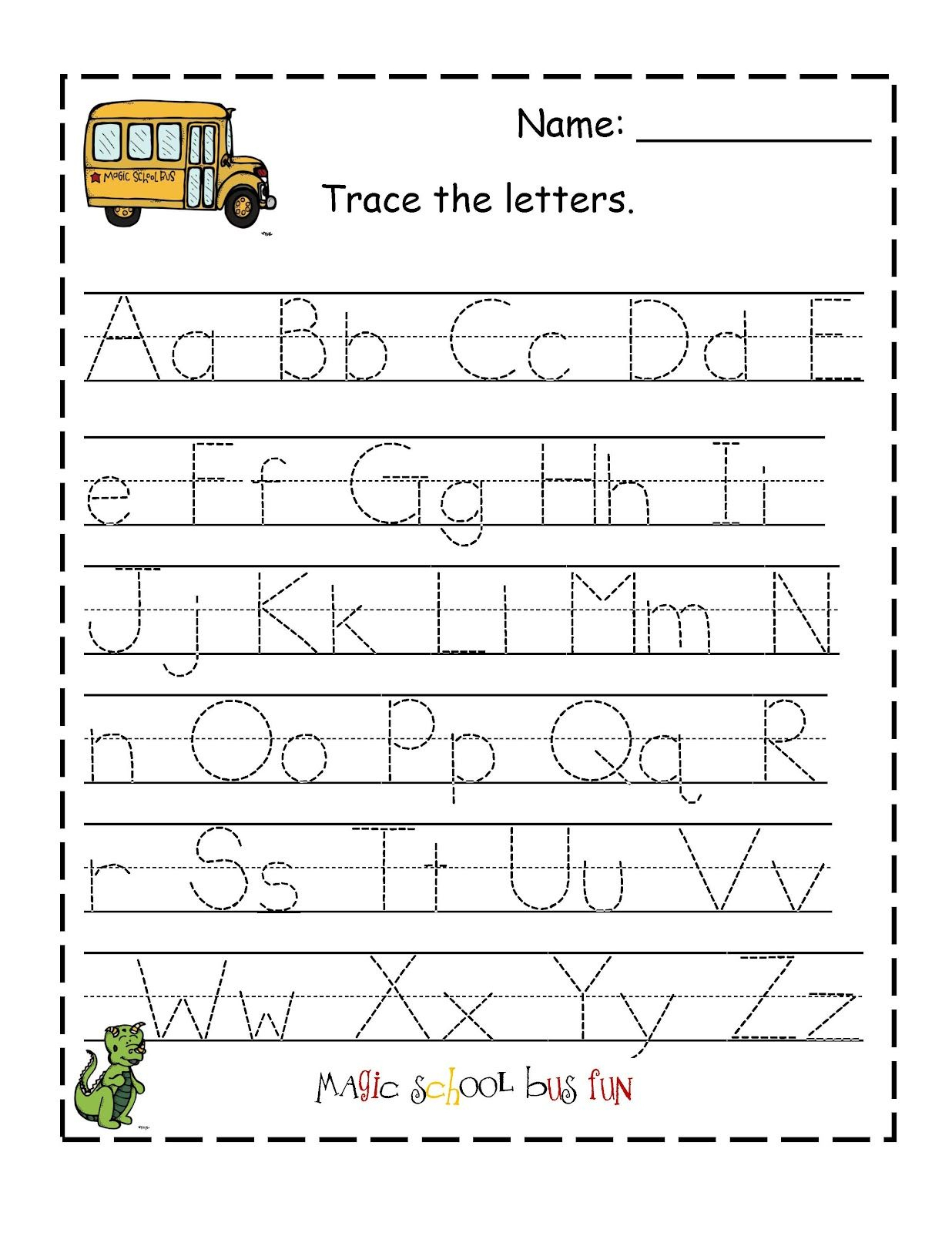
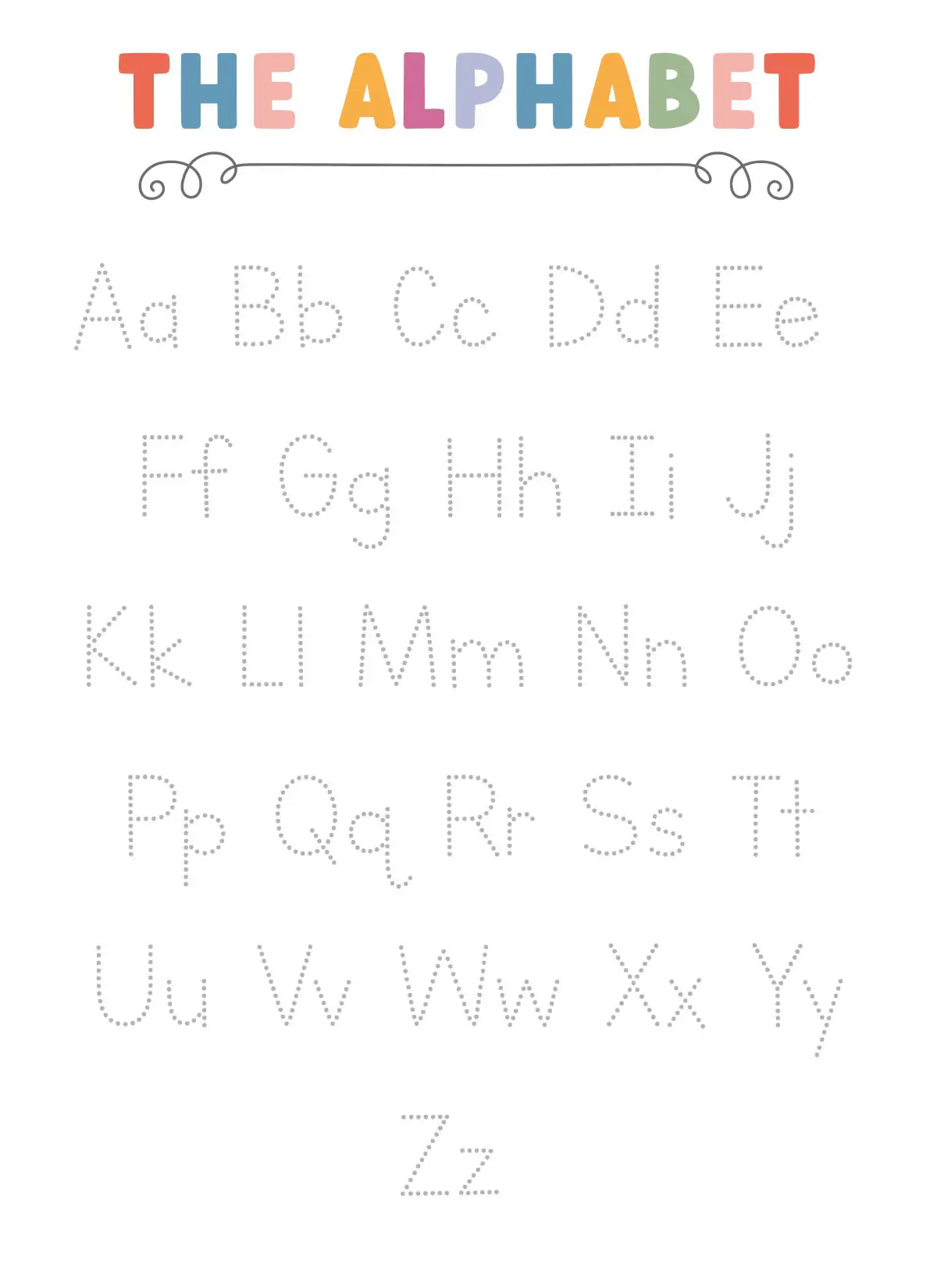
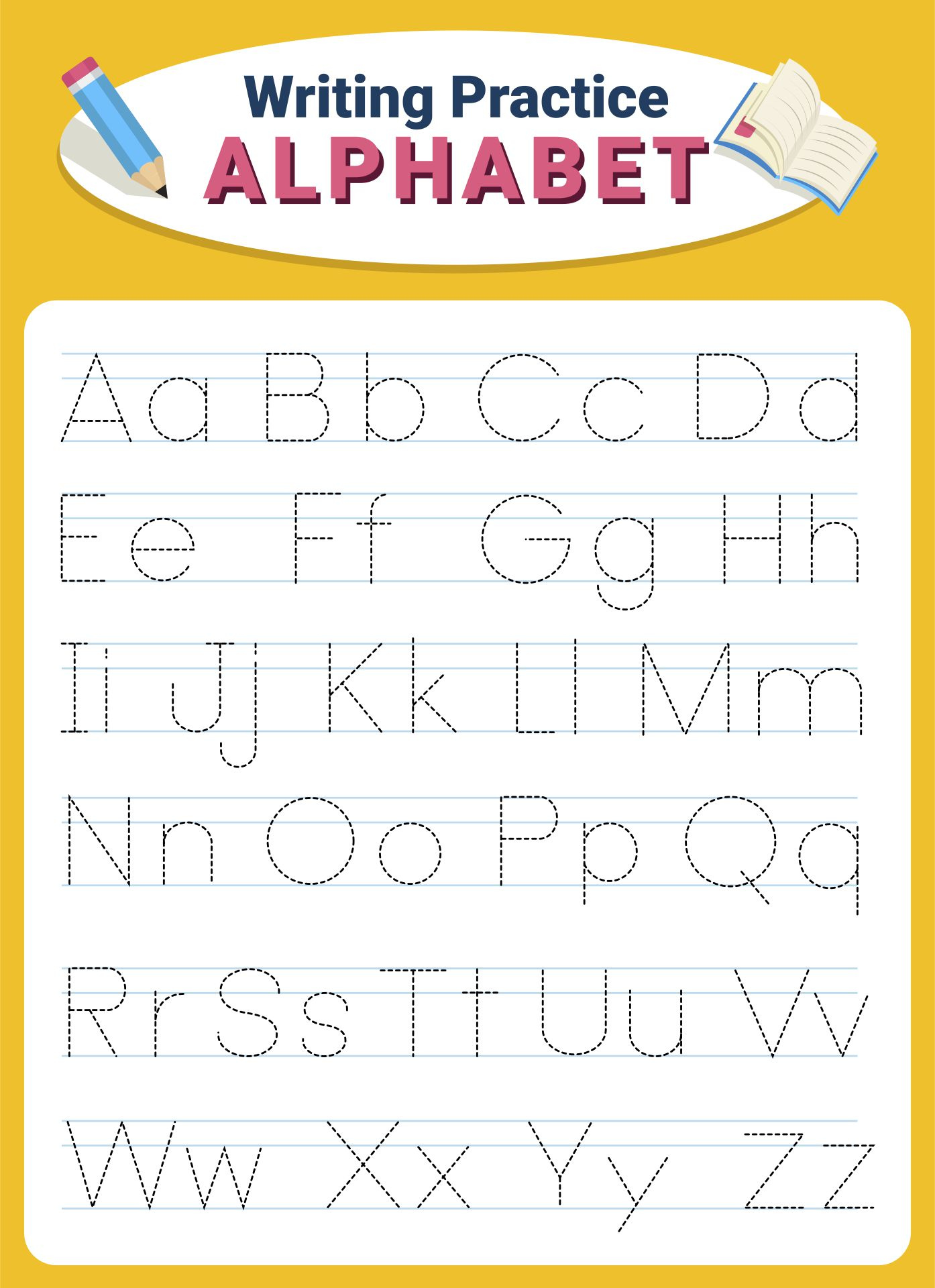
- Traceable Letters: Look for worksheets that provide letters in dotted format for tracing. This helps children learn the correct formation of letters.
- Variety of Activities: Worksheets that include different activities—like coloring, matching, or connecting dots—can keep children engaged. This variety caters to different learning styles.
- Visual Aids: Incorporating images related to the letters can make learning more relatable. For example, a picture of an apple alongside the letter “A” reinforces the letter’s sound and shape.
- Clear Instructions: Ensure that the worksheets come with clear instructions, making it easier for both teachers and parents to guide children through the activities.
Downloading and Printing Tips for Worksheets
Once you’ve selected the right Pre-K Alphabet Handwriting Worksheets, the next step is downloading and printing them. Here are some practical tips:
- File Format: PDF files are preferable as they maintain formatting across different devices and printers. This ensures the worksheets look exactly as intended when printed.
- Paper Selection: For best results, use standard A4 or letter-sized paper. If you plan to laminate the worksheets for repeated use, consider using cardstock for durability.
- Printer Settings: Adjust your printer settings to ensure that it matches the paper size. Most home printers handle portrait layout better for worksheets, which helps avoid cutting off any text or graphics.
- Test Print: Before printing a large batch, do a test print to check for clarity and alignment. This can save you time and resources in the long run.
Tracking Progress With Handwriting Worksheets
Tracking a child’s progress in handwriting is essential for understanding their development and addressing any challenges they may face. Here are some effective methods to monitor their improvement:
- Create a Portfolio: Keep a folder of completed worksheets. This allows you to see progress over time and provides a tangible record of their efforts.
- Weekly Reviews: Set aside time each week to review the worksheets with the child. Discuss their favorite letters, what they found difficult, and celebrate their achievements.
- Set Goals: Encourage children to set goals for their handwriting practice. For example, they might aim to improve the clarity of a specific letter by the end of the week.
- Involve Parents: If you’re teaching in a classroom, involve parents by sharing the worksheets. They can help reinforce learning at home, enhancing the child’s overall progress.
- Feedback and Encouragement: Provide constructive feedback on their work. Highlight what they did well and gently correct their mistakes, ensuring they feel encouraged to keep improving.
These practices not only help track progress but also make handwriting a more enjoyable and rewarding experience for children.
By incorporating Pre-K Alphabet Handwriting Worksheets into your teaching or homeschooling routine, you can provide children with the necessary tools to develop their writing skills effectively. Remember, the key is consistency and making the learning process engaging. Start implementing these worksheets today and help your students build a strong foundation in handwriting that will benefit them for years to come.