
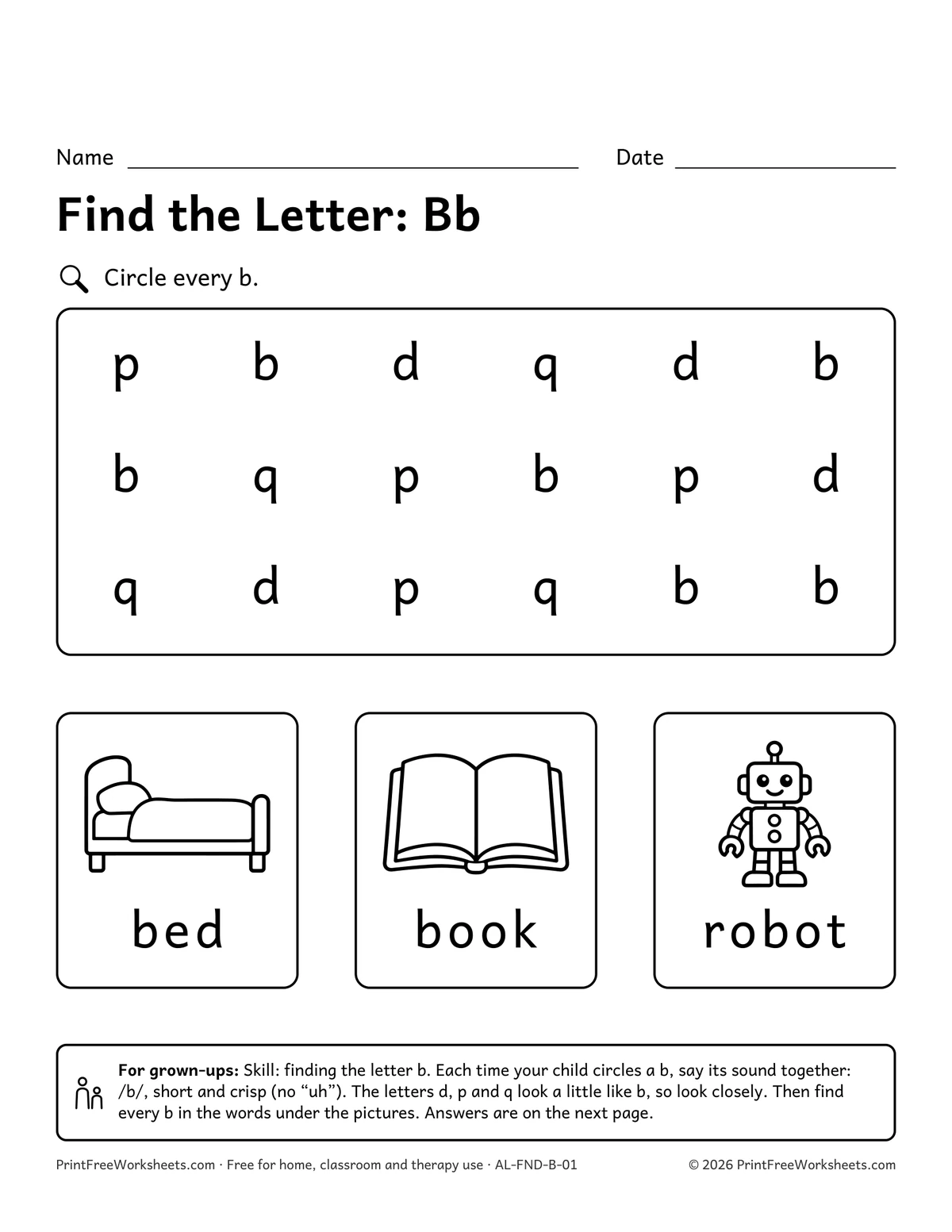
The Pre-K Alphabet B Worksheets are an excellent resource for teachers and parents aiming to help young children develop their literacy skills. These worksheets are tailored for preschoolers, featuring activities that focus specifically on the letter B. They usually come in PDF format, making them easy to download and print, and they are designed to fit standard paper sizes like 8.5 x 11 inches.
Understanding the Importance of Letter Recognition
Recognizing letters is a foundational skill for reading and writing. As children learn to identify letters, they also start to understand sounds and words. The Pre-K Alphabet B Worksheets focus on the letter B, which is often one of the first letters taught in early education. Engaging students with various activities helps reinforce their learning and encourages them to recognize the letter in different contexts.
Key Features of Pre-K Alphabet B Worksheets
These worksheets come with several features that enhance the learning experience:
- Varied Activities: The worksheets include a mix of tracing, coloring, and matching exercises. This variety keeps children engaged and caters to different learning styles.
- Visual Aids: Most worksheets feature images of objects that start with the letter B, such as “ball,” “bat,” and “butterfly.” This visual connection aids in memory retention and understanding.
- Easy to Use: Designed for both classroom and home settings, these worksheets can be printed and used immediately, allowing for flexibility in lesson planning.
Suggested Activities With Pre-K Alphabet B Worksheets
When using the Pre-K Alphabet B Worksheets, consider incorporating these activities to maximize learning:
Tracing and Writing Practice
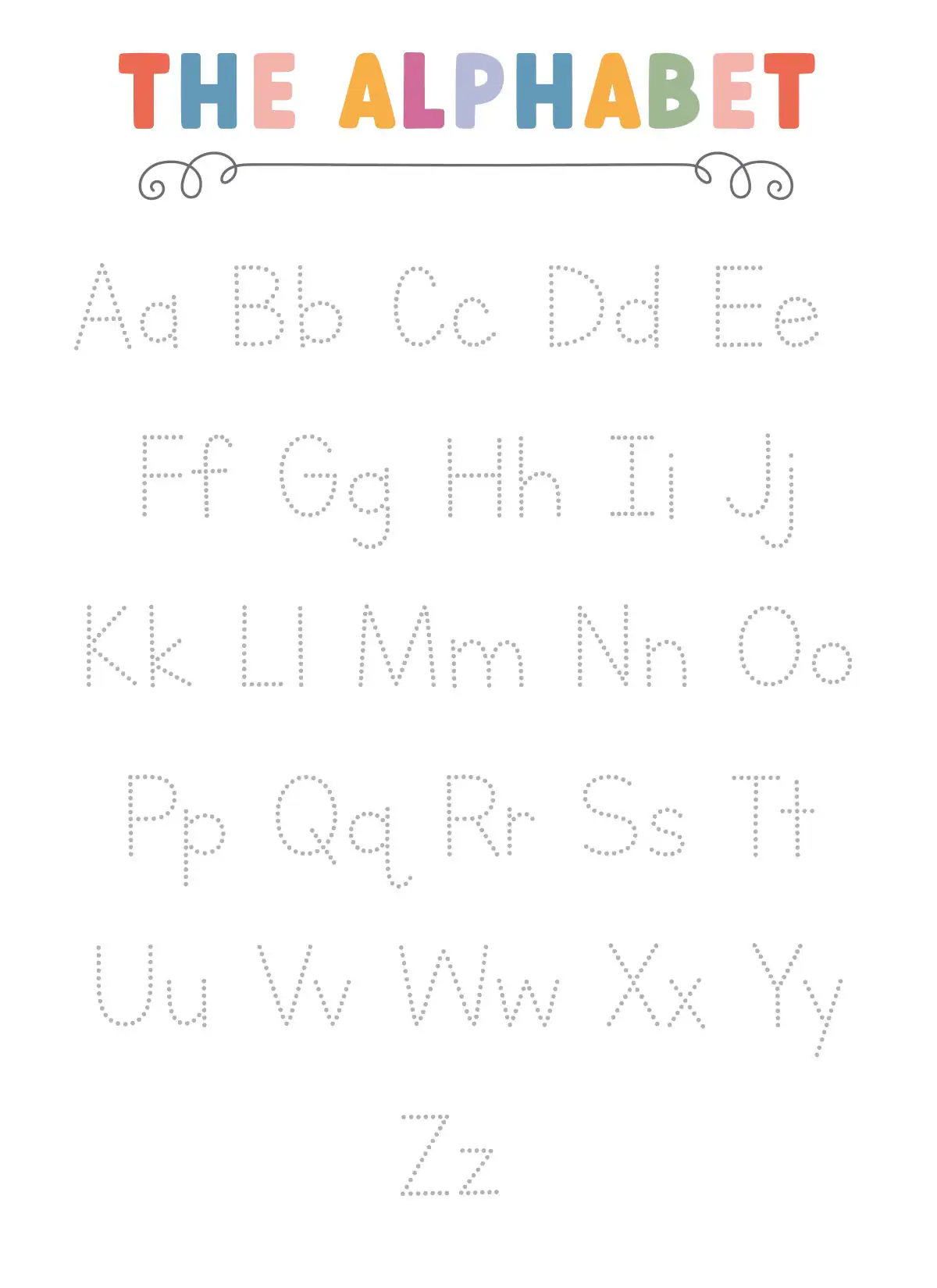
Many worksheets include sections where children can trace the letter B. This activity helps develop fine motor skills and reinforces the correct formation of the letter. After tracing, ask children to write the letter independently. You can extend this by having them write simple words that begin with B, such as “bat” or “box.”
Coloring Pages
Worksheets often feature coloring activities where children color pictures of items that start with B. This not only makes learning fun but also allows for discussions about the objects. For example, while coloring a “bee,” you can talk about the insect’s role in nature, enhancing vocabulary and knowledge at the same time.
Matching Activities
Some worksheets may have matching exercises where children connect letters to pictures. For instance, they might match the letter B to a picture of a “boat.” This reinforces letter recognition and helps solidify the connection between letters and their sounds.
Spacing Practice Throughout the Week
Repetition is key in early learning, and using the Pre-K Alphabet B Worksheets over several days can improve retention. Instead of completing all activities in one sitting, consider spreading them out across the week. For example:
- Day 1: Introduce the letter B with tracing activities.
- Day 2: Focus on coloring pages.
- Day 3: Work on matching exercises.
- Day 4: Combine writing practice with a review of previously learned activities.
- Day 5: Conduct a fun assessment or game that uses all skills learned during the week.
This approach not only aids in retention but also allows you to assess each child’s understanding before moving on to the next letter.
Tips for Effective Use of the Worksheets
Here are some practical tips to make the most of your Pre-K Alphabet B Worksheets:
- Use Cardstock: If you plan to laminate the worksheets for repeated use, print them on cardstock. This material holds up better and can withstand multiple uses.
- Incorporate Technology: If you have access to tablets or computers, consider using digital versions of these worksheets. Many platforms now provide interactive activities that can complement the printed worksheets.
- Create a Learning Center: Set up a designated area in your classroom or home where children can work on their worksheets independently or in small groups. This encourages self-directed learning and peer interaction.
- Engage with Parents: Share these worksheets with parents for home practice. They can reinforce what children are learning in class, creating a consistent learning environment.