
The Pre K Test Worksheet Alphabet Knowledge is a vital tool for helping young learners master their letters. This resource is designed to assess and reinforce alphabet recognition, a foundational skill for reading and writing. In this article, I’ll guide you through how to effectively use this worksheet in your classroom or homeschooling environment.
Understanding Alphabet Knowledge in Pre-K
Alphabet knowledge includes recognizing letter shapes, sounds, and names. By the time children reach pre-kindergarten, they should be able to identify both uppercase and lowercase letters. The Pre K Test Worksheet Alphabet Knowledge specifically targets these skills, making it a great resource for assessing where your students stand and what areas need more focus.
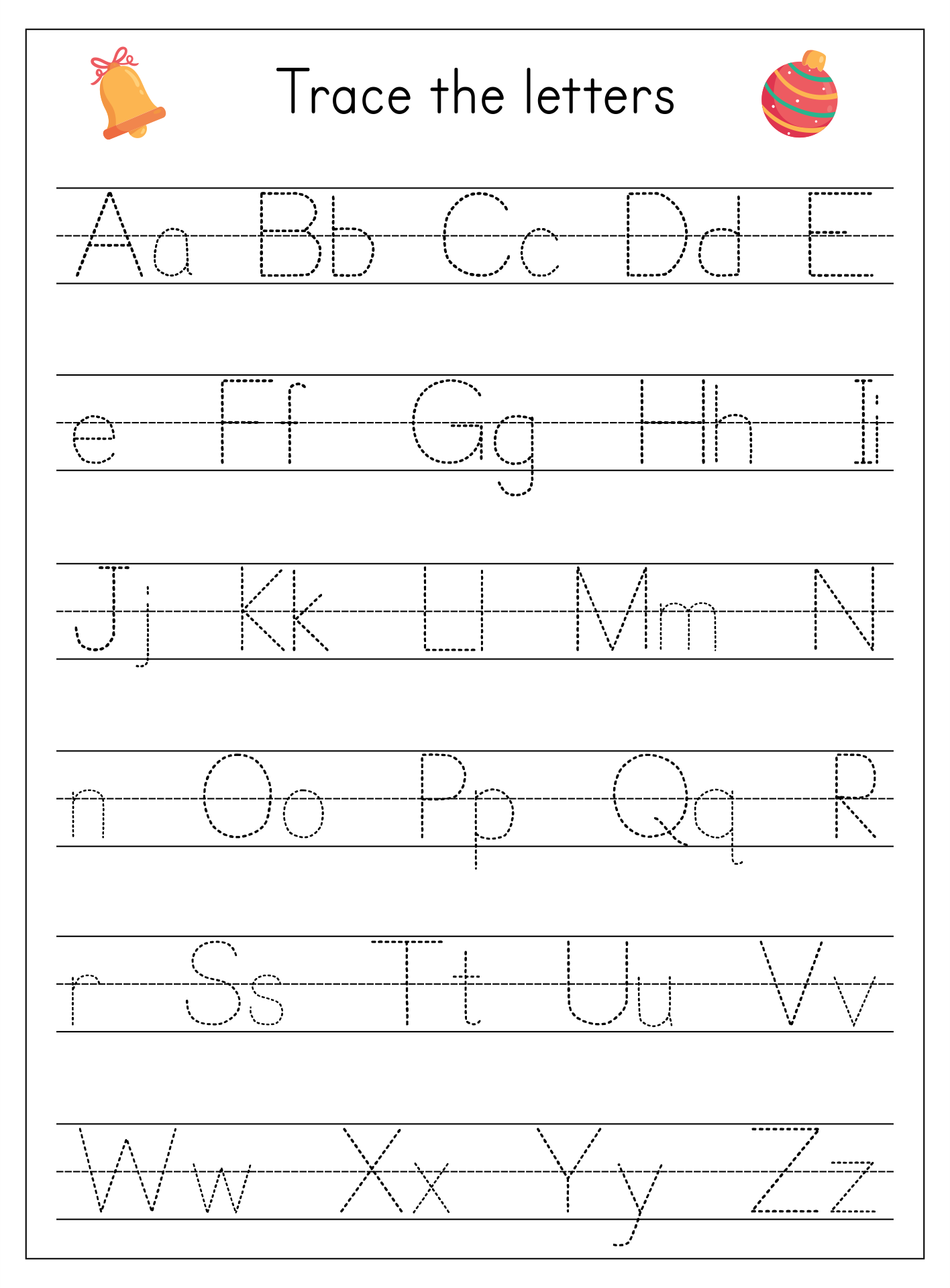
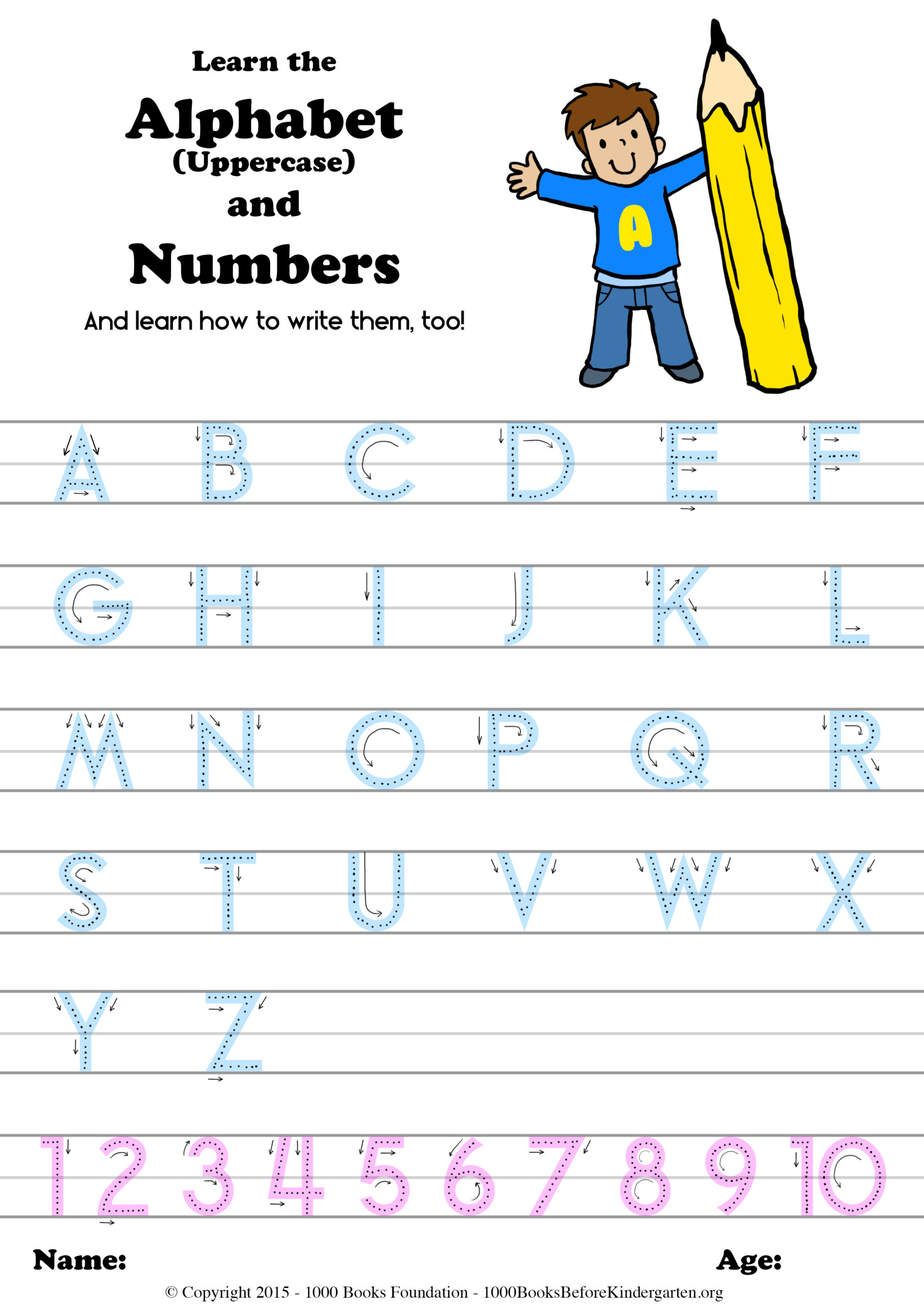
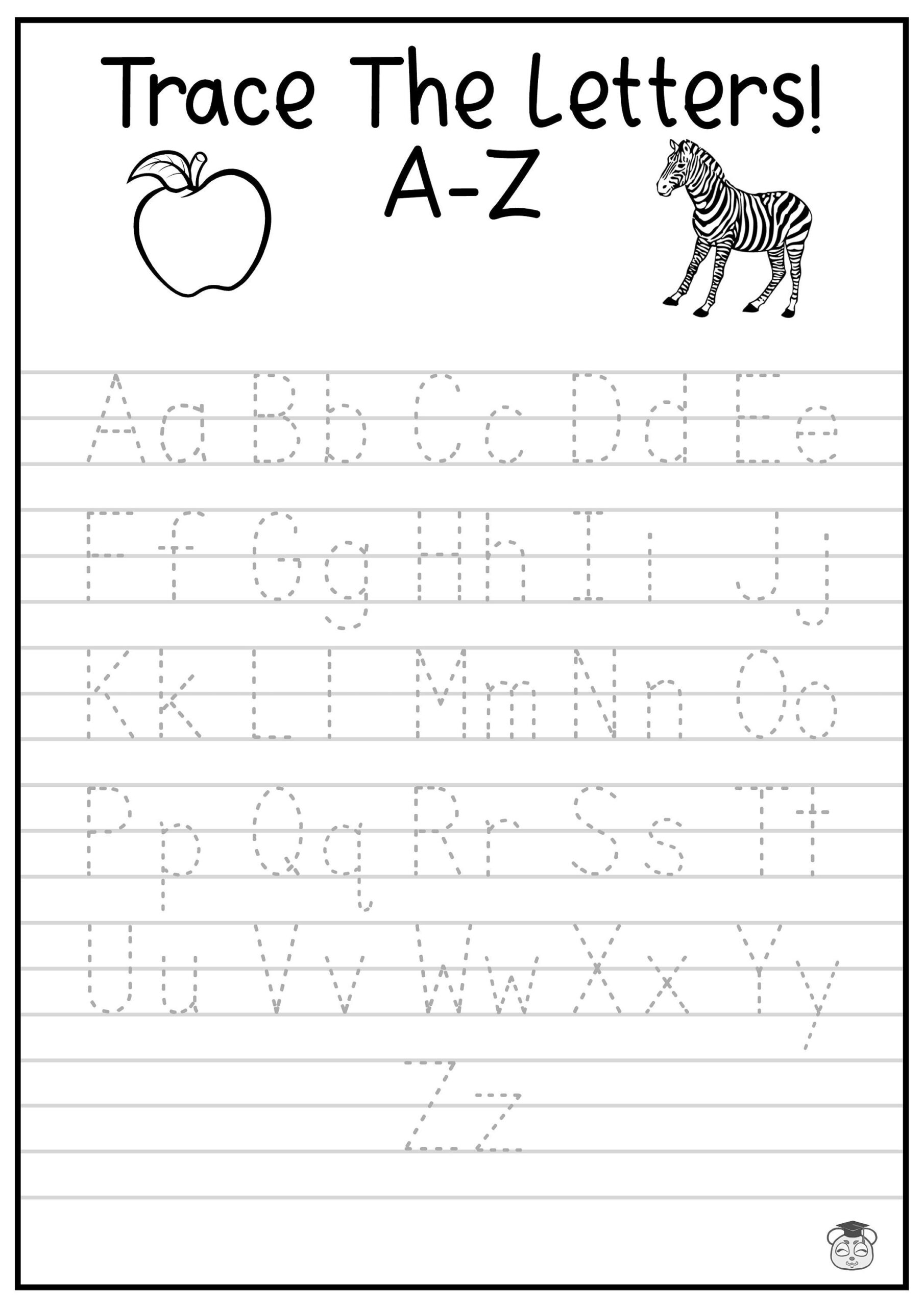
This worksheet typically includes various activities, such as matching letters to pictures, tracing letters, and identifying letters in different contexts. These exercises not only help children recognize letters but also understand their sounds, which is crucial for phonemic awareness.
How to Use the Pre K Test Worksheet Alphabet Knowledge
When using the Pre K Test Worksheet Alphabet Knowledge, consider the following practical steps to maximize its effectiveness:
- Preparation: Before introducing the worksheet, ensure you have the right materials. A good quality printer is essential, as this will affect the clarity of the worksheet. Use standard 8.5 x 11-inch paper, which is the most common size for worksheets. If you plan to laminate the sheets for repeated use, cardstock is a great option as it holds up well.
- Introduce the Concepts: Start by reviewing the alphabet with your students. Use visuals like an alphabet chart or flashcards to engage them. This can be a fun way to introduce the letters before diving into the worksheet.
- Guided Practice: Go through the worksheet together as a class or in small groups. Allow children to express what they see and guide them through the exercises. For example, when they encounter a letter, ask them to say its name and sound.
- Independent Work: After the guided practice, let students work on the worksheet independently. This encourages self-confidence and reinforces their learning. Be available to assist where needed, ensuring that each child is able to complete the tasks.
- Review and Assess: Once the worksheets are completed, review the answers together. This is an excellent opportunity for reinforcement. Discuss any mistakes in a supportive manner, helping students understand what they need to improve.
Activities to Supplement the Worksheet
To enhance the learning experience beyond the Pre K Test Worksheet Alphabet Knowledge, consider incorporating additional activities:
- Alphabet Games: Use games like “Alphabet Bingo” or “Letter Scavenger Hunt” to make learning interactive and fun. These activities encourage students to identify letters in various contexts.
- Storytime: Read books that emphasize letters and sounds. Discuss the letters as they appear in the text, reinforcing recognition in a real-world context.
- Craft Projects: Engage children in crafts where they can create letters out of materials like clay or foam. This tactile experience helps solidify their understanding of letter shapes.
Common Challenges and Solutions
While using the Pre K Test Worksheet Alphabet Knowledge, you may encounter some challenges. Here are a few common issues and practical solutions:
- Difficulty with Letter Recognition: Some children may struggle with letter identification. Use more visuals and hands-on activities to reinforce learning. Consider revisiting letter sounds and shapes regularly.
- Attention Span: Young children have varying attention spans. Break the worksheet into smaller sections and incorporate movement breaks to keep them engaged.
- Different Learning Styles: Not every child learns the same way. Be prepared to adapt the worksheet or supplement with other activities that cater to different learning preferences.
Tracking Progress
It’s essential to monitor each child’s progress as they complete the Pre K Test Worksheet Alphabet Knowledge. Keep a record of how they perform on different tasks, noting areas of strength and those needing improvement. This will help you tailor future lessons and interventions accordingly.
You might also consider using a simple checklist or a chart to track which letters each child recognizes and can produce. This can be a motivating factor for the students as they see their progress over time.
Using the Pre K Test Worksheet Alphabet Knowledge effectively not only helps children develop essential literacy skills but also builds their confidence as learners. By incorporating engaging activities, addressing challenges, and tracking progress, you provide a well-rounded educational experience that supports their growth in alphabet knowledge.