
In a cozy corner of a bright classroom, a little girl named Mia sits at her desk, her crayons scattered around her. Her teacher has just handed out colorful Pre K Sight Alphabet Worksheets, and Mia’s eyes light up with excitement. These worksheets are designed to help her recognize letters while having fun. guide you through how to effectively implement these worksheets in your home or homeschool setting, maximizing learning without overwhelming your schedule.
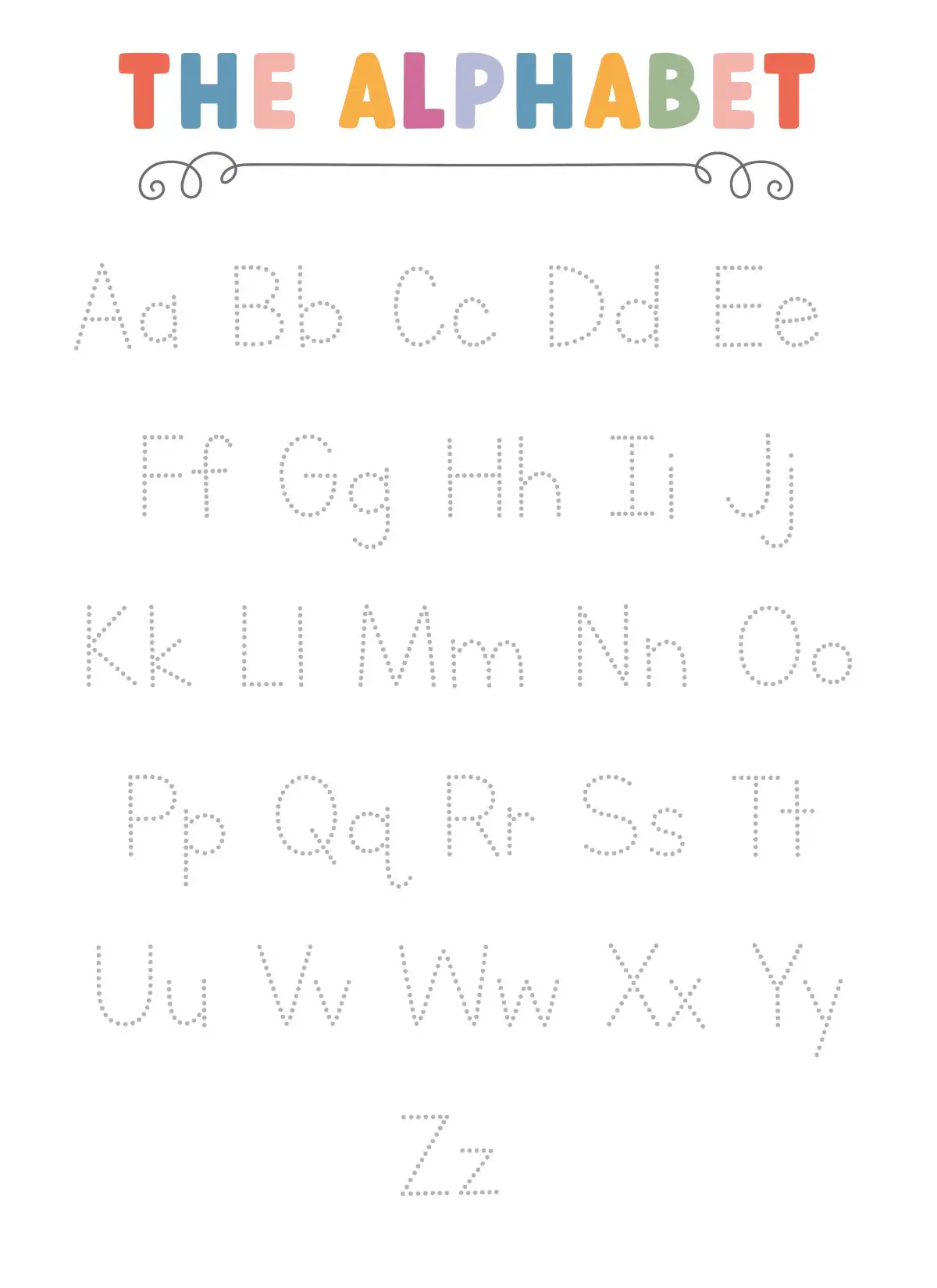
Understanding the Importance of Sight Alphabet Recognition
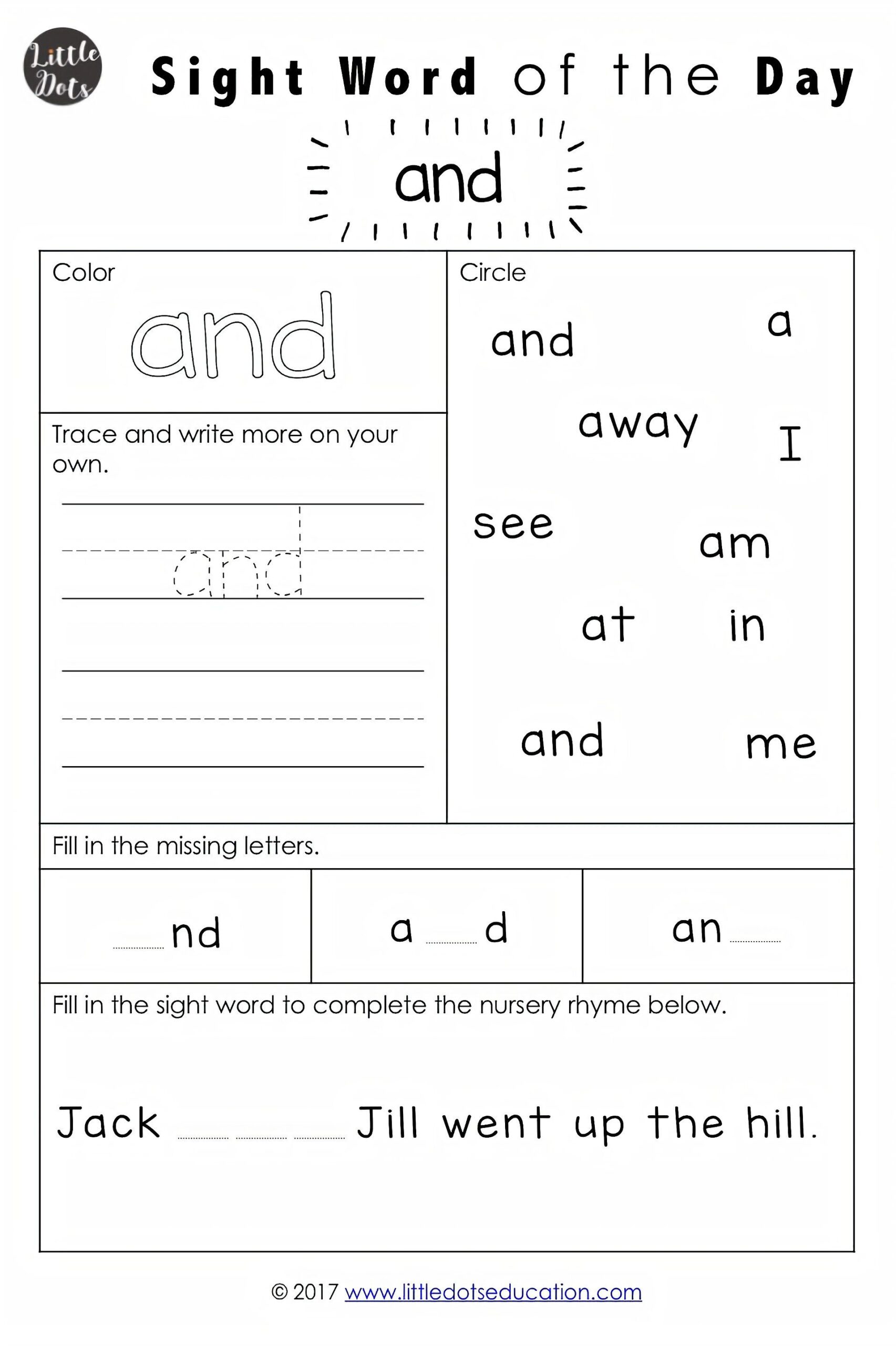
Sight alphabet recognition is a foundational skill for early readers. It goes beyond simply knowing the letters; it involves recognizing them instantly and understanding their sounds. By using Pre K Sight Alphabet Worksheets, you can help your child develop this critical skill in a way that feels engaging and playful.
Children in pre-kindergarten are typically around four to five years old, and they thrive in environments where learning is integrated with play. Sight recognition activities aid in reinforcing letter shapes and sounds, which can ultimately lead to improved reading fluency.
How to Use Pre K Sight Alphabet Worksheets at Home
Using Pre K Sight Alphabet Worksheets at home can fit seamlessly into your daily routine. Here’s how you can effectively introduce these worksheets into your child’s learning experience:
- Select the Right Time: Choose a time of day when your child is most alert and engaged. For some, this may be right after lunch, while others might prefer morning sessions.
- Create a Learning Space: Set up a designated area for learning. A small table with good lighting and minimal distractions can help your child focus better on their worksheets.
- Introduce the Worksheets: Explain to your child what they will be doing. You might say, “Today, we’re going to learn about the letters in a fun way!” This builds excitement and curiosity.
- Use a Variety of Activities: Most Pre K Sight Alphabet Worksheets come with various activities such as coloring, tracing, and matching. Mix these activities to maintain interest. For example, you can start with a coloring page, move to a tracing exercise, and finish with a matching game.
- Incorporate Movement: To keep things lively, consider incorporating physical movement. For instance, you could ask your child to hop to different letters placed around the room or use letter cards to create a scavenger hunt.
- Encourage Repetition: Revisit the worksheets regularly. Repetition helps reinforce learning. You can do this by reviewing previously completed worksheets or introducing new ones that build on earlier skills.
- Provide Positive Feedback: Celebrate your child’s efforts. A simple “Great job on coloring the letter B!” can boost their confidence and encourage further engagement.
Choosing the Right Materials
When selecting Pre K Sight Alphabet Worksheets, consider the following:
- Age Appropriateness: Ensure the worksheets are suitable for pre-kindergarten learners. They should be visually appealing, with engaging illustrations that capture a child’s attention.
- Variety of Activities: Look for worksheets that include a mix of tracing, coloring, and letter recognition games. This variety keeps the learning experience fresh.
- Printable Format: Choose worksheets that are easy to download and print. PDF formats are often the best choice, as they maintain their layout and design across different devices.
- Paper Quality: For worksheets that involve coloring, using cardstock or heavier paper can prevent tearing and smudging, especially if your child uses markers.
Integrating Worksheets Into Daily Learning
Incorporating Pre K Sight Alphabet Worksheets into your daily routine can enhance your child’s learning experience significantly. Here are a few practical tips:
- Storytime Connection: After completing a worksheet, read a story that features the letters or words covered in that session. This helps connect the dots between the worksheets and real reading.
- Craft Activities: Engage in crafts that relate to the letters learned. For example, if the focus is on the letter “A,” consider making an apple craft. This reinforces the letter in a hands-on way.
- Use Technology: If your child enjoys screens, consider supplementing the worksheets with educational apps or videos that reinforce letter recognition and phonics.
- Family Involvement: Encourage family members to join in on the learning. Siblings can help younger ones practice their letters, creating a supportive learning environment.
Assessing Progress and Making Adjustments
Regularly assessing your child’s progress is vital to ensure they are absorbing the material. Here are some strategies to evaluate learning effectively:
- Observation: Pay attention to how your child interacts with the worksheets. Are they recognizing letters quickly? Are they enjoying the activities? Observational notes can guide your next steps.
- Review Completed Worksheets: Look through their completed worksheets together. Discuss what they liked or found challenging. This conversation can provide insights into which areas need more focus.
- Adjust the Difficulty: If your child is mastering the worksheets quickly, consider introducing more challenging activities, such as simple phonics exercises or blending sounds. Conversely, if they struggle, revisit prior worksheets for reinforcement.
- Create a Progress Chart: A visual chart tracking your child’s progress can motivate them. You might use stickers for completed worksheets or highlight letters as they master them.
By thoughtfully integrating Pre K Sight Alphabet Worksheets into your child’s learning routine, you can foster a love for letters and reading that sets the foundation for their educational journey. Whether you opt for fun coloring activities or engaging letter games, making learning enjoyable is key. As you navigate this process, remember to keep it light, fun, and flexible to fit your family’s unique rhythm.