
Practice Sheet Alphabet Preschool Worksheets are an essential tool for early childhood educators and parents looking to support literacy development in preschool-aged children. These worksheets provide structured activities that help young learners recognize letters, develop fine motor skills, and build a foundation for reading and writing. With engaging designs and varied activities, these resources can easily fit into any classroom or home learning environment.
Understanding the Importance of Alphabet Practice
Teaching the alphabet is a fundamental step in early education. Children learn to identify letters, understand their sounds, and begin to connect letters with words. This skill is critical as it lays the groundwork for reading and writing. Practice Sheet Alphabet Preschool Worksheets offer a hands-on approach to learning the alphabet, making the process enjoyable and effective.
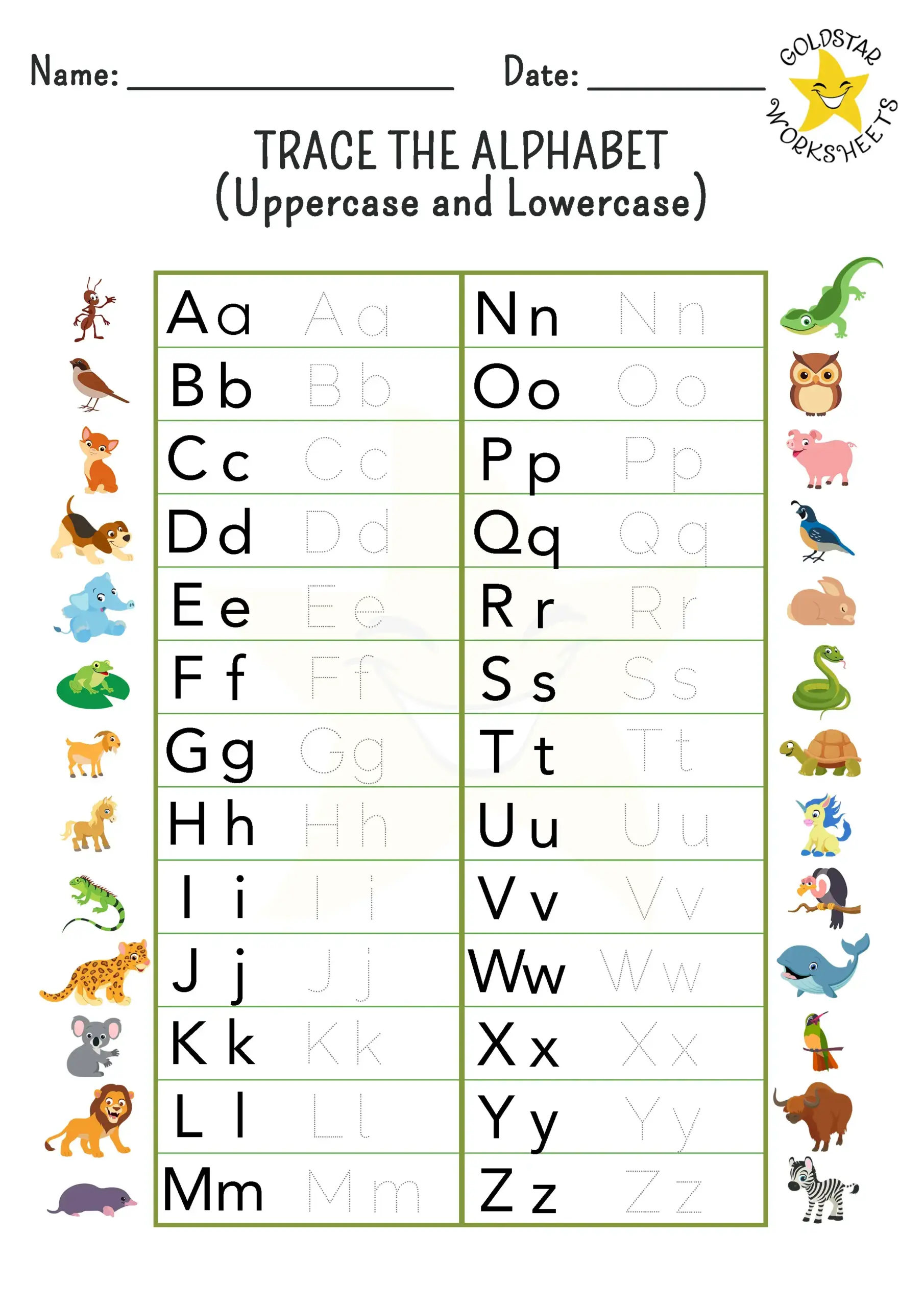
When using these worksheets, children can engage in activities such as tracing letters, coloring images associated with specific letters, and matching uppercase and lowercase letters. These activities promote not only letter recognition but also cognitive skills such as memory and categorization.
Choosing the Right Worksheets
Not all Practice Sheet Alphabet Preschool Worksheets are created equal. When selecting worksheets, consider the following aspects to ensure they meet the needs of your learners:
- Age Appropriateness: Worksheets should be designed for preschoolers, typically ages 3-5. Look for resources that are visually appealing and simple enough to engage young learners without overwhelming them.
- Variety of Activities: Choose worksheets that offer a mix of tracing, coloring, and matching exercises. This variety keeps children interested and caters to different learning styles.
- Clear Instructions: Ensure that the worksheets provide clear directions that are easy for both children and caregivers to understand. This clarity helps maintain engagement and reduces frustration.
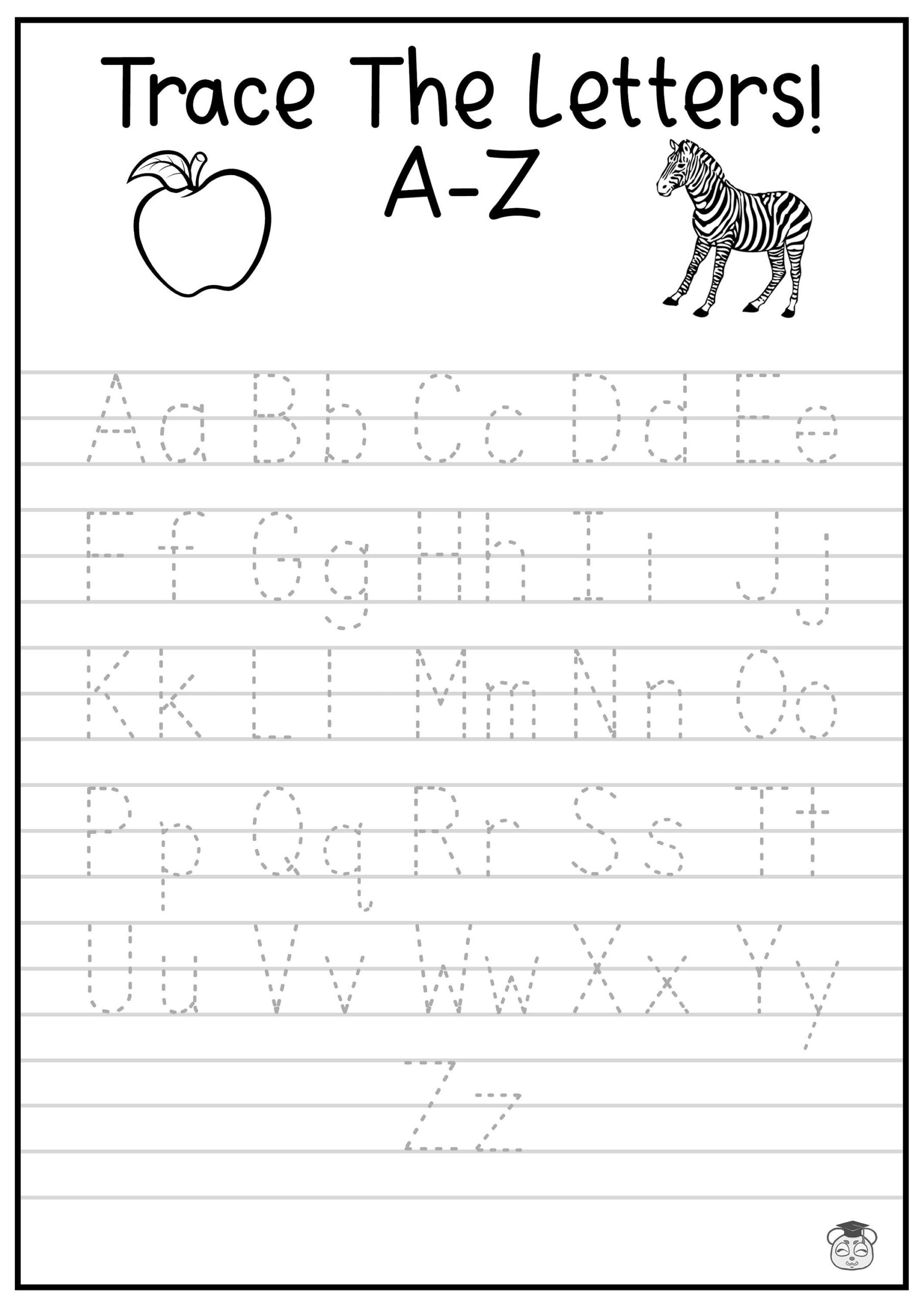
For instance, a worksheet that asks children to trace the letter “A” and then color in an apple reinforces both the letter and its associated sound, making learning more impactful.
Practical Uses in the Classroom and Home
Incorporating Practice Sheet Alphabet Preschool Worksheets into daily routines can enhance learning outcomes. Here are practical ways to use these resources effectively:
Classroom Activities
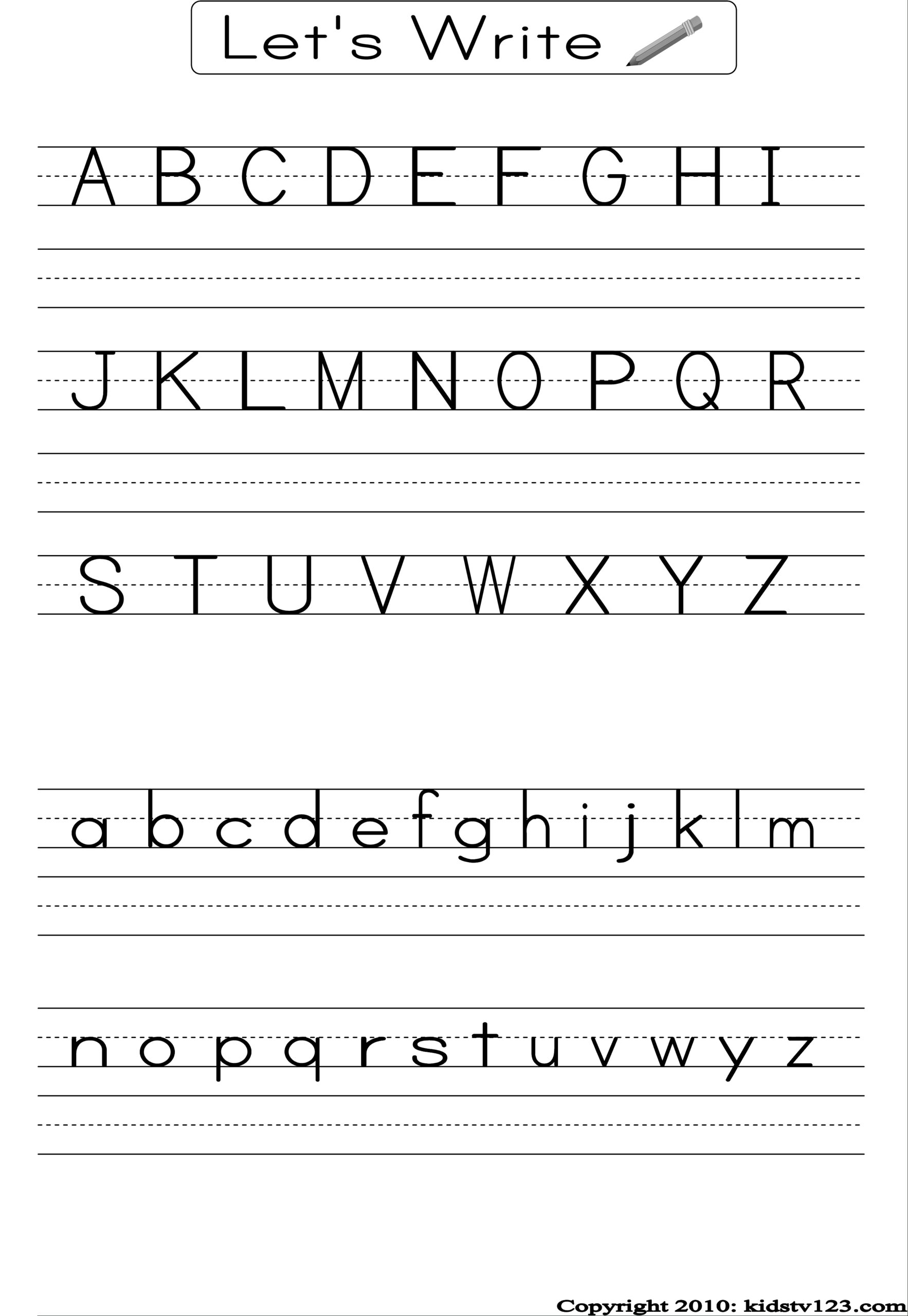
- Daily Warm-Ups: Start each day with a brief alphabet practice session. Hand out a worksheet for students to complete as they settle into the classroom. This can be a great way to transition from home to school mode.
- Learning Stations: Set up various learning stations that include different alphabet activities. One station could focus on tracing letters, while another could involve matching letters to pictures. Rotate students through the stations to keep them engaged.
- Group Activities: Use the worksheets for group work by having children pair up to complete specific tasks. This encourages social interaction while learning.
Home Learning
- After-School Reinforcement: After school, review the letters learned that day by using corresponding worksheets. This reinforces what they’ve been taught and provides parents with insight into their child’s progress.
- Fun Family Activities: Incorporate worksheets into family game nights. Challenge siblings to see who can complete their alphabet worksheet first or create a mini art project based on the letters.
- Printable Resources: Many websites offer free or low-cost printable Practice Sheet Alphabet Preschool Worksheets. Look for resources that allow for easy downloading and printing, ensuring quick access when needed.
Enhancing Worksheets With Extra Materials
To maximize the effectiveness of Practice Sheet Alphabet Preschool Worksheets, consider supplementing them with additional materials:
- Coloring Tools: Provide a variety of crayons, markers, or colored pencils. This not only enhances the worksheets but also allows for creative expression.
- Interactive Tools: Consider using magnetic letters or letter blocks alongside the worksheets. Children can use these tools to build words or reinforce recognition of letters as they work through their worksheets.
- Digital Options: In today’s tech-savvy world, some parents and teachers may prefer digital worksheets. Look for options that can be filled out on a tablet or computer, allowing for interactive learning experiences.
Tips for Maximizing Learning Outcomes
To ensure that children get the most out of their Practice Sheet Alphabet Preschool Worksheets, here are some practical tips:
- Set a Routine: Establish a regular schedule for using the worksheets, whether daily or a few times a week. Consistency helps reinforce learning.
- Encourage Praise and Motivation: Celebrate achievements, no matter how small. Positive reinforcement can motivate children to engage more with learning materials.
- Monitor Progress: Keep track of the worksheets completed and the skills demonstrated. This can help identify areas where a child may need additional support or practice.
By integrating Practice Sheet Alphabet Preschool Worksheets into daily activities, educators and parents can create a rich learning environment that fosters literacy development in young children.
Using these worksheets as a foundation, children can build confidence in their reading and writing skills, setting them up for future academic success.
To ensure a successful learning experience, always choose resources that are age-appropriate and offer a variety of engaging activities. Whether in the classroom or at home, these worksheets can be a vital part of early literacy education.