
Using Picture Alphabet Tracing Worksheets For Kindergarten can be a useful option for early literacy development. These worksheets are designed to help young learners practice letter recognition and improve their handwriting skills in a fun and interactive way. In the vibrant world of kindergarten classrooms and homeschooling, these resources serve not only as educational tools but also as engaging activities that keep little ones excited about learning.
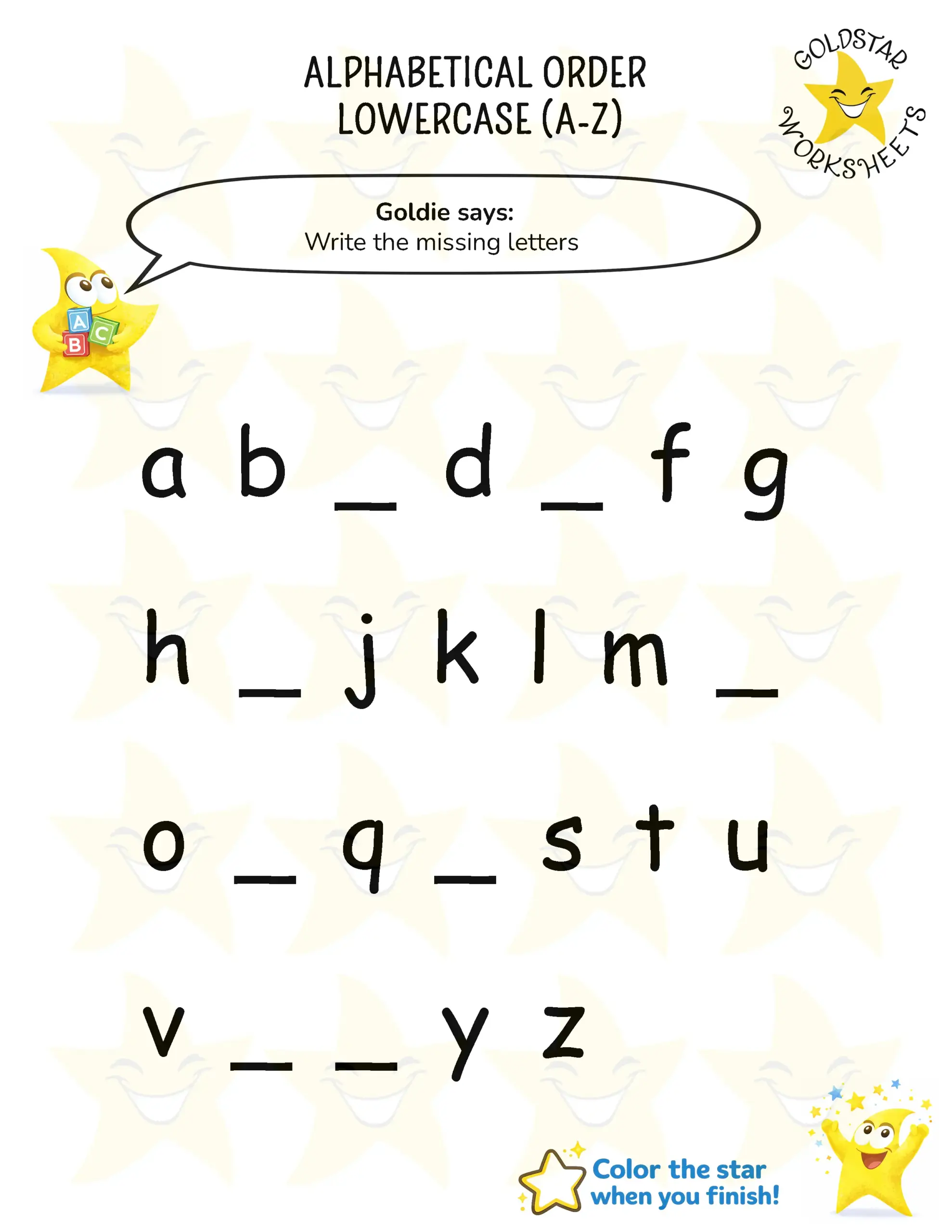
Understanding the Importance of Tracing Worksheets
Tracing worksheets play a crucial role in the early stages of writing. They help children develop fine motor skills, which are essential for writing. By tracing letters and pictures, children learn how to control their pencil movements, which is foundational for writing independently later on. When using Picture Alphabet Tracing Worksheets For Kindergarten, you can introduce your students to the alphabet in a way that feels playful and engaging.
These worksheets typically feature a picture that begins with the letter of the alphabet, allowing children to associate letters with sounds and images. For example, the letter “A” might be accompanied by an image of an apple. This visual association reinforces their understanding and retention of each letter, making learning more memorable.
How to Incorporate Tracing Worksheets Into Your Curriculum
Integrating Picture Alphabet Tracing Worksheets into your lessons can be seamless and effective. Here’s how you can do it:
- Daily Practice: Set aside time each day for students to work on their tracing worksheets. Consistency is key in developing their skills. You might start with just one letter a day, gradually increasing as they become more comfortable.
- Themed Learning: Tie the worksheets into your broader lesson plans. For instance, if you are discussing farm animals, you can use worksheets with animals that correspond to letters, like “C” for cow or “H” for horse. This thematic approach can make the learning experience richer.
- Interactive Activities: Use the worksheets as a springboard for interactive learning. After tracing, have students color the pictures or create sentences using the words associated with each letter. This adds an extra layer of engagement and reinforces their understanding of the vocabulary.
- Track Progress: Use these worksheets to monitor each child’s development over time. You can collect and review their completed worksheets to see how they are progressing with both letter recognition and writing skills.
Creating a Positive Learning Environment
When using Picture Alphabet Tracing Worksheets For Kindergarten, it’s essential to create a supportive atmosphere that encourages learning. Here are some tips:
- Positive Reinforcement: Celebrate small achievements. Whether it’s tracing a letter correctly or showing improvement, positive feedback boosts confidence.
- Flexible Settings: Allow children to work in various settings—some may prefer the quiet of a corner, while others thrive in a more social environment. This flexibility can enhance their focus and enjoyment.
- Use of Materials: Depending on your resources, consider laminating the worksheets so they can be reused with dry-erase markers. This not only saves paper but also allows for repeated practice without waste.
Engaging Activities Beyond Tracing
While tracing letters is vital, incorporating other activities can further enhance the learning experience. Here are a few ideas:
- Letter Hunts: Create a scavenger hunt where children find items in the classroom or at home that start with the letters they are tracing. This reinforces the connection between letters and their sounds.
- Story Time Connections: Read books that include strong alphabet themes and encourage students to identify letters within the text. After reading, have them trace the corresponding letters in their worksheets.
- Craft Projects: Use the letters as themes for art projects. For example, after working on the letter “B,” students could create a collage of various items that start with “B,” reinforcing their learning in a hands-on way.