
Teaching young learners the connection between letters and their corresponding sounds is crucial for developing reading skills. Phonic Sounds Of Alphabets Worksheets provide an effective way to reinforce these essential concepts in a fun and engaging manner. These worksheets help children recognize letter sounds, which is the foundation for reading and writing. This guide will walk through the selection, use, and benefits of these worksheets in various educational settings.
Understanding Phonic Sounds
Phonics is the method of teaching reading by correlating sounds with letters or groups of letters. Children typically start learning phonics in preschool or kindergarten, around ages 4 to 6. Worksheets focusing on phonic sounds introduce children to the sounds that letters make when they are spoken. This understanding is crucial as it helps them decode words, making reading easier and more intuitive.
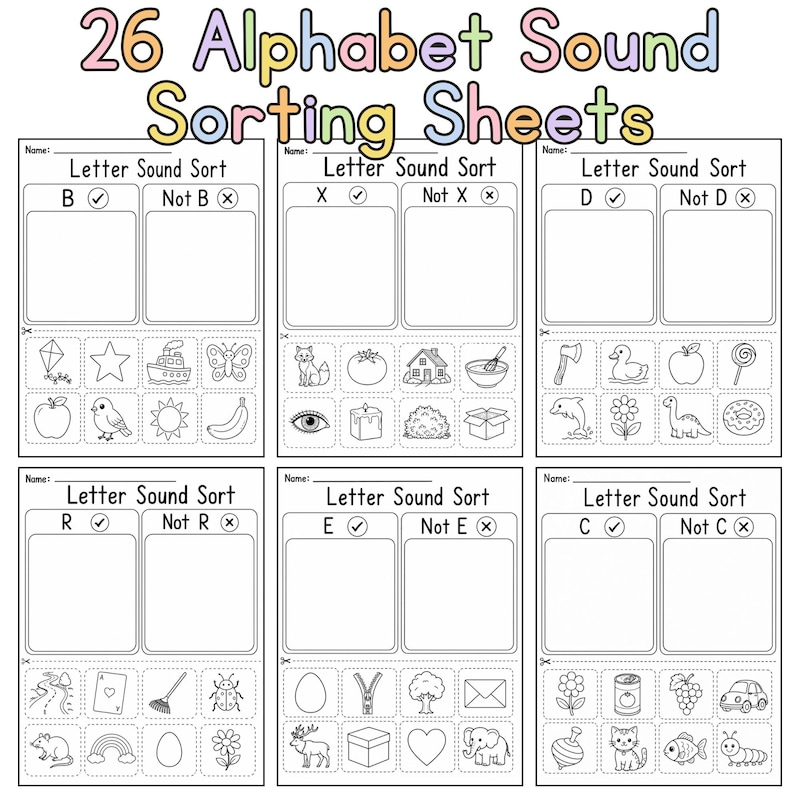
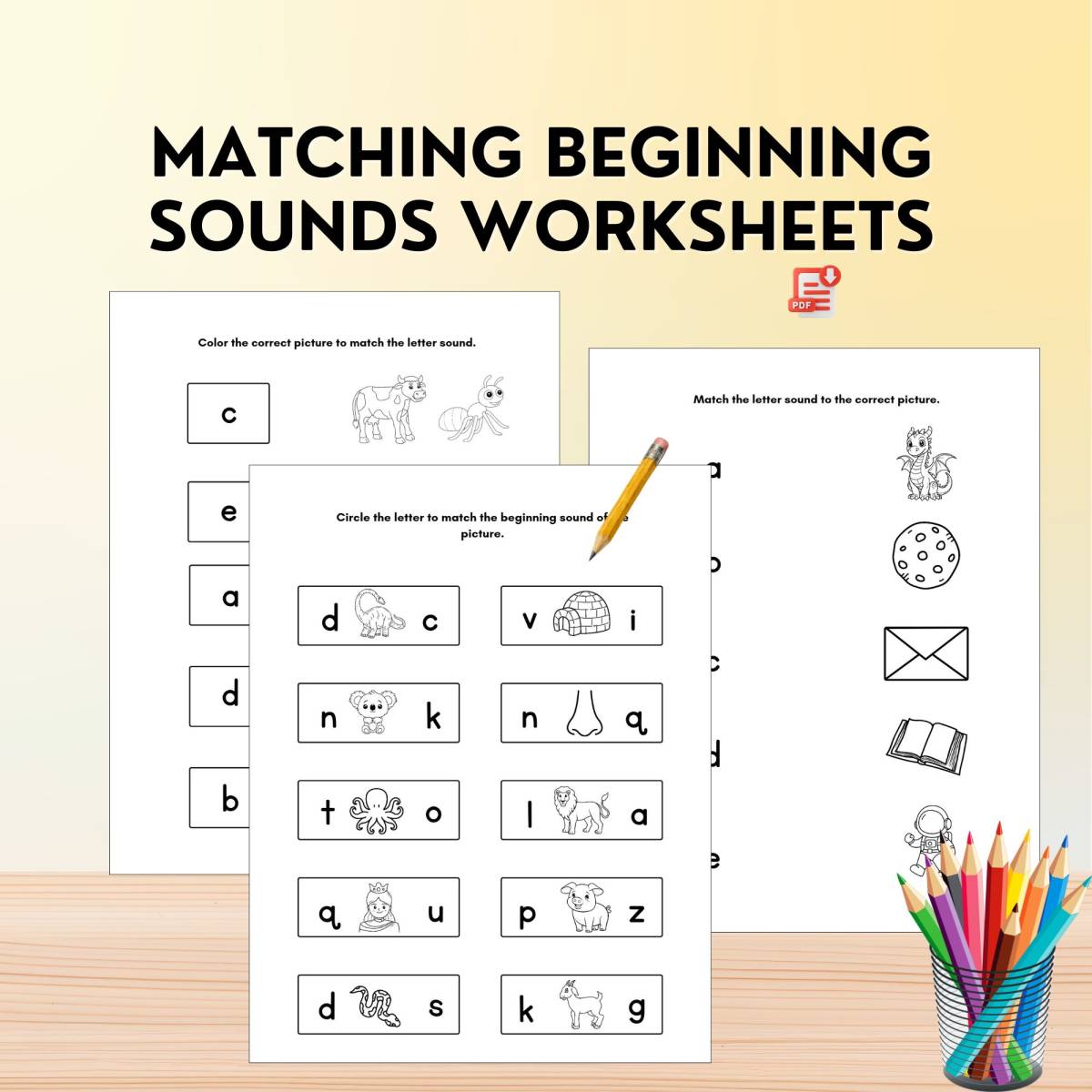
Worksheets specifically designed for phonic sounds often include activities such as matching letters to their sounds, filling in missing letters, and identifying words that start with a particular letter sound. These exercises are essential for reinforcing phonetic learning and can be used both in the classroom and at home.
Choosing the Right Worksheets
When selecting Phonic Sounds Of Alphabets Worksheets, consider the following factors to ensure they meet your educational goals:
- Age Appropriateness: Ensure the worksheets are designed for the age group you are teaching. For preschoolers, look for simple worksheets with large letters and engaging images. For older children, worksheets can incorporate more complex activities.
- Engagement Factor: Worksheets should be visually appealing and interactive. Look for resources that include colorful illustrations, engaging characters, or activities that prompt children to think critically.
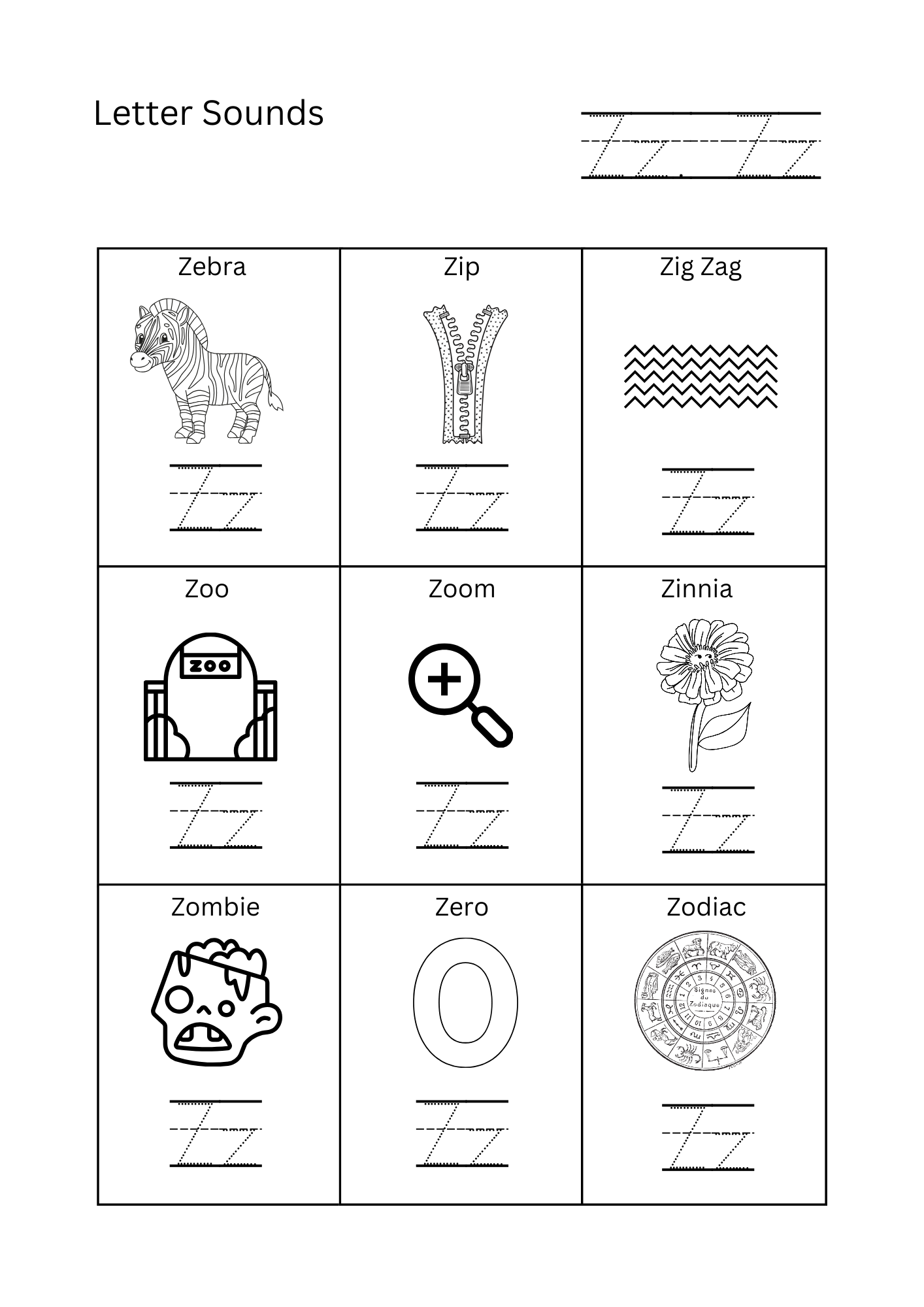
- Variety of Activities: A good set of worksheets will include a range of activities, such as tracing letters, matching sounds to pictures, and filling in blanks. This variety keeps children engaged and caters to different learning styles.
- Print Quality: High-quality printables are essential for clear visibility. Opt for worksheets that are designed for easy printing on standard paper sizes like A4 or Letter.
- Supplementary Materials: Some worksheets may come with additional resources, such as answer keys or instructions for parents and teachers. These can be helpful in guiding the learning process.
How to Use Phonic Sounds Worksheets Effectively
Using Phonic Sounds Of Alphabets Worksheets effectively involves creating a structured approach that maximizes learning. Here’s a step-by-step guide:
- Download and Print: Choose your desired worksheets and download them. Ensure your printer settings are correct for optimal print quality. Use standard paper or cardstock for durability, especially if the worksheets will be used multiple times.
- Set Up a Learning Environment: Create a distraction-free space where children can focus on their worksheets. Have all necessary supplies, such as crayons or pencils, ready for use.
- Introduce the Concept: Before diving into the worksheets, explain what phonics is and why it matters. Use examples from everyday life, such as pointing out letters and their sounds in the environment.
- Guide the First Attempt: For younger children, it may be beneficial to go through the first worksheet together. Explain each task and provide examples. This guidance can help build their confidence.
- Encourage Independent Practice: Once children grasp the concept, encourage them to complete worksheets independently. This fosters self-reliance and reinforces learning.
- Review Completed Worksheets: After the worksheets are completed, review them together. Discuss any mistakes and praise their efforts. This not only reinforces learning but also builds a positive attitude towards education.
- Incorporate Games and Activities: To further enhance the learning experience, consider incorporating games that focus on phonics. Activities like phonics bingo or sound scavenger hunts can make learning more dynamic and enjoyable.
Benefits of Using Phonic Sounds Worksheets
Integrating Phonic Sounds Of Alphabets Worksheets into your teaching toolkit offers several advantages:
- Reinforcement of Learning: Worksheets provide an opportunity for children to practice what they’ve learned in a structured manner, reinforcing their understanding of phonetic sounds.
- Skill Development: These resources help develop fine motor skills through tracing and writing activities, which are essential for overall literacy.
- Assessment Tool: Worksheets can serve as an informal assessment tool to gauge a child’s understanding of phonics. Teachers and parents can identify areas where additional practice may be needed.
- Flexibility: Worksheets can be used in various settings—classrooms, homeschooling environments, or even during travel. They are easy to carry and can be done anywhere.
- Parent Involvement: Worksheets provide a way for parents to engage with their child’s learning. They can work together on worksheets to reinforce concepts taught in school.
Tips for Maximizing Worksheet Effectiveness
To get the most out of Phonic Sounds Of Alphabets Worksheets, consider these practical tips:
- Rotate Worksheets Regularly: Introducing new worksheets keeps the learning experience fresh and exciting. This prevents boredom and maintains engagement.
- Use Visual Aids: Supplement worksheets with visual aids, such as flashcards or charts, to reinforce learning. This multi-sensory approach can enhance comprehension.
- Create a Phonics Routine: Establish a regular time for phonics practice. Consistency helps children develop habits that will benefit their learning.
- Encourage Peer Interaction: In a classroom setting, allow children to work in pairs or small groups. This encourages collaboration and allows them to learn from one another.
- Celebrate Progress: Acknowledge achievements, no matter how small. Celebrating progress motivates children and fosters a positive learning environment.
Incorporating Phonic Sounds Of Alphabets Worksheets into early education can significantly impact a child’s literacy journey. By following these steps and tips, educators and parents can create a supportive and effective learning experience. With the right resources and approach, children will build a strong foundation in phonics that will serve them throughout their educational journey.