
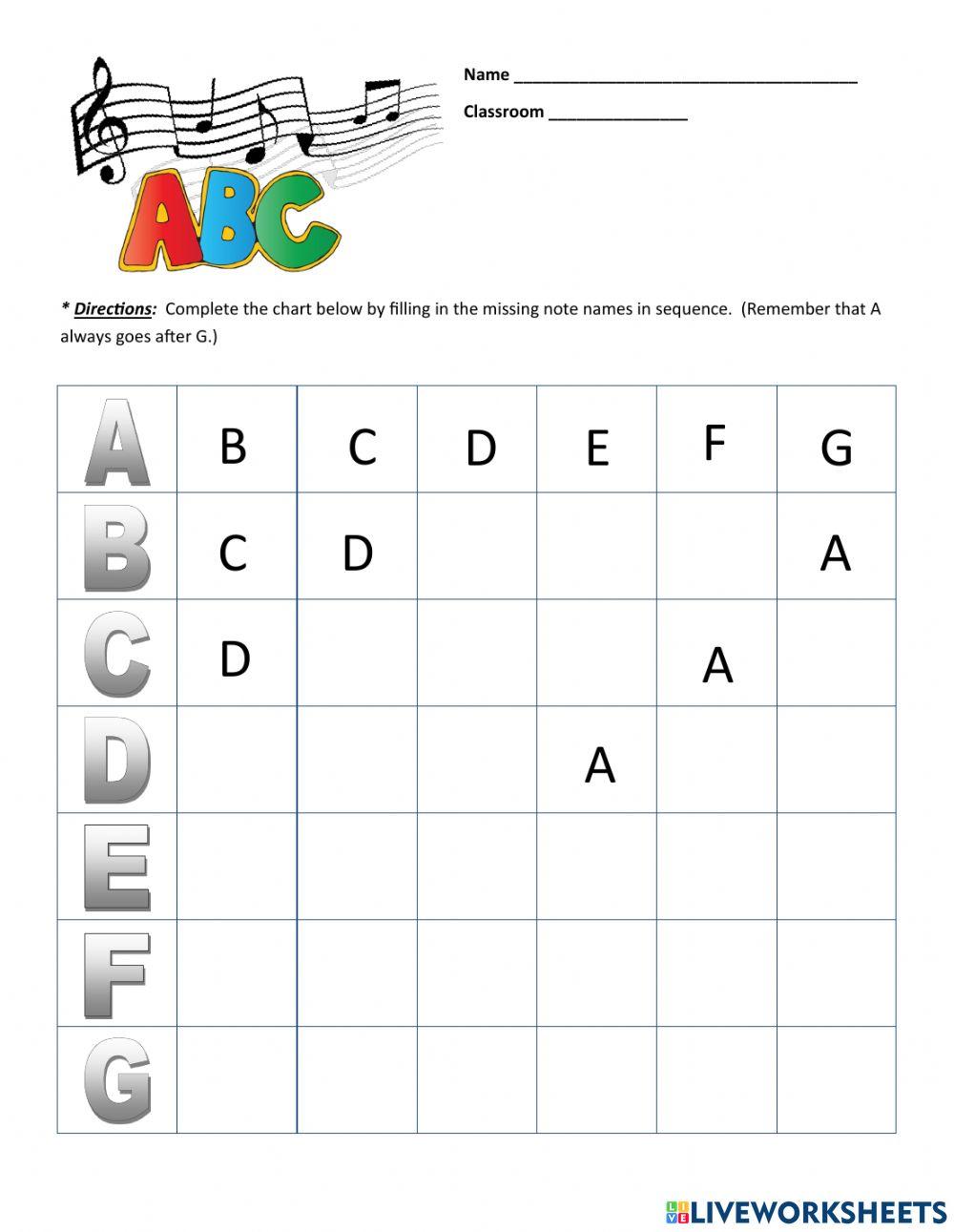
The Musical Alphabet Worksheet For Grade 3 stands out among educational resources by combining creativity with educational value, making learning music fundamentals enjoyable for third graders. This resource specifically targets the learning needs of children at this grade level, helping them grasp the basics of musical notation and terminology in a fun, engaging way. The layout and design choices enhance usability and effectiveness, allowing for easy integration into various teaching environments, whether in the classroom or at home.
Purpose of the Musical Alphabet Worksheet
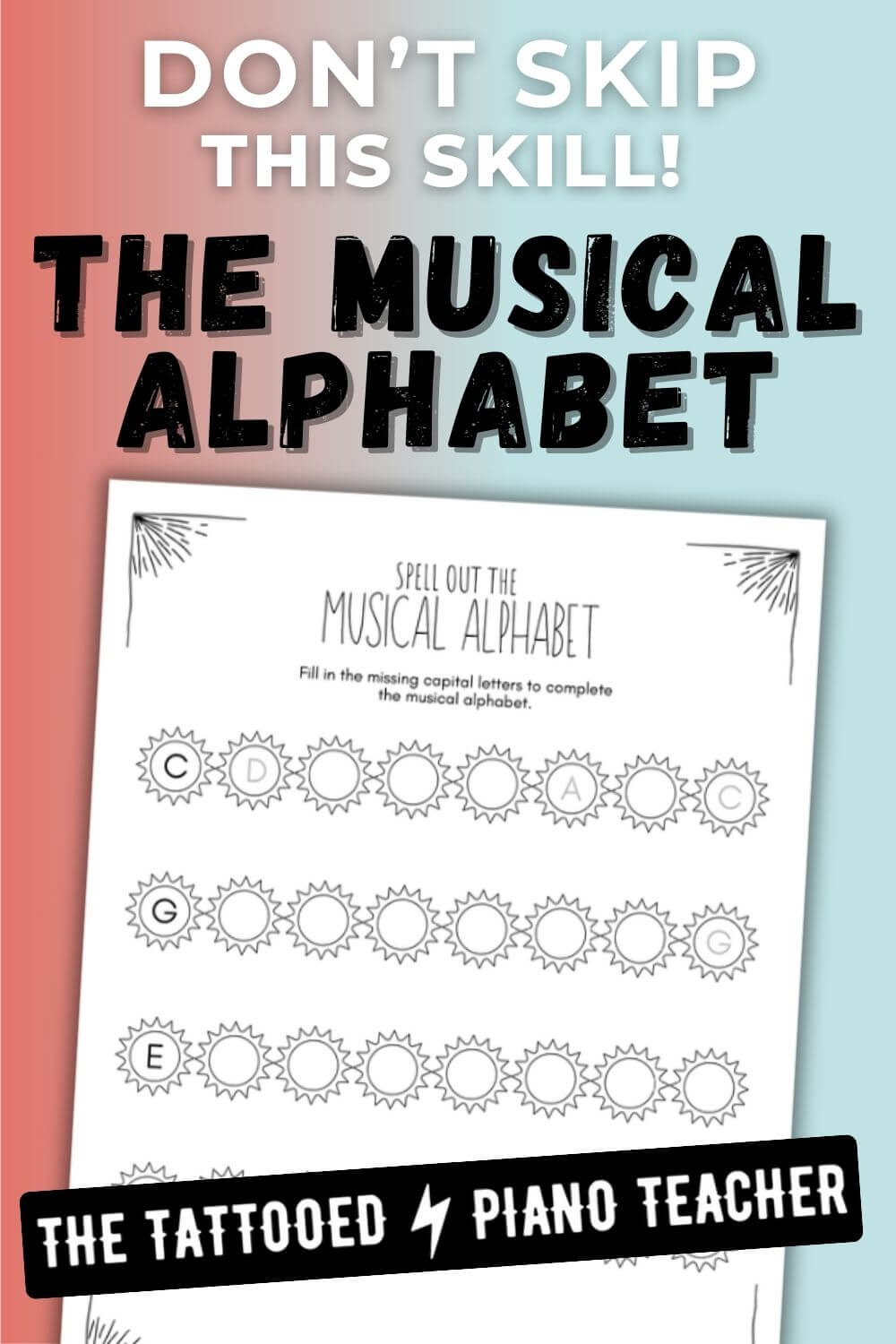
The primary aim of the Musical Alphabet Worksheet For Grade 3 is to introduce young learners to the musical alphabet, which consists of the notes A, B, C, D, E, F, and G. This worksheet engages students through a variety of exercises that encourage recognition, spelling, and application of these notes in different contexts. The activities are designed to reinforce the concepts learned in music class and can be utilized as a supplementary tool for teachers or as an engaging homework assignment.
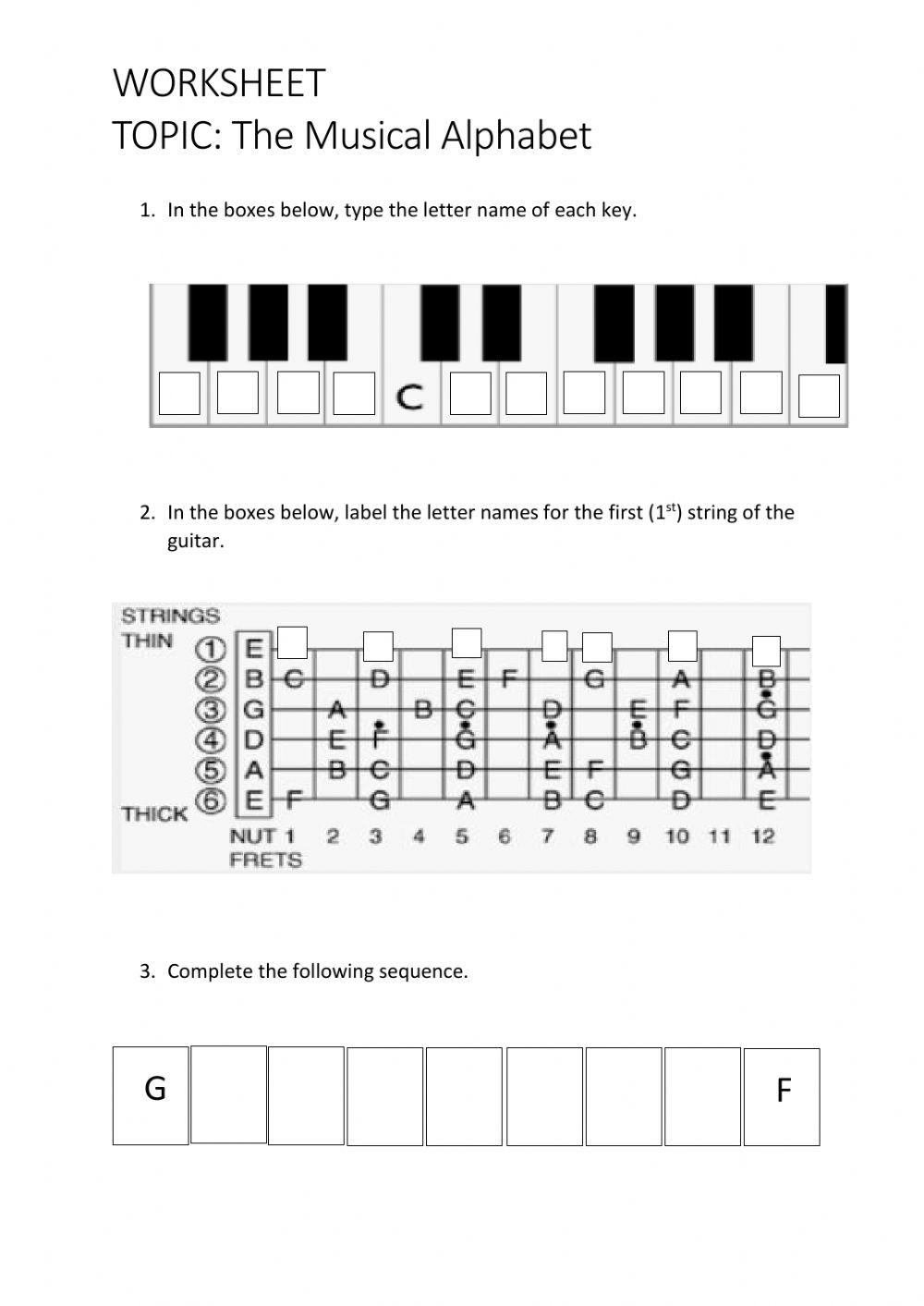
The worksheets typically include activities like matching notes to their names, filling in the blanks, and identifying the placement of notes on a staff. These exercises not only solidify the students’ understanding of the musical alphabet but also foster a love for music.
Layout and Design Features
The layout of the Musical Alphabet Worksheet For Grade 3 is thoughtfully designed to support young learners. Each worksheet is organized into distinct sections that guide students through various activities without overwhelming them. Here are some key features you can expect:
- Clear Headings: Each section is clearly labeled, making it easy for students to navigate the worksheet. This helps them focus on one task at a time.
- Visual Elements: The use of images, such as musical notes and instruments, enhances engagement and makes the learning experience more visually appealing.
- Instructions: Simple, concise instructions accompany each activity, ensuring that students understand what is expected of them.
- Space for Responses: Ample space is provided for students to write their answers, which is particularly useful for maintaining neatness and organization.
These design choices not only make the worksheet user-friendly but also cater to different learning styles, allowing for a more personalized approach to music education.
Practical Classroom Logistics
When it comes to implementing the Musical Alphabet Worksheet For Grade 3 in your teaching routine, there are several practical considerations to keep in mind:
Printing Considerations
- Paper Size: The worksheet can be printed on standard letter-size paper (8.5 x 11 inches), which is compatible with most classroom printers.
- Bulk Printing: If you’re teaching a full class, consider printing multiple copies in advance. This will save time during the lesson and ensure every student has access to the material.
- Color vs. Black and White: While color printing makes the worksheets more engaging, using black and white can be more cost-effective. You might want to print a few in color for demonstration purposes and use black and white for student copies.
Handling and Grading
- Answer Key: Having an answer key available for the Musical Alphabet Worksheet For Grade 3 can streamline the grading process. This allows you to quickly check students’ work while providing them with immediate feedback.
- Review Time: Plan a dedicated time to review the worksheets in class. This encourages discussion and allows students to ask questions about their answers, reinforcing their understanding.
Homework and Reinforcement
The worksheet can also serve as an excellent homework assignment. Assigning it after a music lesson helps reinforce what students have learned. You may want to encourage parents to review the completed worksheets with their children, fostering a collaborative learning environment at home.
Engaging Extensions and Activities
To further enhance the learning experience, consider integrating additional activities that complement the Musical Alphabet Worksheet For Grade 3. Here are a few ideas:
- Musical Games: Organize a game where students can use the notes learned on the worksheet to create simple melodies. This not only reinforces their understanding but also encourages creativity.
- Instrument Matching: Pair the worksheet with an activity where students match musical notes to instruments that produce those notes. This real-world connection can deepen their appreciation for music.
- Creative Projects: Encourage students to create their own compositions using the notes they’ve learned. This can be done on staff paper, allowing them to visualize their music.
By extending the learning beyond the worksheet, you can create a more immersive and enjoyable music education experience.