
The Missing Alphabet Worksheet For Preschool is an essential tool for early childhood educators and parents who want to support children’s literacy development. These worksheets are designed to help preschoolers recognize letters and understand the sequence of the alphabet, which is crucial for reading readiness. In this article, we’ll explore how to effectively use these worksheets, what to look for when selecting one, and how to assess progress and mastery.
Understanding the Purpose of Missing Alphabet Worksheets
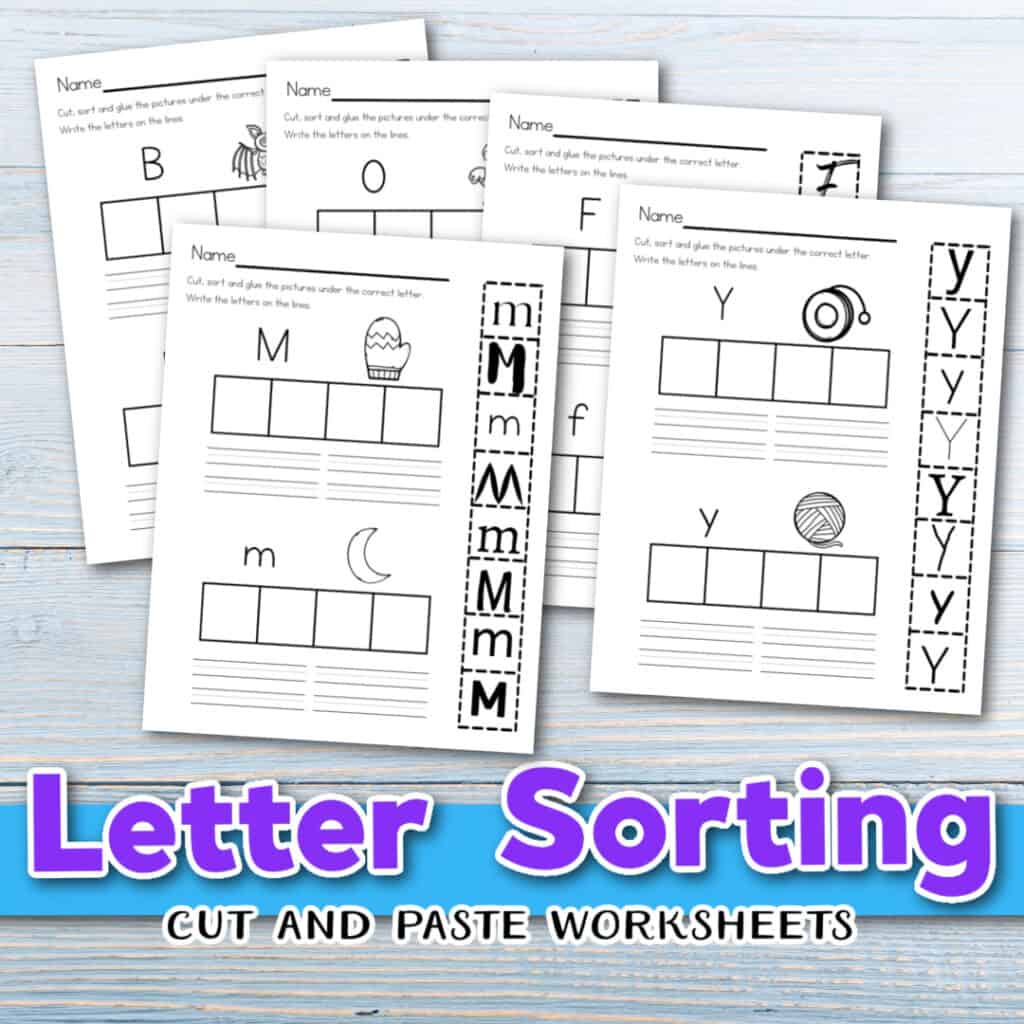
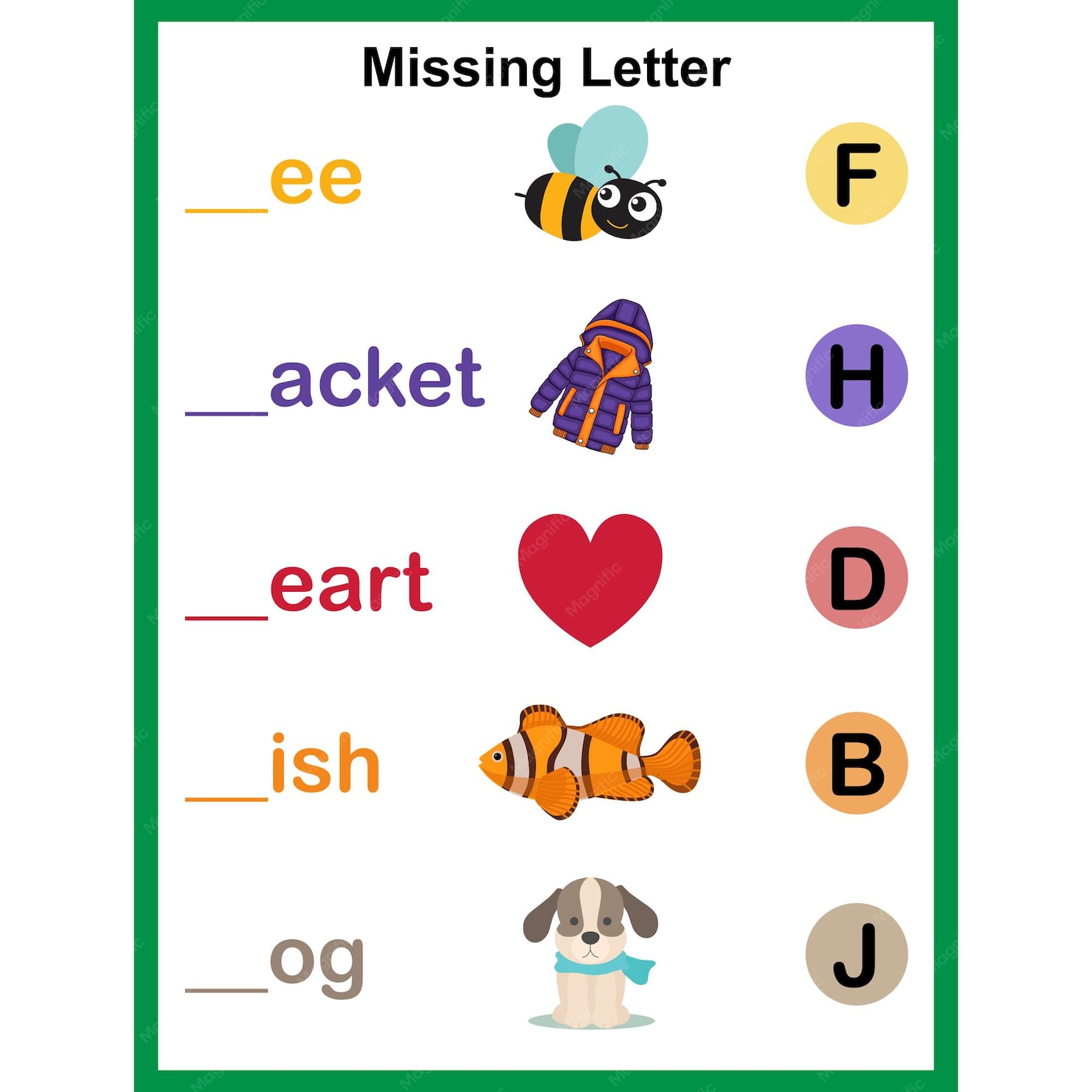
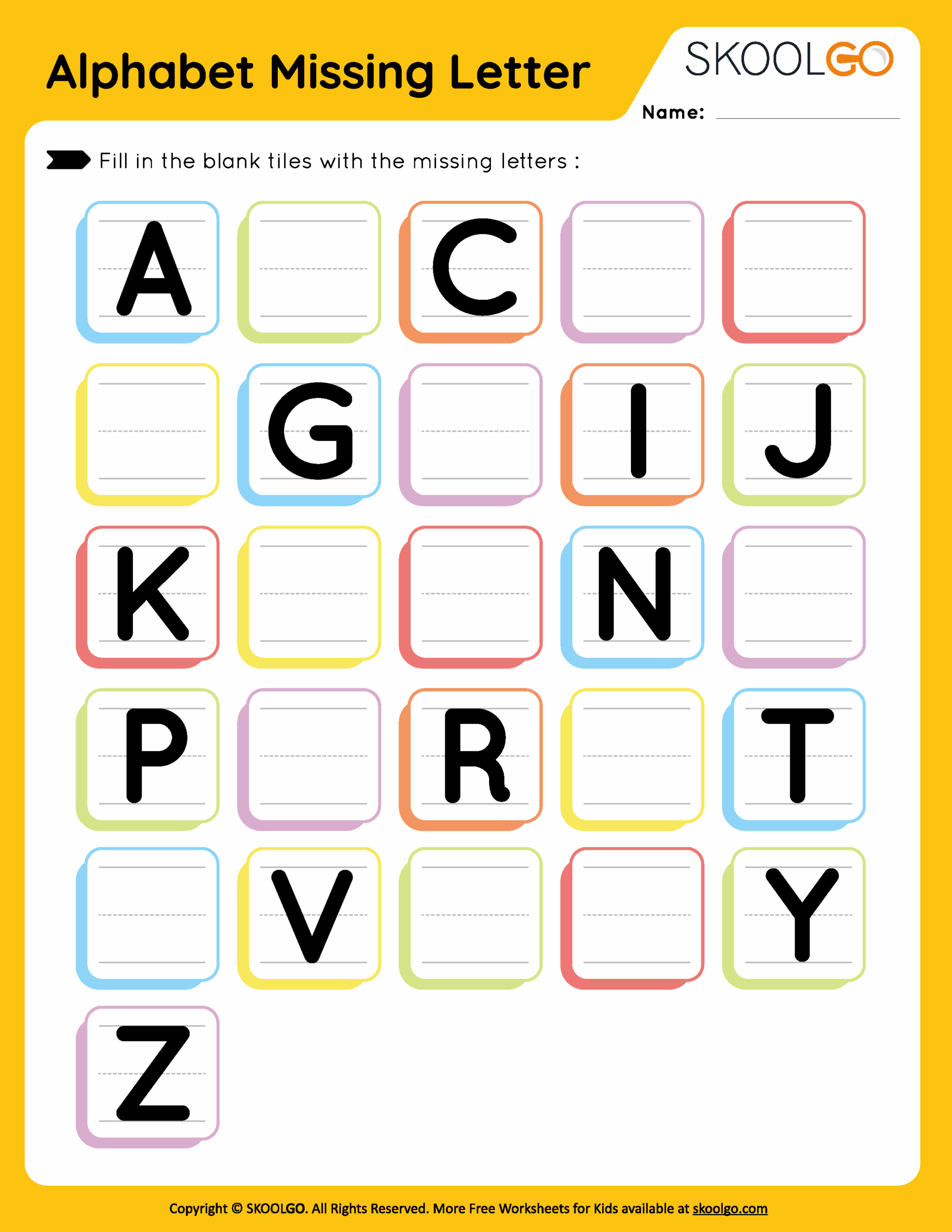
Missing alphabet worksheets serve a specific educational purpose. They typically present a sequence of letters where some are omitted, prompting children to fill in the blanks. This exercise not only reinforces letter recognition but also engages children in critical thinking as they recall the correct letters to complete the sequence.
For preschoolers, these worksheets are suitable for ages 3 to 5, aligning perfectly with their developmental stage where they begin to explore letters and sounds. By filling in the missing letters, children practice their handwriting skills, enhance their cognitive abilities, and develop their fine motor skills.
Selecting the Right Missing Alphabet Worksheet
When selecting a Missing Alphabet Worksheet For Preschool, consider the following factors:
- Age Appropriateness: Ensure the worksheet is designed specifically for preschoolers. Look for worksheets that use large, clear letters and colorful illustrations to keep children engaged.
- Variety of Activities: Some worksheets may include additional activities such as coloring, tracing, or matching letters to pictures. These can provide a more comprehensive learning experience.
- Format: Choose between printable PDF formats or image files. PDF documents often preserve formatting better, making them easier to print without distortion.
- Skill Level: Assess your child’s current letter recognition skills. If they are just starting, look for worksheets with fewer missing letters. As they progress, you can choose worksheets with more challenging sequences.
- Visual Appeal: Bright colors and fun themes can make the learning process more enjoyable. Look for worksheets that feature characters or themes your child loves.
How to Use Missing Alphabet Worksheets Effectively
To get the most out of the Missing Alphabet Worksheet For Preschool, here are some practical tips:
- Introduce the Alphabet: Before presenting the worksheet, ensure your child is familiar with the alphabet. Sing the alphabet song together and point out letters in their environment.
- Model the Activity: Show your child how to complete the worksheet. Fill in one or two letters together, explaining your thought process. This modeling helps them understand what’s expected.
- Encourage Independence: Once your child understands the task, allow them to complete the worksheet independently. This builds confidence and reinforces their learning.
- Discuss the Answers: After your child has filled in the blanks, go through the answers together. Praise their efforts and gently correct any mistakes, reinforcing the correct letters.
- Reinforce Learning: Use the worksheets as a springboard for further learning. Ask your child to identify other words that start with the same letters or find those letters in books or labels around the house.
Assessing Mastery and Progress
Monitoring your child’s progress with the Missing Alphabet Worksheet For Preschool is crucial to understand their mastery of the material. Here’s what to look for:
- Accuracy: Check how many letters your child correctly fills in. A high accuracy rate indicates they are grasping letter recognition.
- Speed: Take note of how quickly they complete the worksheet. As they become more familiar with letters, their speed should improve.
- Confidence: Observe your child’s attitude toward the activity. Are they eager to participate, or do they seem frustrated? A positive attitude suggests they are engaged and learning effectively.
- Repetition: If your child struggles with certain letters, it may be helpful to revisit those specific worksheets. Repeated exposure can help reinforce their learning.
- Integration of Skills: Look for opportunities to integrate letter recognition with other skills, such as phonics or vocabulary. Discussing the sounds of the letters can enhance their understanding.
Additional Resources for Letter Learning
To complement the Missing Alphabet Worksheet For Preschool, consider incorporating other resources and activities:
- Flashcards: Use alphabet flashcards for quick identification practice. You can create your own or find printable versions online.
- Books: Read alphabet-themed books together. Many children’s books focus on letter recognition and phonetics, making learning fun.
- Apps and Games: Educational apps can provide interactive letter recognition activities. Look for age-appropriate options that align with your child’s learning goals.
- Hands-On Activities: Engage your child in hands-on activities, such as letter scavenger hunts or using playdough to form letters. These activities reinforce learning through play.
- Coloring Pages: Incorporate coloring pages that feature letters. This can be a fun way for children to practice letter recognition while expressing their creativity.
The Missing Alphabet Worksheet For Preschool is a valuable resource that can greatly benefit young learners. By selecting appropriate worksheets, utilizing effective teaching strategies, and assessing progress, you can create a supportive learning environment that fosters literacy skills. With the right approach, children will not only master the alphabet but also develop a love for learning that lasts a lifetime.