
Matching Nursery English Alphabets Worksheets are an essential tool for teachers and parents aiming to help children develop their literacy skills. These worksheets provide a fun and interactive way for young learners to match letters with corresponding images, reinforcing their understanding of the English alphabet. In this guide, we will explore how to effectively use these worksheets, the benefits of repetition in learning, and tips for integrating them into your teaching routine.
Understanding the Importance of Alphabet Matching
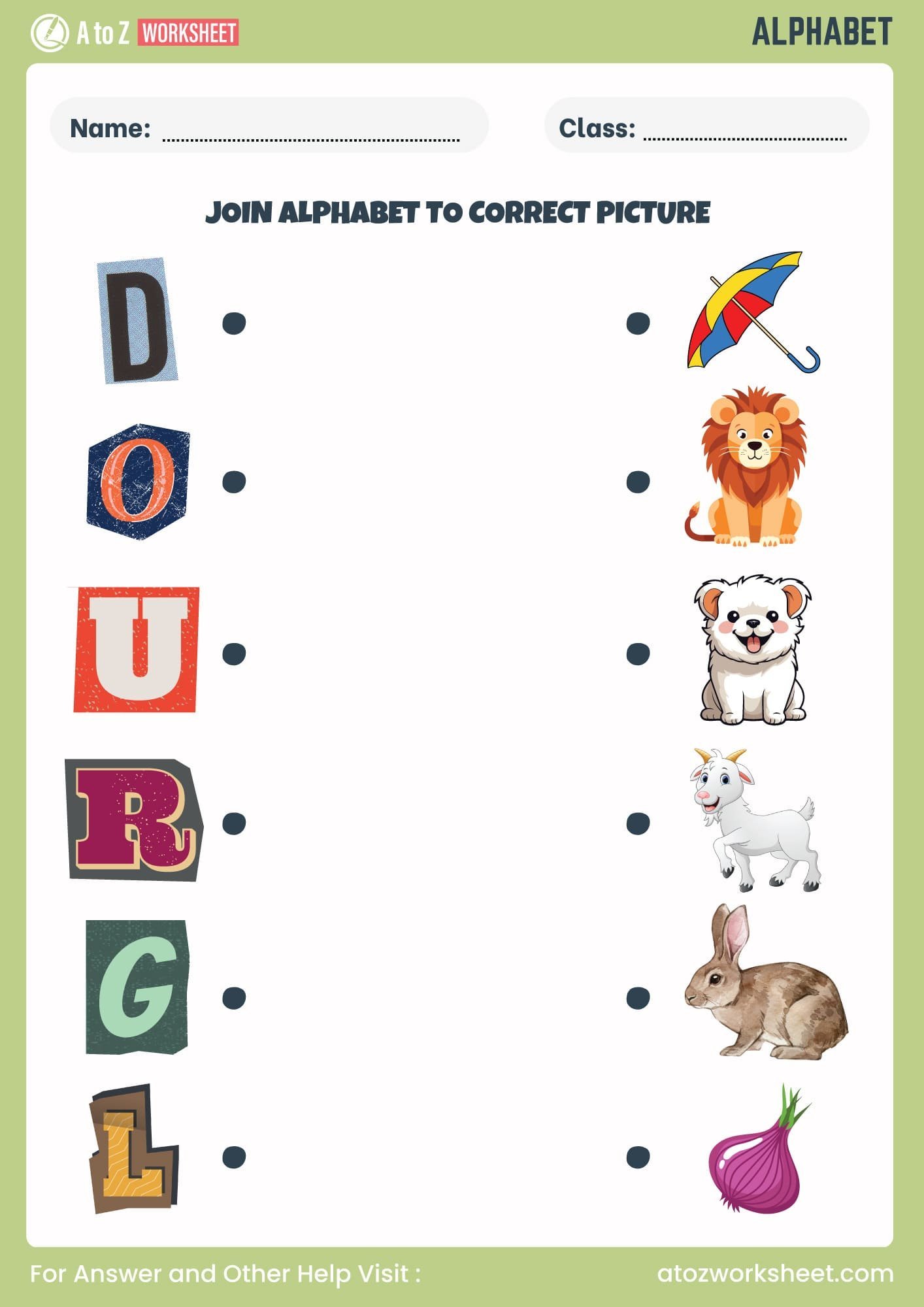
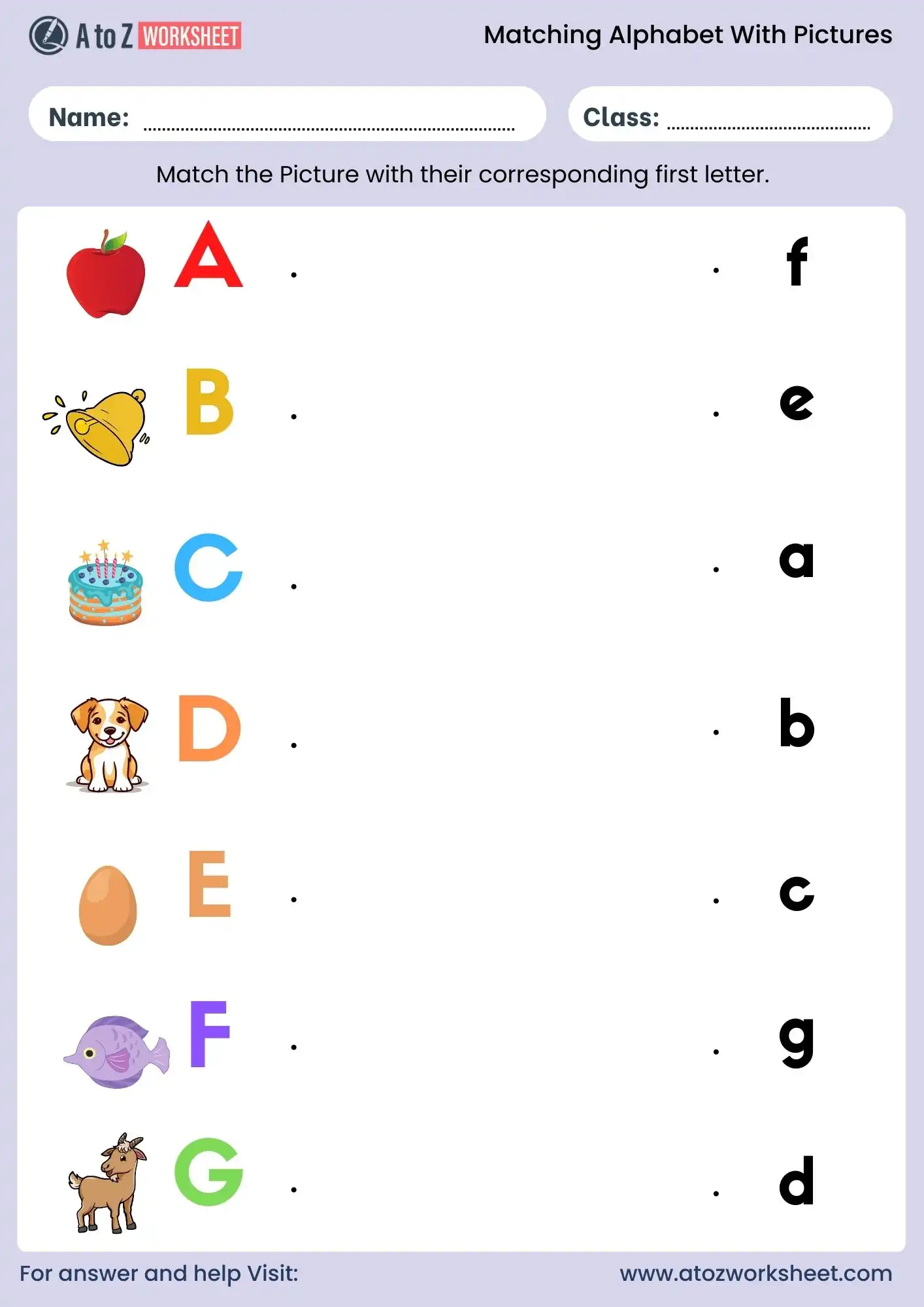
Matching activities are particularly effective for nursery-aged children, typically between 3 to 5 years old. At this stage, children begin to recognize letters and associate them with sounds and words. Matching Nursery English Alphabets Worksheets help solidify these early literacy skills by engaging children in a hands-on learning experience.
By matching letters with images, children not only learn to identify the alphabet but also enhance their vocabulary. For instance, a worksheet may feature the letter “A” alongside an apple, helping children make connections between letters and familiar words. This multisensory approach caters to various learning styles, making it easier for children to absorb new information.
How to Use Matching Worksheets Effectively
When using Matching Nursery English Alphabets Worksheets, consider the following practical strategies to maximize their effectiveness:
- Spacing Practice: Instead of introducing all letters at once, spread the lessons throughout the week. For example, focus on three letters per session, allowing children to practice matching those letters with images repeatedly. This spaced repetition technique helps reinforce memory retention.
- Interactive Learning: Encourage children to work in pairs or small groups while using the worksheets. This social interaction can stimulate discussions about letters and words, making the learning experience more enjoyable and collaborative.
- Incorporate Movement: Add a physical element to the matching activity. You can place letter cards around the room and have children find and match them with their corresponding images on the worksheets. This kinesthetic approach caters to active learners and keeps them engaged.
- Use a Variety of Formats: Consider printing the worksheets in different formats, such as portrait or landscape, based on your classroom setup. Portrait layout typically works better for most home printers, while landscape may be more suitable for larger classroom displays.
- Follow-up Activities: After completing the worksheets, integrate follow-up activities that reinforce the letters learned. For instance, you could have children draw their favorite objects that start with the letters they practiced. This creative exercise further solidifies their understanding.
Choosing the Right Worksheets
When selecting Matching Nursery English Alphabets Worksheets, look for resources that are visually appealing and age-appropriate. Here are some features to consider:
- Colorful and Engaging Designs: Worksheets with vibrant colors and fun images capture children’s attention and make the learning process enjoyable.
- Clear Instructions: Ensure the worksheets come with simple, easy-to-follow instructions. This clarity helps children understand what is expected of them and allows for independent work.
- Variety of Activities: Opt for worksheets that offer different types of matching activities. For instance, some may focus on uppercase letters, while others might introduce lowercase letters or letter sounds.
- Printable Formats: Look for worksheets available in PDF format to avoid reformatting issues that image files can sometimes cause. PDFs ensure that the layout remains consistent across different devices and printers.
Tracking Progress With Worksheets
One of the key benefits of using Matching Nursery English Alphabets Worksheets is the ability to track children’s progress over time. Here are a few tips for effectively monitoring their development:
- Create a Progress Chart: Set up a simple chart to record each child’s progress with matching letters. This visual representation can motivate children as they see their improvement over time.
- Regular Check-ins: Schedule regular assessments to evaluate how well children are grasping the concepts. You can do this informally by asking them to match letters to images without the worksheet as a guide.
- Feedback and Encouragement: Provide positive feedback on their efforts. Celebrate small successes to build confidence and encourage a love for learning.
- Adjust Activities: If a child struggles with certain letters, consider revisiting those specific worksheets until they gain more confidence. Tailoring your approach based on individual needs ensures that every child advances at their own pace.
Additional Resources for Alphabet Learning
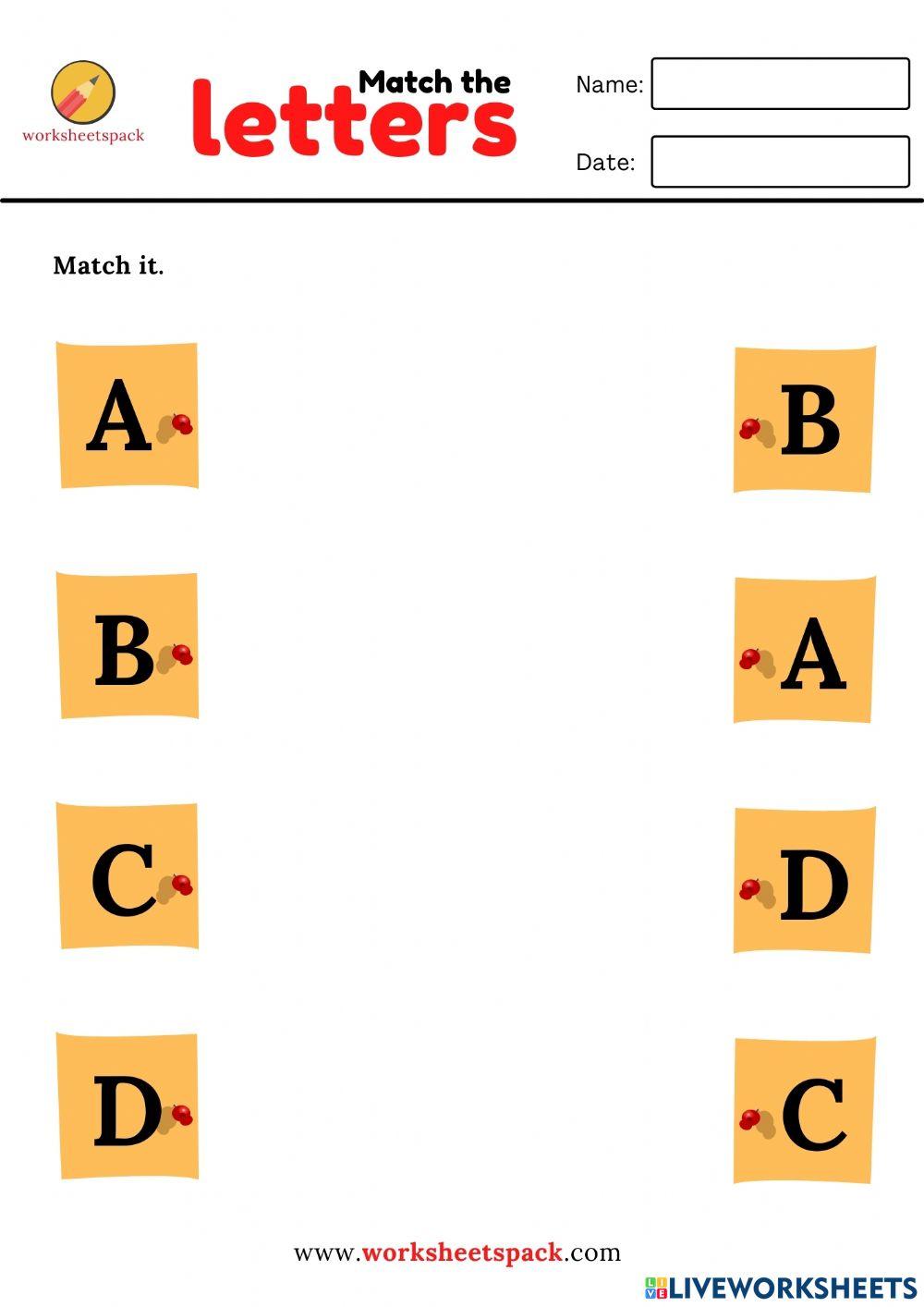
To complement the use of Matching Nursery English Alphabets Worksheets, consider incorporating other resources that align with early literacy development:
- Flashcards: Use flashcards to reinforce letter recognition and sounds. They can be a quick, engaging activity during transitions or downtime.
- Storybooks: Choose storybooks that emphasize the alphabet. Reading aloud not only builds vocabulary but also creates a connection between letters and their sounds.
- Online Games: Explore educational websites and apps that offer interactive alphabet games. These digital resources can provide a different mode of learning that some children may find more engaging.
Using Matching Nursery English Alphabets Worksheets effectively requires thoughtful planning and creativity. By integrating these worksheets into your teaching routine with varied activities and consistent practice, you can help young learners build a strong foundation in literacy. Remember, the key is to make learning enjoyable and interactive. So, gather your materials and start exploring the wonderful world of letters today!