
The Match The Same Alphabets Worksheet is designed to support early literacy development by helping children recognize and match uppercase and lowercase letters. This printable resource typically comes in an 8.5 x 11 inch format, making it easy to print on standard paper sizes. It is ideal for preschool and kindergarten students, who are just beginning to familiarize themselves with the alphabet. The worksheet provides a structured yet engaging way for young learners to practice their recognition skills independently.
Understanding the Layout of the Worksheet
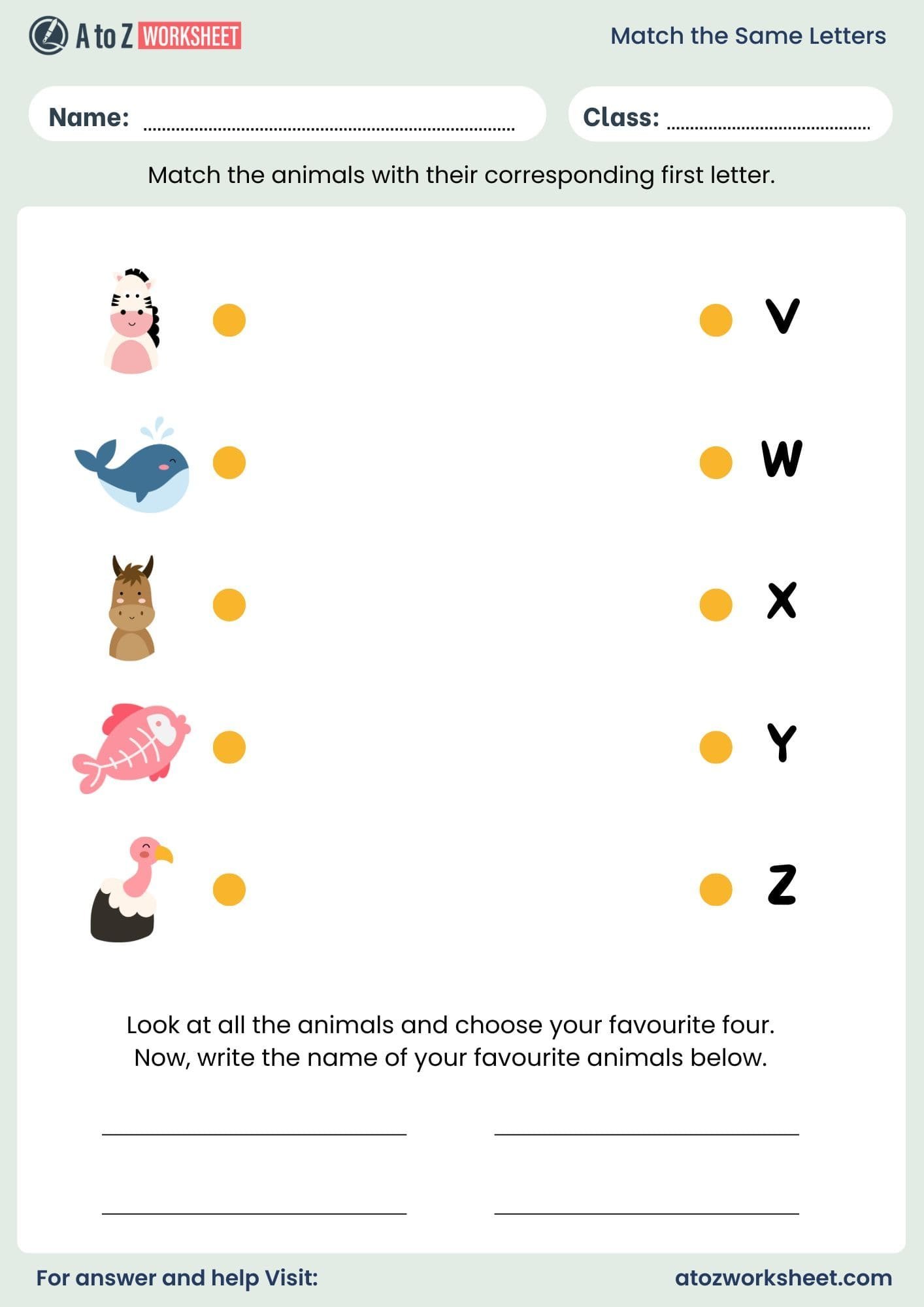
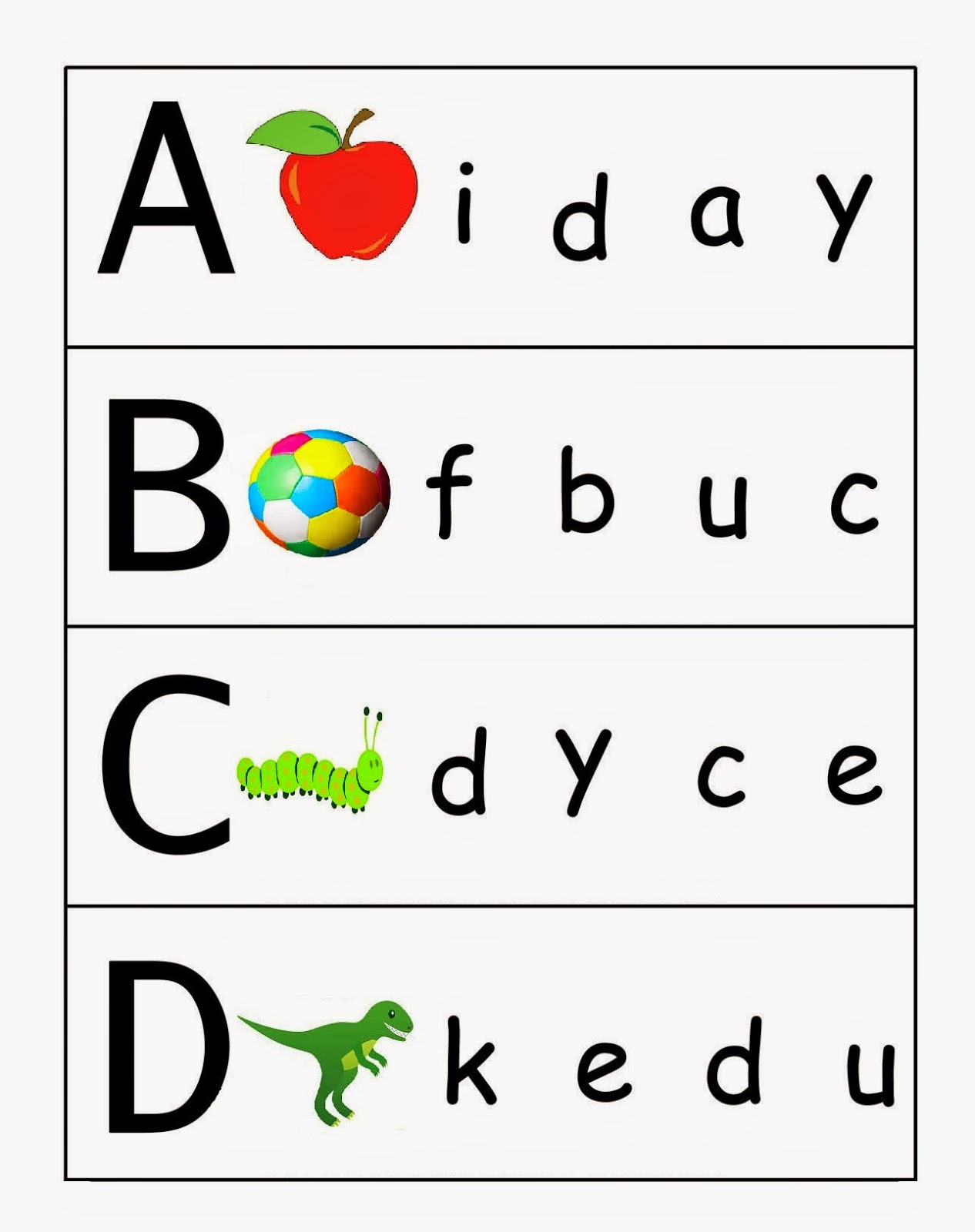
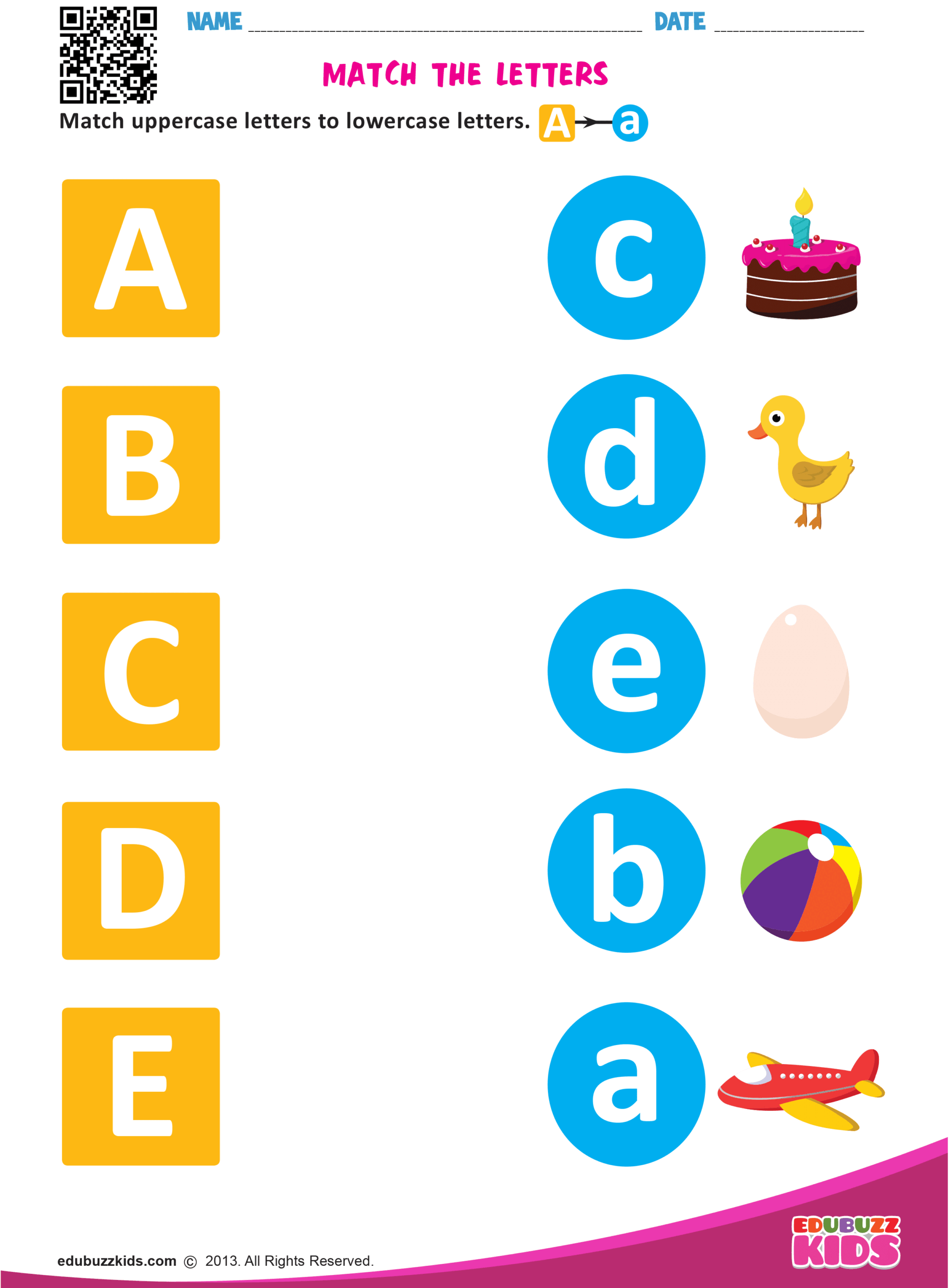
The layout of the Match The Same Alphabets Worksheet is straightforward and user-friendly, which is crucial for young children. The design typically features a grid format that contains pairs of letters. On one side, a child will find uppercase letters, while the corresponding lowercase letters are positioned alongside them. This clear visual arrangement helps children easily identify and match the letters.
A well-designed worksheet includes ample white space, allowing for easy visibility and reducing distractions. The clear instructions, often placed at the top of the page, guide children on how to complete the activity without needing constant supervision. This independence is essential for fostering confidence in young learners.
Key Features of the Worksheet
The key features of the Match The Same Alphabets Worksheet enhance its educational value:
- Visual Clarity: The letters are printed in a large, clear font, making them easy to read. This is particularly important for children who are still developing their visual discrimination skills.
- Engaging Design: Many worksheets incorporate colorful illustrations or playful themes to capture children’s attention, making the learning process enjoyable.
- Instructional Guidance: Simple, concise instructions help children understand what is expected of them. Phrases like “Draw a line to match the letters” are straightforward and age-appropriate.
- Independent Practice: The worksheet is structured to allow children to work at their own pace, promoting self-directed learning.
These features not only make the worksheet appealing but also effective for teaching letter recognition and matching skills.
Effective Use in the Classroom and Home
Educators and parents can effectively use the Match The Same Alphabets Worksheet in various settings. In a classroom environment, teachers can incorporate it into literacy centers or learning stations. This allows students to rotate through different activities, engaging with the worksheet as part of a broader literacy curriculum.
For homeschooling, this worksheet can serve as a standalone activity or be integrated into a themed lesson on letters. Parents can easily print multiple copies for repeated practice, reinforcing learning over time. Additionally, the worksheet can be laminated for durability, allowing it to be used with dry-erase markers for even more interactive learning.
Variations and Extensions
To keep the learning experience fresh and engaging, consider offering variations of the Match The Same Alphabets Worksheet. Here are a couple of ideas to extend the activity:
- Color-Coding Letters: Introduce a color-coding system where children color the uppercase letters in one color and the lowercase letters in another. This reinforces the recognition of different letter cases while adding a creative element.
- Letter Sounds: Pair the worksheet with phonics activities by asking children to say the sound of each letter as they match them. This integrates auditory learning with visual practice, enhancing overall literacy skills.
These variations can help maintain interest while deepening understanding of the alphabet.
Tips for Printing and Usage
When preparing to print the Match The Same Alphabets Worksheet, consider the following tips to ensure the best results:
- Paper Quality: Use heavier weight paper, such as cardstock, for durability, especially if the worksheet will be handled frequently or laminated.
- Printer Settings: Set your printer to the best quality setting to ensure clear text and vibrant colors. Portrait layout is typically the best choice for this type of worksheet.
- Lamination: If possible, laminate the worksheet for long-term use. This allows for repeated practice without needing to print multiple copies, and kids can use dry-erase markers for easy wipe-off.
By following these tips, the worksheet can be a valuable educational tool that stands up to frequent use.