
Lowercase Alphabet Writing Practice Worksheets are an essential resource for educators working with young learners. These worksheets provide a structured approach to mastering lowercase letters, which is a fundamental skill in early literacy development. Typically designed for preschool to early elementary students, these worksheets offer various formats to engage children and track their progress effectively.
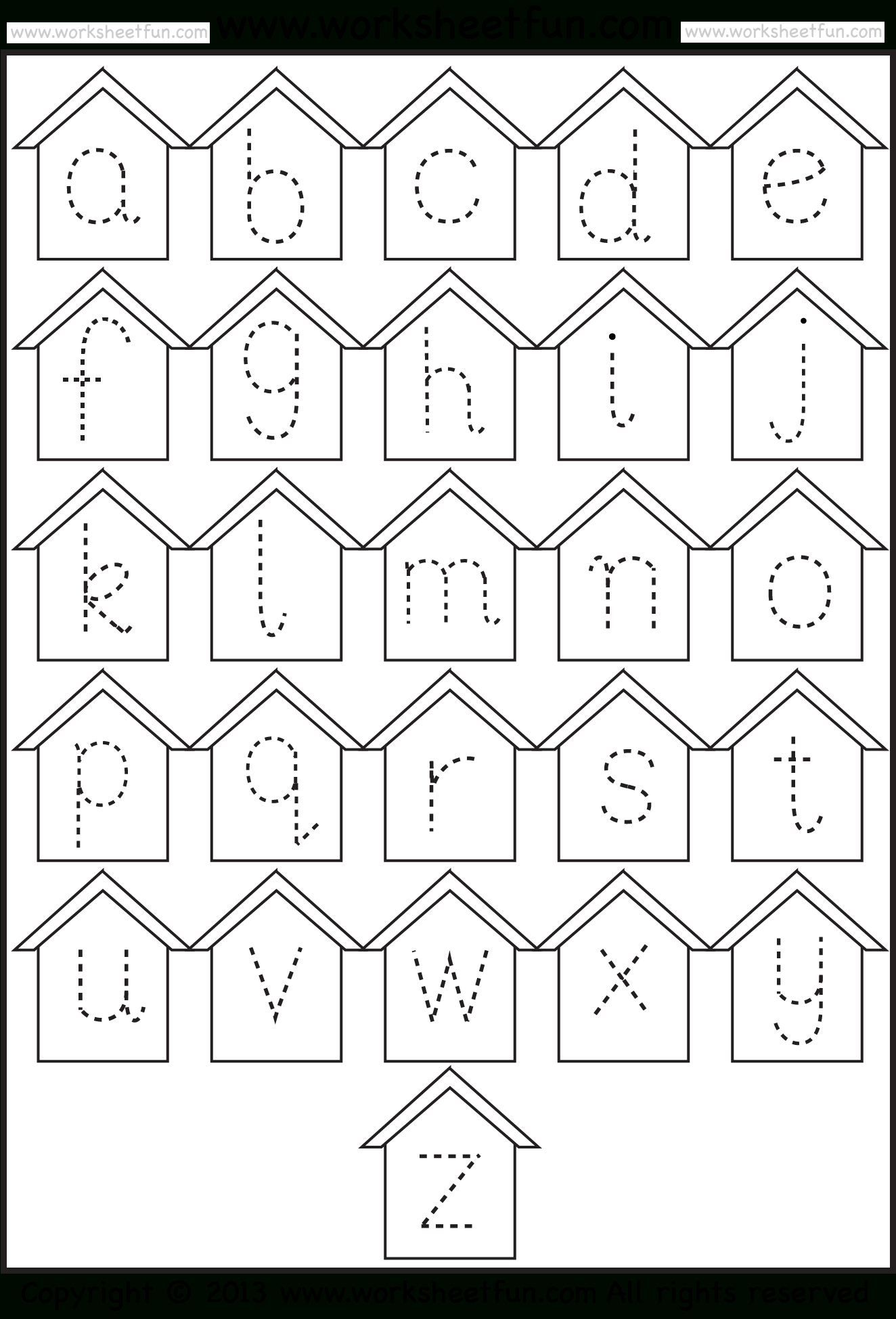
Understanding the Layout of Lowercase Alphabet Writing Practice Worksheets
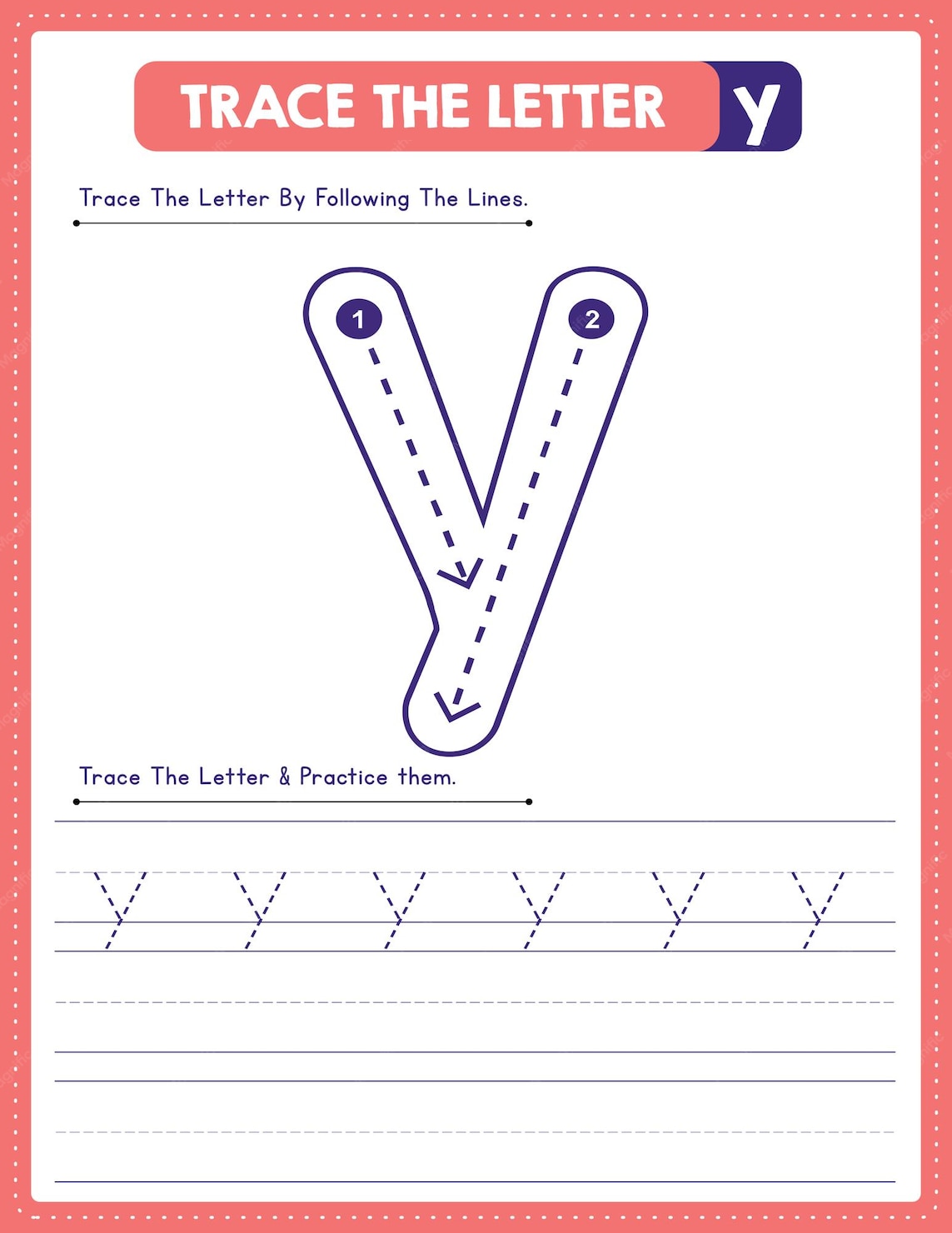
When you first glance at these worksheets, you’ll notice a clear, engaging layout that facilitates learning. Each worksheet typically includes a series of rows for letter formation, with ample space for children to practice writing each letter multiple times.
The common structure includes:
- Letter Guides: Most worksheets feature dotted or dashed lines indicating where to start and stop each stroke. This visual guide helps children understand the correct formation of each letter.
- Repetition Spaces: There are often multiple lines provided for each letter, allowing students to practice writing it several times. This repetition is crucial as it reinforces muscle memory.
- Illustrative Elements: Some worksheets may include images or words that start with the corresponding letter, which not only aids in letter recognition but also makes the activity more enjoyable.
The thoughtful design elements of these worksheets are tailored to keep students engaged while providing them with the necessary tools to practice their writing skills.
The Importance of Spaced Repetition in Learning
Using Lowercase Alphabet Writing Practice Worksheets effectively involves incorporating spaced repetition into your teaching strategy. Rather than having students complete all the worksheets in one sitting, it’s beneficial to spread their practice across several days or weeks.
Here’s why spaced repetition matters:
- Reinforcement: By revisiting each letter over time, students are more likely to retain what they’ve learned. This method prevents the frustration of trying to master all letters at once and instead builds confidence as they progress.
- Variety in Practice: Incorporating different worksheets that focus on specific letters or combinations can help maintain interest. For instance, you might focus on a few letters each week, gradually introducing new ones.
- Tracking Progress: Keeping a weekly log of which letters have been mastered allows teachers and parents to see improvement over time. This not only motivates students but also helps identify areas that need further attention.
Encouraging your students to return to these worksheets at regular intervals will yield better results in their writing abilities.
Practical Tips for Using Lowercase Alphabet Writing Practice Worksheets
To maximize the effectiveness of these worksheets, consider the following practical tips:
- Choose the Right Paper: Opt for heavier paper, such as cardstock, especially if you plan to laminate the worksheets for repeated use. This makes them sturdier and easier for young hands to handle.
- Use the Right Writing Tools: Encourage students to use pencils initially, as they can easily erase mistakes. Once they become more proficient, consider transitioning to colored pencils or markers to make the practice more fun.
- Incorporate Interactive Activities: Pair the worksheets with interactive activities such as letter scavenger hunts or alphabet songs. This holistic approach caters to different learning styles and keeps the practice dynamic.
- Provide Feedback: As students practice, offer constructive feedback. Highlight areas of improvement while also celebrating their successes. This positive reinforcement fosters a love for learning.
Implementing these strategies alongside the worksheets can significantly enhance the learning experience for your students.
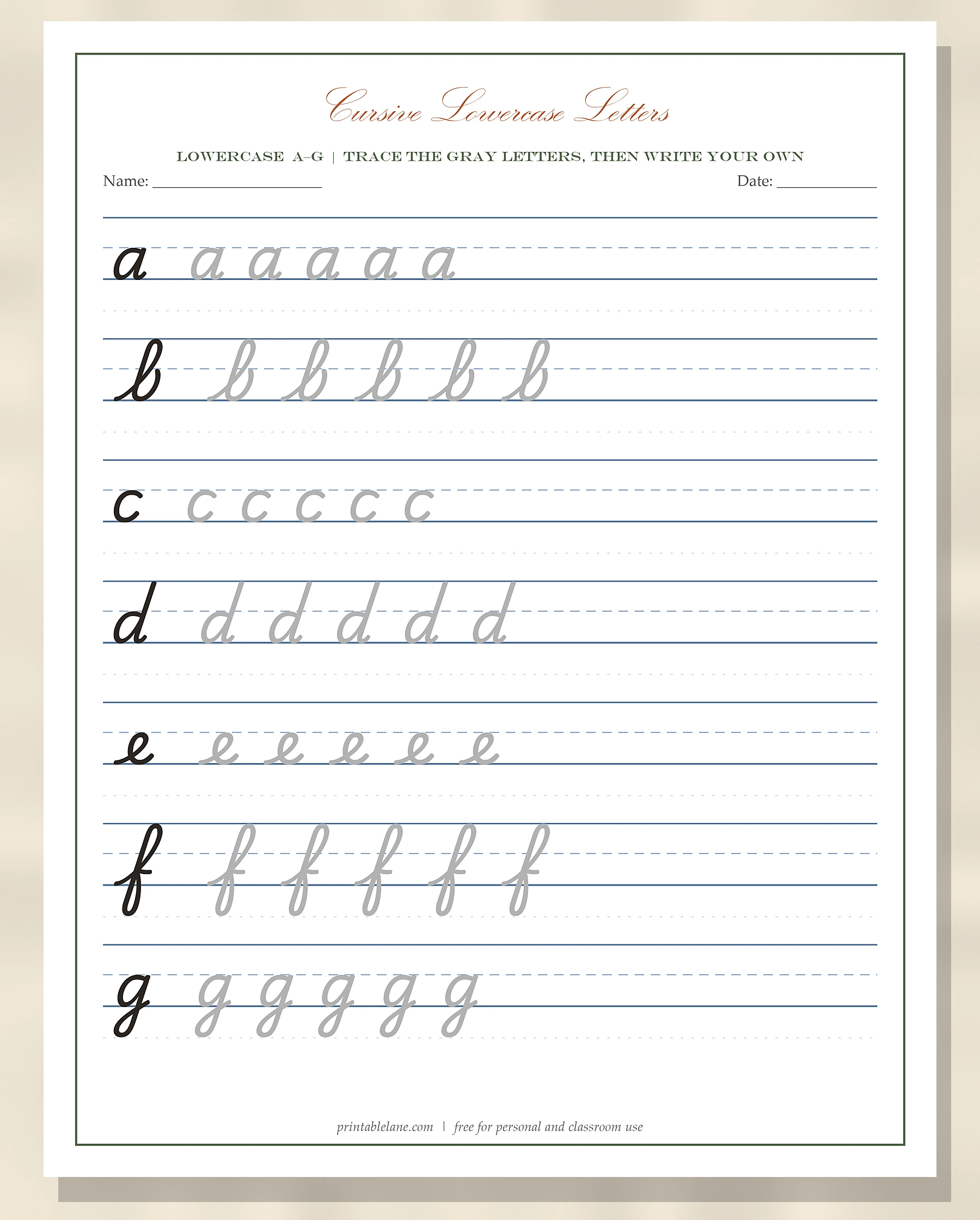
Adapting Worksheets for Different Learning Environments
Lowercase Alphabet Writing Practice Worksheets can be effectively utilized in various settings, including traditional classrooms, homeschooling environments, and even during remote learning.
- In the Classroom: Distribute worksheets during literacy centers or as homework assignments. Pair students for peer review to promote collaboration and discussion about letter formation.
- At Home: Parents can use these worksheets to supplement their child’s learning. Setting aside time each day for writing practice can help reinforce what children learn in school.
- Remote Learning: For virtual classrooms, these worksheets can be sent digitally. Students can print them out at home or complete them using digital tools if available.
No matter the setting, the versatility of these worksheets makes them a valuable asset in teaching lowercase letter formation.
By integrating Lowercase Alphabet Writing Practice Worksheets into your educational toolkit, you can create a structured, engaging environment that fosters early literacy skills. The thoughtful design and repetition strategies enhance students’ writing abilities, ensuring they develop a strong foundation for their future learning. Whether used in a classroom, at home, or online, these worksheets are a practical choice for educators dedicated to nurturing young learners. Consider the various ways you can implement them to meet the diverse needs of your students.