
When it comes to teaching young children the fundamentals of writing, having the right resources is essential. The Lowercase Alphabet Tracing Worksheets A-Z stand out due to their thoughtful design and clear layout, making them ideal for both classroom and home use. These worksheets provide a structured approach to help kids develop their handwriting skills while learning the alphabet in a fun and engaging way.
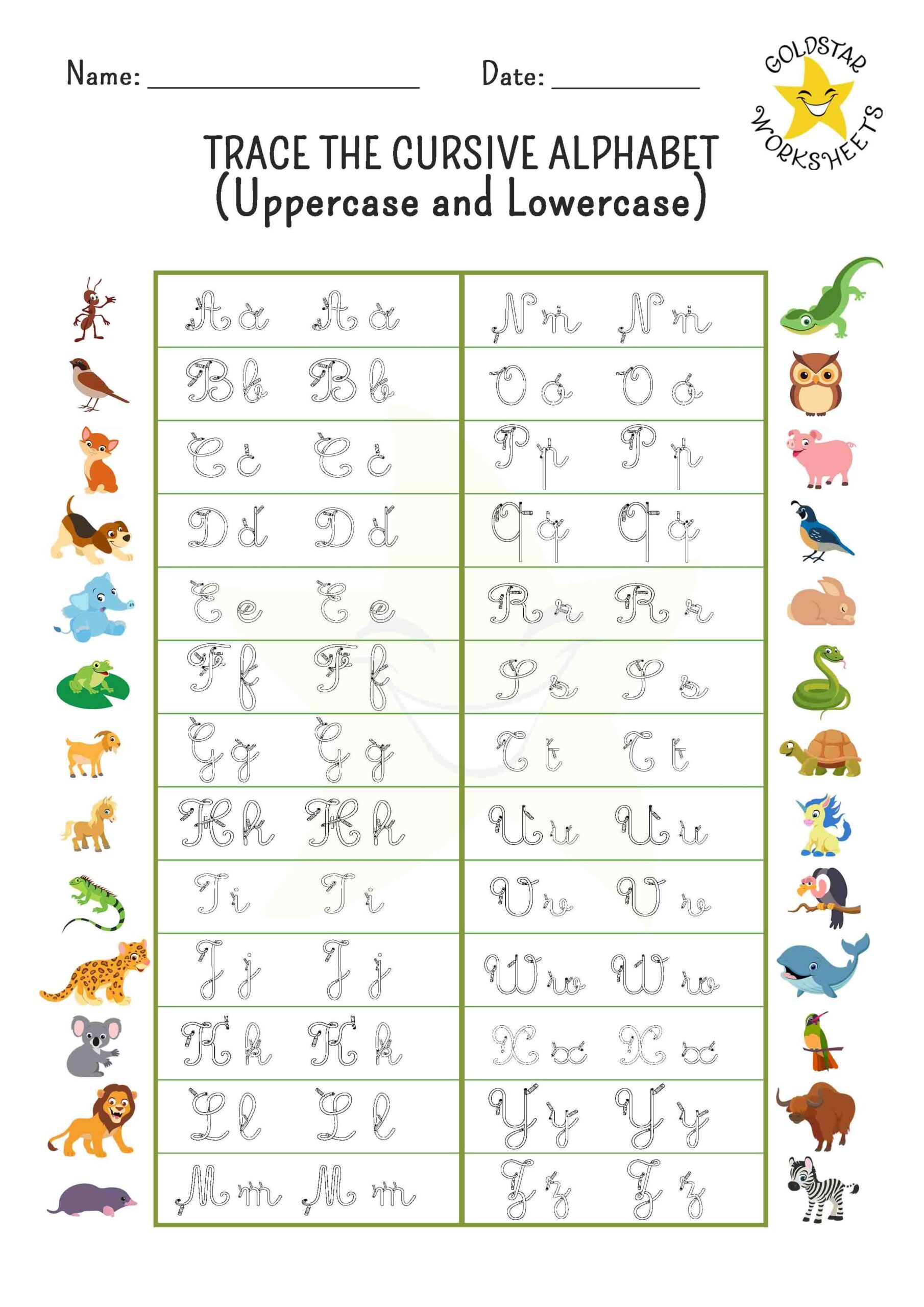
Understanding the Layout of the Worksheets
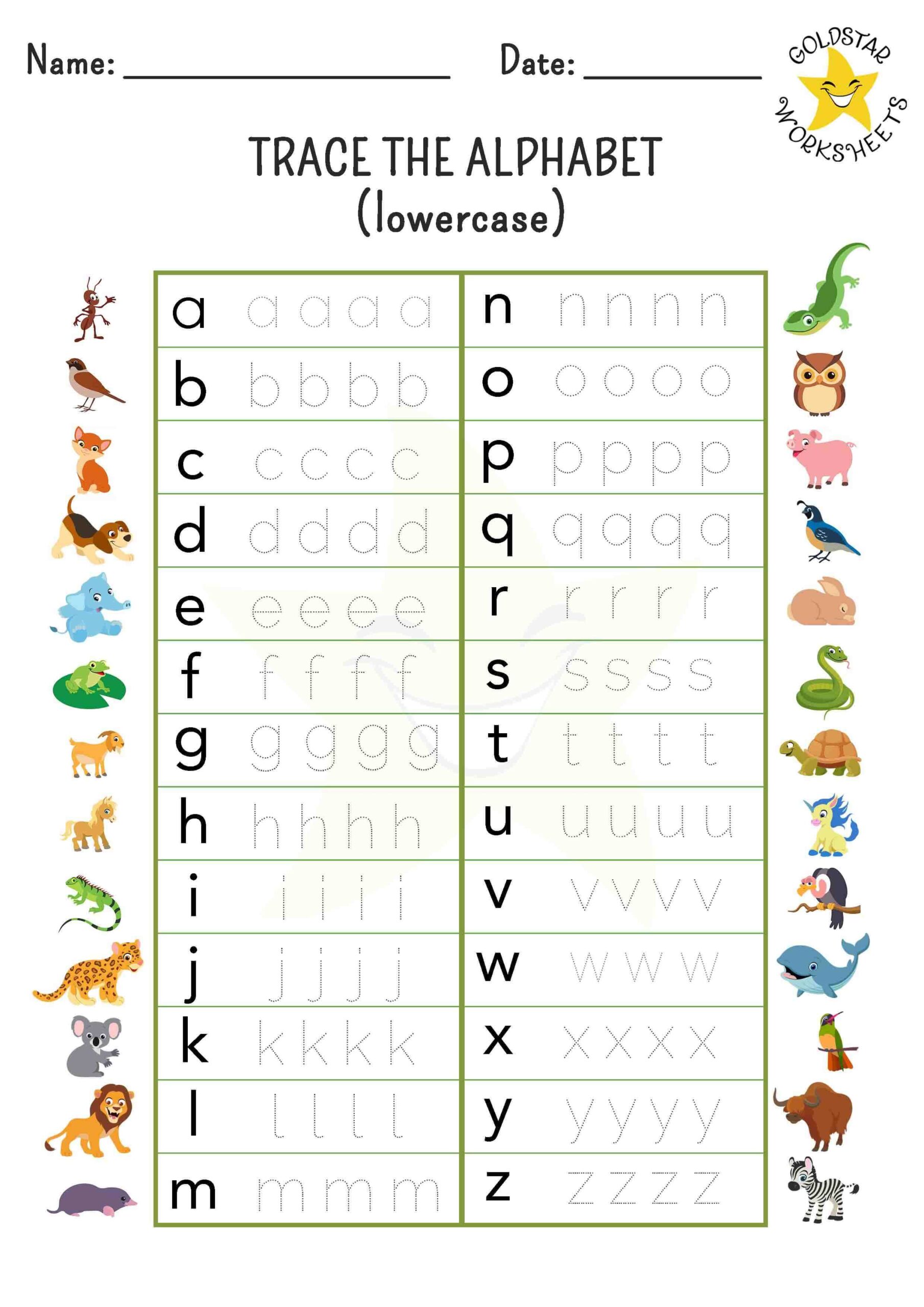
The design of the Lowercase Alphabet Tracing Worksheets A-Z is straightforward and user-friendly. Each worksheet typically features a large, clear letter at the top of the page, accompanied by directional arrows that guide students on how to form each letter correctly. This visual aid is crucial for young learners who are just beginning to understand letter formation.
Additionally, the tracing area is often lined, allowing children to practice writing the letters multiple times. This not only reinforces muscle memory but also helps them grasp the concept of proper spacing between letters and words. The consistent format across all worksheets means that students can easily transition from one letter to the next without confusion.
Age Appropriateness and Skill Development
These worksheets are best suited for preschool and kindergarten students, typically aged 4 to 6 years. At this stage, children are developing fine motor skills that are vital for writing. The Lowercase Alphabet Tracing Worksheets A-Z help in several ways:
- Fine Motor Skills: Tracing letters requires controlled hand movements, which strengthen the muscles in the hands and fingers. This is crucial for later writing tasks.
- Letter Recognition: As children trace each letter, they become more familiar with the shape and sound of the alphabet, enhancing their phonetic awareness.
- Confidence Building: Completing each worksheet provides a sense of accomplishment. Kids gain confidence in their writing abilities as they see their progress.
Bulk Printing and Classroom Use
One of the practical aspects of the Lowercase Alphabet Tracing Worksheets A-Z is their suitability for bulk printing. If you’re preparing for a full class, consider the following tips:
- Paper Type: Standard printer paper works well, but if you anticipate heavy use, opt for cardstock. This material is more durable and can withstand repeated handling.
- Print Settings: Set your printer to “portrait” layout for optimal use of space on the page. Ensure that the print quality is set to high for clear letter outlines.
- Lamination: For a reusable option, consider laminating the worksheets. This allows students to trace with dry-erase markers, making them suitable for multiple uses.
Having these worksheets printed and ready to go can streamline your lesson planning and ensure that every student has access to the same quality resources.
Grading and Review Process
Grading handwriting can sometimes be subjective, but the Lowercase Alphabet Tracing Worksheets A-Z can assist in making this process smoother. When reviewing students’ work, focus on the following elements:
- Letter Formation: Check if the letters are correctly formed according to the directional arrows provided. Consistency in shape is key.
- Spacing: Look for proper spacing between letters and words. This helps in developing overall writing fluency.
- Effort and Improvement: Encourage students by recognizing their effort and progress. If a child struggles with a specific letter, consider additional practice worksheets focused on that letter.
Providing constructive feedback not only helps students improve but also motivates them to keep practicing.
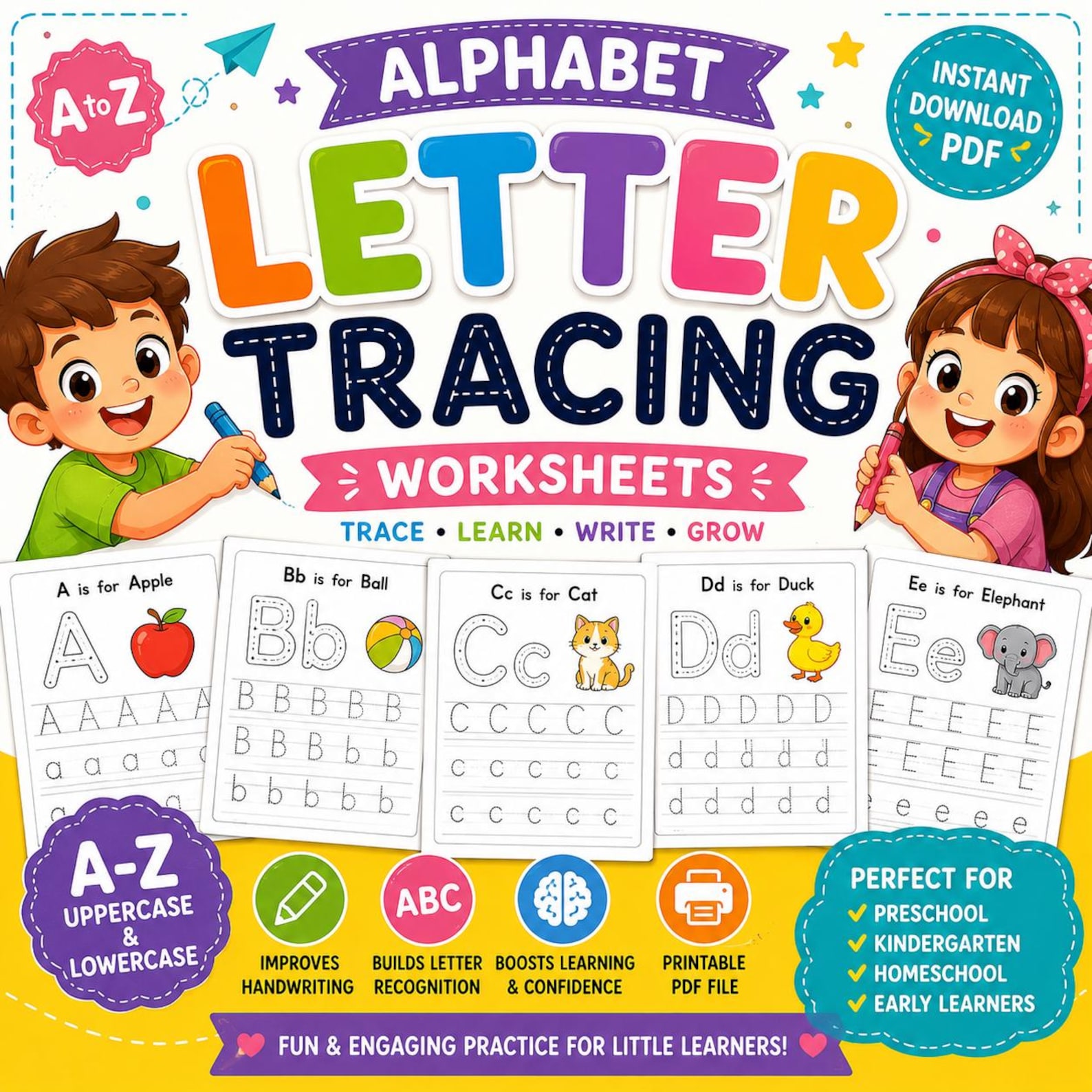
Additional Activities to Enhance Learning
To complement the tracing worksheets, consider incorporating additional activities that reinforce letter recognition and writing skills. Here are a few ideas:
- Letter Crafts: Have students create crafts based on each letter. For example, they could make an apple for the letter “a” or a butterfly for “b.” This adds a tactile element to their learning.
- Alphabet Games: Engage students with games that involve identifying letters in their environment. A scavenger hunt for items beginning with specific letters can be both educational and fun.
- Story Time: Read books that focus on the alphabet. This helps children associate letters with sounds and words, enhancing their literacy skills.
By integrating these activities with the Lowercase Alphabet Tracing Worksheets A-Z, you create a rich learning environment that promotes early literacy in a dynamic way.
In summary, the Lowercase Alphabet Tracing Worksheets A-Z serve as a foundational tool for teaching young children how to write. Their clear layout, age-appropriate design, and versatility in classroom settings make them invaluable for educators and parents alike. One specific detail to consider is that many of these worksheets can be easily adapted for different skill levels by adjusting the amount of tracing provided, catering to both beginners and those ready for a challenge.