
Lower Case A Alphabet Worksheets are essential resources for early literacy development, particularly for preschool and kindergarten students. These worksheets typically come in standard letter-size pages (8.5 x 11 inches) and are designed to provide engaging activities that help young learners recognize, write, and understand the lower case letter ‘a’. By incorporating these worksheets into daily lessons, teachers and parents can effectively reinforce letter recognition and phonemic awareness.
Understanding the Structure of Lower Case A Alphabet Worksheets
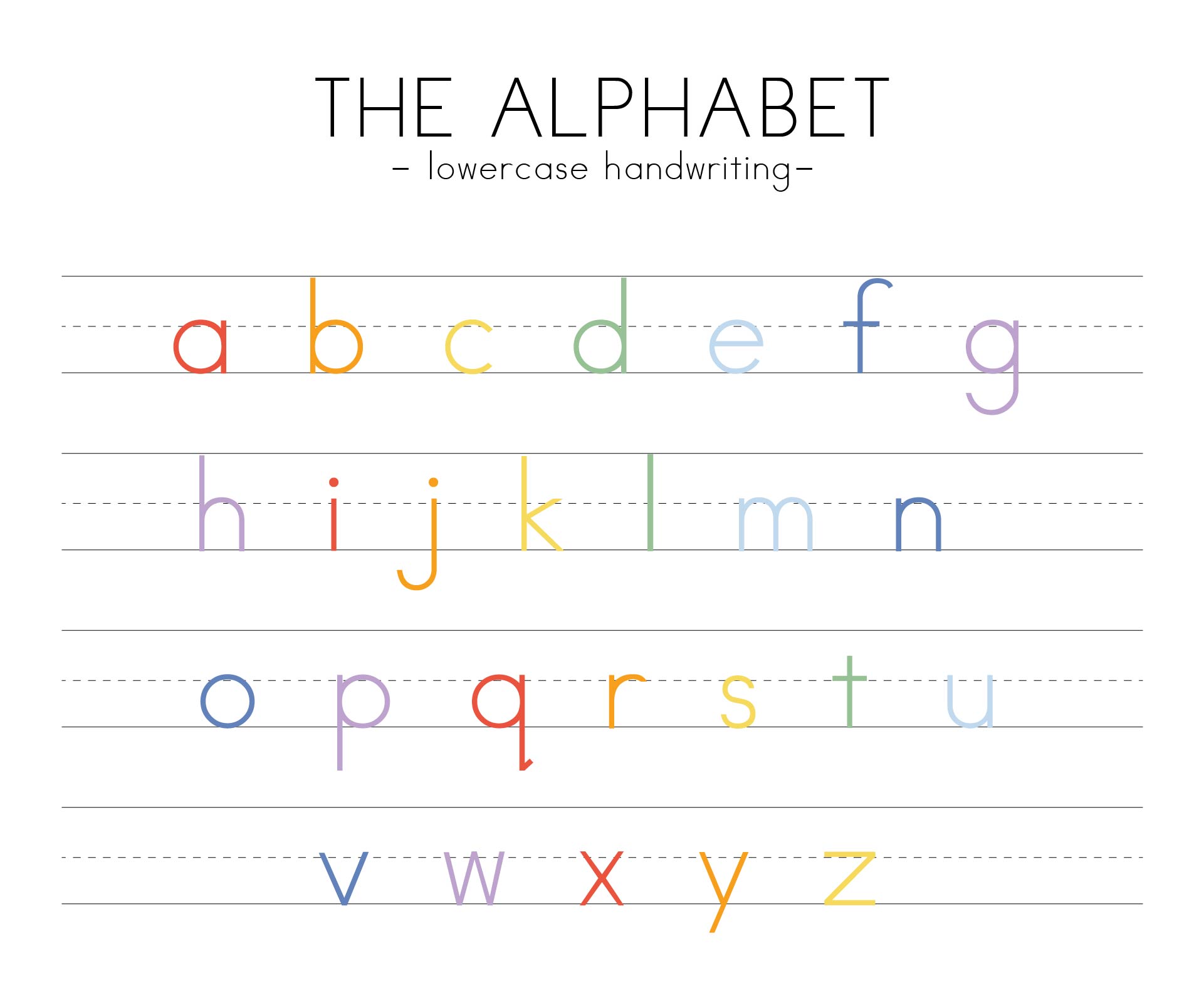
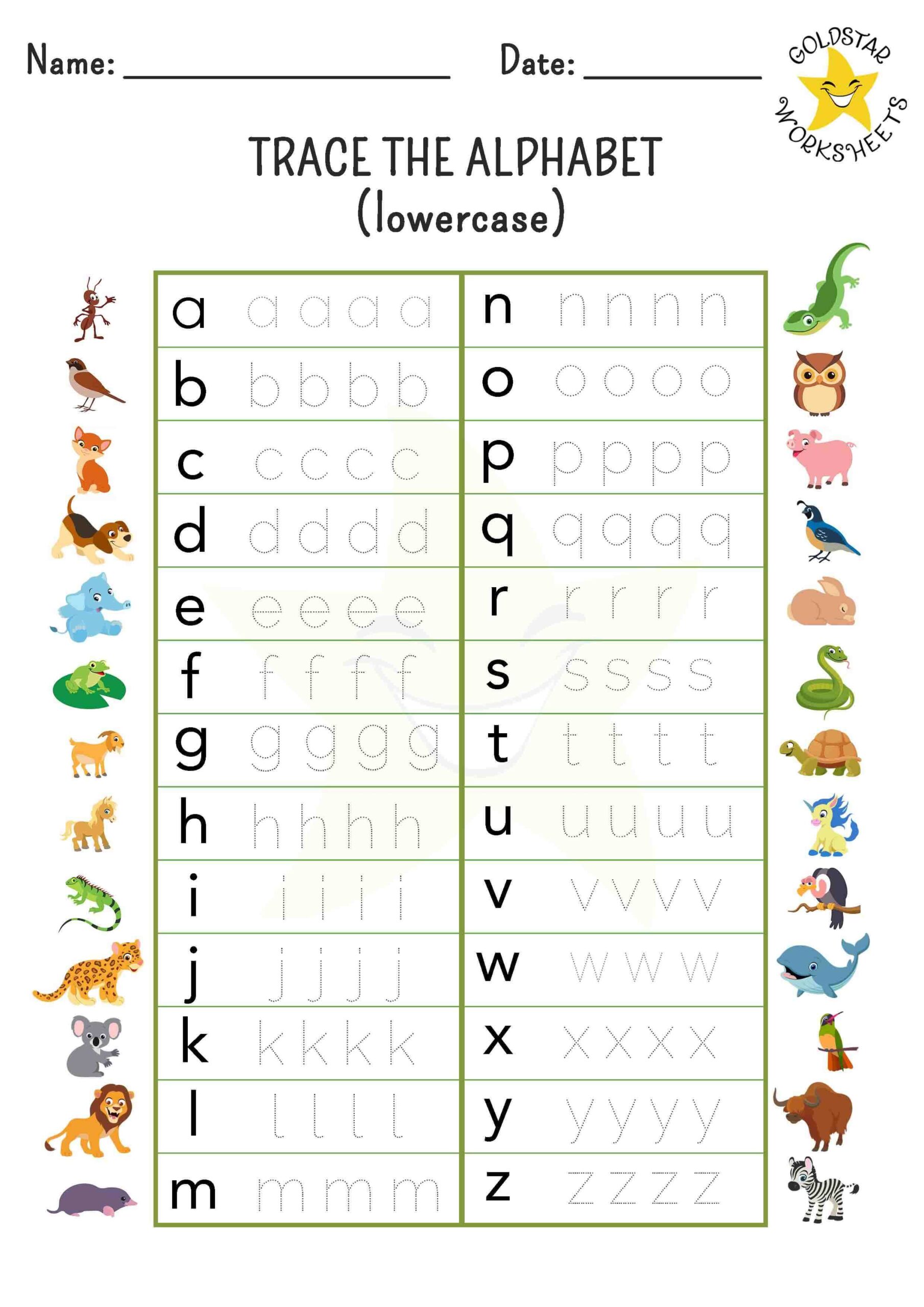
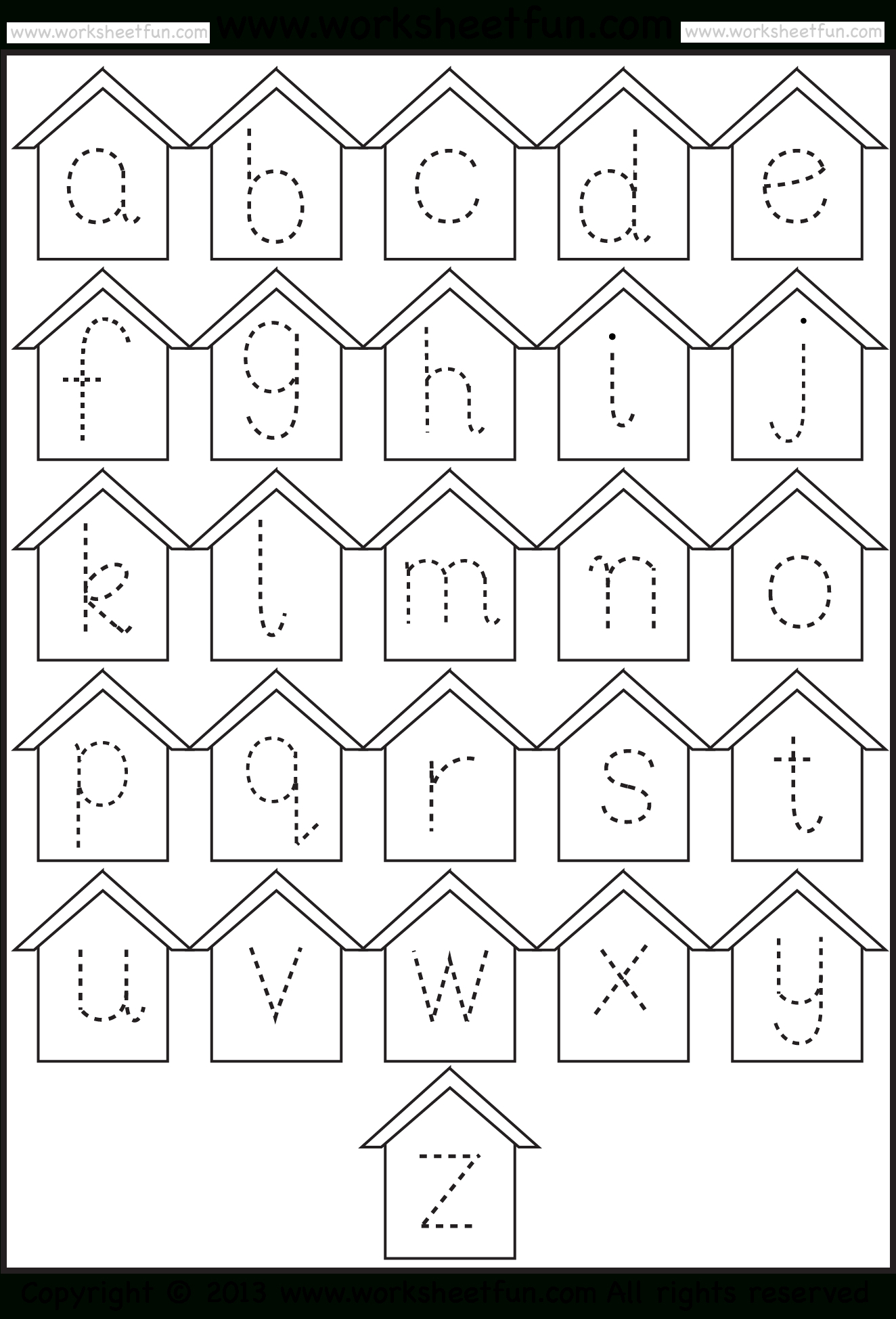
The layout of these worksheets is thoughtfully designed to maximize learning and retention. Most worksheets feature a clear, bold letter ‘a’ at the top, accompanied by dotted lines for tracing. This encourages children to practice their handwriting while simultaneously reinforcing the shape of the letter. Additional sections often include activities such as:
- Coloring: Coloring images that begin with the letter ‘a’ (like an apple or an ant) helps children associate the letter with corresponding words.
- Matching: Activities that require students to match words or images with the letter ‘a’ solidify their understanding of phonics and vocabulary.
- Fill-in-the-blanks: Simple sentences where students fill in missing letters or words encourage reading comprehension.
By diversifying the activities, these worksheets cater to various learning styles, ensuring that each child can engage with the material in a way that resonates with them.
Benefits of Using Lower Case A Alphabet Worksheets
Integrating Lower Case A Alphabet Worksheets into lesson plans offers numerous benefits. Firstly, they provide structured practice, allowing kids to develop fine motor skills through tracing and writing. This is crucial for young learners, as mastering these skills lays the foundation for future writing tasks.
Furthermore, repetition is key in early education. By spacing out the practice of the letter ‘a’ over several days or weeks, students can reinforce their learning. Teachers can assign different worksheets each day, gradually increasing the complexity of tasks. For instance, a simple tracing worksheet could be followed by a matching activity, leading up to fill-in-the-blank sentences. This progressive approach helps solidify their understanding of the letter in various contexts.
How to Integrate Worksheets Into Daily Learning
When utilizing Lower Case A Alphabet Worksheets, consider incorporating them into a broader literacy curriculum. Here are some practical tips for effective integration:
- Weekly Themes: Assign a weekly theme around the letter ‘a’. Each day, focus on different activities that emphasize the letter, such as tracing, coloring, or reading books that feature words starting with ‘a’.
- Group Activities: Use these worksheets in group settings for collaborative learning. Children can work together to complete the worksheets, sharing ideas and helping each other.
- Assessment: Monitor progress by reviewing completed worksheets. This not only helps track individual student development but also allows for targeted support where needed.
By embedding these worksheets into a structured learning environment, educators can enhance student engagement and foster a love for learning.
Choosing the Right Format for Your Needs
Lower Case A Alphabet Worksheets are available in various formats, including printable PDFs and editable versions. When selecting the right format, consider the following:
- Printable PDFs are typically the easiest to use. They maintain formatting across devices, ensuring that all students receive the same quality of materials. They can be printed on standard paper or cardstock for increased durability, especially for repeated use.
- Editable Versions allow for customization, giving teachers the flexibility to adjust worksheets according to the specific needs of their classroom. This can include changing images or altering difficulty levels to cater to different learning paces.
Regardless of the format chosen, ensure that the worksheets are visually appealing and age-appropriate, with colorful designs that capture children’s interest.