
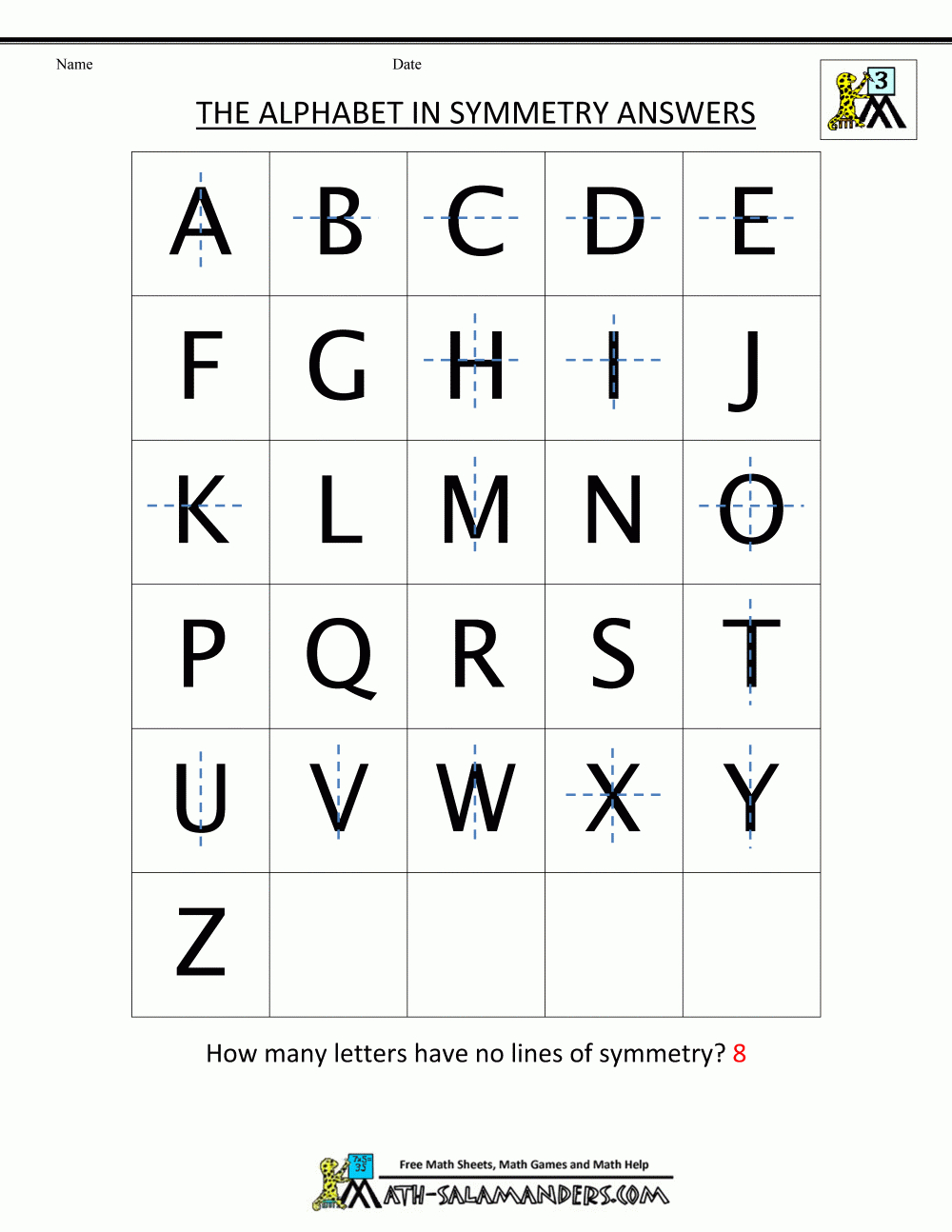
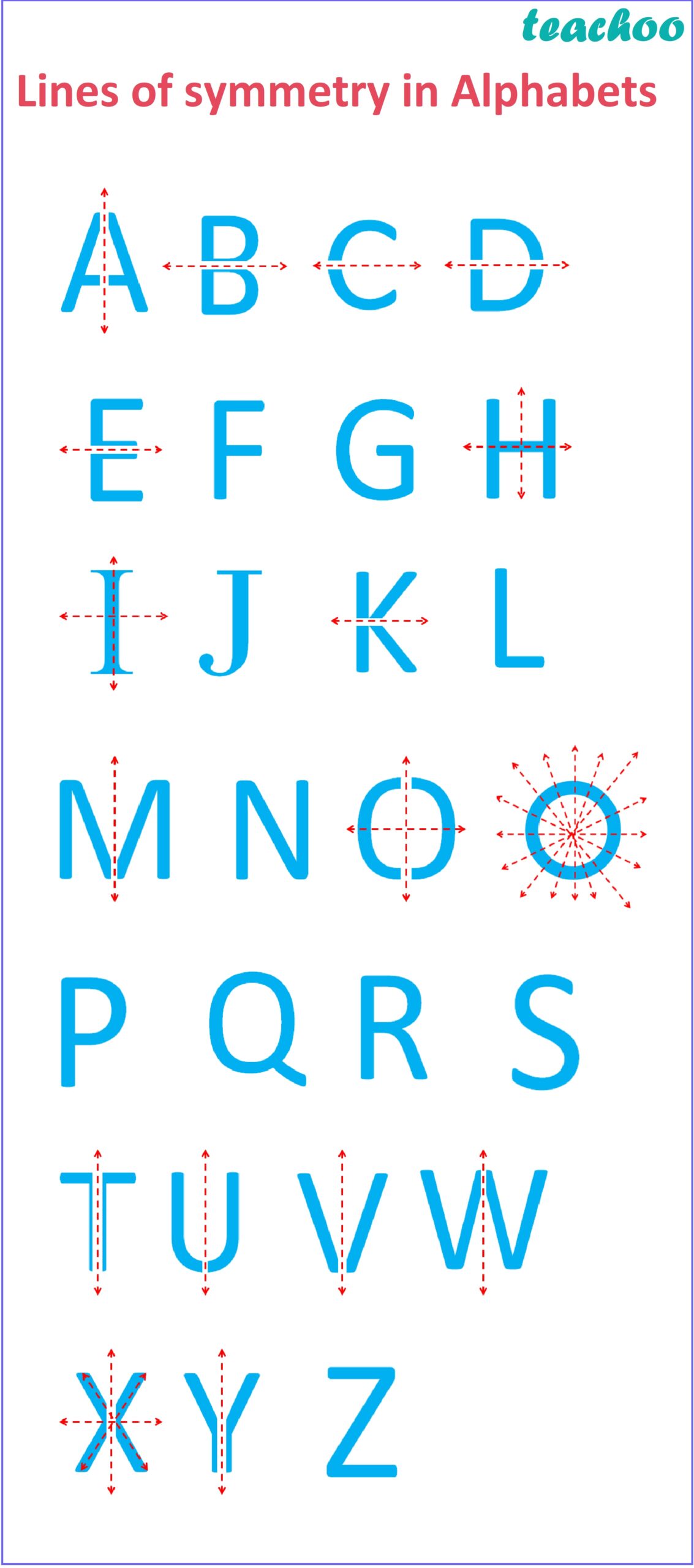
Understanding symmetry in letters can enhance students’ appreciation of shapes and improve their overall geometry skills. The Lines Of Symmetry In The Alphabet Worksheet is an effective tool for teachers and parents alike, offering a hands-on approach to learning. This resource helps children identify symmetrical letters, reinforcing their understanding of this essential mathematical concept.
What Is Symmetry and Why Is It Important?
Symmetry refers to a balanced arrangement of parts on either side of a central line. In the context of the alphabet, symmetry plays a crucial role in helping students visualize and understand shapes. Recognizing symmetrical letters can enhance spatial awareness and critical thinking skills, essential components in mathematics.
When teaching young learners, especially those in kindergarten through second grade, emphasizing symmetry can make learning more engaging. This worksheet serves as an introduction to these concepts, allowing students to explore symmetry through letters in a fun, interactive way.
What to Expect From the Worksheet
The Lines Of Symmetry In The Alphabet Worksheet typically includes several activities designed to engage students and facilitate learning. Here’s what you can expect:
- Identification of Symmetrical Letters: Students will be asked to identify letters that have lines of symmetry. This can include letters like A, B, C, and D.
- Drawing and Coloring Activities: The worksheet may feature images of letters that students can color or trace to reinforce their learning.
- Practical Examples: Real-life examples of symmetry in nature and architecture can be included to connect classroom learning with the world outside.
These activities are designed to cater to a variety of learning styles, ensuring that all students can engage with the material in a way that suits them.
How to Use the Lines Of Symmetry In The Alphabet Worksheet
Using this worksheet effectively involves a few straightforward steps. Here’s how you can implement it in your teaching or homeschooling routine:
Step 1: Download and Print the Worksheet
Begin by downloading the worksheet from a reliable resource website. It is typically available in PDF format, making it easy to print without any formatting issues. A standard paper size of 8.5 x 11 inches works best for most home printers. For durability, consider printing on cardstock, especially if you plan to reuse the worksheet.
Step 2: Introduce the Concept of Symmetry
Before diving into the worksheet activities, spend some time discussing symmetry with your students. Use visual aids, such as pictures or physical objects, to illustrate symmetrical and asymmetrical shapes. This foundational knowledge will help them grasp the concept more effectively.
Step 3: Engage With the Worksheet Activities
Encourage students to work through the worksheet at their own pace. Here are some tips for making the most out of the activities:
- Group Work: Pair students together to discuss their answers. This encourages collaboration and allows them to learn from each other.
- Hands-On Learning: Provide mirrors or folding paper to help students visualize symmetry actively. They can see how letters fold upon themselves along lines of symmetry.
- Coloring and Creativity: Allow students to express their creativity by coloring symmetrical letters, which reinforces the concept while keeping them engaged.
Step 4: Review and Discuss
After completing the worksheet, hold a class discussion or a reflection session. Ask students to share their thoughts on which letters were symmetrical and why they think symmetry is important. This reinforces their understanding and encourages critical thinking.
Additional Activities to Reinforce Learning
To further reinforce the concept of symmetry, consider integrating additional activities into your lesson plan. Here are a few ideas:
- Symmetry Art Projects: Have students create art using symmetrical patterns. They can use paint, collage, or digital tools to explore symmetry creatively.
- Real-World Scavenger Hunt: Organize a scavenger hunt where students find symmetrical objects around the classroom or outside.
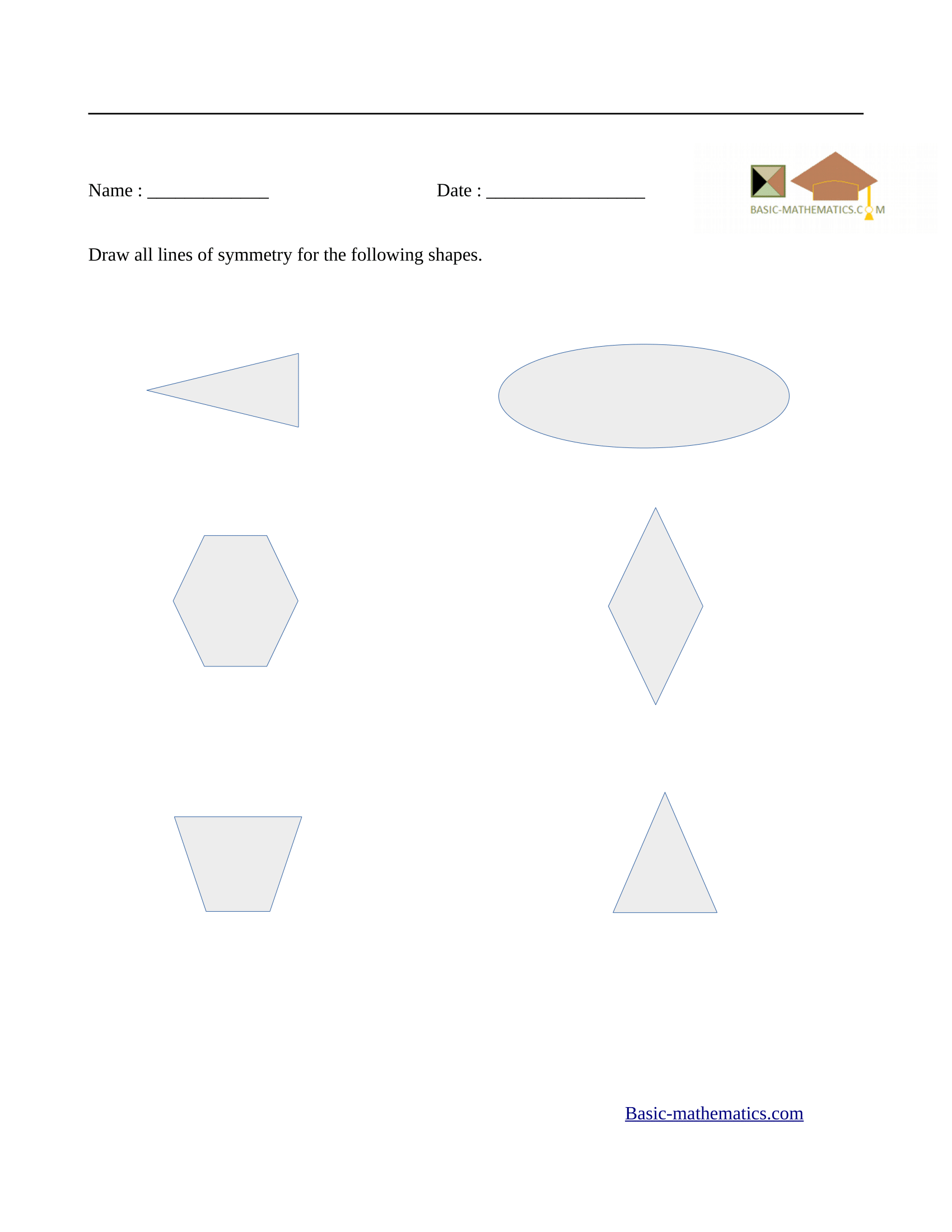
- Symmetry Games: Incorporate games that focus on symmetry, such as matching symmetrical shapes or completing puzzles.
These activities can help solidify the concept of symmetry in a memorable and enjoyable way.