
Creating a worksheet tailored to teaching letters of the alphabet is essential for early childhood education. The Letters Of The Alphabet Worksheet Generator provides a straightforward way for teachers and parents to create customized worksheets that cater to the specific needs of their students. With a focus on engaging young learners, this resource can be invaluable in helping them develop foundational literacy skills.
Understanding the Importance of Alphabet Worksheets
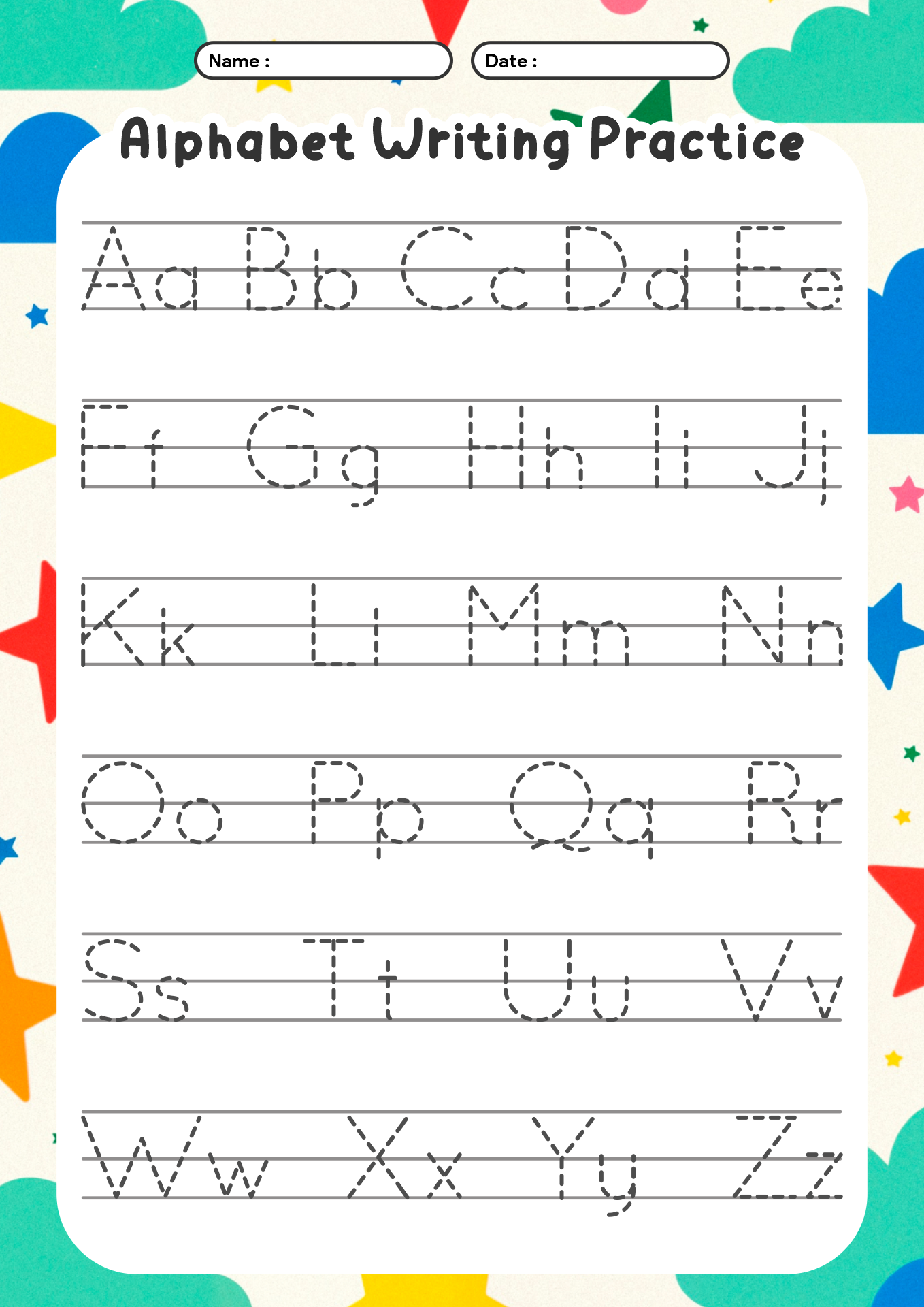
Alphabet worksheets play a crucial role in developing a child’s reading and writing abilities. These worksheets allow children to practice recognizing letters, both uppercase and lowercase, and help them learn the sounds associated with each letter. This skill is fundamental as it sets the stage for future reading success.
When using a worksheet generator, you have the flexibility to create materials that cater to different learning styles and levels. For instance, younger children may benefit from worksheets that include visual aids, such as pictures corresponding to each letter, while older children might engage better with more complex exercises, such as fill-in-the-blank or matching activities.
How to Use the Letters Of The Alphabet Worksheet Generator
Using the Letters Of The Alphabet Worksheet Generator is a simple process that can be completed in just a few steps. Here’s how to get started:
- Choose Your Format: Decide whether you need a single worksheet or multiple pages. The generator usually offers options for both, so consider the needs of your students.
- Select Your Content: Customize the content of your worksheets. You can choose to include activities like tracing, matching, or coloring. Think about what will engage your students the most.
- Download and Print: Once you’ve customized your worksheets, download them in the preferred format, typically PDF. This format is reliable for printing, ensuring that the worksheets maintain their layout.
- Setup: Prepare the worksheets for classroom or home use. You might want to laminate them if they will be used multiple times, especially for activities like tracing.
- Engagement: Introduce the worksheets to your students. Explain the tasks clearly and provide examples. Encourage them to ask questions if they need clarification.
Types of Activities to Include in Your Worksheets
To make the most out of the Letters Of The Alphabet Worksheet Generator, consider incorporating a variety of activities that cover different aspects of letter learning:
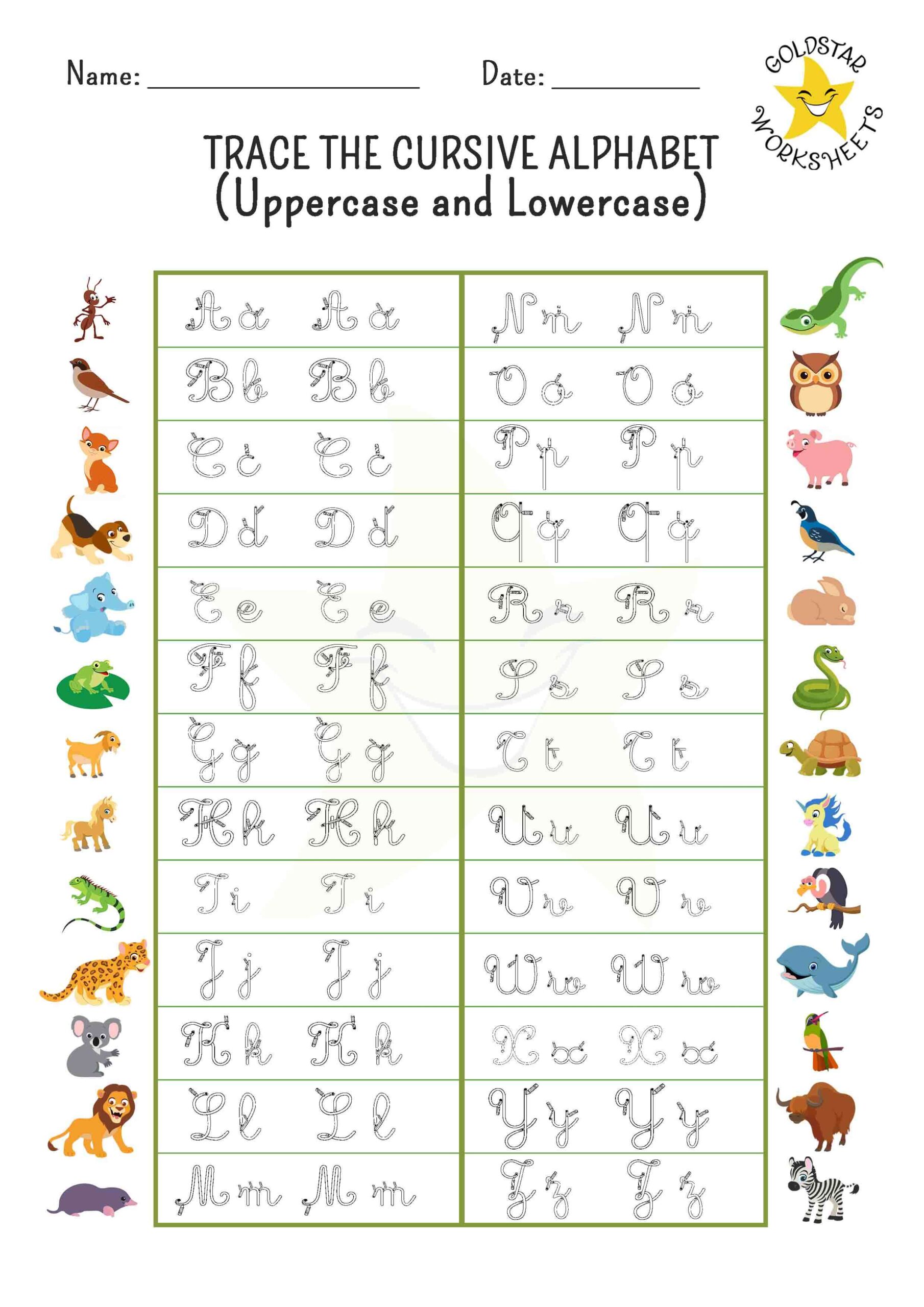
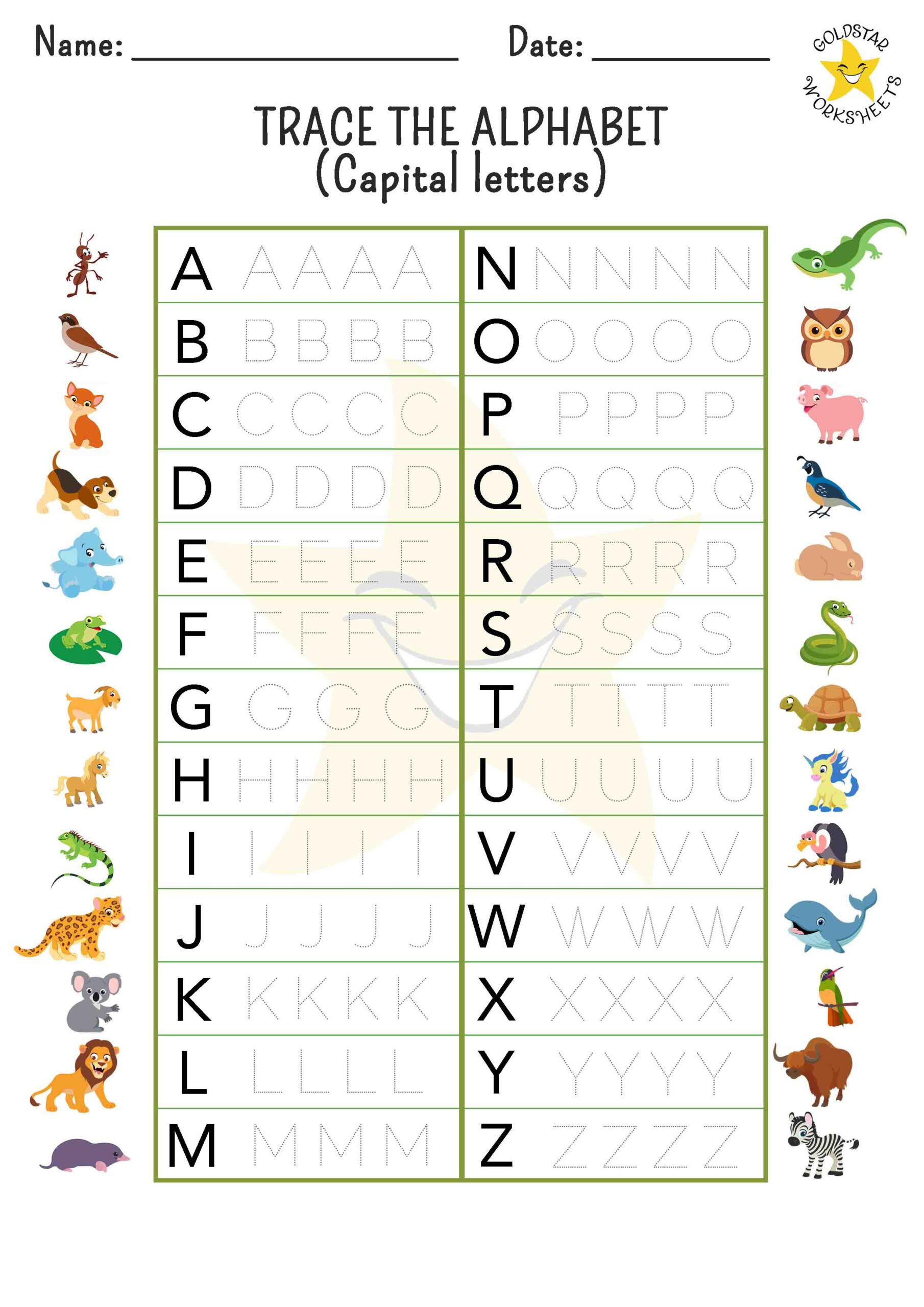
- Tracing Letters: Provide outlines of letters for students to trace. This helps with fine motor skills and reinforces letter recognition.
- Matching Games: Include images that start with each letter and have students match the letters to the corresponding pictures. This reinforces the connection between letters and sounds.
- Fill-in-the-Blanks: Create sentences with missing letters, prompting students to fill in the gaps. This can help with phonemic awareness and spelling.
- Coloring Pages: Include a fun aspect by adding coloring pages featuring letters and related objects. This keeps students engaged while they learn.
- Letter Sorting: Ask students to categorize letters based on specific criteria, such as vowels versus consonants. This can aid in their understanding of letter functions.
Assessing Progress With Alphabet Worksheets
As you use the worksheets, it’s crucial to assess how well your students are mastering the letters of the alphabet. Here are some practical methods to evaluate their progress:
- Observational Assessment: Watch how students interact with the worksheets. Are they able to recognize letters? Do they struggle with particular activities? This can give you insight into their understanding.
- Completion Rates: Track how many worksheets each student completes and the accuracy of their answers. This can help you identify who might need extra support.
- Feedback Sessions: Regularly discuss the worksheets with your students. Ask them what they enjoyed and what they found challenging. This can help tailor future worksheets to their needs.
- Progress Over Time: Keep copies of completed worksheets to compare progress over weeks or months. This visual representation can be encouraging for both students and parents.
Tips for Effective Use of the Worksheet Generator
To ensure that you’re maximizing the potential of the Letters Of The Alphabet Worksheet Generator, consider these tips:
- Customize for Different Levels: Tailor the difficulty of the worksheets based on your students’ ages and skill levels. Younger children may need more visual support, while older students can handle more text.
- Use Color Wisely: Bright colors can attract young learners’ attention, but too many can be distracting. Aim for a balance that enhances the learning experience without overwhelming the students.
- Incorporate Real-Life Examples: When possible, connect the letters to real-life objects or situations. This can make the learning experience more relatable and engaging.
- Print on Appropriate Paper: Use cardstock for durability, especially if you plan to laminate the worksheets. This will ensure they withstand frequent use.
- Stay Flexible: Be open to adjusting the worksheets based on how your students respond. If they find a particular activity challenging, consider simplifying it or providing additional support.
By utilizing the Letters Of The Alphabet Worksheet Generator effectively, you can create an engaging and tailored learning experience for your students. This not only helps them master their letters but also instills a love for learning that can carry into their future educational endeavors. One particularly useful detail to remember is that the generator often allows for customization in terms of font styles, enabling you to choose print or cursive letters based on your teaching needs.