
Understanding symmetry is a key concept in early education, and the Letters Of The Alphabet Symmetry Worksheet is a fantastic resource for teachers and parents alike. This worksheet not only reinforces the concept of symmetry but also helps children recognize and practice their letters in a playful manner.
What Is a Symmetry Worksheet?
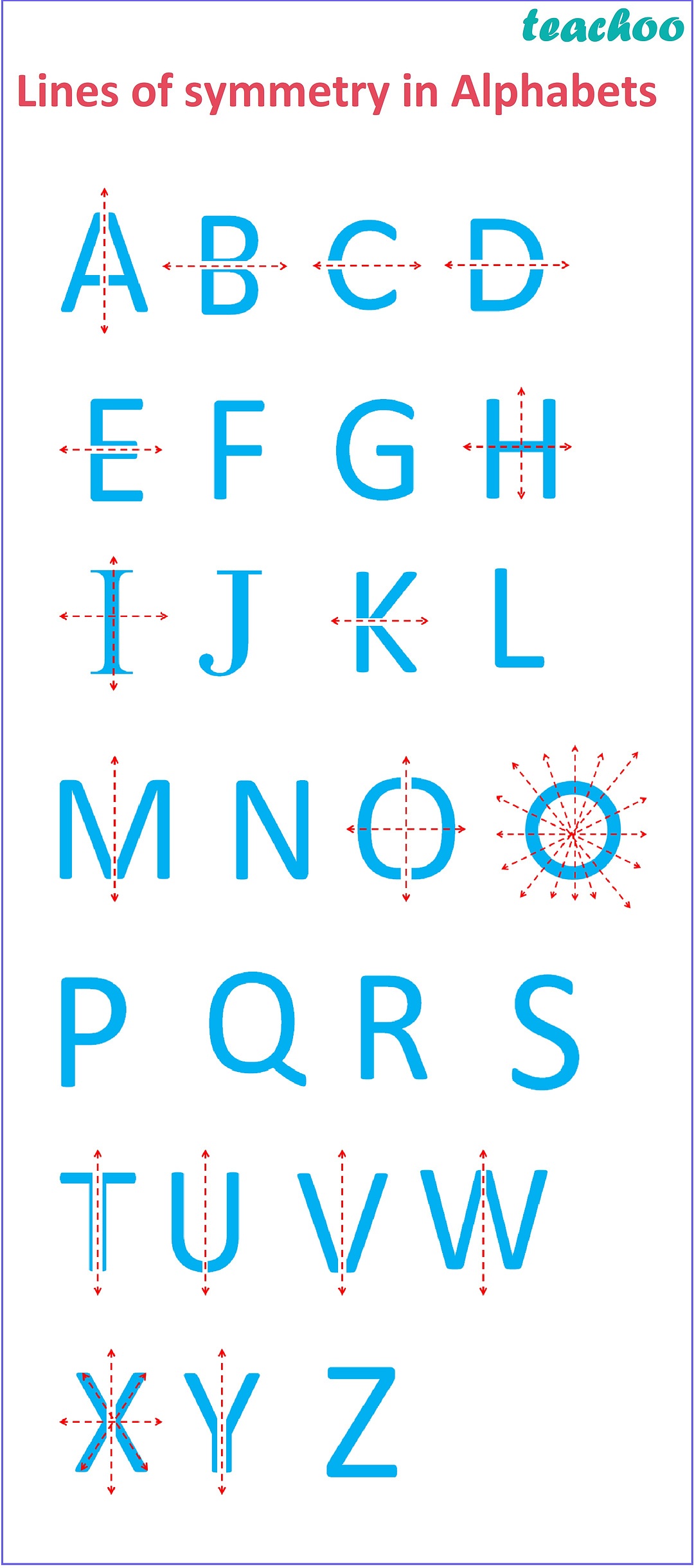
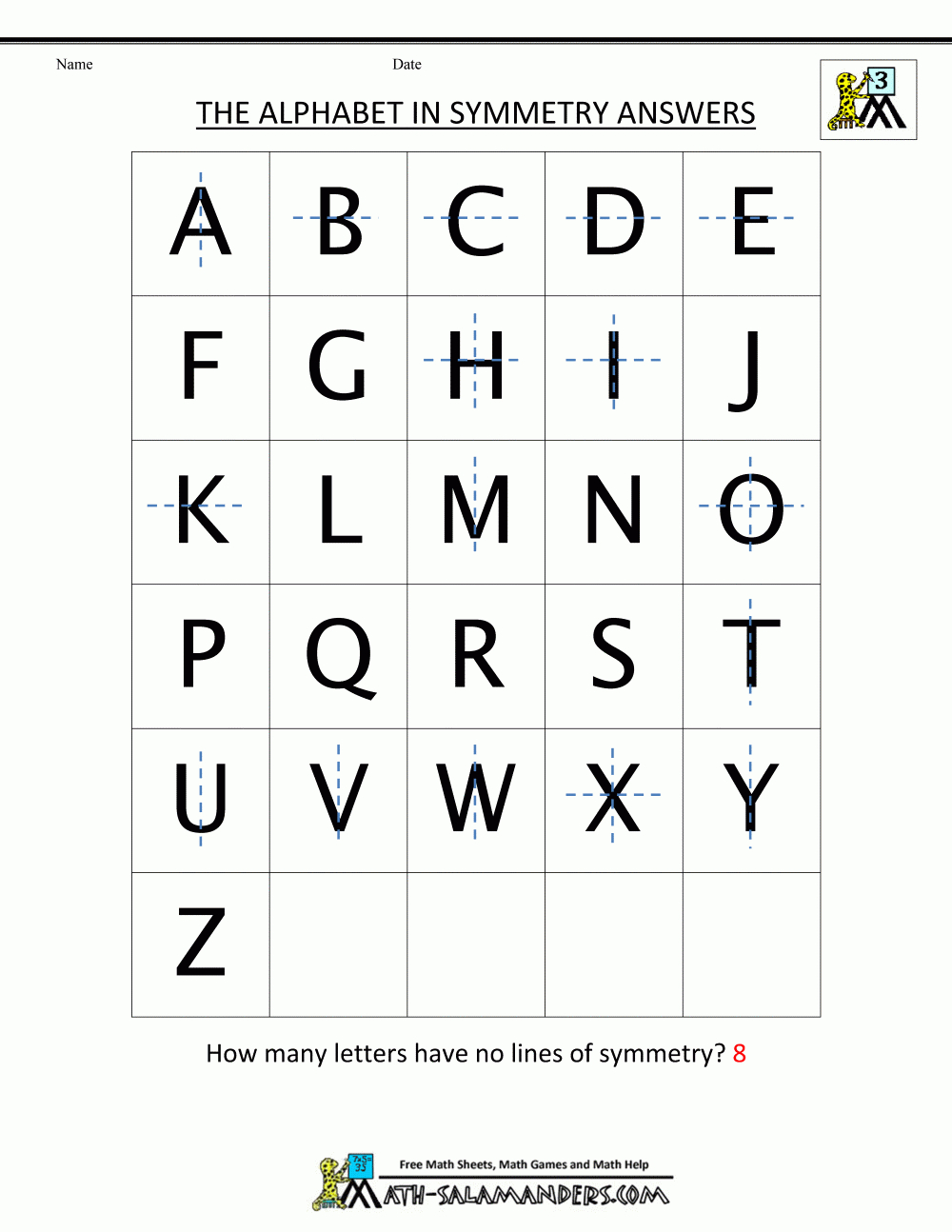
A symmetry worksheet focuses on the ability to identify and create symmetrical shapes and patterns. In the context of the Letters Of The Alphabet Symmetry Worksheet, students will look at letters that exhibit symmetrical properties, such as A, H, and M. The task usually involves drawing lines of symmetry, coloring symmetrical letters, or completing symmetrical patterns. This activity is especially beneficial for children in preschool through early elementary grades (ages 4-7), where foundational skills in geometry and letter recognition are being developed.
How to Use the Letters Of The Alphabet Symmetry Worksheet
Using the Letters Of The Alphabet Symmetry Worksheet effectively requires a bit of planning. Here’s a step-by-step guide to integrate it into your teaching or home learning sessions:
- Preparation: Print the worksheet in advance. Consider using cardstock for durability, especially if you plan on laminating it for repeat use. A standard letter-sized paper (8.5 x 11 inches) works best, as it fits in most printers without hassle.
- Introduction to Symmetry: Before handing out the worksheet, introduce the concept of symmetry. You can use everyday objects around the classroom or home (like butterflies or leaves) to illustrate how symmetry works. This visual context helps children understand the concept better.
- Guided Practice: Once the children have a basic understanding, guide them through the worksheet. Start by showing them a few examples of letters that are symmetrical. Ask them to identify these letters and discuss why they are symmetrical.
- Independent Work: Allow the children to work on the worksheet independently. This can be a quiet time activity or even a fun group activity where they can share their findings with one another. Encourage them to take their time and think about each letter’s symmetry.
- Review and Feedback: After they complete the worksheet, review their work together. Go through the letters and discuss any mistakes or interesting findings. This not only reinforces their learning but also allows you to track their progress.
Benefits of Using the Worksheet
The Letters Of The Alphabet Symmetry Worksheet offers several benefits:
- Visual Learning: Children engage with letters visually and kinesthetically, improving their understanding of both symmetry and letter shapes.
- Fine Motor Skills: Activities like coloring and drawing lines help refine fine motor skills, which are crucial for writing.
- Critical Thinking: Identifying symmetry in letters develops critical thinking and analytical skills as children learn to distinguish between symmetrical and asymmetrical shapes.
- Fun and Engaging: Worksheets can be a fun way to encourage learning. They can be used in group settings or for individual practice, making them versatile.
Incorporating the Worksheet Into a Full Lesson Plan
For teachers looking to incorporate the Letters Of The Alphabet Symmetry Worksheet into a broader lesson, here’s a simple structure:
- Warm-Up Activity: Start with a short game where students identify symmetrical shapes around the classroom. This could include finding pairs of objects or drawing simple shapes in the air.
- Direct Instruction: Explain symmetry, using visual aids and examples. Highlight letters that are symmetrical and provide a few that are not, discussing the differences.
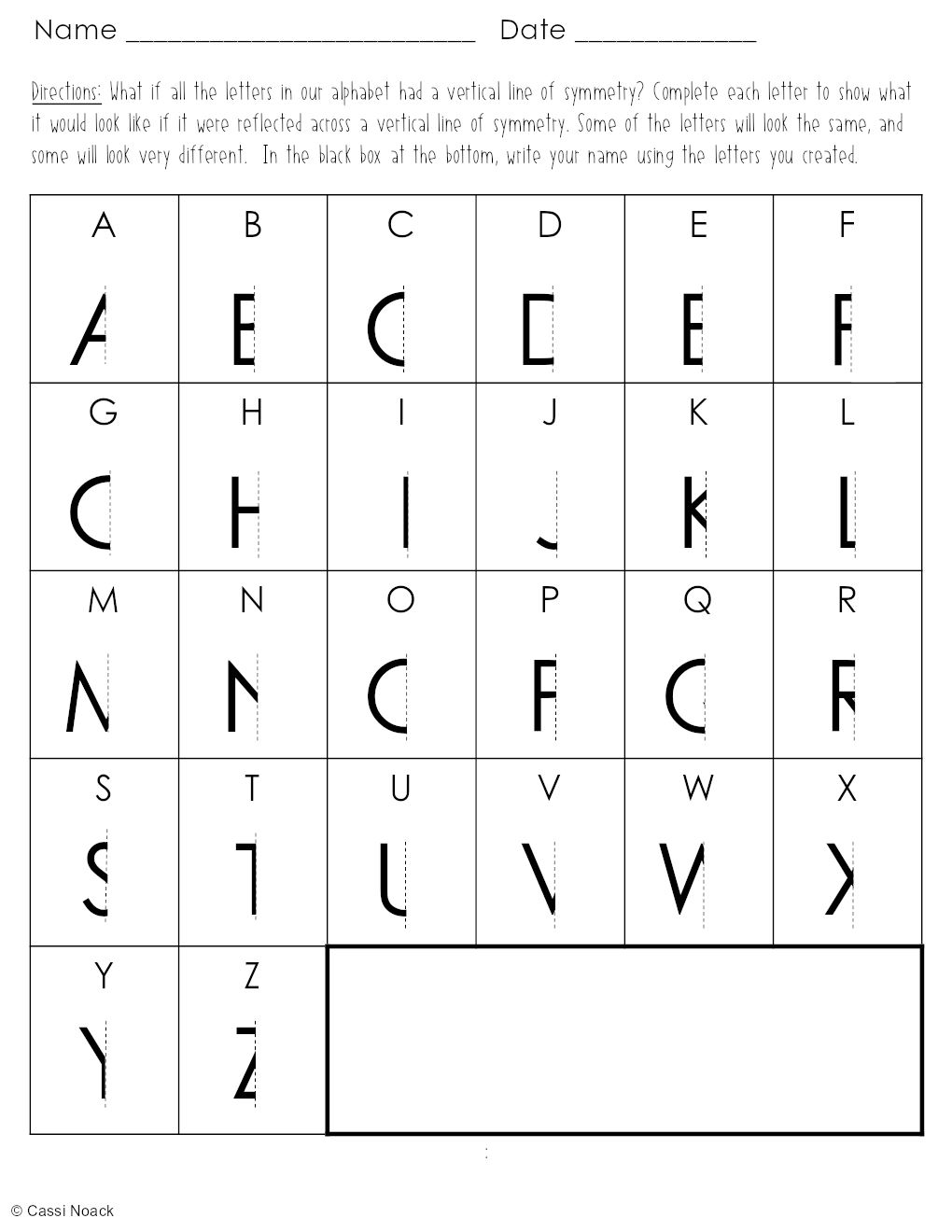
- Worksheet Activity: Distribute the Letters Of The Alphabet Symmetry Worksheet and allow students to work on it. Circulate the room to provide assistance as needed.
- Group Discussion: After completing the worksheet, gather students to discuss what they learned. This could be a simple question-and-answer session or a more structured activity where students present their favorite symmetrical letters.
- Extension Activities: For students who finish early or need a challenge, consider extension activities like creating their own symmetrical letter designs or finding objects in the classroom that show symmetry.
Tips for Parents and Educators
Here are a few practical tips to keep in mind when using the Letters Of The Alphabet Symmetry Worksheet:
- Use a Variety of Resources: Pair the worksheet with books about symmetry or letters to enrich the learning experience. Books with illustrations can help reinforce the visual aspects of symmetry.
- Adjust Difficulty: If you notice some students are struggling, simplify the task by focusing on fewer letters or providing additional visual aids. Conversely, challenge advanced students by introducing more complex symmetrical patterns.
- Incorporate Technology: If you have access to tablets or computers, consider using digital drawing tools where children can create symmetrical letters. This adds a tech-savvy aspect to the lesson and may engage students more.
By integrating the Letters Of The Alphabet Symmetry Worksheet into your teaching, you’re not only helping children learn about symmetry but also enhancing their letter recognition and critical thinking skills. With just a bit of preparation and creativity, this resource can become a staple in your educational toolkit.
So, gather your materials and get ready to explore the wonderful world of symmetry with your students!