
The use of letters in alphabetical order worksheets plays a crucial role in early literacy development. These worksheets help young learners understand the sequence of letters, which is fundamental for reading and writing skills. Engaging children with these resources not only enhances their recognition of the alphabet but also prepares them for more complex language tasks.
Understanding the Importance of Alphabetical Order
Teaching children the order of the alphabet is more than just a memorization exercise. It lays the foundation for various language skills, including spelling, dictionary usage, and even organizational skills in writing. When children learn to recognize letters in order, they gain confidence in their reading abilities.
For preschool and kindergarten aged children, these worksheets provide a structured way to practice. Typically, students can start around age 4-5, when they begin to learn the alphabet in school. Worksheets can vary in complexity, catering to different learning levels.
Characteristics of Effective Worksheets
When selecting letters in alphabetical order worksheets, several key features should be considered:
- Clarity of Instructions: Worksheets should have clear, concise instructions that children can follow independently. This ensures that they can engage with the material without constant supervision.
- Variety of Activities: Worksheets that include a mix of activities—such as tracing letters, filling in blanks, and matching—keep children interested and motivated.
- Visual Appeal: Engaging graphics and colors can make worksheets more attractive to young learners, enhancing their willingness to participate.
- Age Appropriateness: It’s essential to choose worksheets that match the child’s developmental level. Too challenging, and they may become frustrated; too easy, and they may lose interest.
Types of Worksheets Available
Various formats of letters in alphabetical order worksheets cater to different learning styles and needs. Here are some common types:
Tracing Worksheets
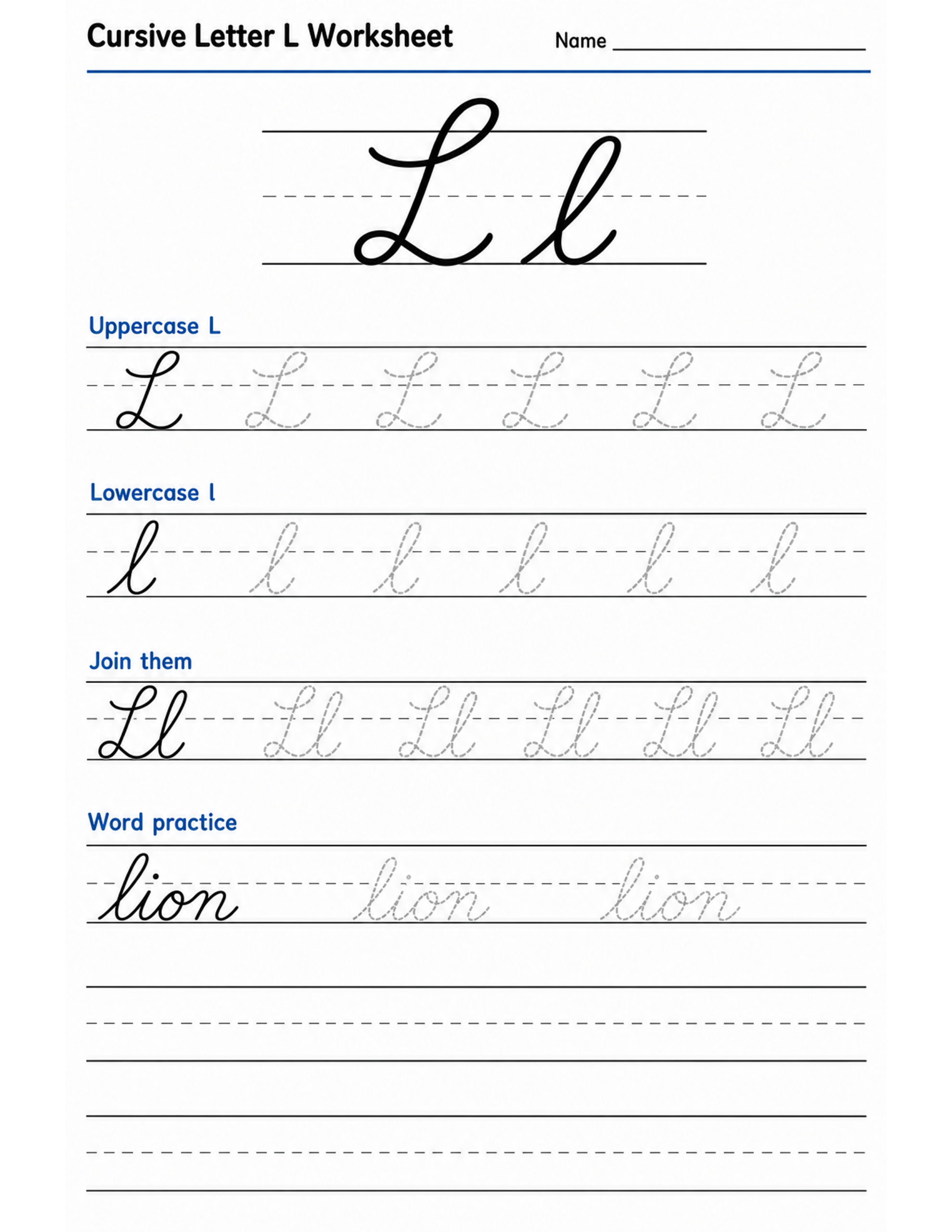
These worksheets allow children to trace letters in alphabetical order. Tracing helps improve fine motor skills and reinforces letter shape recognition. Look for worksheets that provide ample space for tracing and include both upper and lower case letters.
Fill-in-the-Blank Worksheets
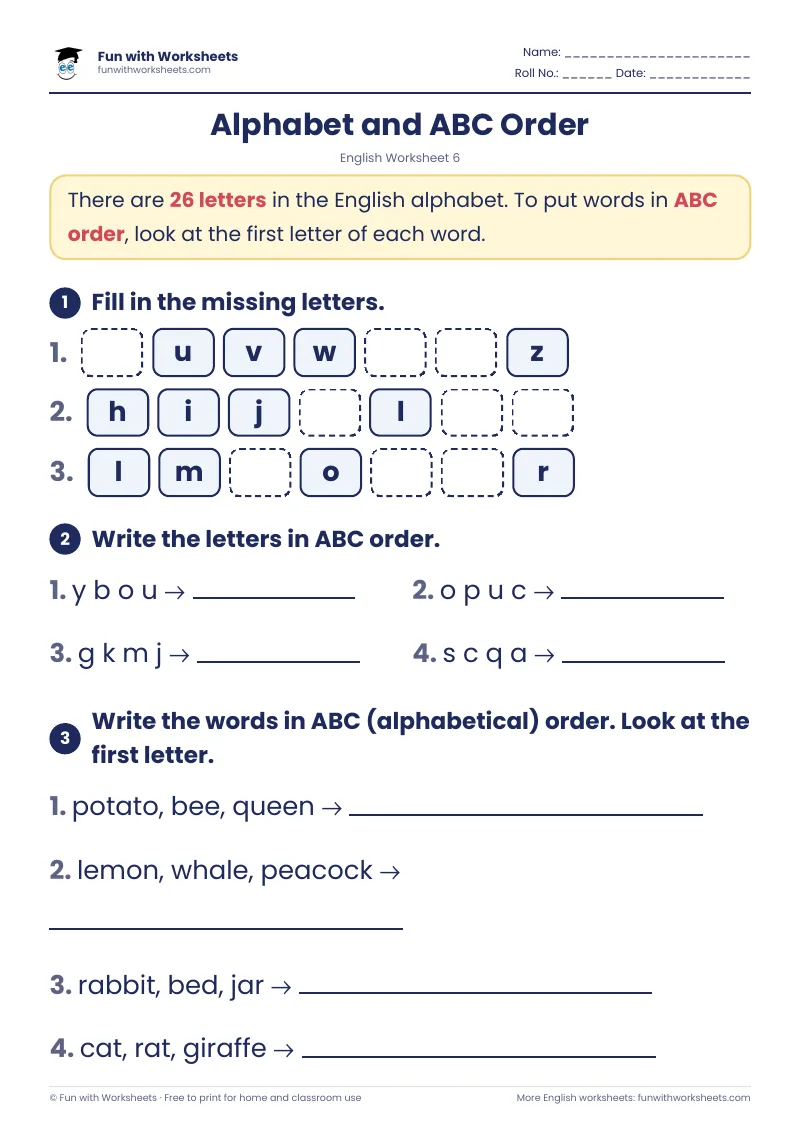
Fill-in-the-blank worksheets encourage children to write in missing letters, helping them practice recalling the correct order. They often feature a mix of letters and words, making them suitable for slightly older children who are beginning to form words.
Matching Activities
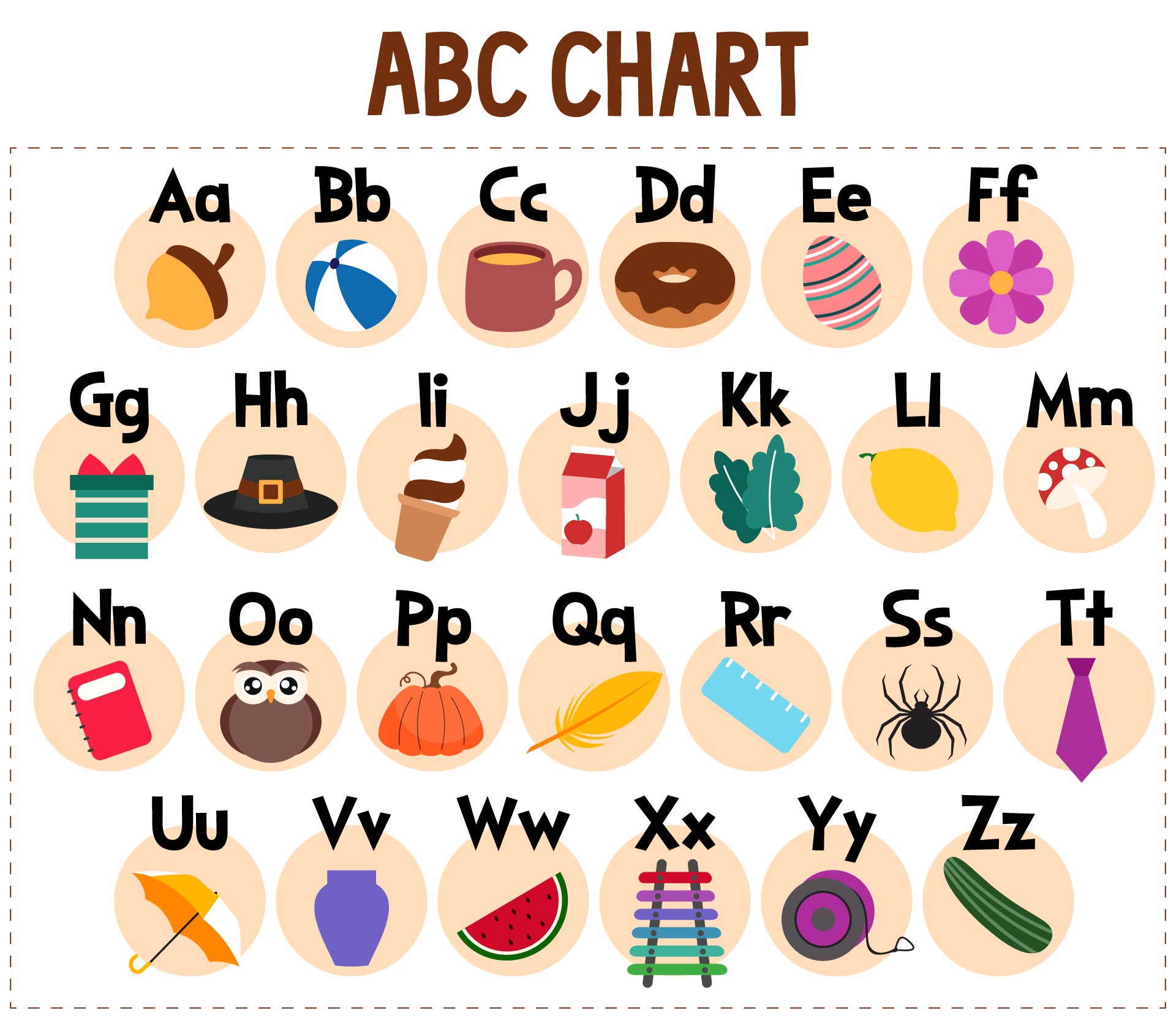
Worksheets that involve matching letters to pictures or words can be particularly effective. These activities not only reinforce the concept of alphabetical order but also enhance vocabulary by connecting letters with corresponding items.
Coloring Worksheets
Worksheets that combine coloring with letter recognition can be an excellent way to engage younger children. These worksheets often include letters in fun shapes or themes, allowing kids to express creativity while learning.
Tips for Using Worksheets Effectively
To maximize the benefits of letters in alphabetical order worksheets, consider the following strategies:
- Set Clear Objectives: Before starting, clarify what you want the child to achieve with each worksheet. This could be mastering letter recognition or improving writing skills.
- Incorporate Technology: If available, use interactive digital worksheets that can be completed on tablets or computers. This can be a fun alternative to traditional paper worksheets.
- Review Progress: Regularly assess the child’s understanding and progress. This can be done through informal quizzes or by having them explain what they learned.
- Create a Routine: Incorporate these worksheets into a daily or weekly routine. Consistency will help reinforce the learning process.
Where to Find Printable Worksheets
Several online resources offer free or paid letters in alphabetical order worksheets. Look for websites that specialize in educational materials for preschool and early elementary students.
When downloading, ensure the files are in PDF format for easy printing. PDFs maintain formatting across devices, so there’s no worry about elements shifting during printing.
Final Consideration
When choosing letters in alphabetical order worksheets, consider the individual learning style of the child. Some may thrive with visual aids, while others may prefer hands-on activities. By selecting the right resources, you can foster a love for learning and help them develop essential literacy skills that will serve them throughout their educational journey. For immediate use, remember to print on high-quality paper to ensure durability, especially if the worksheets will be reused.