
As Mia sat at the kitchen table, she carefully traced the letters of her name, her pencil moving slowly but with a sense of purpose. She was in the Letter-Name Alphabetic stage of literacy development, a crucial time for young learners to connect sounds with letters. Using Letter-Name Alphabetic Stage Worksheets can help children like Mia solidify their understanding of letter names and sounds, making learning both engaging and effective.
Understanding the Letter-Name Alphabetic Stage
The Letter-Name Alphabetic stage typically occurs in early childhood, around ages 4 to 6, when children begin to recognize letters and their corresponding sounds. This stage is essential as it lays the groundwork for reading and writing. Children at this level can identify letters in their name and other familiar words, and they start to understand that letters represent sounds.
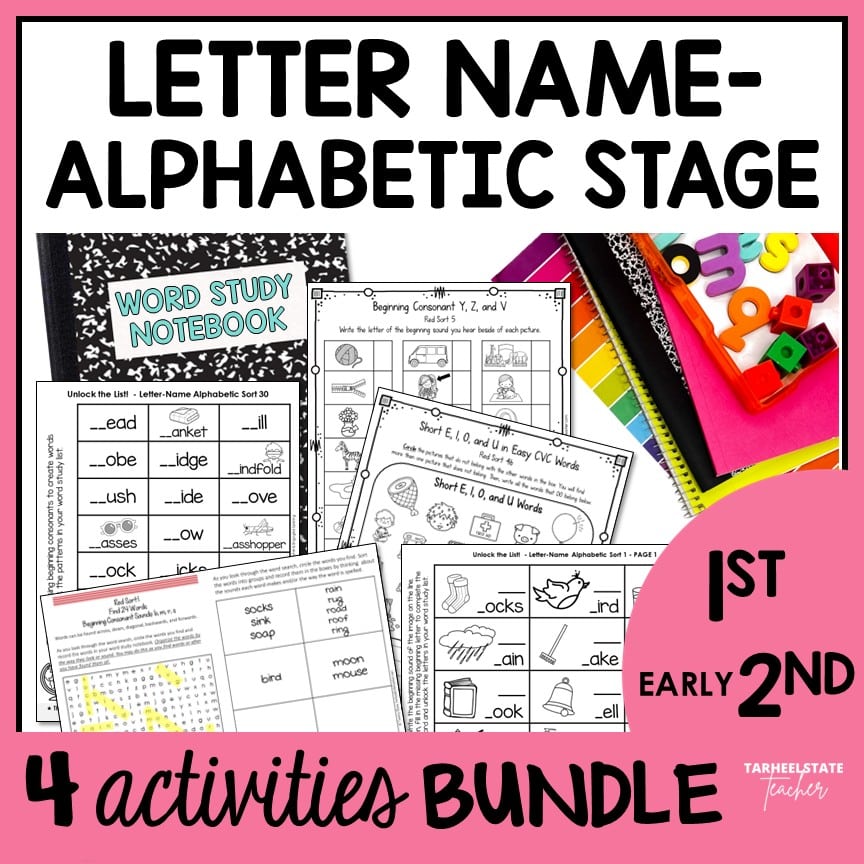
Using Letter-Name Alphabetic Stage Worksheets can make this learning process interactive and fun. These worksheets often include activities that promote letter recognition, phonemic awareness, and early writing skills, which are crucial for literacy development.
How to Use Letter-Name Alphabetic Stage Worksheets Effectively
Incorporating Worksheets Into Daily Routines
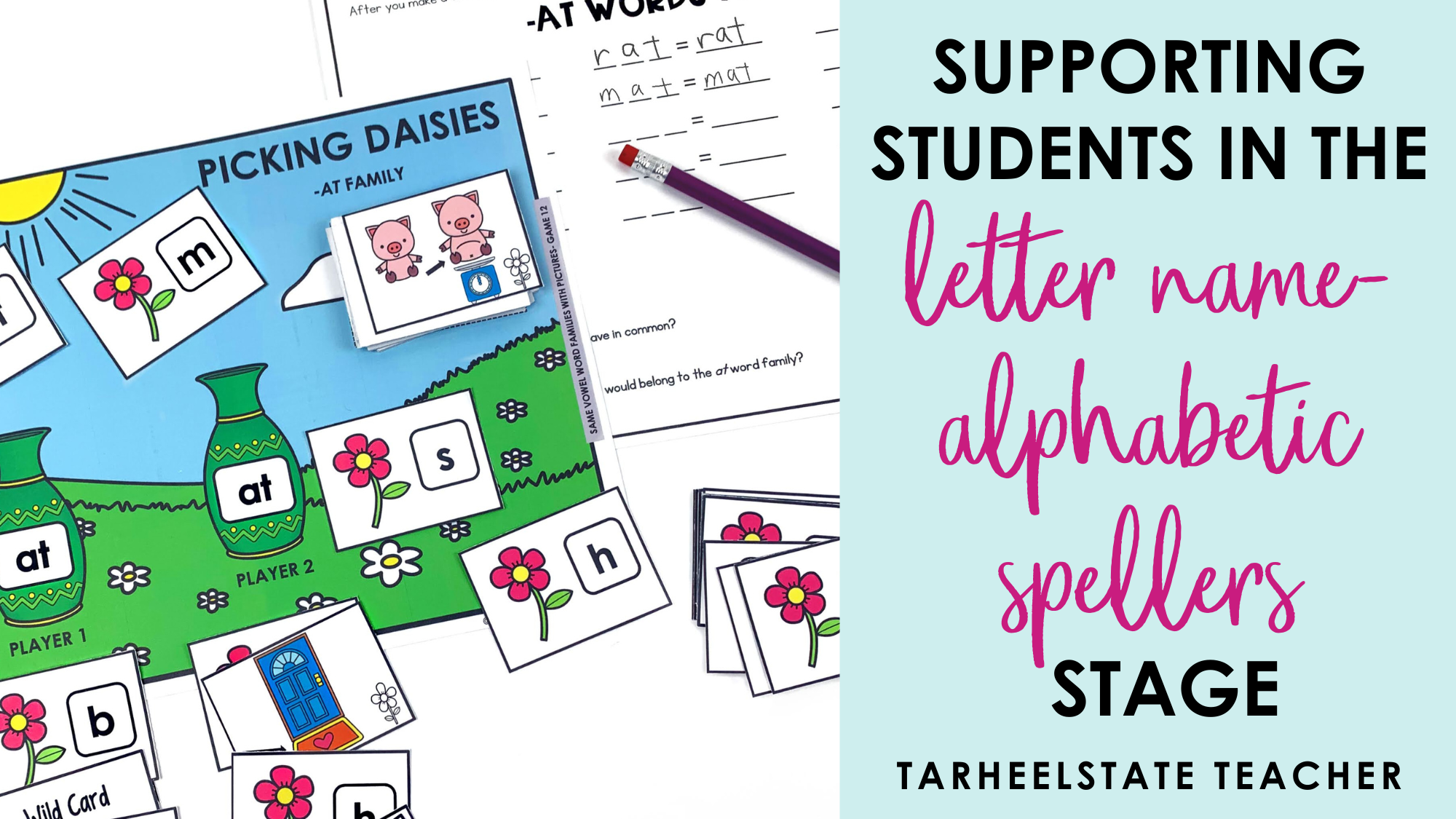
One of the best ways to use these worksheets is to integrate them into your daily routines. For example, you might set aside a specific time each afternoon for letter practice. You don’t need a formal lesson plan; simply print a worksheet and let your child explore it while you prepare dinner or help with homework. This casual approach can make learning feel less like a chore and more like a natural part of their day.
Choosing the Right Worksheets
When selecting Letter-Name Alphabetic Stage Worksheets, look for those that include a variety of activities to keep your child engaged. Some effective types include:
- Letter tracing: Helps with fine motor skills and letter recognition.
- Matching games: Pairing letters with pictures or objects that start with that letter.
- Coloring activities: Associating colors with letters can enhance memory retention.
- Fill-in-the-blank exercises: These encourage children to think about the sounds letters make in words.
Look for worksheets that are visually appealing and age-appropriate, ideally designed for preschool and kindergarten levels.
Creating a Conducive Learning Environment
Setting Up a Learning Space
Creating a dedicated space for learning can significantly impact your child’s focus and enthusiasm. Designate a corner of your living room or a cozy spot in their bedroom where they can work with their worksheets. Ensure the area is well-lit and stocked with necessary supplies like pencils, crayons, and erasers.
Using Positive Reinforcement
Encouragement is key during this learning phase. Celebrate small victories, such as correctly identifying a letter or completing a worksheet. Simple rewards like stickers or extra playtime can motivate your child and make them look forward to their learning sessions.
Integrating Technology With Worksheets
Digital Resources
In addition to printed worksheets, consider incorporating digital tools to enhance the learning experience. Many educational websites offer interactive Letter-Name Alphabetic stage activities where children can practice letter recognition through games and quizzes. These can be a great supplement to printed worksheets, adding variety to their learning.
Printable Options
If you prefer printable resources, numerous websites provide free or affordable Letter-Name Alphabetic Stage Worksheets that you can easily download and print at home. Look for options that allow you to customize the content based on your child’s interests or specific learning needs.
Repetition and Review
Reinforcing Learning
Repetition is crucial in this stage of literacy development. Regularly revisit previously completed worksheets to reinforce learning. You might even create a binder to organize completed worksheets, allowing your child to see their progress over time. This not only boosts their confidence but also helps them retain what they’ve learned.
Adapting the Worksheets
Don’t hesitate to adapt the worksheets to suit your child’s learning pace. If they are struggling with certain letters, spend extra time on those specific worksheets. Alternatively, if they’re mastering the material quickly, look for more advanced worksheets that challenge them further.
Engaging With Others
Group Activities
Consider organizing small group activities with other children at the same learning stage. Group learning can provide motivation and create a fun atmosphere. You could set up a playdate where children can share their worksheets and help each other with letter recognition games.
Parental Involvement
As a parent or caregiver, your involvement is essential. Sit down with your child while they work on their worksheets. This not only shows your support but also allows you to guide them through any challenging tasks. Engage in discussions about the letters, ask questions, and help them sound out words.
By utilizing Letter-Name Alphabetic Stage Worksheets within a structured yet flexible routine, you can significantly enhance your child’s literacy skills. The key is to make the process enjoyable, interactive, and supportive. With the right tools and approaches, you’ll nurture a love for learning that lasts a lifetime.
Consider mixing up your resources: printed worksheets, digital games, and hands-on activities can all work together to create a rich learning experience. Your involvement and encouragement will make all the difference as your child navigates this exciting stage of their education.