
When teaching young children the fundamentals of reading, incorporating engaging tools can significantly enhance their learning experience. Letter Sound Worksheets For Each Alphabet Coloring provide an effective way to introduce phonics while tapping into children’s creativity. These worksheets consist of various activities that help children associate letters with their corresponding sounds through coloring and interaction.
Understanding Letter Sound Worksheets
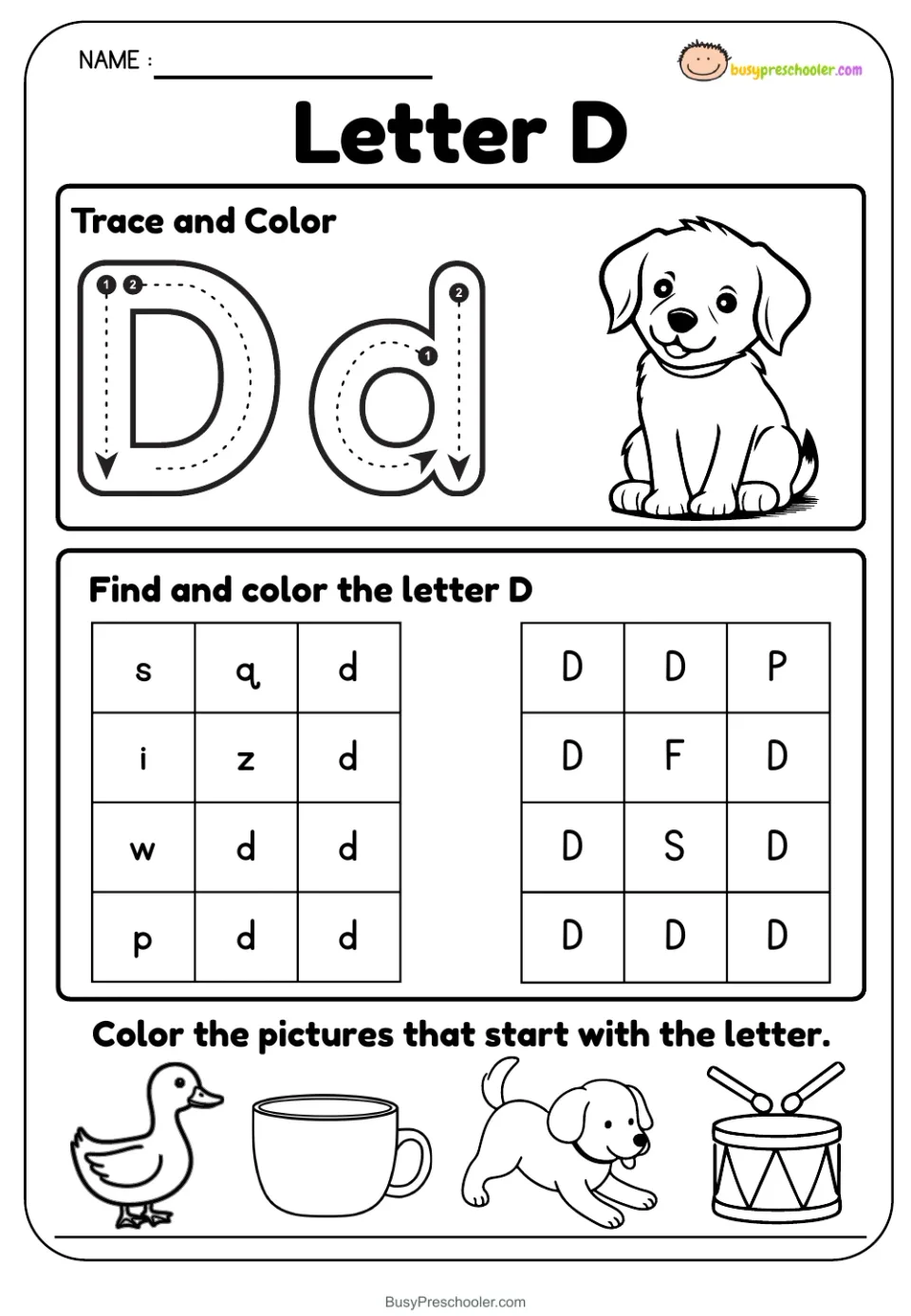
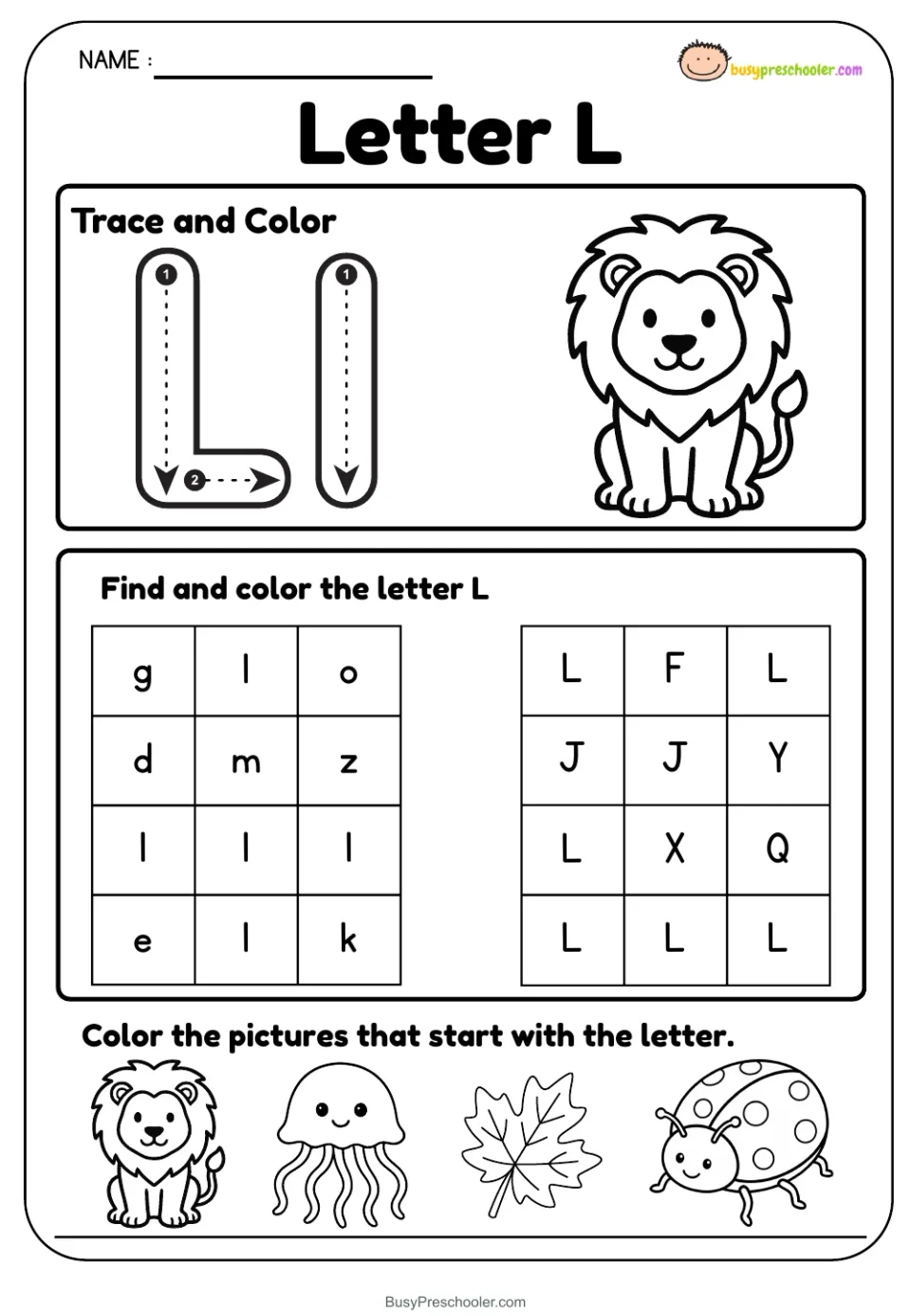
Letter sound worksheets are designed to reinforce the connection between letters and sounds in a playful way. Each worksheet typically features a letter of the alphabet paired with images of objects that start with that letter. For example, the letter “A” might be accompanied by an apple, an alligator, and an airplane. This visual association helps solidify the concept of letter sounds in young learners.
These worksheets are perfect for preschool and kindergarten classrooms, as well as for homeschooling environments. They cater to children aged 4-6, focusing on developing phonemic awareness, which is crucial for early literacy skills.
How to Use Letter Sound Worksheets
Using Letter Sound Worksheets For Each Alphabet Coloring is straightforward and can be tailored to fit various educational settings. Here’s a step-by-step guide to maximize their effectiveness:
- Choose the Right Worksheets: Before you begin, select worksheets that correspond to the letters you are currently teaching. This helps reinforce the learning objectives and keeps the focus on specific sounds.
- Download and Print: These worksheets are often available in PDF format, making them easy to download and print. For best results, use a standard letter-size paper (8.5 x 11 inches) and consider using cardstock if you want the worksheets to withstand repeated use, especially if you plan to laminate them for durability.
- Set Up the Activity: Create a comfortable workspace with all necessary supplies, including crayons, colored pencils, or markers. Ensure that your students have easy access to these materials to encourage creativity.
- Introduce the Lesson: Start by explaining the letter and its sound. For instance, if you’re working on the letter “B,” you might say, “This is the letter B, and it makes the /b/ sound like in ‘ball’ or ‘bat’.” Show them the images on the worksheet, and encourage them to say the words aloud.
- Coloring Time: Allow children to color the images associated with the letter sound. This not only makes the lesson enjoyable but also helps improve fine motor skills. You might suggest that they color the objects with corresponding colors (e.g., a red apple, a green alligator) to add an extra layer of engagement.
- Review and Reinforce: After completing the coloring activity, gather the children and review the sounds. Ask them to share words that start with the letter. This reinforces their learning and boosts their confidence.
Benefits of Coloring Worksheets
Coloring worksheets provide several advantages beyond just reinforcing letter sounds. Here are some key benefits:
- Enhances Focus: Coloring requires concentration, helping children to stay focused on the task at hand.
- Encourages Creativity: Children can use their imagination when selecting colors, leading to self-expression and creativity.
- Improves Fine Motor Skills: Holding crayons and coloring within lines helps develop the fine motor skills that are essential for writing later on.
- Promotes Visual Learning: The combination of images and letters caters to visual learners, making it easier for them to grasp phonetic concepts.
Integrating Worksheets Into Your Curriculum
To make the most out of Letter Sound Worksheets For Each Alphabet Coloring, consider integrating them into your broader curriculum. Here are a few suggestions on how to seamlessly include them:
- Phonics Stations: Set up a phonics station in your classroom where children can rotate through various activities, including coloring worksheets, letter matching games, and sound recognition exercises.
- Weekly Themes: Align the worksheets with weekly themes or letters. For example, if you’re focusing on animals one week, use worksheets that feature animal names corresponding to each letter.
- Family Engagement: Send worksheets home with students to encourage practice with family members. You might also include a brief explanation of how to use the worksheets effectively.
- Assessment and Feedback: Use completed worksheets as informal assessments of each child’s understanding of letter sounds. You can provide feedback based on their coloring choices and participation.
Finding Quality Resources
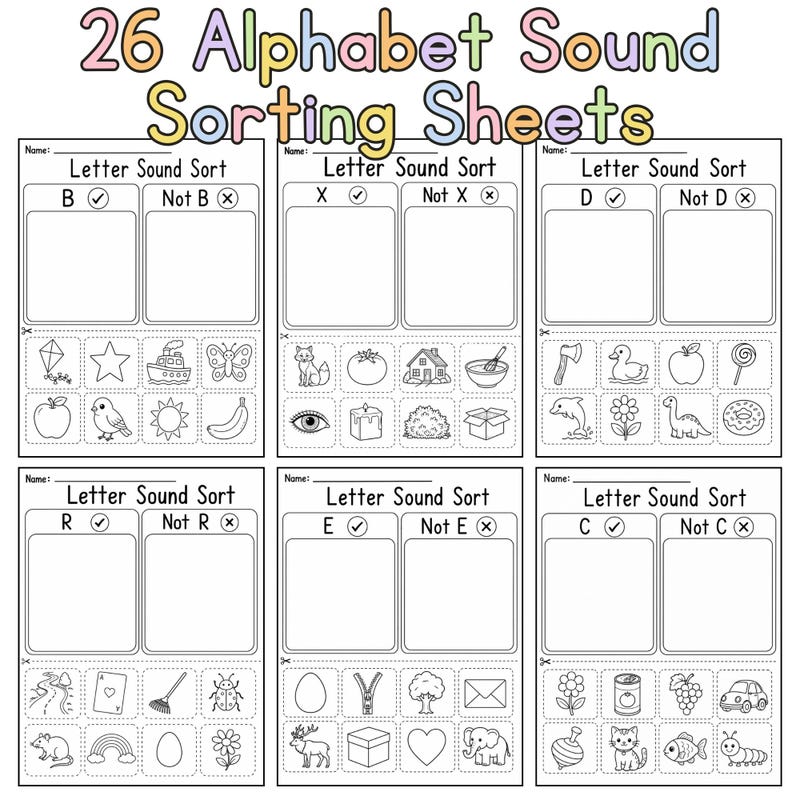
When searching for Letter Sound Worksheets For Each Alphabet Coloring, it’s essential to choose high-quality resources that cater to your students’ needs. Look for worksheets that are visually appealing, age-appropriate, and aligned with educational standards. Many websites offer free or low-cost printable resources, making it easy to find suitable materials.
You can explore reputable educational websites that specialize in printable resources for educators and parents. Check for reviews or recommendations from other teachers to ensure the quality of the worksheets.
In summary, Letter Sound Worksheets For Each Alphabet Coloring serve as an effective tool for teaching phonics to young learners. By following a clear workflow—choosing, downloading, printing, setting up, and using these resources—you can create an engaging and productive learning environment that fosters early literacy skills. Don’t overlook the importance of integrating these worksheets into your curriculum and adapting them to fit your teaching style. Remember, the ultimate goal is to make learning fun and impactful for your students, setting a strong foundation for their reading journey.