
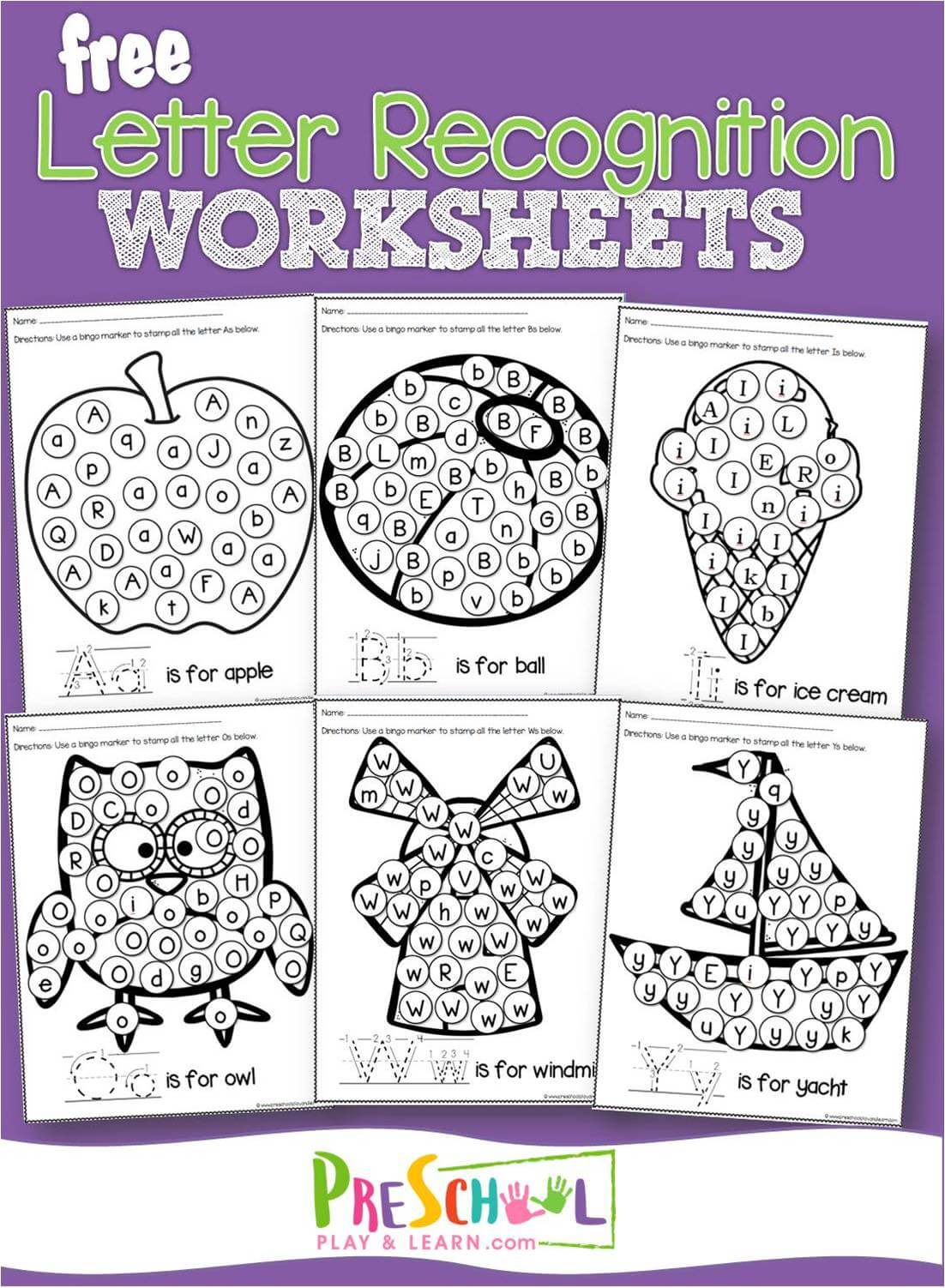
Utilizing a set of printable resources, Letter Recognition Beginner Alphabet Worksheets are designed to support young learners, typically in preschool or kindergarten, as they embark on their journey to recognize letters. These worksheets are invaluable tools for teachers and parents alike, providing structured yet engaging activities that can easily fit into a daily routine at home or in a homeschool setting.
Understanding the Layout of the Worksheets
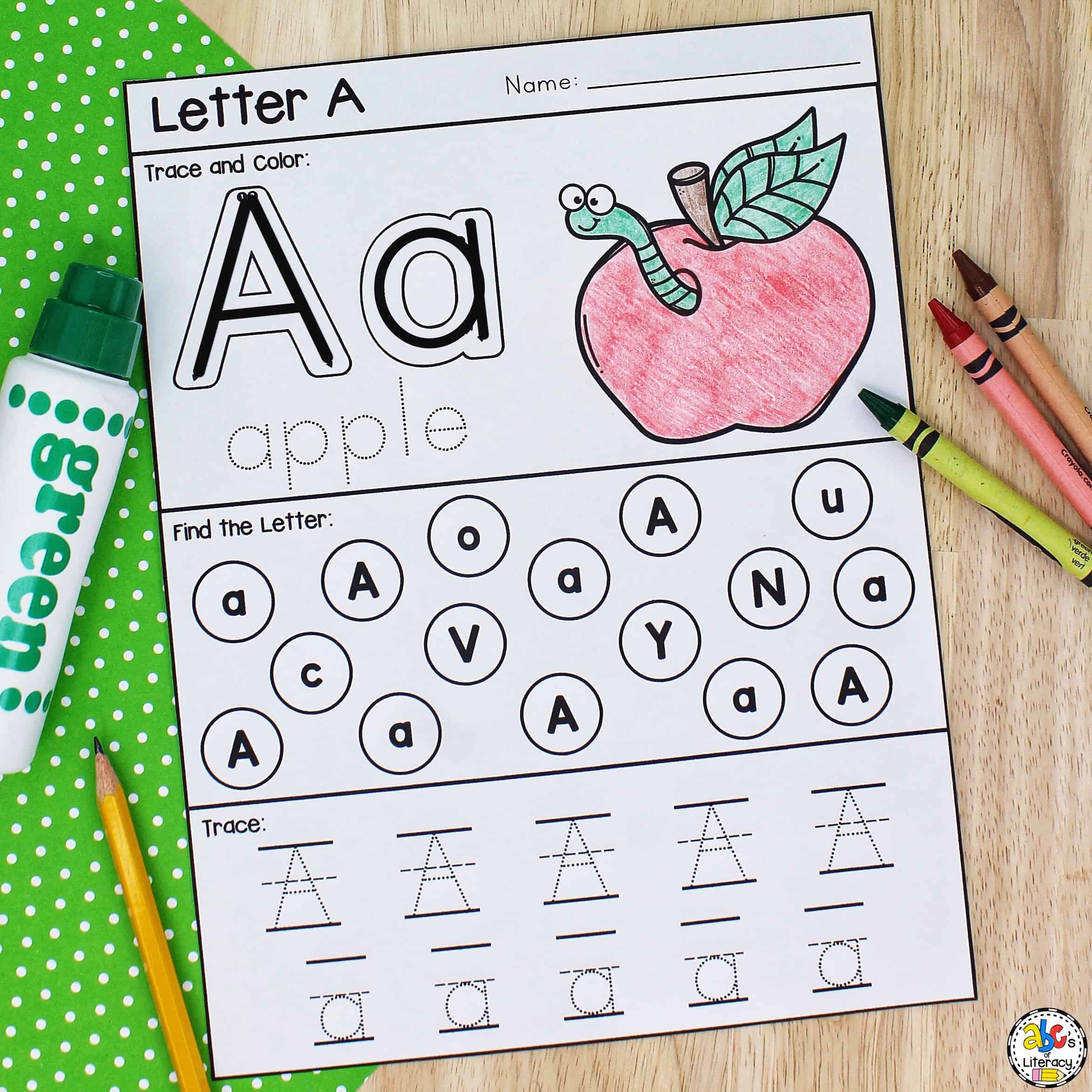
Each worksheet in this resource is carefully designed to promote letter recognition through a variety of engaging activities. Generally, you’ll find that these worksheets feature a consistent layout, which helps children anticipate what they will be doing next. For instance, most worksheets begin with a large, bold letter at the top, often accompanied by an image that starts with that letter. This visual cue aids in associating sounds with letters, making it easier for young learners to grasp the concept of letter recognition.
The inclusion of multiple activities on a single worksheet encourages children to engage with the material in different ways. You might find sections dedicated to tracing letters, coloring activities, and even identifying letters within words or pictures. This variety keeps the learning process fresh and prevents monotony, which is crucial for maintaining a young child’s attention.
Activities to Enhance Learning
The activities included in Letter Recognition Beginner Alphabet Worksheets are not merely for practice; they are strategically designed to reinforce learning through play. Here are some common types of activities you can expect to find:
- Letter Tracing: Children trace both uppercase and lowercase letters, helping them learn proper letter formation while also improving fine motor skills.
- Coloring: Worksheets often feature images of objects that begin with the target letter. Children can color these images, reinforcing their understanding of letter sounds in a fun way.
- Letter Matching: Some worksheets include exercises where children match letters to corresponding pictures or words, further solidifying their recognition skills.
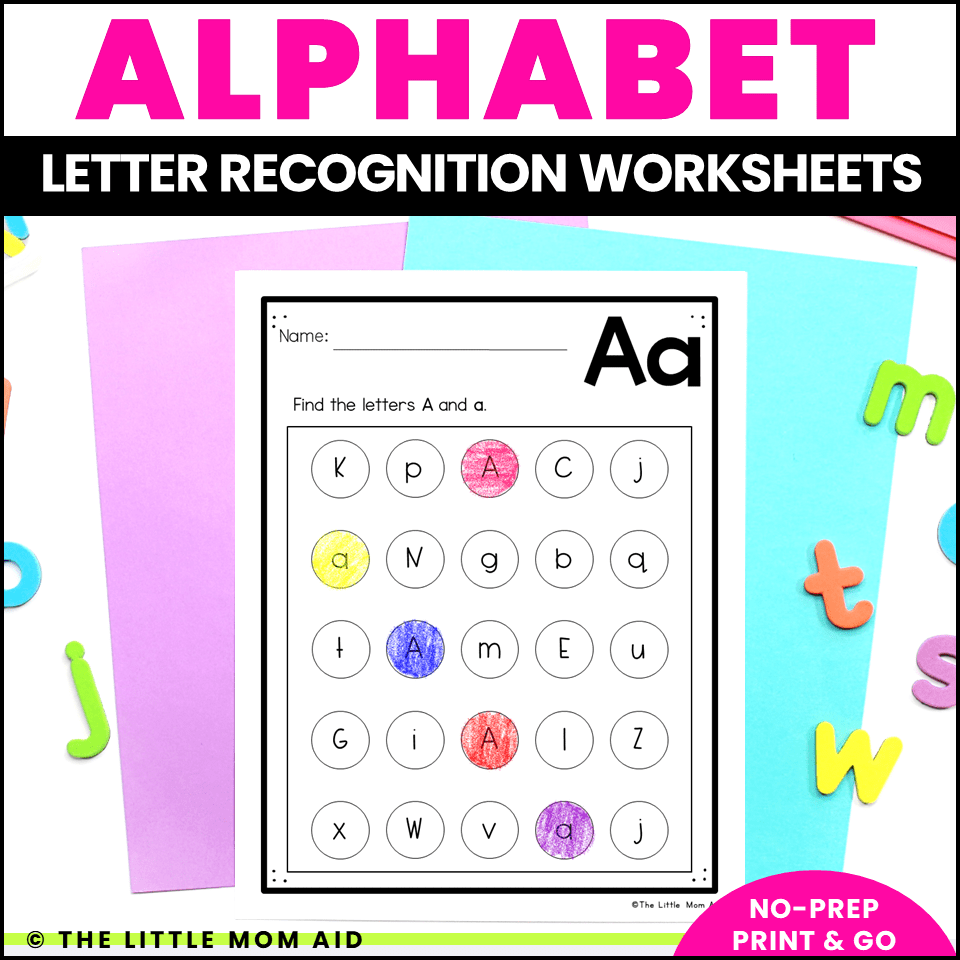
- Find the Letter: In this activity, children search for a specific letter hidden within a grid of letters, enhancing their ability to quickly identify letters among others.
These activities can be completed individually or as part of a group, making them adaptable for different learning environments.
Suggested Age and Usage
The primary audience for these worksheets is children aged 4 to 6, which aligns with preschool and early kindergarten levels. However, they can also be beneficial for older children who may need additional support in letter recognition.
For home use, you can easily incorporate these worksheets into a daily routine. For example, consider setting aside 15-20 minutes each afternoon for your child to work on a worksheet after lunch. This structured time can help make learning feel like a fun and integral part of their day.
If you are a teacher, these worksheets can be used as supplementary materials during literacy centers or as part of a morning work routine. They can also serve as a quick assessment tool to gauge individual student progress in letter recognition.
Printing Tips for Optimal Use
When preparing to print the Letter Recognition Beginner Alphabet Worksheets, consider the following tips to ensure the best results:
- Paper Size: Most worksheets are formatted for standard letter size (8.5” x 11”). This size is compatible with most printers, making them easy to print at home or in a classroom setting.
- Paper Type: Using cardstock can be beneficial if you plan to laminate the worksheets for repeated use. Cardstock holds up better against wear and tear, especially with younger children who may be more vigorous in their activities.
- Print Settings: Opt for a portrait layout, which typically works better for worksheets. Ensure that your printer settings are adjusted to print in high quality for clear text and images.
Incorporating Worksheets Into Daily Routines
To maximize the effectiveness of Letter Recognition Beginner Alphabet Worksheets, consider integrating them into your child’s daily activities. Here are a couple of ways to do this:
- Themed Days: Assign a letter to each day of the week (e.g., “A” for Monday, “B” for Tuesday). You can plan related activities or storytelling sessions that revolve around that letter, using the worksheets as a focal point.
- Interactive Learning: Pair the worksheets with physical activities. For instance, after completing a worksheet on the letter “C,” you could go on a “C” scavenger hunt around the house or yard, looking for items that start with that letter.
By keeping the learning environment dynamic and interactive, children are more likely to retain what they learn and develop a genuine interest in literacy.
These Letter Recognition Beginner Alphabet Worksheets are more than just printables; they are gateways to fostering a love for learning in young children. By using them creatively and effectively, you can set the foundation for strong reading and writing skills in a way that feels natural and enjoyable. Choose the format that works best for your situation—whether through print or digital use—and watch as your child begins to recognize and engage with letters in their everyday life.