
The Letter Q Alphabet Learning Worksheet is a valuable resource for educators and parents looking to enhance children’s understanding of the letter Q. This worksheet aids in developing phonemic awareness and vocabulary skills, making it an excellent tool for preschool and kindergarten-aged children. By incorporating fun activities, this resource can seamlessly fit into your daily learning routine.
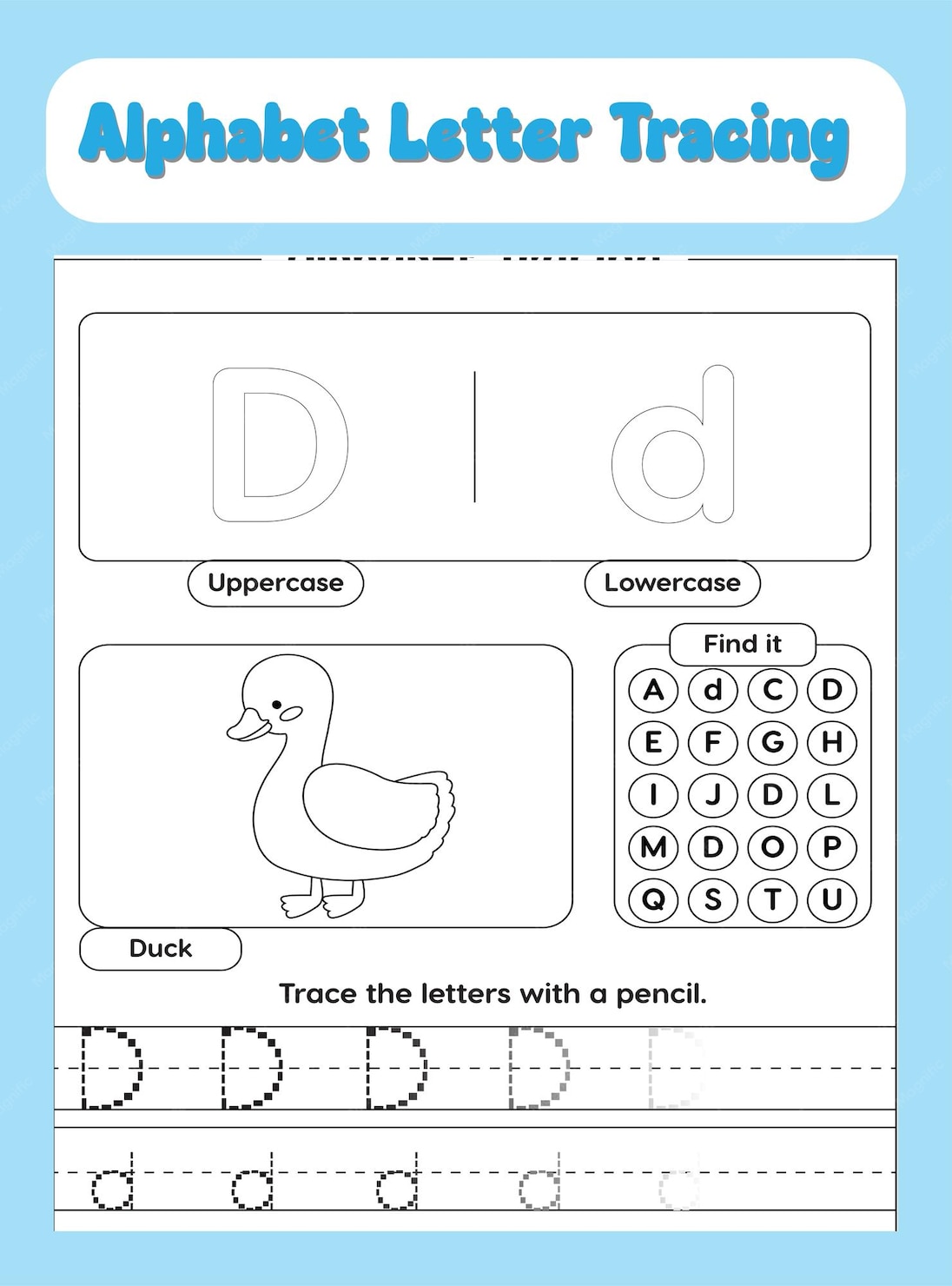
Understanding the Importance of the Letter Q
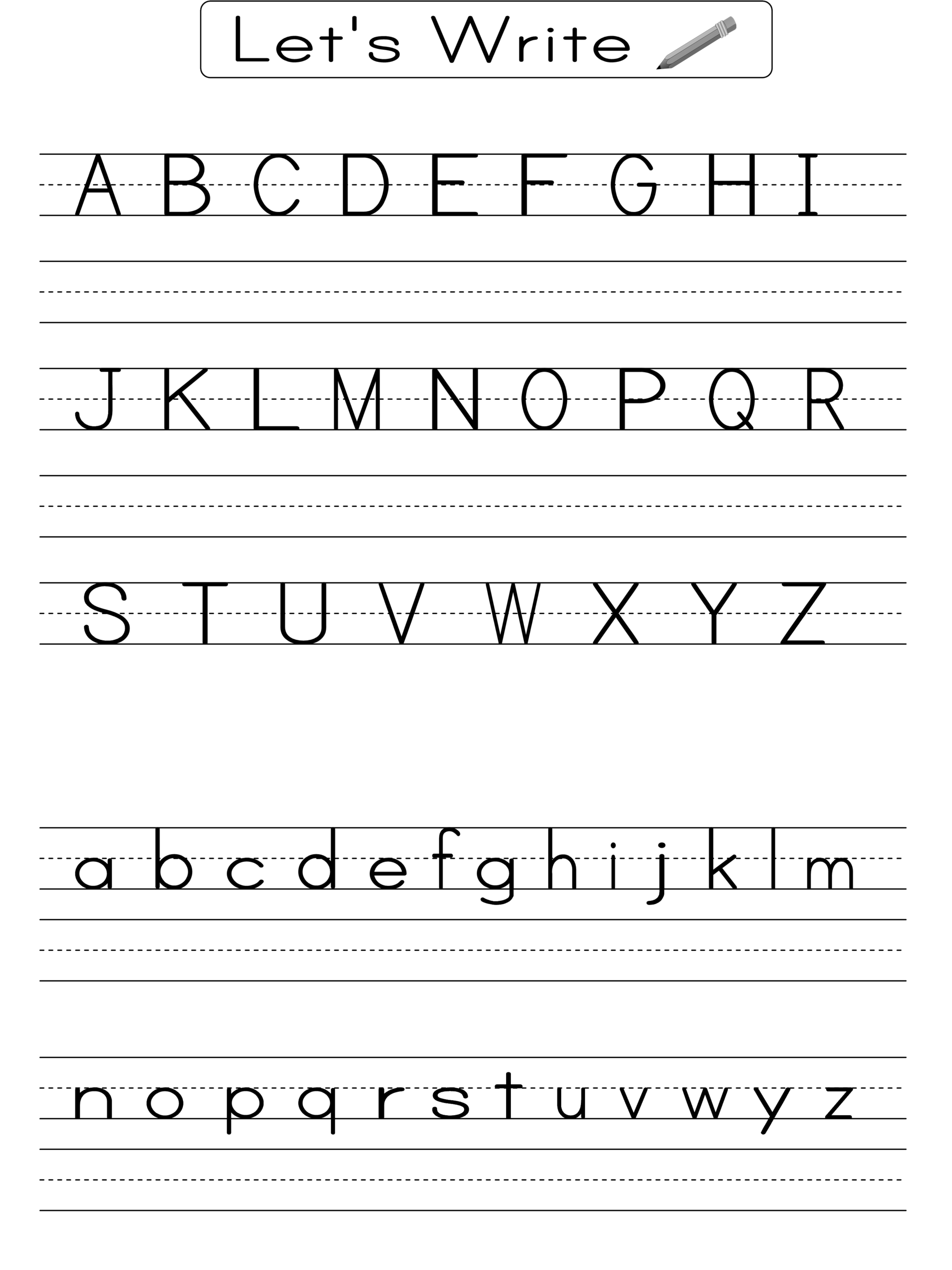
The letter Q may not appear as frequently as others, but it’s essential for phonics and language development. Teaching this letter helps children recognize its sound and its role in forming words. Understanding the letter Q is not just about identifying it; it’s about associating it with the sounds it produces, primarily the /kw/ sound in words like “queen” and “quick.”
With the Letter Q Alphabet Learning Worksheet, you can introduce various activities that reinforce these concepts. Activities can include tracing, coloring, and identifying objects that start with the letter Q. Such engagement helps solidify their understanding in a fun, interactive way.
Activities Included in the Worksheet
The Letter Q Alphabet Learning Worksheet is designed with multiple activities aimed at different learning styles. Here are some common activities you might find:
- Tracing: Children can trace the letter Q in both uppercase and lowercase forms. This practice enhances fine motor skills and letter recognition.
- Coloring: The worksheet often includes images of objects that start with Q, such as a queen or a quokka, providing a visual element to reinforce learning.
- Matching: Some worksheets feature matching exercises where children can connect pictures with their corresponding words, helping them learn vocabulary associated with Q.
- Fill-in-the-Blanks: Activities that ask children to fill in missing letters in words can further cement their understanding of how the letter Q fits into language.
These varied activities cater to different learning preferences, whether your child learns best through visual, auditory, or kinesthetic methods.
Best Practices for Using the Worksheet
When incorporating the Letter Q Alphabet Learning Worksheet into your teaching, consider these best practices:
- Print Quality: Use a high-quality printer for the best results. Consider printing on cardstock if you plan to reuse the worksheet, as it holds up better than regular paper.
- Color Settings: If using color, ensure your printer settings are optimized for vibrant colors. This will make the coloring portions more engaging.
- Laminating: For durability, especially if you’re using the worksheet multiple times, laminating it allows for dry-erase markers to be used, enabling repeat practice without waste.
- Encourage Participation: Ask open-ended questions as your child works through the worksheet. For example, “Can you think of another word that starts with Q?” This encourages critical thinking and reinforces vocabulary.
Integrating the Worksheet Into Daily Routines
To make the most of the Letter Q Alphabet Learning Worksheet, integrating it into your daily routine can be beneficial. Here’s how:
- Morning Activities: Start the day with a short phonics session that includes the worksheet. This can be a calming way to kick off learning.
- Transition Activities: Use the worksheet during transition times, like before lunch or after playtime, as a quick, engaging activity.
- End-of-Day Review: Incorporate the worksheet as a review tool to recap what was learned throughout the day. This reinforces retention and understanding.
By making the worksheet a regular part of the learning experience, children can continually build their confidence and skills around the letter Q.
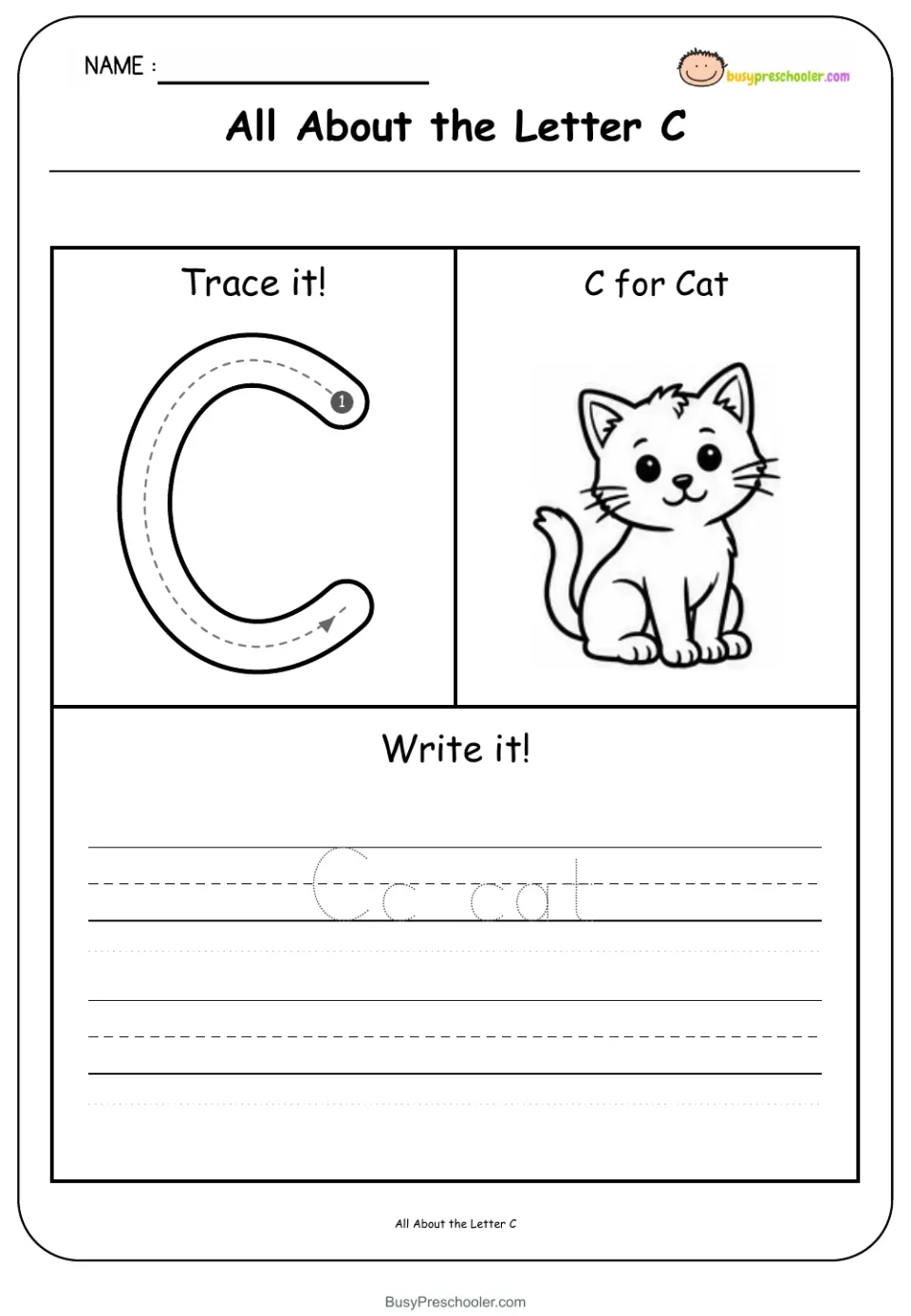
Tracking Progress
Tracking progress when using the Letter Q Alphabet Learning Worksheet is important to assess understanding and skill development. Here are a few practical tips to help you monitor progress effectively:
- Create a Portfolio: Keep a portfolio of completed worksheets to visually track progress over time. This allows you to see improvements in fine motor skills and letter recognition.
- Set Goals: Establish specific goals for each session, such as mastering the sound of Q or completing tracing exercises without assistance. Celebrate achievements to keep motivation high.
- Use Observational Notes: While children work on the worksheet, take notes on their challenges and successes. This can help tailor future lessons to meet their needs.
Tracking progress not only helps you see how well a child is learning but also builds their self-esteem as they see their own growth.