
Learning the letters of the alphabet worksheets provide an effective tool for teachers and parents aiming to help children develop foundational literacy skills. These worksheets are designed to engage young learners through a variety of activities that promote letter recognition, handwriting practice, and phonemic awareness. explore different types of worksheets available, how to use them effectively, and tips for maximizing their educational value in both classroom and home settings.
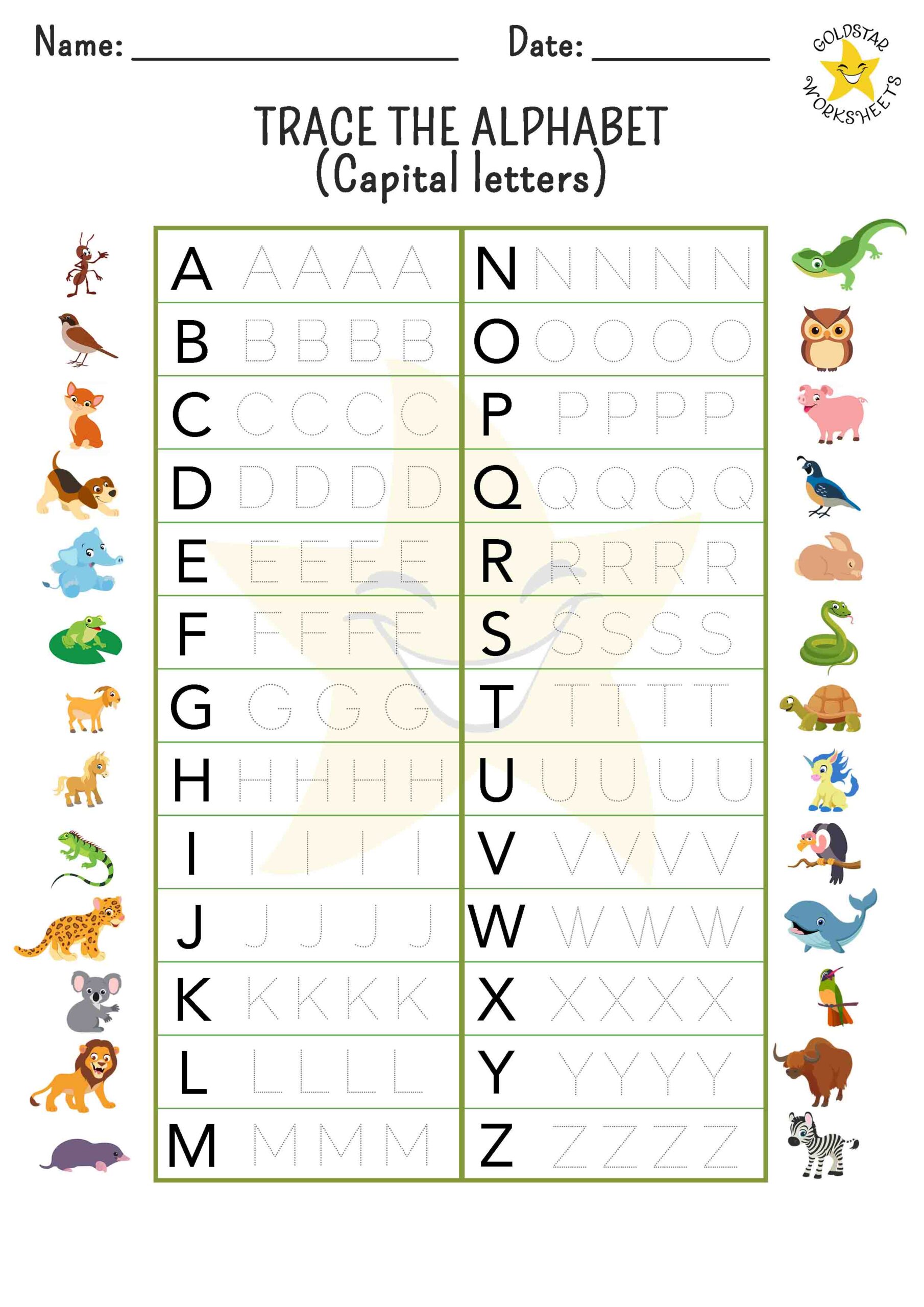
Types of Learning The Letters Of The Alphabet Worksheets
When selecting Learning The Letters Of The Alphabet Worksheets, it’s important to understand the various types available. Each type serves different educational purposes and can cater to the specific needs of students.
Tracing Worksheets
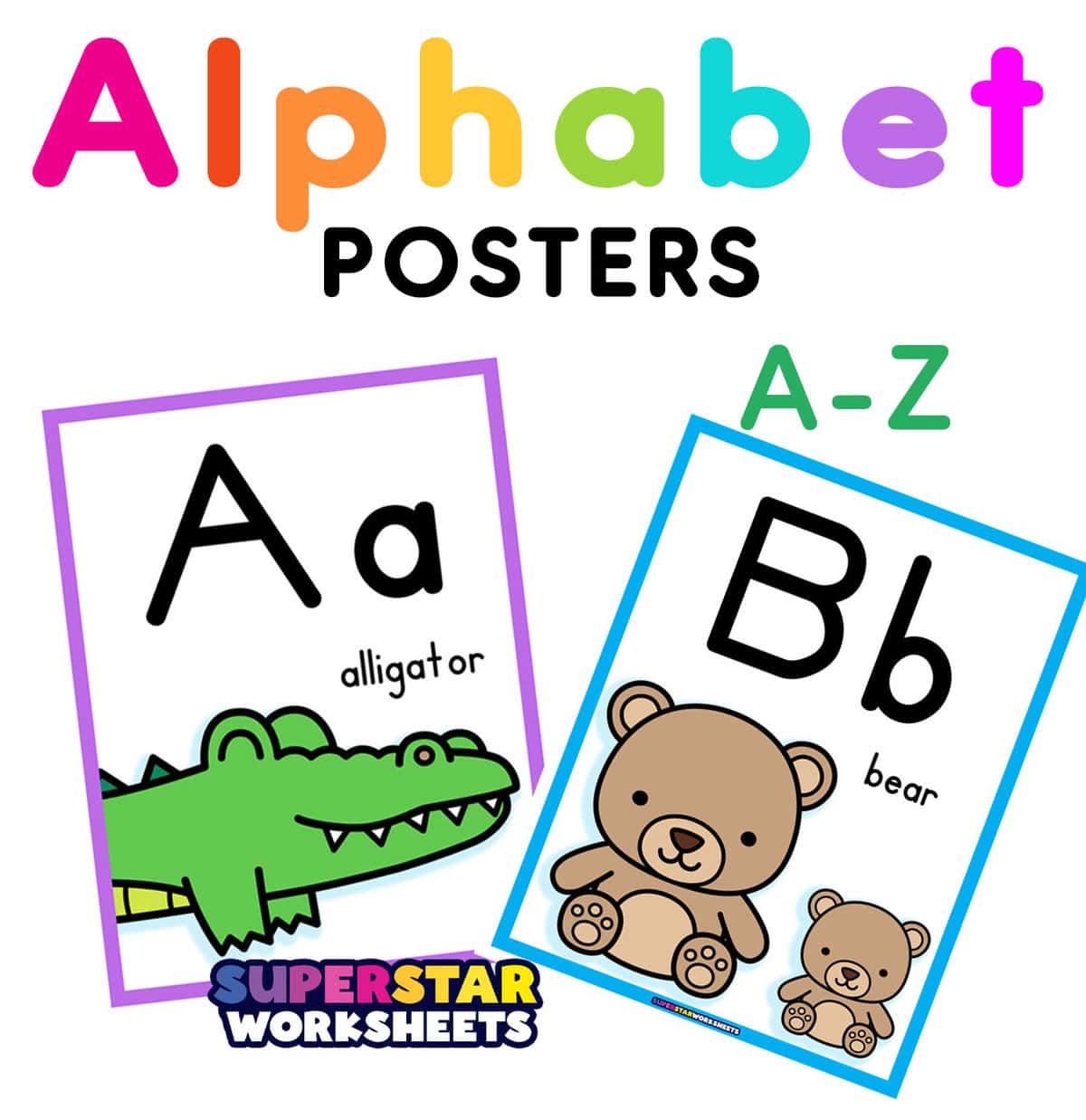
Tracing worksheets are particularly effective for younger children who are just beginning to learn the alphabet. These worksheets typically feature dotted lines of letters that children can trace over, helping them develop fine motor skills and proper letter formation. Look for worksheets that include both uppercase and lowercase letters, as this reinforces the connection between the two forms.
Coloring Worksheets
Coloring worksheets combine creativity with learning. Children can color in letters or associated images, which makes the learning experience more engaging. These worksheets are excellent for visual learners and can be used to introduce vocabulary associated with each letter. For instance, a worksheet featuring the letter ‘A’ could include an apple to color, reinforcing the sound and shape of the letter at the same time.
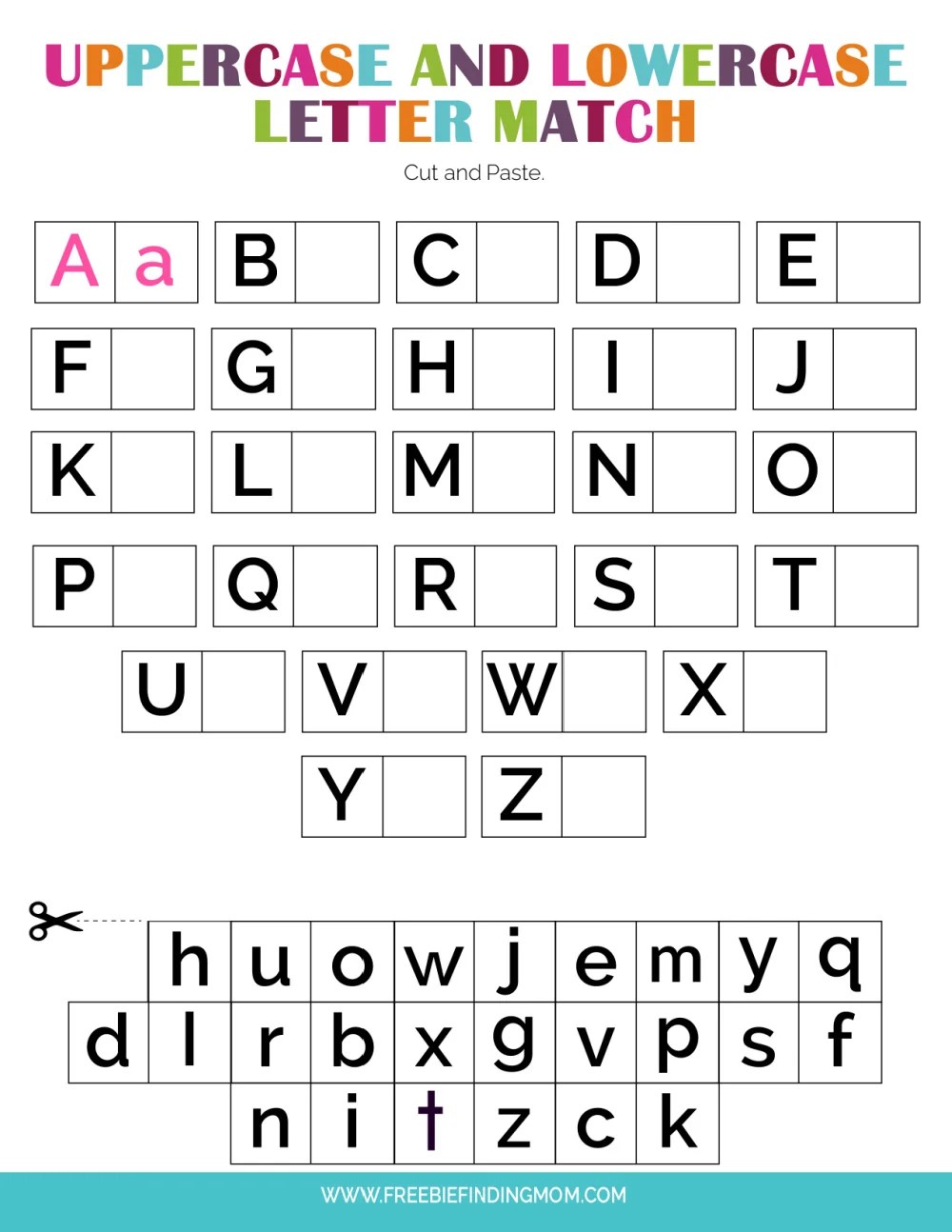
Matching Worksheets
Matching worksheets challenge children to connect letters with corresponding images or words. This type of worksheet is useful for developing phonemic awareness as it encourages children to think about the sounds that letters represent. For example, a worksheet might have a column of letters and a column of pictures that students must match, such as ‘B’ with a picture of a ball.
Fill-in-the-Blank Worksheets
Fill-in-the-blank worksheets are effective for teaching letter recognition in context. These worksheets often present sentences with missing letters or words, allowing students to practice spelling and phonics. This method supports not only letter recognition but also reading comprehension, as students must understand the context of the sentences to make the correct choices.
How to Use Learning The Letters Of The Alphabet Worksheets Effectively
To maximize the educational benefits of Learning The Letters Of The Alphabet Worksheets, consider the following strategies:
Incorporate Multi-Sensory Activities
Pair worksheets with hands-on activities to reinforce learning. For instance, after completing a tracing worksheet, have students use playdough to form letters or write letters in sand. This multi-sensory approach caters to different learning styles and helps solidify understanding.
Establish a Routine
Regular practice is key to mastering the alphabet. Establish a routine where students engage with these worksheets daily or weekly. This consistent exposure helps reinforce learning and builds confidence in their skills.
Provide Clear Instructions
Ensure that the instructions on the worksheets are simple and age-appropriate. Clear guidance allows children to work independently, fostering a sense of accomplishment. For instance, including visuals or step-by-step directions can help younger learners understand what is expected without needing constant supervision.
Use a Variety of Worksheets
Mixing different types of worksheets keeps the learning experience fresh and engaging. Rotate between tracing, coloring, matching, and fill-in-the-blank worksheets to maintain student interest and cater to various learning needs.
Selecting the Right Printable Resources
When searching for Learning The Letters Of The Alphabet Worksheets, consider the following factors to ensure you choose the most effective resources:
Quality of Design
Look for worksheets that are visually appealing and age-appropriate. Clear fonts, engaging graphics, and an uncluttered layout help keep young learners focused. Worksheets that utilize bright colors and relatable images can also enhance engagement.
Accessibility and Format
Choose worksheets that come in easily downloadable formats such as PDF. This ensures that the worksheets print clearly without any reformatting issues. Additionally, PDFs typically maintain their layout across different devices, making them a reliable choice for printing.
Adaptability
Select worksheets that can be easily adapted to different learning levels. For instance, some worksheets may include optional sections for advanced learners or additional challenges for students who need more practice. This flexibility allows educators to tailor lessons to individual student needs.
Tips for Enhancing Learning Outcomes
To further enhance the effectiveness of Learning The Letters Of The Alphabet Worksheets, consider implementing these practical tips:
Engage Parents
Encourage parents to participate in their child’s learning by providing them with copies of the worksheets. This not only reinforces the skills practiced in school but also fosters a collaborative learning environment at home.
Monitor Progress
Keep track of each child’s progress through the worksheets. This can be done with a simple checklist or progress chart, helping identify areas where students may need additional support or practice.
Celebrate Achievements
Recognizing and celebrating achievements, no matter how small, boosts student motivation. Consider creating a reward system for completing worksheets, such as stickers or certificates, to encourage continued effort and enthusiasm for learning.
By utilizing Learning The Letters Of The Alphabet Worksheets effectively, educators and parents can provide children with the skills they need for successful reading and writing development. Engaging activities and consistent practice make all the difference in fostering a love for learning from an early age. For immediate use, consider downloading quality worksheets that meet these criteria and get started on enhancing literacy skills today.