
Learning The English Alphabet Worksheets are an essential resource for teachers and parents aiming to reinforce foundational literacy skills in young learners. Typically designed for preschool and early elementary students, these worksheets provide a structured approach to help children recognize, write, and understand the English alphabet. By incorporating a variety of activities, these worksheets can keep students engaged while practicing their skills.
Understanding the Structure of Learning The English Alphabet Worksheets
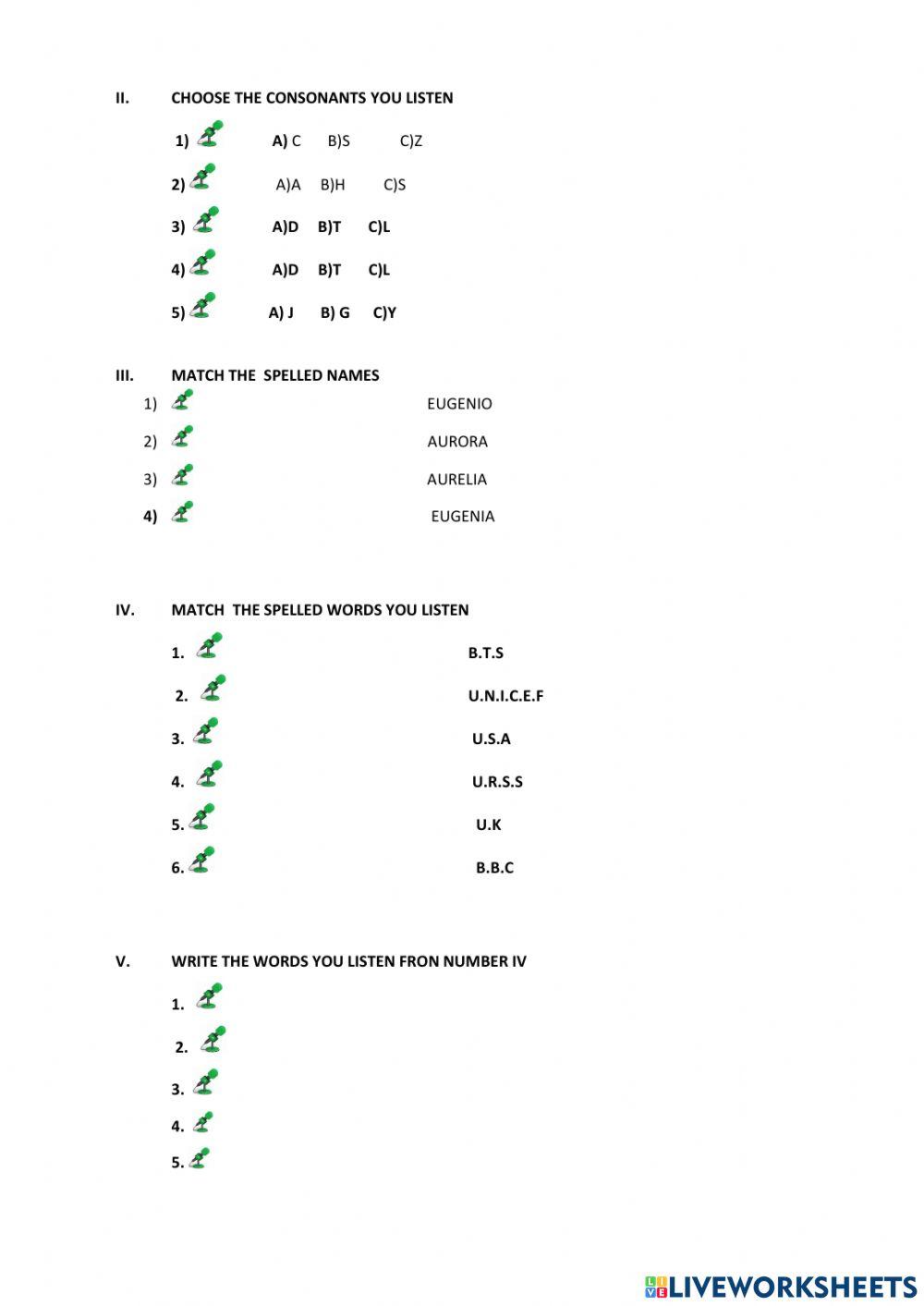
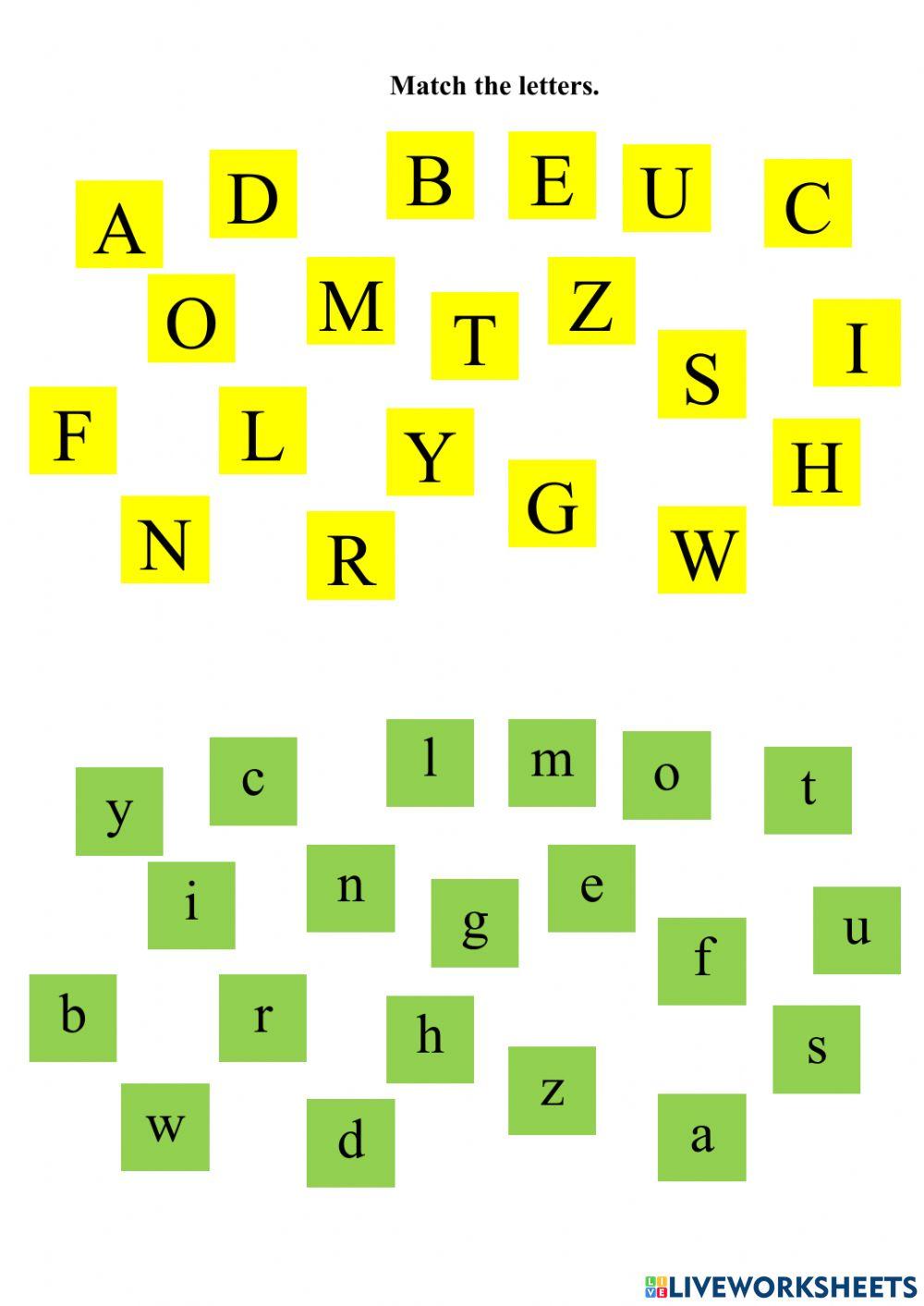
When you look at Learning The English Alphabet Worksheets, you’ll notice they often come in a standard 8.5 x 11-inch format, making them printer-friendly for home and classroom use. Most worksheets are divided into distinct sections that serve specific purposes, such as letter tracing, matching uppercase and lowercase letters, and identifying words that begin with each letter.
Each worksheet usually features:
- Letter Tracing: Children trace both uppercase and lowercase letters. This practice is essential for developing fine motor skills and letter formation.
- Visual Aids: Images corresponding to each letter help students connect sounds with letters. For example, an “A” might be accompanied by an apple, reinforcing the connection between the letter and its phonetic sound.
- Coloring Spaces: Many worksheets include areas where kids can color pictures or letters, providing a creative outlet while reinforcing their learning.
This structured approach helps students learn at their own pace, which is crucial for retention.
Using the Worksheets Effectively for Repetition and Reinforcement
To maximize learning outcomes, it’s beneficial to use Learning The English Alphabet Worksheets as part of a weekly routine. Spacing out practice over several days allows students to reinforce their skills without overwhelming them. For example, you might introduce a new letter each day and incorporate its worksheet into your daily lesson plan.
Here’s a possible weekly layout:
- Monday: Introduce the letter “A” using its worksheet, focusing on tracing and coloring.
- Tuesday: Review “A” with a fun matching game, then introduce “B” with its worksheet.
- Wednesday: Use “B” in a sentence-building activity, reinforcing its usage.
- Thursday: Review both letters with a short quiz or interactive game.
- Friday: Create a fun letter collage using cutouts from magazines or drawings.
This method not only reinforces letter recognition but also builds on students’ understanding of how letters fit into words and sentences.
Customizing Learning The English Alphabet Worksheets for Different Learners
One of the great advantages of Learning The English Alphabet Worksheets is their flexibility. Depending on the needs of your students, you can customize how you present the material. For example, some students may benefit from additional visual aids, like flashcards, while others might require more hands-on activities.
Here are a few ways to customize the worksheets:
- Differentiated Levels: For advanced students, consider including words that are slightly more complex or introducing simple sentences. For struggling learners, focus on letter recognition and provide additional tracing practice.
- Incorporate Technology: Use interactive whiteboards to display the worksheets digitally, allowing for group participation. Students can come up to the board to trace letters or identify words.
- Engaging Themes: Design worksheets around themes like seasons, animals, or holidays. This approach makes learning more relatable and enjoyable for children.
By tailoring these resources to fit the varying needs of your students, you can create a more inclusive learning environment.
Additional Resources to Enhance Learning
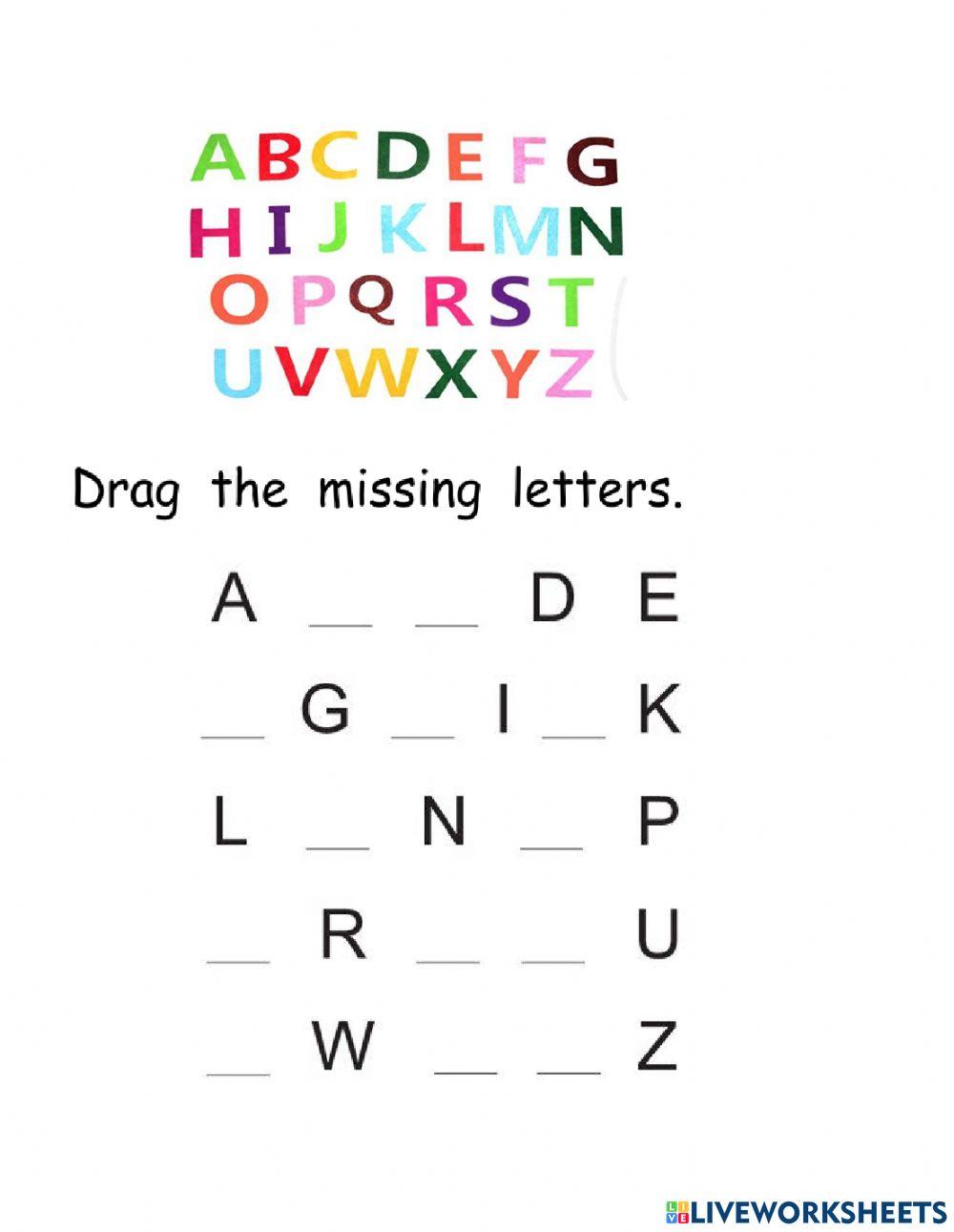
While Learning The English Alphabet Worksheets are invaluable, consider supplementing them with other resources to enrich your students’ experience. Here are some suggestions:
- Alphabet Games: Incorporate games that focus on letter recognition, such as bingo or scavenger hunts, to reinforce what students learn in their worksheets.
- Storybooks: Choose books that emphasize the alphabet. Reading aloud can help students hear the sounds letters make in different contexts.
- Songs and Rhymes: Alphabet songs can be an effective way to help students memorize the order of letters while also making learning fun.
By integrating various resources, you can create a comprehensive learning experience that caters to different learning styles.