
Learning the Alphabet Worksheets ESL are essential tools for educators and parents who want to foster early literacy skills in young learners. These worksheets typically come in PDF format, making them easy to download and print. They often feature a variety of engaging activities tailored for children aged 4 to 7, focusing on letter recognition, writing practice, and phonemic awareness. explore how to effectively use these worksheets, the layout options available, and strategies to integrate them into a weekly learning plan.
Understanding the Layout of Learning the Alphabet Worksheets ESL
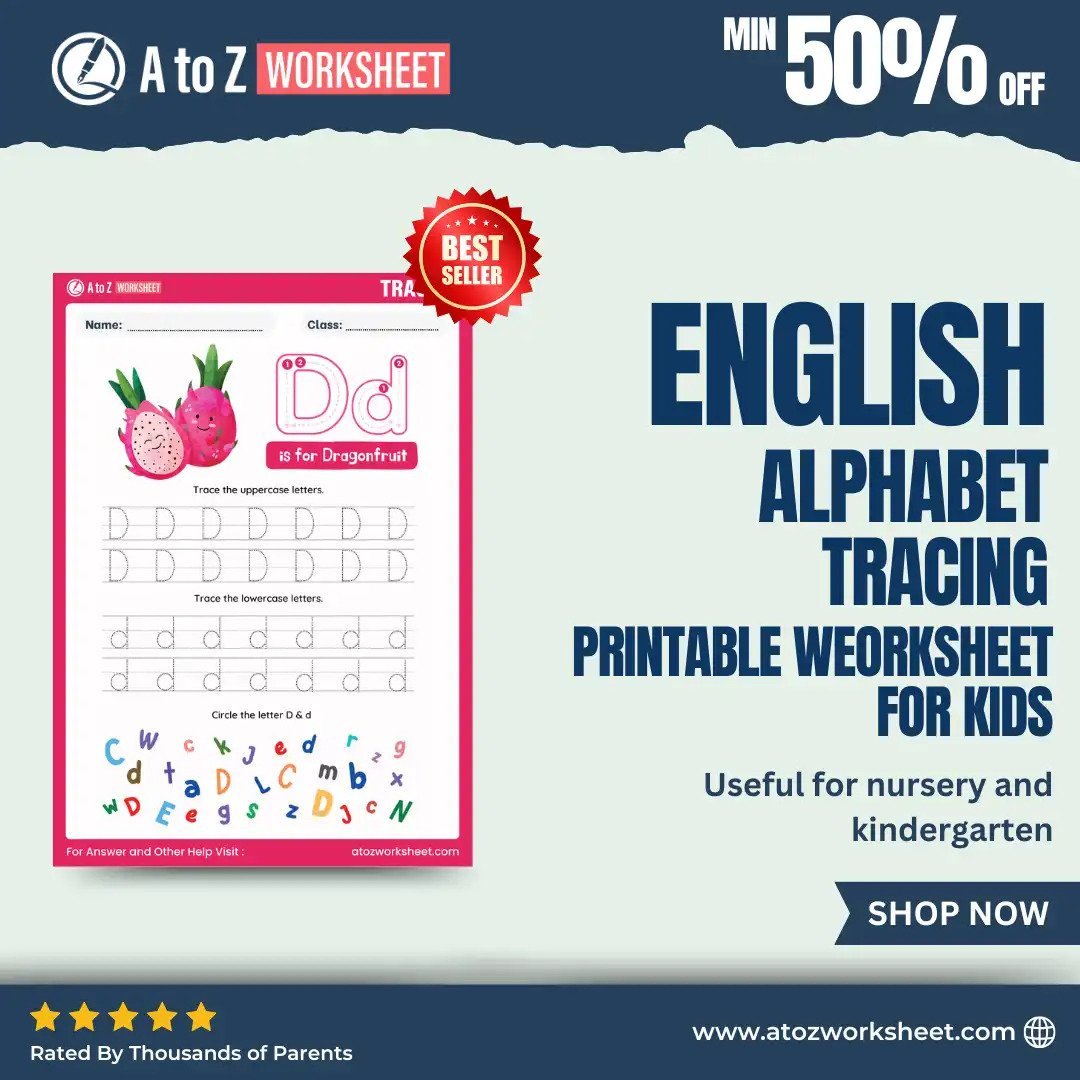
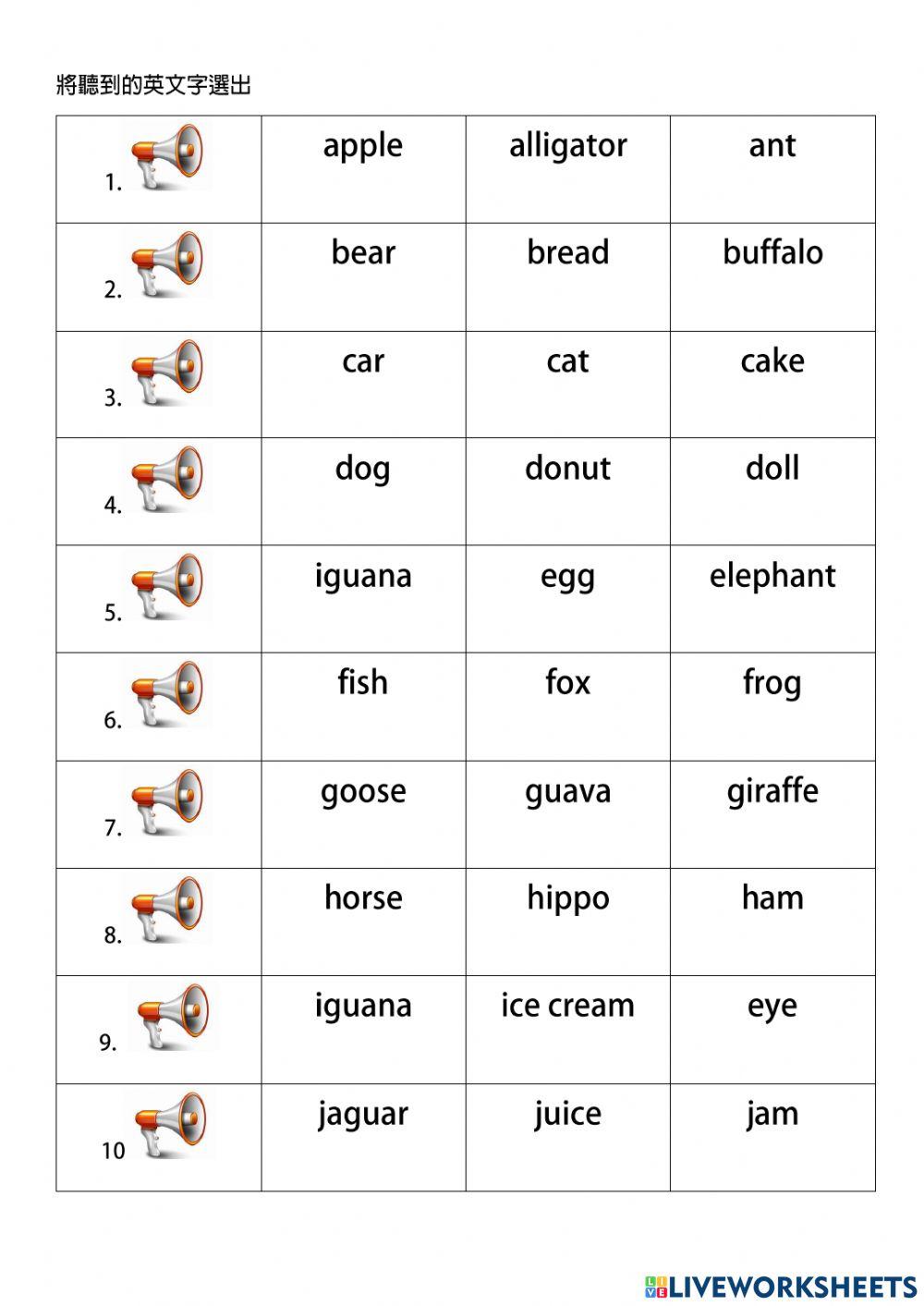
When you first look at the Learning the Alphabet Worksheets ESL, you’ll notice a clear and organized layout. Most worksheets include sections for tracing letters, identifying letters, and sometimes even matching letters with images. The design is visually appealing, often incorporating colorful graphics that capture the attention of young learners.
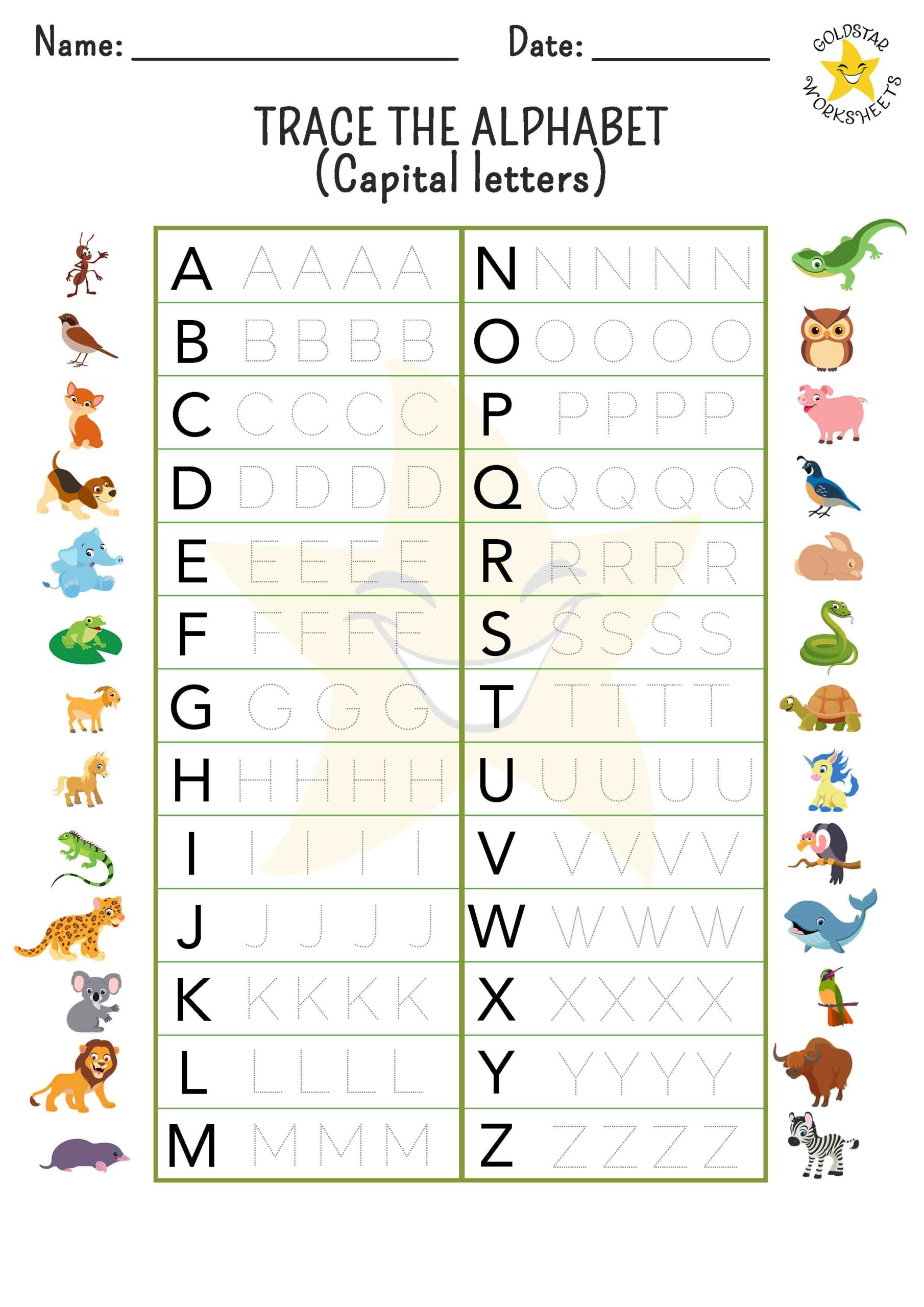
Each worksheet typically follows a consistent format, which helps children become familiar with the learning process. For instance, the tracing section usually includes both uppercase and lowercase letters, allowing students to practice writing in different forms. The accompanying images related to each letter (like ‘A’ for apple) provide context, helping children associate letters with sounds and words.
Activities to Enhance Letter Recognition
The primary goal of these worksheets is to reinforce letter recognition. Here are some effective activities you can implement using the Learning the Alphabet Worksheets ESL:
- Tracing Letters: Encourage children to trace both uppercase and lowercase letters. This activity helps develop fine motor skills while reinforcing letter shapes. Use a pencil or crayon to make it more engaging.
- Letter Matching: Incorporate a section where students match letters to pictures. For example, matching ‘B’ with a picture of a ball. This activity not only reinforces recognition but also builds vocabulary.
- Fill-in-the-Blanks: Create sentences that require students to fill in missing letters. This can be a fun way to engage them in phonics and spelling.
- Coloring Activities: Many worksheets include coloring sections where children can color images associated with letters. This adds a creative element that makes learning enjoyable.
Spacing and Repetition for Effective Learning
One of the key aspects of using Learning the Alphabet Worksheets ESL effectively is spacing and repetition. To maximize retention, consider spreading these worksheets across the week rather than completing them all in one sitting. Here’s a simple plan:
- Day 1: Focus on tracing letters A to C. Spend about 15-20 minutes on this activity, mixing in some games that involve saying the letters aloud.
- Day 2: Move to letters D to F, incorporating matching activities with pictures related to these letters.
- Day 3: Review letters A to F. Use a mix of tracing and fill-in-the-blank exercises to reinforce learning.
- Day 4: Introduce letters G to I, using coloring pages to maintain engagement.
- Day 5: Review all letters learned during the week with a fun quiz or game, encouraging students to recall and recognize each letter.
This spaced approach allows children to absorb the material gradually, making it less overwhelming and more effective for long-term retention.
Choosing the Right Paper and Printing Options
When it comes to printing the Learning the Alphabet Worksheets ESL, the choice of paper can significantly affect the usability of the worksheets. Here are a few tips:
- Paper Type: Standard printer paper (8.5 x 11 inches) works well for most worksheets. However, if you’re looking for durability, consider using cardstock. It holds up better, especially if you plan to reuse the worksheets.
- Print Settings: Set your printer to “Best Quality” for clear, sharp images and text. Ensure that the scaling is set to 100% to avoid any distortion of the worksheets.
- Lamination: If you want to make the worksheets reusable, laminate them. This allows children to use dry-erase markers for tracing and coloring, making the activity eco-friendly and cost-effective.
Integrating Worksheets Into Homeschooling or Classroom Settings
In both homeschool and classroom settings, Learning the Alphabet Worksheets ESL can be seamlessly integrated into your curriculum. Here are some practical tips:
- Daily Routine: Incorporate a “Letter of the Day” theme where each day focuses on a different letter. Use the worksheets as part of a morning routine.
- Group Activities: For classrooms, consider group activities where students can work together on the worksheets. This fosters collaboration and encourages peer learning.
- Parental Involvement: For homeschoolers, engage parents by having them participate in the activities. This can be as simple as reading the letters aloud or helping with tracing.
- Assessment: Use the completed worksheets as informal assessments to gauge understanding and progress. This can help tailor future lessons to meet individual student needs.
By utilizing the Learning the Alphabet Worksheets ESL effectively, you can create a dynamic and supportive learning environment that encourages young learners to develop their literacy skills confidently. Whether in a classroom or at home, these worksheets provide a structured yet flexible approach to mastering the alphabet.