
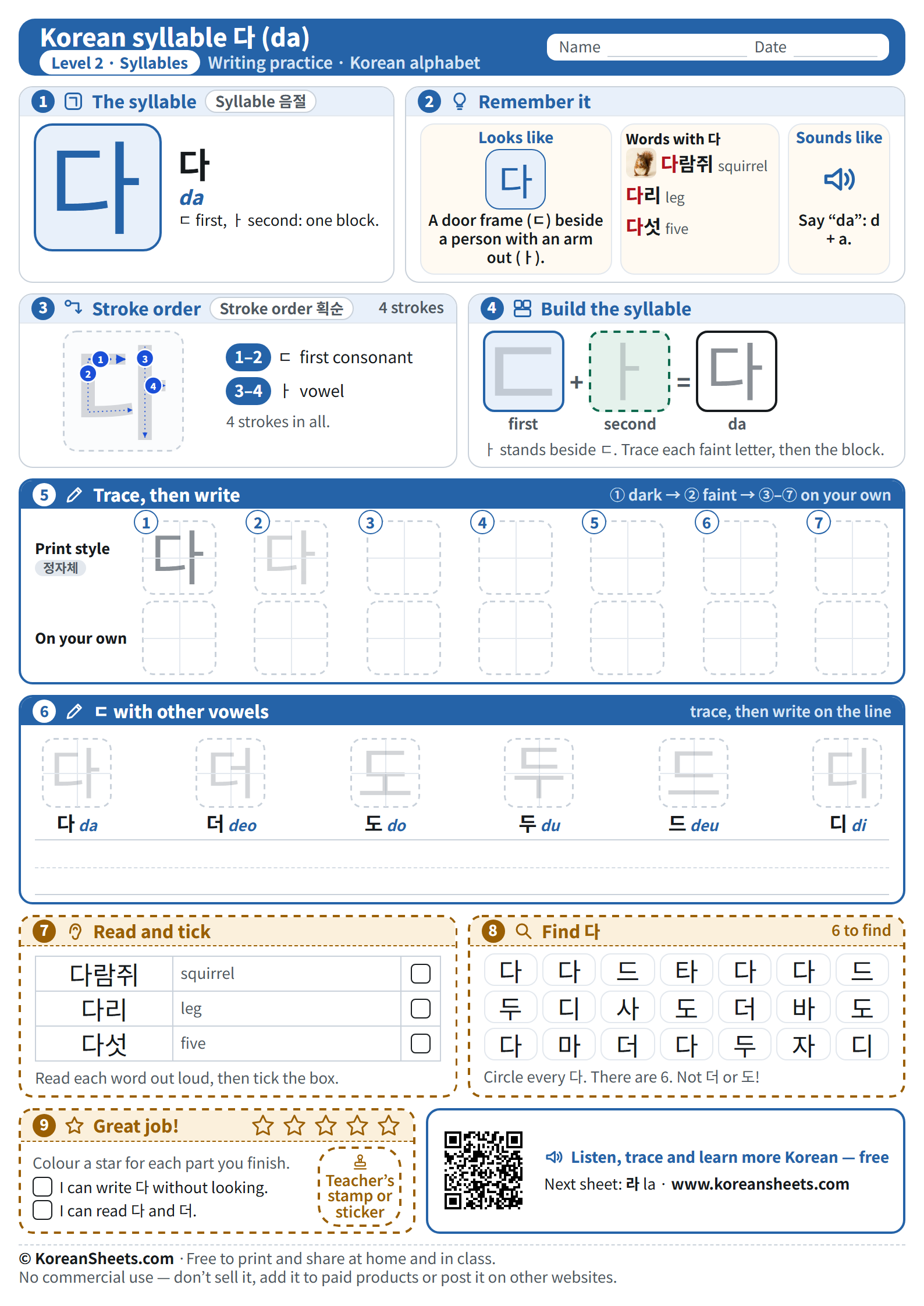
Learning a new language can be daunting, especially when it involves a completely different writing system. The Korean Hangul Alphabet And Pronunciation Worksheet is an invaluable tool for teachers and parents helping students grasp the fundamentals of Korean. This resource not only introduces the characters of the Hangul alphabet but also emphasizes the correct pronunciation, which is crucial for effective communication.
Understanding the Importance of Hangul
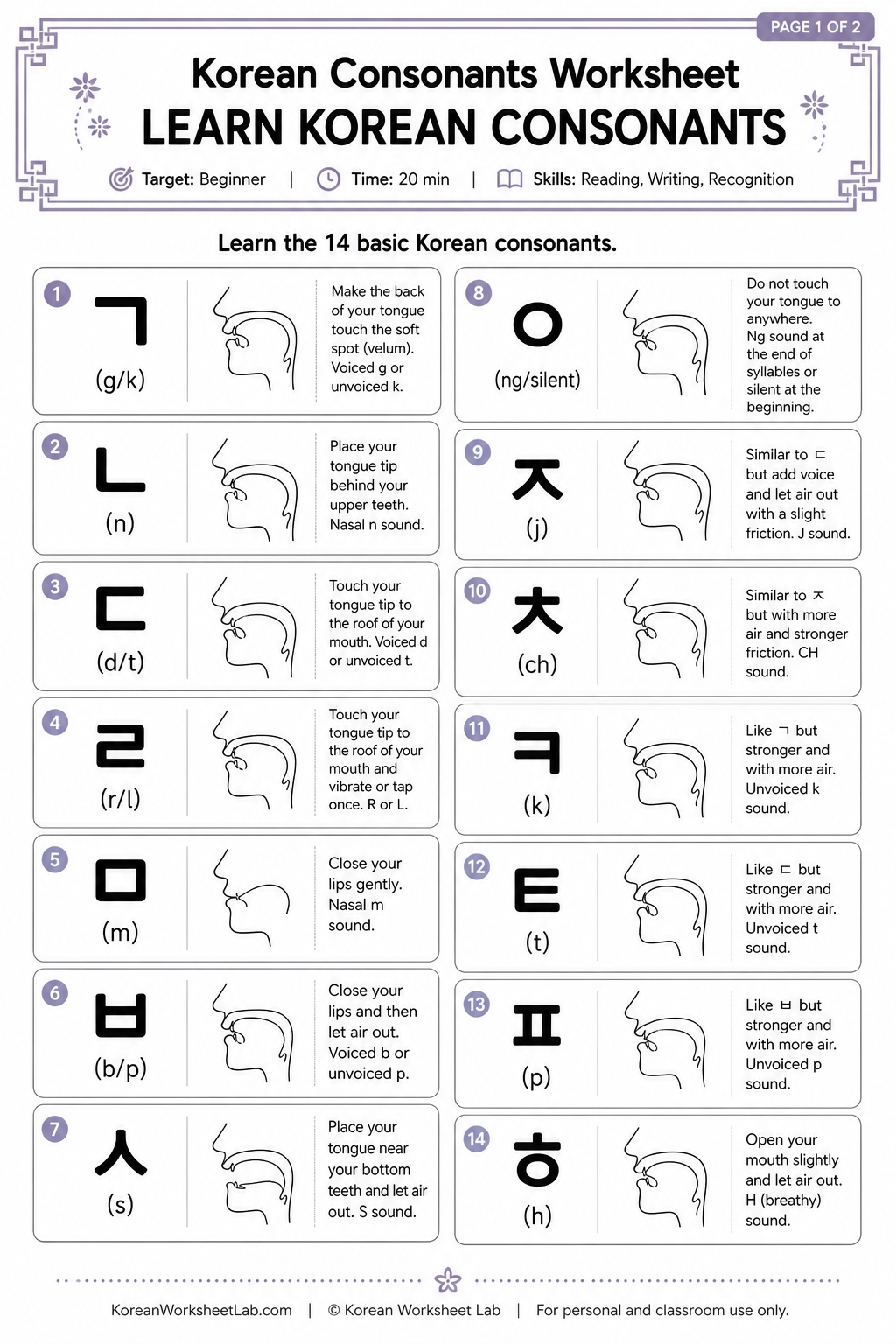
The Hangul alphabet consists of 14 basic consonants and 10 basic vowels, which combine to form syllables. Understanding these characters forms the foundation for reading and speaking Korean. The worksheet can serve as a core resource in classrooms or homeschools, making it easier for students to practice and master this unique script.
Using a structured approach to learning Hangul can enhance retention and confidence. This worksheet allows students to engage with the material repeatedly, reinforcing their understanding over time. By breaking down the learning process, educators can help students feel more comfortable with their progress.
Choosing the Right Worksheet
When selecting a Korean Hangul Alphabet And Pronunciation Worksheet, consider the following factors:
- Age Appropriateness: Ensure the worksheet is suitable for the student’s age and language level. Worksheets designed for younger learners often include colorful graphics and engaging activities, while those for older students may focus more on written exercises and pronunciation guides.
- Clarity of Design: Look for worksheets that clearly outline the characters and their corresponding sounds. A well-organized layout helps students focus on learning without feeling overwhelmed.
- Engagement Level: Worksheets that incorporate interactive elements, such as fill-in-the-blank exercises or matching games, can make learning more enjoyable. These activities encourage active participation and can lead to better retention.
- Accessibility: Ensure the worksheet is available in a format that is easy to print. PDF files are often the best choice, as they maintain their formatting across different devices and printers.
- Supplementary Materials: Some worksheets come with additional resources, like audio files for pronunciation practice or answer keys for self-checking. These can significantly enhance the learning experience.
Downloading and Printing the Worksheet
Once the right worksheet has been identified, the next step is downloading and printing it. Here are some practical tips to ensure a smooth process:
- File Format: Opt for a PDF version whenever possible. PDFs are less likely to encounter formatting issues when printed, allowing for a consistent experience across different devices.
- Printer Settings: Use standard paper sizes like A4 or letter-sized paper, depending on your region. Check the printer settings to ensure the document prints in portrait orientation, which is typically more user-friendly for worksheets.
- Paper Quality: If the worksheet will be used frequently, consider printing it on cardstock. This material is more durable and can withstand repeated use, especially if laminated for dry-erase activities.
Setting Up a Learning Routine
To maximize the effectiveness of the Korean Hangul Alphabet And Pronunciation Worksheet, establish a consistent learning routine. This could involve:
- Daily Practice Sessions: Aim for short, focused sessions of about 15-20 minutes each day. This approach prevents burnout and keeps the learning process manageable.
- Repetitive Exercises: Utilize the worksheet multiple times throughout the week. Repetition is key to reinforcing memory and building confidence. Encourage students to revisit challenging sections until they feel comfortable.
- Incorporating Variety: While the worksheet provides structured learning, supplement it with other resources like flashcards, apps, or online games that focus on Hangul. This variety keeps students engaged and can cater to different learning styles.
- Peer Learning: If possible, pair students for practice sessions. Working together allows them to teach each other, which can enhance understanding and retention.
- Feedback and Assessment: Regularly assess progress through informal quizzes or by having students read out loud. This feedback loop helps identify areas that need further attention and reinforces learning.
Practical Tips for Effective Use
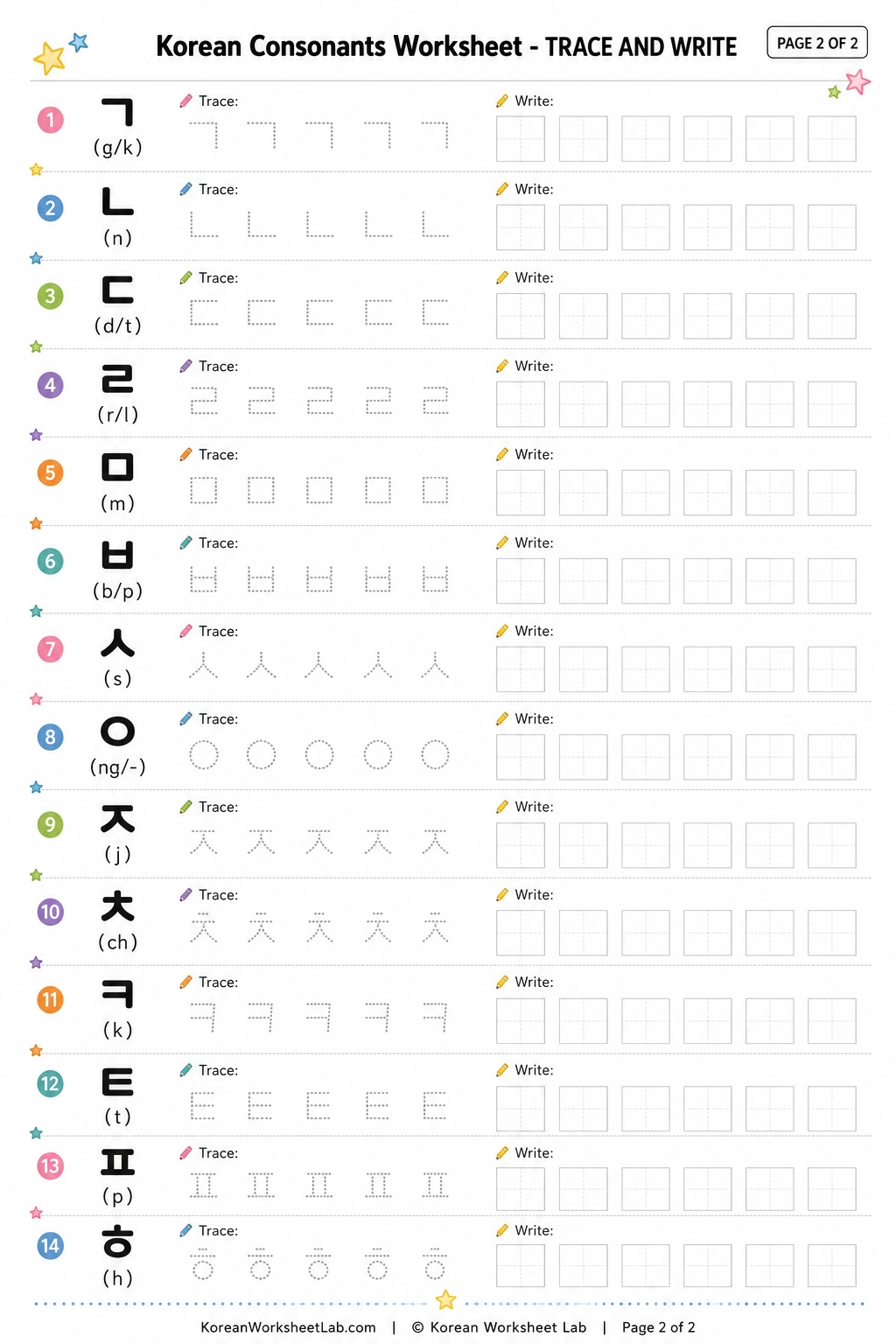
Here are some actionable tips for using the Korean Hangul Alphabet And Pronunciation Worksheet effectively:
- Highlight Key Sections: Use different colors to mark consonants, vowels, and syllables. This visual aid can help students differentiate between the components of Hangul more easily.
- Focus on Pronunciation: Encourage students to listen to native speakers, whether through language apps or videos. Incorporating auditory learning can significantly improve pronunciation skills.
- Integrate Cultural Context: Teach students about Korean culture alongside the language. This can include exploring Korean cuisine, music, or traditions, making the learning experience richer and more relatable.
- Encourage Creativity: Allow students to create their own sentences using Hangul characters. This exercise promotes creativity while reinforcing their understanding of how to form words.
- Keep it Fun: Gamify the learning experience with challenges or rewards for reaching milestones. This approach can motivate students to engage more deeply with the material.
The Korean Hangul Alphabet And Pronunciation Worksheet is more than just a tool; it’s a stepping stone to mastering a beautiful language. By following these practical steps, educators and parents can create a supportive learning environment that fosters growth and confidence in students.